


Victorian Silver Cream Jug
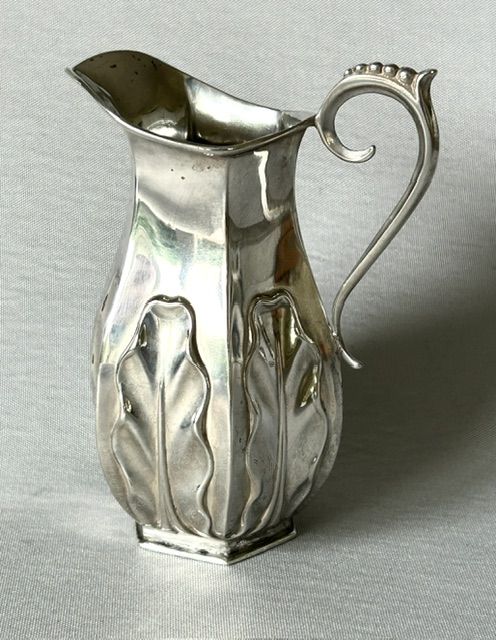
A victorian silver cream jug brings the weight and bright gleam of nineteenth-century metalwork straight to the tea table.
Victorian Silver Cream Jug
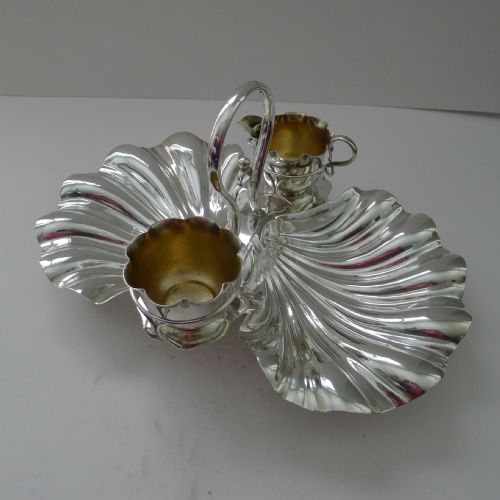
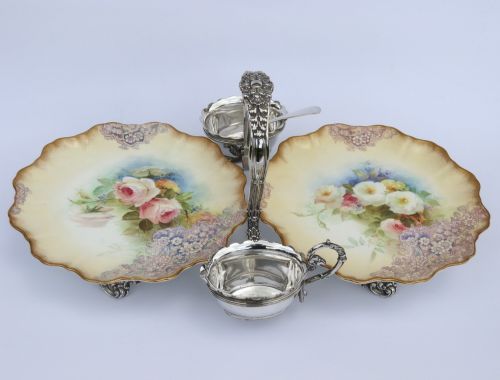
A victorian silver cream jug is a small pouring vessel designed for tea service, appearing across this selection in solid sterling silver and silver plate. The forms span simple pedestal bodies, sparrow beak profiles, and half-fluted designs, often paired with matching sugar bowls or forming part of larger dessert and strawberry sets.
Most examples originate from the nineteenth century, carrying hallmarks from assay offices in London, Birmingham, and Sheffield spanning the decades from the 1840s to the turn of the twentieth century. Makers embraced diverse aesthetics, moving from restrained Georgian revivals to elaborate naturalist embossing and Anglo-Indian motifs.
How they were made
Silversmiths shaped these vessels from solid sterling silver or applied silver plating over base metals like electroplated nickel silver, sometimes finishing interiors with a gold wash or gilt layer. Decoration relied on hand-hammered forming, chased surface detailing, and repoussé work to push motifs out from the metal wall.
Handles and feet were cast separately and soldered to the main body, while specialised sets integrated materials like hand-painted Doulton Burslem porcelain plates or silk elements alongside the metalware.
Some Victorian silversmiths could not resist adding snarling lions and exotic creatures to humble milk jugs.
What varies in quality
The distinction between standard production and exceptional work rests on the crispness of the chasing and the weight of the metal used in the body and handle. Heavier gauge silver provides a solid feel in the hand and holds engraved or embossed details with sharper definition over time.
Pieces bearing clear assay office hallmarks and the marks of recognised makers demonstrate superior craftsmanship, while secondary elements such as integrated gilding or companion sugar bowls elevate the cohesion of the set.
Daniel Arter·Walker and Hall·John Rawlings·Robert Hennell·George Fox·Henry Holland·Edward Barnard·Daniel and Charles Houle·Pairpoint Brothers·John Samuel Hunt·Goldsmiths and Silversmiths
The Victorian Silver Cream Jug Glossary
- Sterling silver
- A standard alloy composed of pure silver and other metals, typically copper, designated by specific hallmarks on British silver pieces. This composition ensures structural durability for functional tableware.
- Repoussé
- A metalworking technique where the silversmith hammers the metal from the reverse side to form a raised design in relief on the front. It creates tactile surface decoration found on naturalist and revivalist jugs.
- Hallmark
- An official stamp applied by an assay office indicating the purity of the metal, the year of manufacture, and the city of origin. These marks provide the primary documentation for dating antique silver.
- Sparrow beak
- A traditional small jug profile featuring a pinched spout reminiscent of a bird's bill and a tapered body. This compact form was common in eighteenth-century designs and revived during the Victorian era.
- Gilt
- A thin layer of gold applied to the interior surface of a silver vessel to protect the metal from the acidic corrosion of dairy cream. This interior treatment adds a warm tone visible inside the pouring lip.
Victorian Silver Cream Jug: Frequently Asked Questions
What is a sparrow beak jug?
A sparrow beak jug is an antique small cream pitcher characterised by a short, sharply pinched pouring lip and a bulbous body. The design dates back to earlier centuries but remained popular among Victorian silversmiths.
These compact vessels were specifically fashioned to serve small quantities of cream during tea service, offering both utility and a distinctive silhouette on the table.
How do I date a silver jug?
Dating a victorian silver cream jug requires reading the official hallmarks stamped directly onto the metal surface. These tiny marks typically include a date letter, a city mark, and a standard purity mark.
Matching the stamped symbols against official assay office records reveals the exact year and location where the piece was tested and entered the trade.
What is silver plate?
Silver plate refers to base metal items, such as nickel silver, that have been coated with a thin layer of pure silver through electroplating or older fusion methods. This technique allowed manufacturers to produce decorative tableware at a lower cost than solid sterling silver.
Items finished in this manner still provided the bright appearance and decorative appeal required for formal Victorian dining settings.
Why are some jug interiors gold?
The golden interior seen in many cream jugs is the result of gilding, where a thin wash of gold is applied across the silver surface. Cream contains lactic acid that can tarnish and react with untreated silver over extended periods.
Applying a gold wash protected the metal from discoloration while adding a bright contrast against the polished exterior.