



Silver Shell Serving Tray
These silver shell serving tray pieces are functional antiques that bring classic dining elegance to any home, making them a wise choice for both collectors and hosts.
Silver Shell Serving Tray
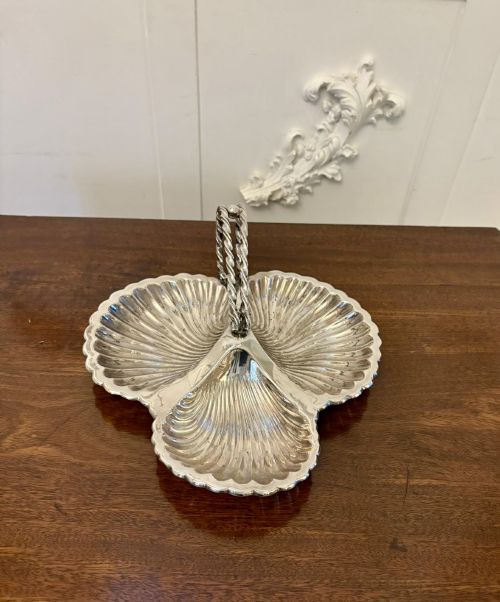
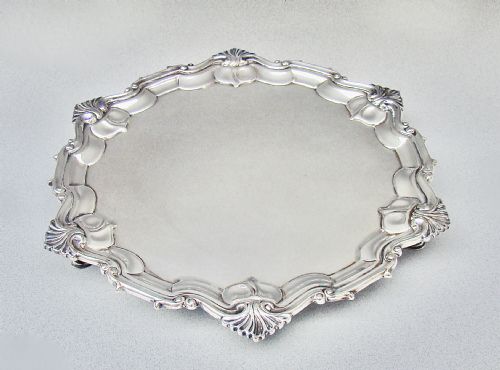
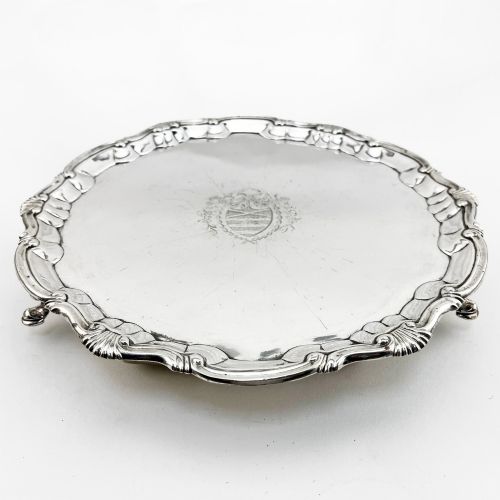
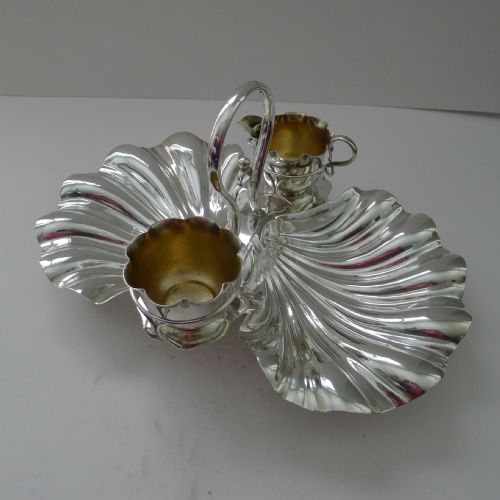
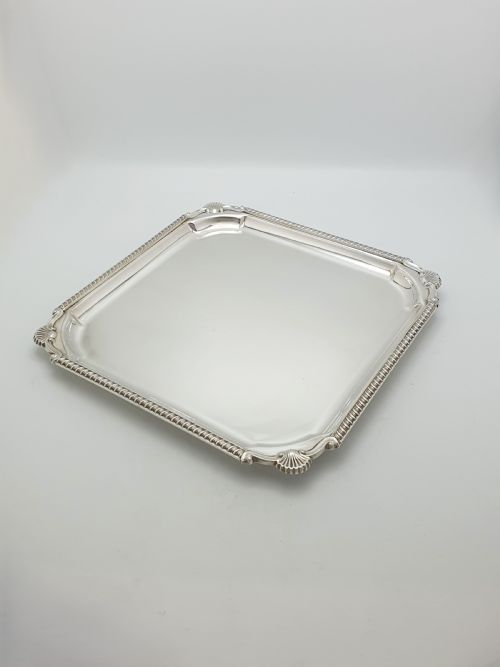
A silver shell serving tray brings together refined metalwork and classic form, frequently appearing as salvers, cocktail trays, or serving dishes. When searching for a silver shell serving tray, collectors encounter pieces spanning from the 1700s through the Edwardian era and the 1920s.
The selection ranges from George II and Georgian sterling silver pieces to Victorian and Edwardian silver plate. Makers such as William Hutton & Sons, Mappin & Webb, and Paul Storr represent the standard of workmanship found in these items.
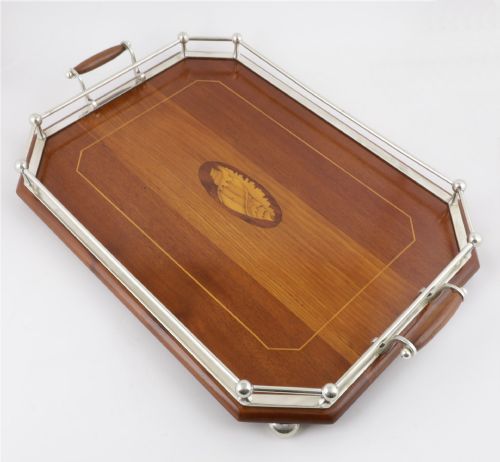
Forms vary from octagonal wood gallery trays with shell inlay to dedicated strawberry sets and cocktail trays with shell borders. Each example reflects the prevailing taste of its period, from French Rococo Revival to Art Deco and Sheraton Revival.
Materials and construction
Silversmiths utilised sterling silver and silver plate, frequently employing electroplated nickel silver as a base for later Victorian and Edwardian items. Gold wash interiors appear on specific serving dishes to protect the metal from acidic foods.
Cabinetmakers combined silver with timber, seen in mahogany gallery trays featuring detailed shell inlay work. Surface decoration relied on hand-chased motifs, cast shell borders, and engraved crests executed by skilled artisans.
Periods represented across the items include Georgian, Victorian, Edwardian, and Art Deco styles.
Assessing quality and execution
The distinction between standard production and superior craftsmanship rests in the crispness of the chased details and the weight of the metal. Heavier sterling silver and substantial silver plate retain their structural integrity and surface polish far better over centuries of use.
Maker attribution also dictates standing, as pieces bearing the marks of renowned workshops like Paul Storr or Mappin & Webb demonstrate superior finishing compared to unmarked commercial output. The integration of decorative elements, such as applied cast shell borders rather than stamped alternatives, separates finer examples.
William Hutton & Sons·Daniel Arter·Mappin & Webb·Paul Storr·Victor Saglier·Atkin Brothers
The Silver Shell Serving Tray Glossary
- Salver
- A flat tray, usually made of silver, traditionally used for serving glasses or documents. These footed plates form a core part of early serving ware.
- Silver Plate
- A base metal, often copper or nickel silver, coated with a thin layer of pure silver. This technique allowed wider access to decorative tableware during the nineteenth century.
- Sterling Silver
- An alloy consisting of pure silver and other metals, standardised at a high degree of purity. It represents the primary material for high-end Georgian and Victorian domestic items.
- Gold Wash
- A thin layer of gold applied to the interior surface of a silver dish or bowl. This process prevents food acids from tarnishing or corroding the silver beneath.
- Gallery Tray
- A tray bordered by an openwork pierced gallery or wooden railing. They frequently incorporate inlaid decorative motifs such as shells.
Silver Shell Serving Tray: Frequently Asked Questions
What is a silver shell serving tray used for?
These trays served primarily for presenting drinks, cocktails, or food dishes during formal dining and entertaining. In modern settings, they function effectively as display pieces or serving surfaces for gatherings.
Their sturdy construction from silver plate or sterling silver ensures they remain practical for holding glassware and small items. Many collectors also display them on sideboards or walls to showcase their historical ornamentation.
How do I date a silver serving tray?
Dating relies on identifying hallmarked assay office stamps, maker marks, and stylistic indicators. Georgian and Victorian pieces often carry clear date letters and royal duty marks that pinpoint the exact year of manufacture.
Stylistic shifts, such as the transition from ornate French Rococo Revival scrollwork to geometric Art Deco lines, further narrow down the production period. Consulting recorded maker archives helps confirm the active dates of firms like Mappin & Webb or Paul Storr.
How do I clean an antique silver tray?
Maintenance requires gentle cleaning with a specialist silver polish and a soft cloth to preserve the underlying metal and any fine chasing. Harsh abrasive cleaners should be avoided because they wear away thin silver plating and antique detail.
Regular handling and careful storage in dry environments help slow down the natural tarnishing process. For pieces with wood bases or delicate shell inlay, moisture must be kept away from the organic components.