




Mappin and Webb Silver Plate
Mappin and Webb silver plate encompasses dining vessels, barware and decorative items made from the Victorian period through the Art Deco era.
Mappin and Webb Silver Plate
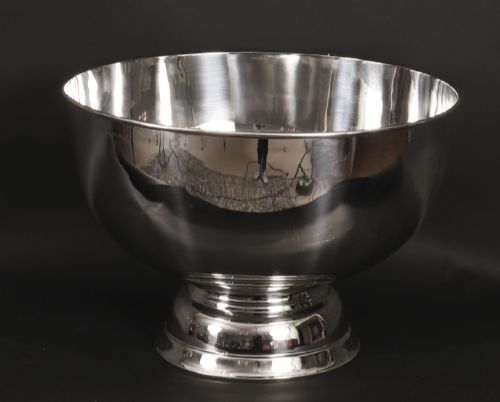
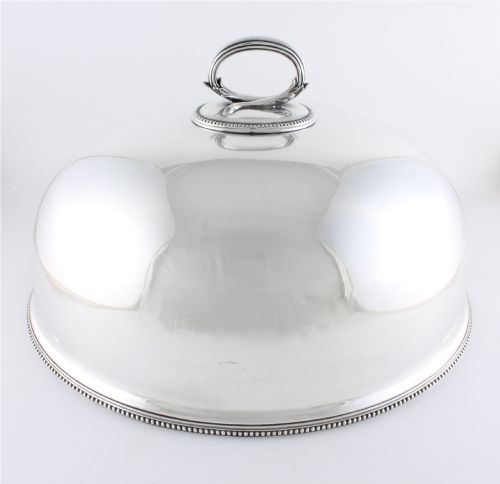
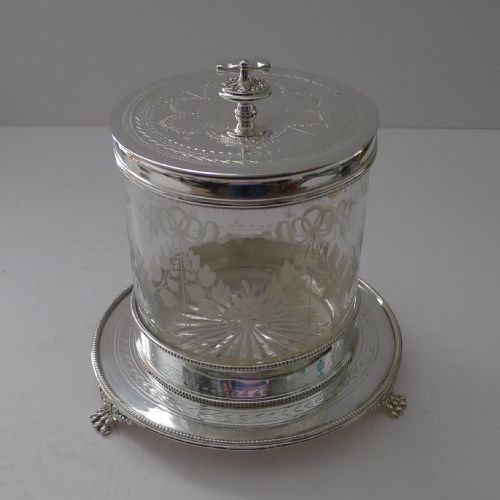
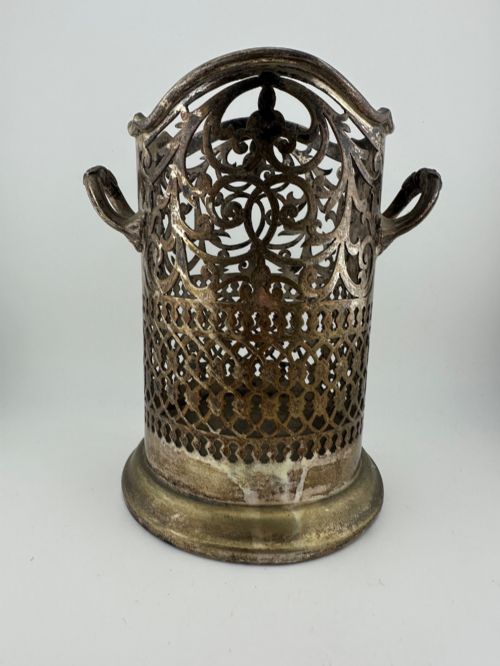
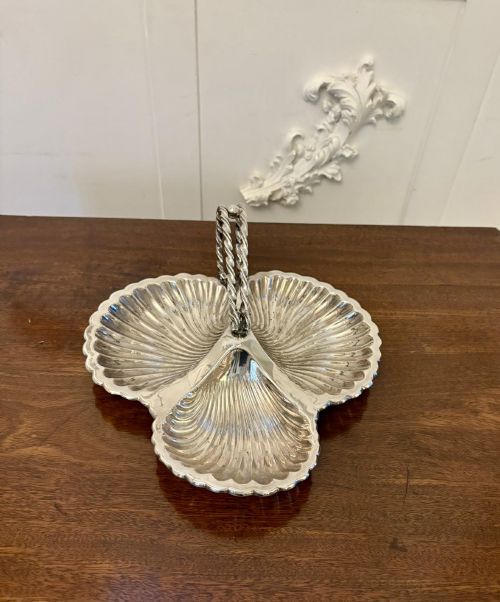
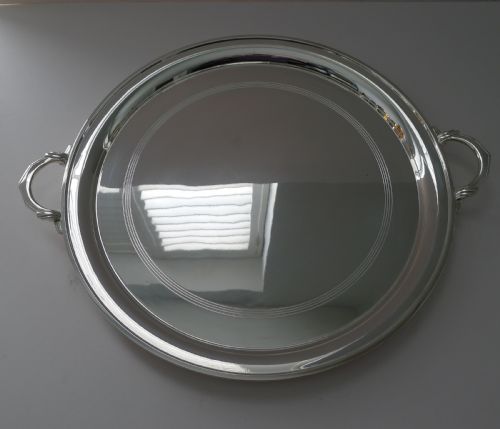
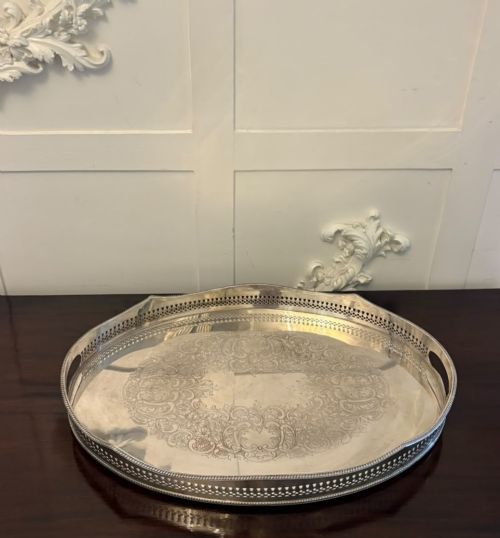
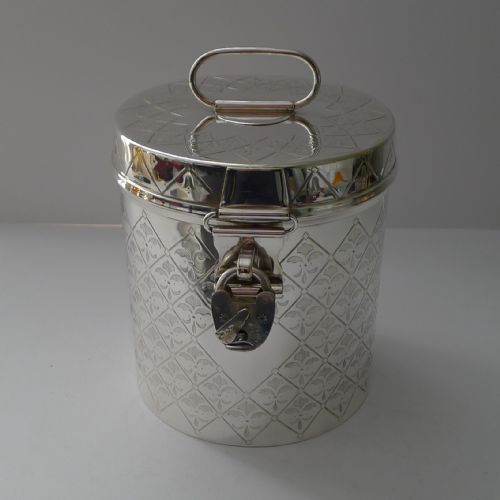
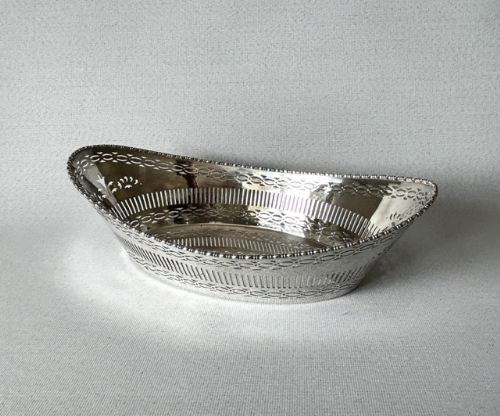
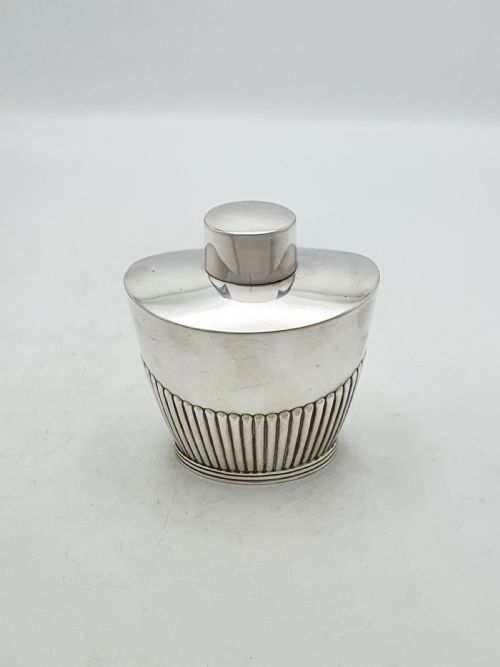
When browsing for Mappin and Webb silver plate, collectors encounter a diverse array of domestic metalwork spanning late Victorian, Edwardian and Art Deco aesthetics. The selection frequently includes serveware such as trays, biscuit boxes and toast racks, alongside drinking vessels and barware.
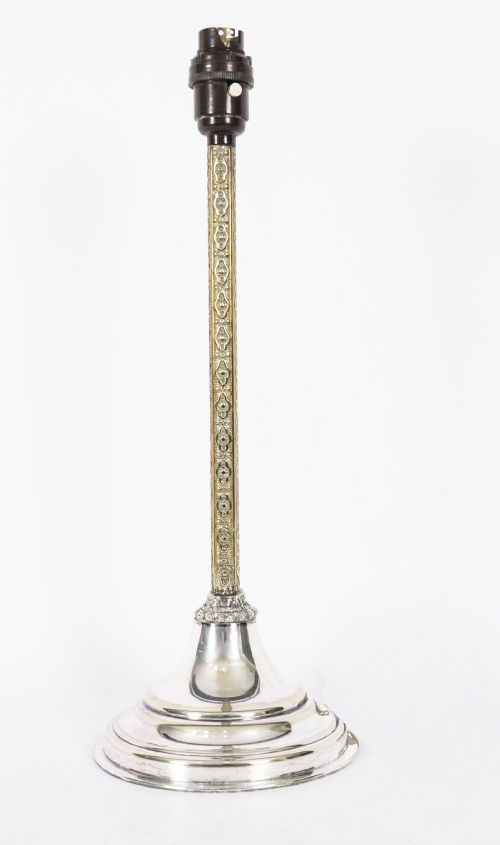
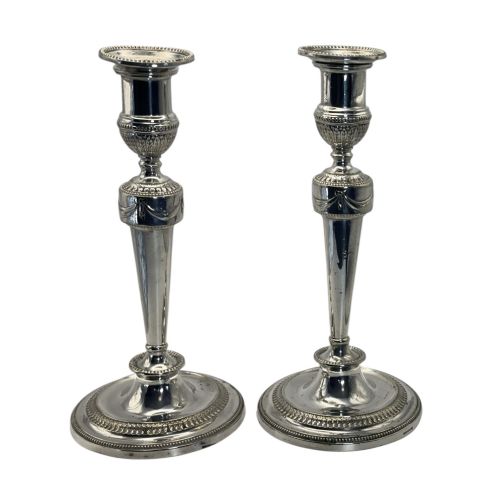
Candlesticks and table lamps appear regularly, often drawing upon Neoclassical or traditional columnar forms. Cocktail shakers and trays from the 1930s represent the modernist output associated with designers like Keith Murray.
Manufacturing and Materials
The objects combine a base metal core, typically electroplated nickel silver or standard metal, with a bonded layer of silver applied through electrolysis. This technique provided the visual weight and finish of solid silver at a lower cost.
Secondary materials such as cut glass, crystal, oak and bakelite integrate into designs like biscuit barrels, claret jugs and cocktail shakers, introducing texture and contrast to the metallic surfaces.
Mappin and Webb Silver Plate Retail Price Guide 2026
Typical asking prices for mappin and webb silver plate among the pieces listed under this phrase on Sellingantiques today, from the lower quarter to the upper quarter. They describe what is for sale here now, not the wider market.
Some cocktail shakers come equipped with an integral ice breaker for proper mixing.
Judging Quality
Distinctions in quality often rest upon the crispness of chased or engraved detailing, particularly on floral motifs or geometric Art Deco lines. Thicker plating resists wear through decades of polishing.
Functional mechanics, such as the smooth rotation of a revolving breakfast dish or the secure closure of a locking biscuit box, separate standard production pieces from higher-tier items.
Keith Murray·Mappin and Webb
The Mappin and Webb Silver Plate Glossary
- EPNS
- Electroplated Nickel Silver. A common base metal alloy coated with a thin layer of silver.
- Biscuit box
- A lidded container designed for storing dry baked goods on the dining table.
- Claret jug
- A serving vessel featuring a glass body paired with a silver-plated handle, spout and mount.
- Tantalus
- A locking wooden frame containing decanters that prevents access to the contents without a key.
Mappin and Webb Silver Plate: Frequently Asked Questions
How do I clean silver plate?
Use a soft cloth and a dedicated silver polish designed for plated items to remove tarnish gently. Avoid abrasive brushes or harsh chemical dips that strip the thin silver layer.
Wash pieces in warm, soapy water immediately after use and dry them thoroughly with a lint-free cloth to prevent water spots.
Can I use these items daily?
Many items like trays, ice buckets and glassware remain robust enough for regular use in modern hospitality settings. Care should be taken with moving parts on revolving dishes and delicate handle assemblies.
Hand washing is essential for preserving the plated surfaces, as dishwashers cause rapid degradation of the silver finish and secondary materials like wood or glass.
How are different periods identified?
Victorian and Edwardian pieces frequently feature elaborate floral engraving, Rococo Revival curves or Neoclassical columns. Art Deco examples lean toward streamlined geometric forms, unadorned surfaces and stepped profiles.
Maker's marks and design registration numbers stamped into the base help narrow down the manufacturing decade.
What is electroplated nickel silver?
This material serves as the foundation for the majority of these objects, consisting of a durable copper, nickel and zinc alloy. The metal receives an electrical charge in a silver bath to bond a thin coating of pure silver to the exterior.
This method allowed makers to produce sturdy tableware with the bright lustre of solid silver without the prohibitive expense.