
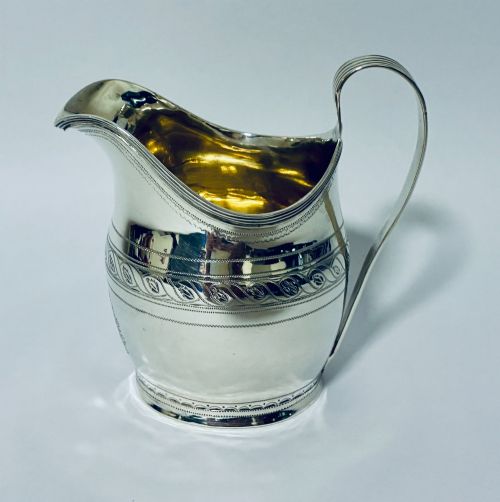
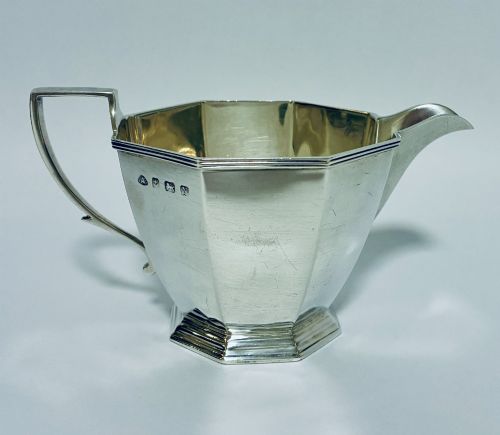
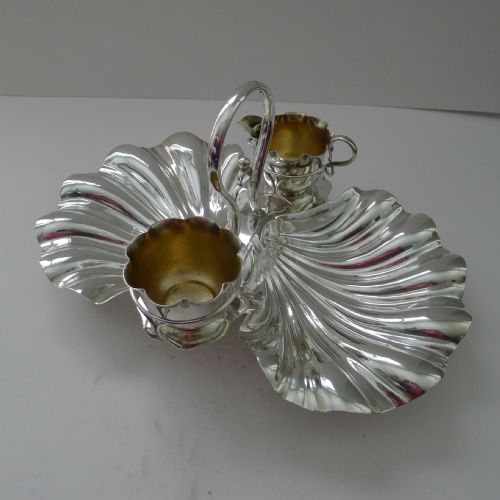


Gilt Interior Cream Jug
A gilt interior cream jug brings a flash of bright gold to the tea table every time you pour.
Gilt Interior Cream Jug
When you search for a gilt interior cream jug, you find small vessels designed to hold cream or milk for tea service, finished with a golden wash inside the bowl. These pieces appear across Georgian, Victorian, and later periods in forms ranging from simple individual jugs to parts of larger tea and coffee services. Most examples on offer are rendered in sterling silver or silver plate with a distinct gold lining visible over the rim.
The assortment spans traditional Georgian designs alongside later Victorian and 1930 variants, reflecting changes in domestic tableware over generations. Makers shaped these vessels as dedicated cream jugs, milk jugs, or paired sets alongside sugar bowls and larger tea services. Each piece combines a practical spout and handle with the decorative contrast of silver exterior and gold interior.
How they were made
Silversmiths constructed these jugs from sterling silver or applied silver and gold plating over base metals such as copper and nickel silver. The body of the vessel was typically shaped through hammering, casting, or silver plating techniques before the application of the interior finish.
The characteristic gilt interior was achieved through a process of gold washing or fire gilding, bonding a thin layer of gold to the silver surface. This method protected the silver from the corrosive acids in dairy cream while creating a striking visual contrast when poured.
Listings feature sterling silver, silver plate, and gold wash materials across Georgian, Victorian, and later periods.
What varies in quality
The division between ordinary and exceptional pieces lies in the crispness of the chasing, the weight of the metal, and the preservation of the interior gold wash. Heavier gauge silver provides a more substantial feel in the hand, whereas thinner plated items show wear through to the underlying copper over decades of use.
Quality also rests on the integrity of the gilding itself, as heavy use and cleaning thin the gold layer inside the bowl. Superior examples retain a rich, even golden tone that contrasts sharply with the polished exterior silver.
Daniel Arter·Joseph Craddock
The Gilt Interior Cream Jug Glossary
- Gilt interior
- A gold wash applied to the inside of a silver vessel. This technique prevents dairy acids from tarnishing the silver and adds a bright decorative flash.
- Sterling silver
- An alloy consisting of pure silver and other metals, usually copper, meeting a specific standard of fineness. It forms the primary metal for traditional tea wares.
- Silver plate
- A layer of pure silver bonded to a base metal core such as copper or nickel silver. It offered a more affordable alternative to solid sterling wares.
- Sheffield plate
- An early form of plate created by fusing a sheet of silver to a copper ingot before rolling them together. This method produces distinctive edge seams on older wares.
Gilt Interior Cream Jug: Frequently Asked Questions
Why did they gild the inside of cream jugs?
Makers applied a gold wash to protect the reactive silver from the lactic acid found in dairy cream. Without this protective layer, milk and cream would tarnish and pit the interior surface over time.
This practical necessity also produced a pleasant aesthetic effect, offering a flash of bright gold every time the vessel was tipped to pour.
How do I clean a gilt interior cream jug?
Cleaning requires mild warm water and a soft cloth to avoid wearing away the thin layer of gold wash inside the bowl. Avoid abrasive silver dips or harsh polishes that strip the gilding from the base metal.
Gentle care preserves both the exterior silver shine and the delicate gold lining for daily use on the tea table.
Can I use an antique cream jug for daily tea service?
These vessels are sturdy enough for regular domestic use, provided they are washed by hand rather than placed in a dishwasher. The durable construction of sterling and plated silver suits modern entertaining just as it did in past centuries.
Careful handling ensures the handle, spout, and gilt interior remain undamaged through regular service.
How do I tell Georgian jugs from Victorian ones?
Georgian examples generally display simpler neoclassical lines or restrained hand-hammered forms with classical proportions. Victorian pieces often feature heavier ornamentation, cast scrollwork, or extensive engraving reflecting later industrial manufacturing techniques.
Checking hallmarks and stylistic details helps narrow down the exact period of manufacture.