


Regency Silver Cream Jug
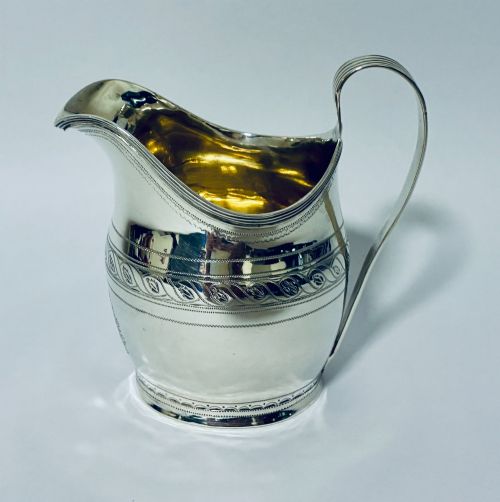
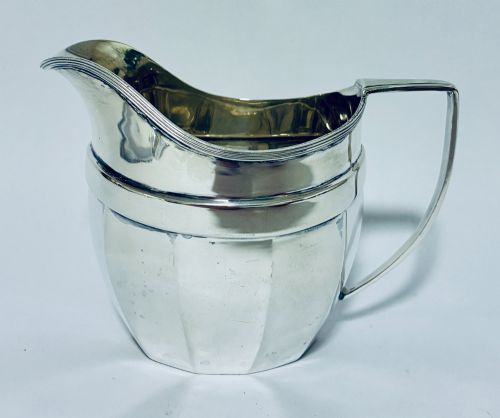
These regency silver cream jug examples bring distinctive Georgian form and bright metal to the tea table, prized for their classic lines and bright metal.
Regency Silver Cream Jug
A regency silver cream jug is typically encountered as a Georgian form designed for pouring cream or milk during tea service. These pieces frequently appear alongside tea sets, sugar bowls, and larger service components.
The materials and styles span sterling silver, silver plate, and copper bases, often carrying the hallmarks of Georgian silversmiths. Collectors will encounter provincial pieces, Irish silver examples, and full sized tea service components.
Most items on this page trace their origins to the early nineteenth century, aligning with the Regency and wider Georgian periods. The forms range from simple milk jugs to heavily decorated vessels adorned with grape vine and leaf motifs.
Manufacturing and materials
Makers shaped sterling silver and Sheffield plate over copper, employing traditional silversmithing techniques to raise and form the body of each jug. Many interiors feature a gold wash or gilt finish, adding a rich contrast to the exterior silver.
Decoration was applied through hand-embossing and casting, evident in the detailed grape vine and leaf motifs found on finer tea service pieces. Hallmarks were stamped directly into the metal to denote the assay office, standard, and date of manufacture.
Some jugs wear tiny gold waistcoats inside, keeping the dairy safe from tarnish.
Assessing quality
Quality rests upon the crispness of the chasing and the weight of the metal utilised in the body of the jug. Pieces with deeply embossed botanical decoration and intact gilt interiors demonstrate superior craftsmanship.
The presence of clear hallmarks and documented provincial or Irish origins elevates an item above standard domestic ware. Integration within a matched tea set also distinguishes the finest surviving examples from individual pieces.
Benjamin Smith
The Regency Silver Cream Jug Glossary
- Sterling silver
- A silver alloy containing 92.5 percent pure silver and 7.5 percent other metals, usually copper. This standard forms the baseline for the majority of quality antique tableware.
- Silver plate
- A base metal, such as copper or Britannia metal, coated with a thin layer of pure silver. Sheffield plating involves fusing a sheet of silver to a copper ingot.
- Gilt
- A thin layer of gold applied to the interior surface of a silver vessel. This technique protected the silver from the acidic nature of dairy products.
- Hallmark
- An official stamp applied by an assay office to indicate the purity of the metal, the maker, and the year of production. These marks are crucial for dating antique silver.
- Provincial
- A term used to describe items made outside the major manufacturing hubs like London. Provincial pieces often display unique local design characteristics.
Regency Silver Cream Jug: Frequently Asked Questions
How were these jugs used?
These vessels were utilised at the dining or tea table to dispense cream or milk into tea. They formed part of a matched or collected tea service alongside teapots and sugar bowls.
Their presence added both utility and a display of wealth to formal household gatherings.
How do I identify a Georgian piece?
Identification relies heavily on examining the stamped hallmarks for date letters, monarch profiles, and assay office symbols. The style of the handle, spout, and body proportions also point directly to the early nineteenth century.
Provincial items may carry distinct maker marks that differentiate them from London work.
Why do some jugs have gold inside?
The interior gold wash, or gilt, protected the underlying silver from tarnishing and chemical reaction when exposed to dairy. It also provided a luxurious visual contrast when cream was poured.
This finish is frequently found on better quality tea service components from the period.