



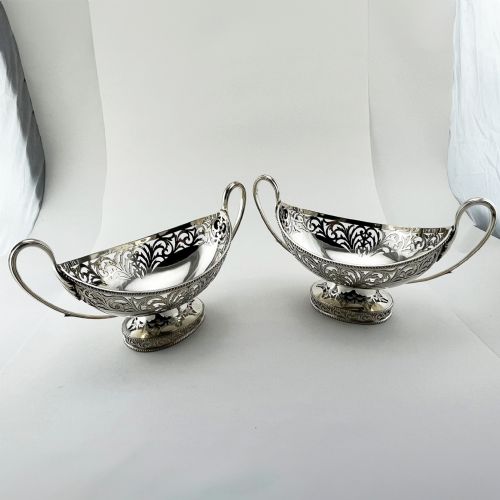


Victorian Sheffield Plate
Victorian Sheffield plate combines copper and silver layers to form durable tableware and lighting items that retain the warm presence of solid metal.
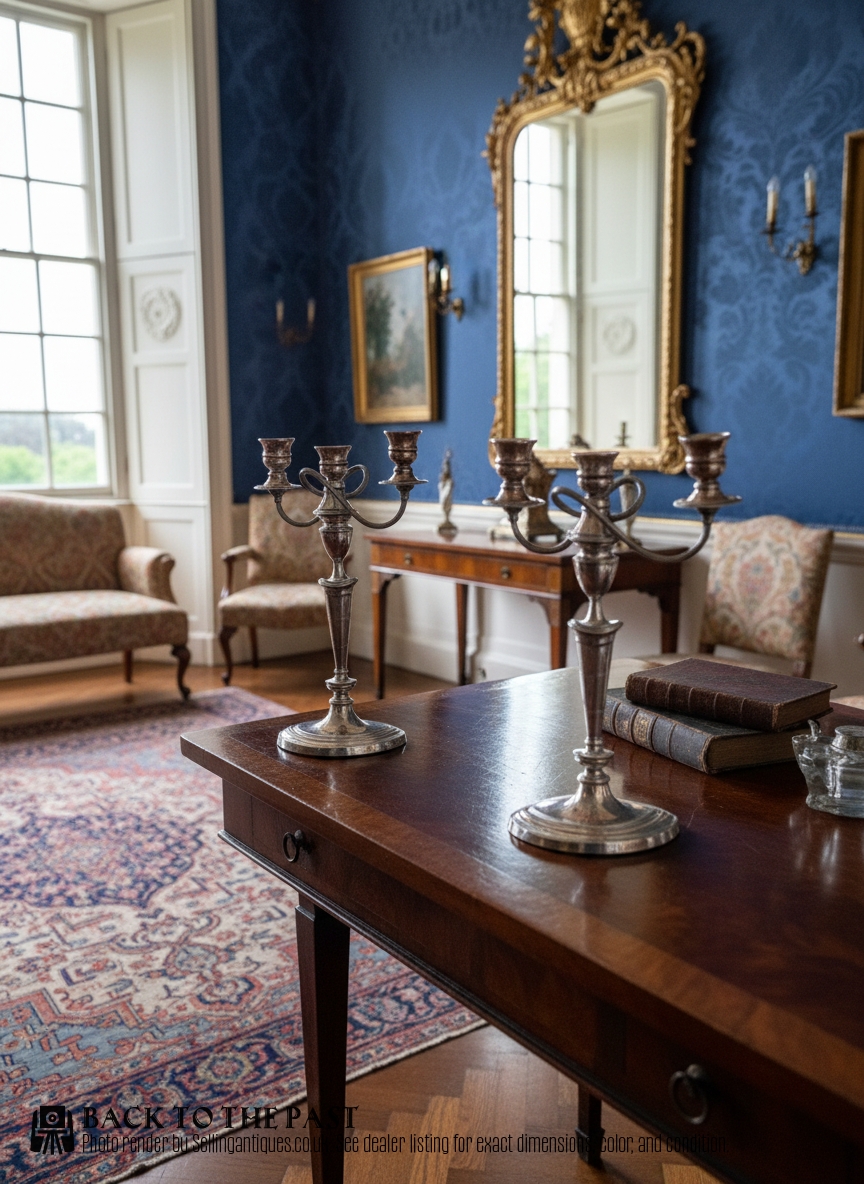
Victorian Sheffield Plate
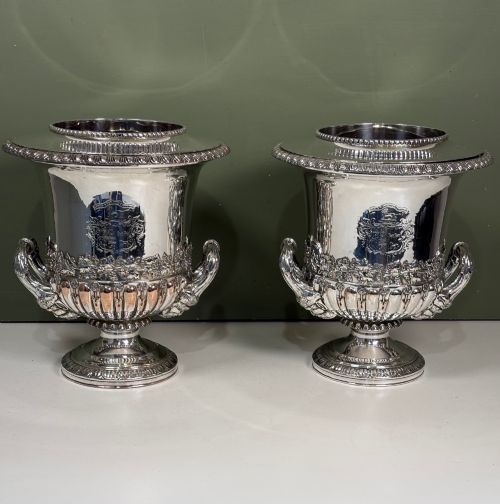
Victorian Sheffield plate covers domestic and dining metalware produced during the nineteenth century, including wine coolers, candlesticks, tea urns, and serving trays. These objects span periods from the Georgian era through late Victorian times, reflecting shifts in dining habits and interior decoration.
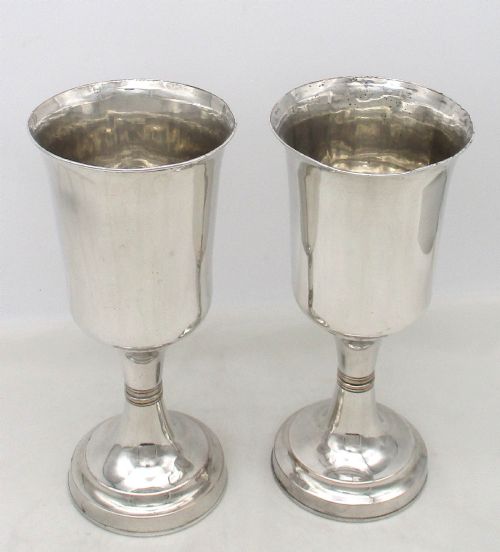
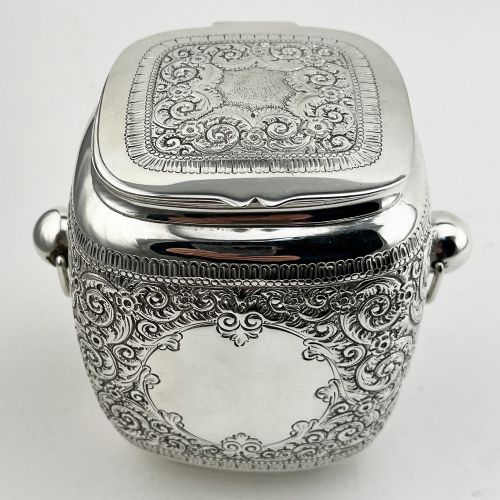
The items most frequently met on this page include pairs of candlesticks, serving dishes, and tea or coffee vessels. Domestic utensils such as biscuit boxes, crumb scoops, and toast racks also appear alongside larger ecclesiastical chalices and jugs.
Makers often stamped their pieces with identifying marks, recording firms that operated workshops in Sheffield. The survival of these pieces demonstrates the utilitarian purpose they served in period households.
How they were made
Old Sheffield plate was produced by fusing a layer of silver to a thicker base of copper, creating a composite sheet that was then formed into hollowware and flatware. This fusion method predated electroplating and required careful hammering, rolling, and soldering.
Electroplating, abbreviated as EPNS, emerged later in the period, using an electrical current to deposit a silver coating directly onto base metal foundations such as nickel silver. This technique allowed for greater speed and the application of silver to complex cast forms.
Decorative elements such as borders, handles, and feet were often shaped separately through casting or stamping before being soldered or riveted to the main body of the object.
Sea-creature whimsy arrived at the Victorian table via silver-plated whelk shell spoon warmers and nautilus shell dishes.
What varies in quality
The standard of production depends on the crispness of chased or engraved details and the integrity of the underlying metal. Pieces displaying deep relief work and substantial gauge metal show greater durability.
Surface preservation affects the character of the object, particularly where copper shows softly through areas of worn silver plating. The original weight of the piece and the balance of its construction indicate the skill applied during manufacture.
Martin Hall & Co·Thomas Bradbury·Walker & Hall·Padley Parkin·Walker Knowles·Elkington·J Dixon & Sons·Dan Holy·James Deakin·Lee & Wigfull·R Richardson·Fenton Bros·Hawksworth Eyre Co·Atkin Brothers·William Briggs·W Briggs·The Slater Brothers·Creswick & Co
The Victorian Sheffield Plate Glossary
- Old Sheffield Plate
- A composite material formed by fusing a silver sheet onto a copper ingot before rolling them together into plates. This technique produced items with distinct edge seams where the base metal is visible.
- EPNS
- Electroplated Nickel Silver, a method introduced in the nineteenth century that applied a thin coat of silver using electrolysis. This process replaced older fusion methods for many manufactured items.
- Hollowware
- Tableware items such as teapots, jugs, and urns that have hollow bodies rather than being solid metal. These forms required skilled smithing to shape from sheet metal.
- Salver
- A serving tray, usually circular and raised on feet, used for presenting drinks or documents. These pieces often feature decorative pierced borders or engraved crests.
- Candelabra
- A branched candlestick holding multiple lights, often incorporating removable branches to function as single candlesticks. They formed centrepieces for formal dining tables.
Victorian Sheffield Plate: Frequently Asked Questions
What is Old Sheffield plate?
Old Sheffield plate is an early form of silver plating created by thermally fusing a sheet of silver onto a copper base. The combined metal sheet was then worked into tableware, serving dishes, and candlesticks.
Over time, handling and polishing can cause the silver layer to wear thin at high points, revealing the ruddy copper underneath. This natural wear is characteristic of pieces made before the invention of electroplating.
How do I clean Sheffield plate?
Cleaning requires a gentle silver cloth and mild soapy water, avoiding abrasive pastes that strip away thin layers of metal. Because many older pieces have thin plating, harsh scrubbing can damage the surface permanently.
Store items away from damp environments and direct sunlight to prevent tarnishing and to protect any glass or wooden components attached to the metalwork.
How do I spot electroplate?
Electroplated items, often marked EPNS, display an even, unbroken silver surface without the characteristic copper edge lines seen in fused plate. The introduction of electricity allowed makers to plate complex cast shapes uniformly.
Makers' marks stamped onto the base often include specific initials or symbols denoting electroplating processes rather than traditional fusion methods.
Were these items used daily?
Nineteenth-century households utilised these silver-plated vessels for tea service, dining, and ecclesiastical rituals. Tea urns, coffee pots, and wine coolers formed central parts of formal hospitality.
Heavier items like meat trays and warming dishes helped maintain food temperatures during long dinner services in large country houses and urban dining rooms.