
Victorian Candelabra Pair
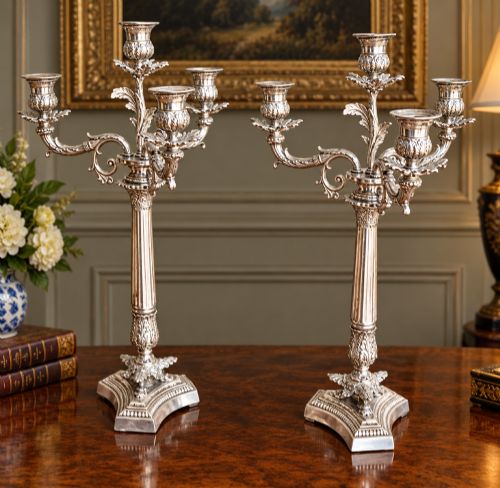
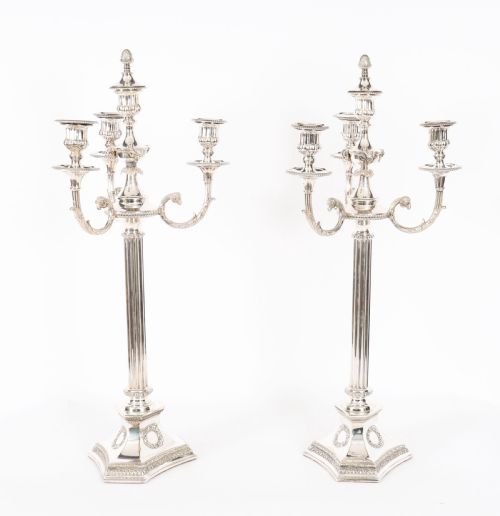
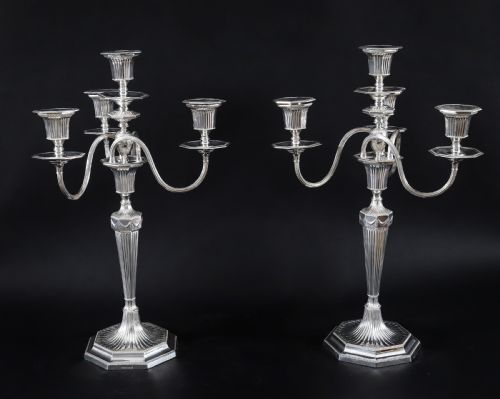
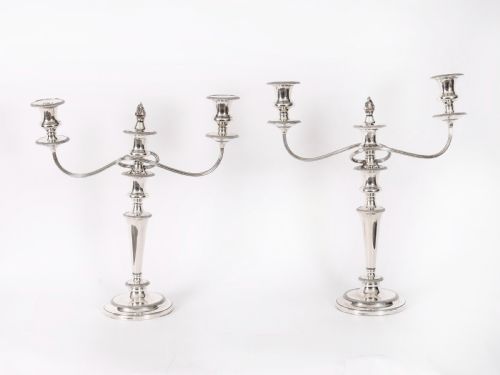
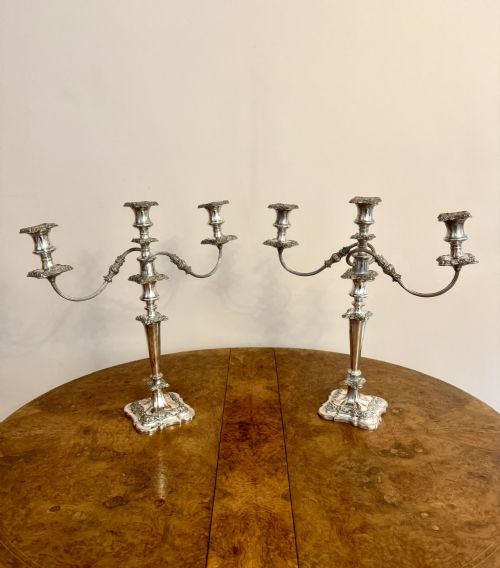
A victorian candelabra pair brings nineteenth-century illumination and formal symmetry to a room, offering multiple candle arms in silver plate, brass, or bronze.
Victorian Candelabra Pair
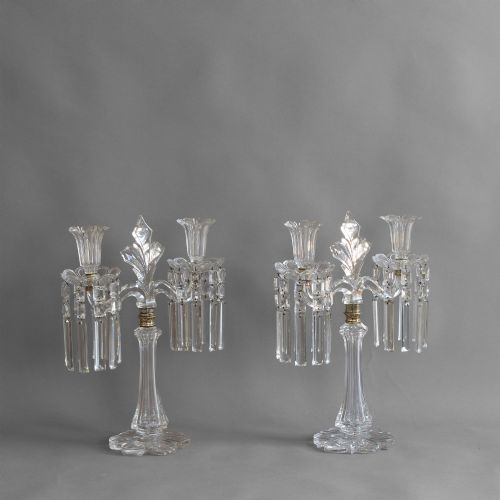
A victorian candelabra pair typically comprises two matching multi-light candleholders designed for a dining table, mantelpiece, or sideboard. These objects emerge primarily from nineteenth-century manufacturing traditions spanning the early decades through to the Edwardian transition.
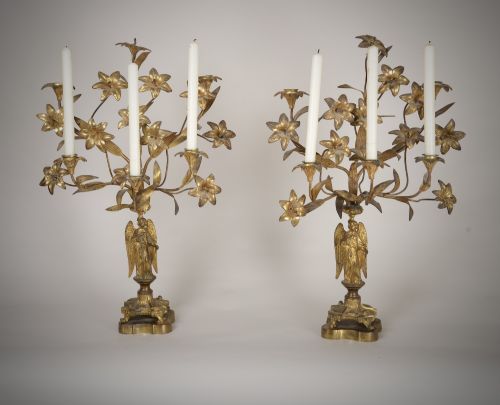
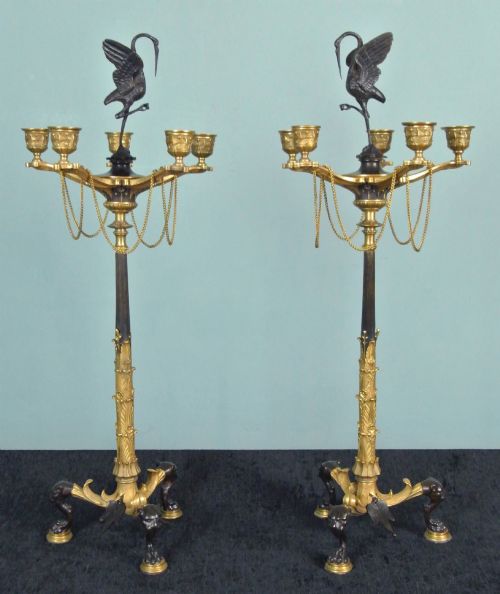
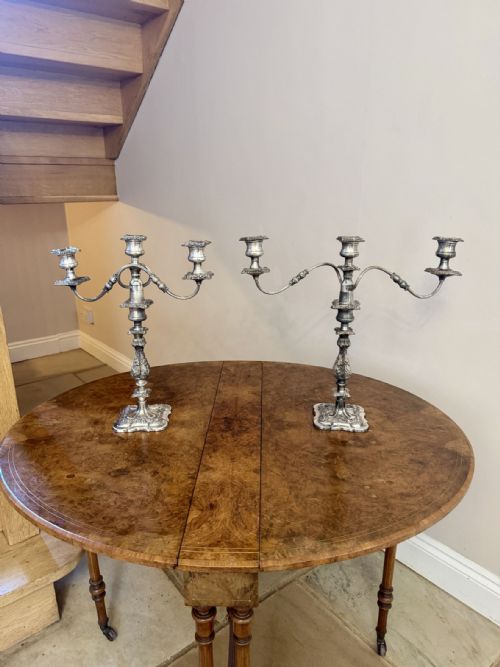
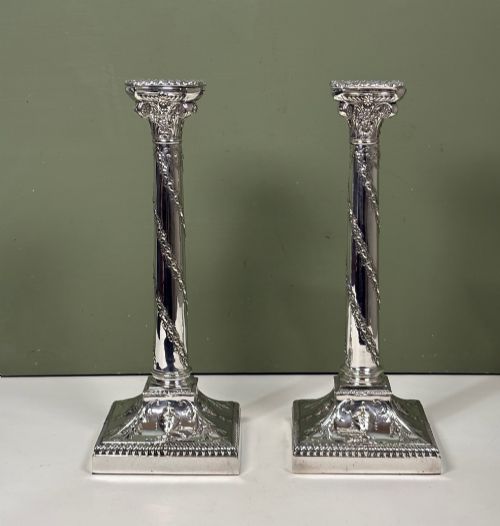
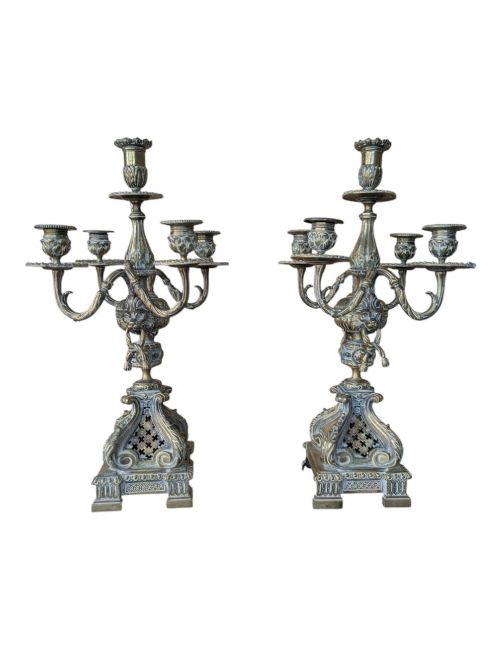
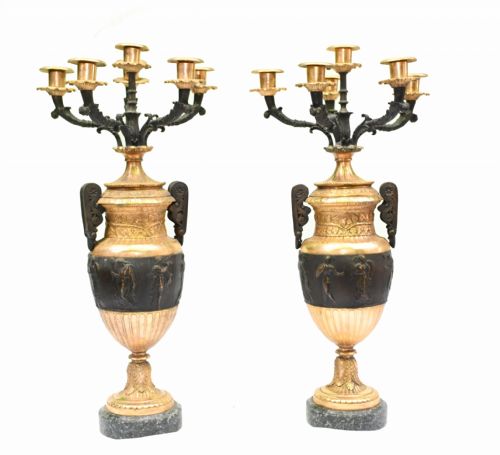
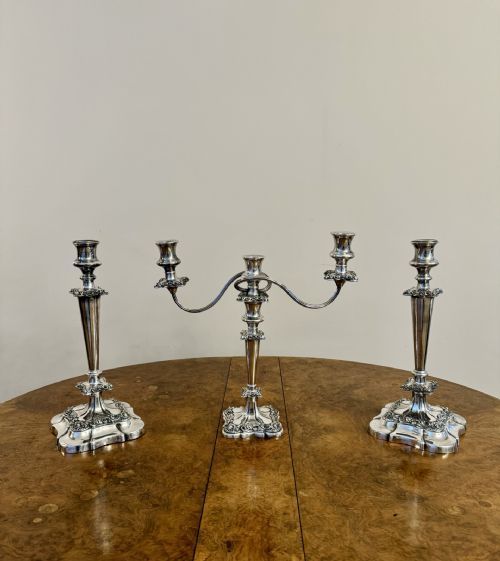
The dominant forms on this page include silver-plated and brass examples, alongside heavier cast bronze, ormolu, and marble combinations. Makers adopted diverse historicist movements, producing Gothic revival, Neoclassical, and French Rococo designs.
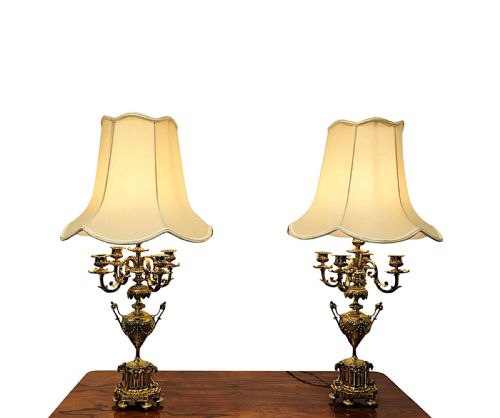
Beyond standard table models, collectors encounter wall sconces, clock garnitures, and convertible pieces adapted for electricity. Pairs vary from simple two-arm configurations to elaborate structures carrying seven lights.
Materials and Construction
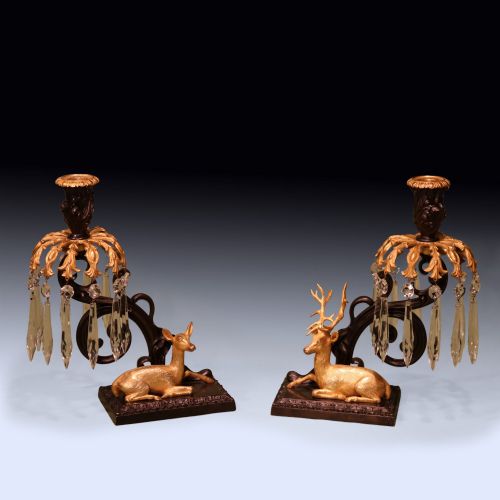
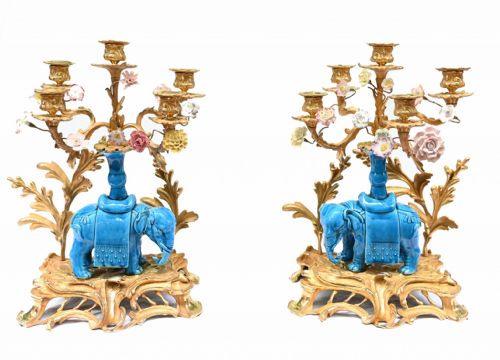
Foundry workers utilised brass, bronze, and spelter for cast metal bodies, frequently applying silver plating, gilding, or ormolu finishes to create a polished surface. Ormolu and gilt bronze components provide rich golden tones that contrast with dark patinated bronze figures.
Marble bases and inset panels of champleve enamel or porcelain add colour and structural weight to the heavier candle stands. Artisans assembled these multi-part items using threaded rods and screws, allowing for complex branching arms and drip pans.
Stag and doe figures occasionally support the candle sockets, bringing unexpected wildlife into formal Victorian dining rooms.
Assessing Craftsmanship and Weight
Quality rests upon the crispness of the cast ornamentation and the weight of the base materials used in the construction. Superior examples feature deeply chased detailing on foliage, figures, and scrollwork, whereas inferior pieces rely on softer, shallower casting.
The thickness and uniformity of the silver plate or gilding determine the longevity of the finish under cleaning and handling. Heavier gauge brass and bronze impart stability to taller multi-arm stands, preventing the top-heavy lean seen in lighter specimens.
Hawksworth Eyre·Garrard And Co·Thomas Hope·Wm Tonks And Sons·Royal Worcester Hadley·Liberty·Elkington·James Dixon·H Woodward
The Victorian Candelabra Pair Glossary
- Candelabra
- A branched candleholder equipped with multiple arms extending from a central shaft. These objects support several candles simultaneously.
- Ormolu
- Finely ground high-carat gold applied to a bronze base using a mercury amalgam technique. This decorative coating gives a bright golden finish to nineteenth-century metalwork.
- Champleve
- An enamelling technique where troughs or cells are hollowed out of a metal surface and filled with vitreous enamel before firing. The resulting coloured patterns sit flush with the surrounding metal.
- Garniture
- A set of decorative objects designed to be displayed together, typically consisting of a central clock flanked by matching candelabras or vases. These sets dominated Victorian mantelpieces.
- Spelter
- A zinc alloy utilised as a cheaper alternative to bronze for cast figures and decorative bases. It requires plating or painting to imitate more expensive metals.
Victorian Candelabra Pair: Frequently Asked Questions
How do I clean silver-plated candelabras?
Use a soft cloth and a specialised silver polish designed to protect thin plated layers from abrasive wear. Avoid harsh dipping solutions that strip underlying base metals.
Were these candelabras converted to electricity?
Many nineteenth-century examples underwent later conversions to house electric wiring and lamp fittings. Collectors often choose to retain these functional adaptations or restore them to hold standard candles.
How can I tell if a piece is brass or bronze?
Bronze typically exhibits a darker, richer patina and heavier weight compared to bright yellow brass. Magnet testing and examining unpolished interior surfaces help confirm the primary metal alloy.