


Rococo Revival Tray
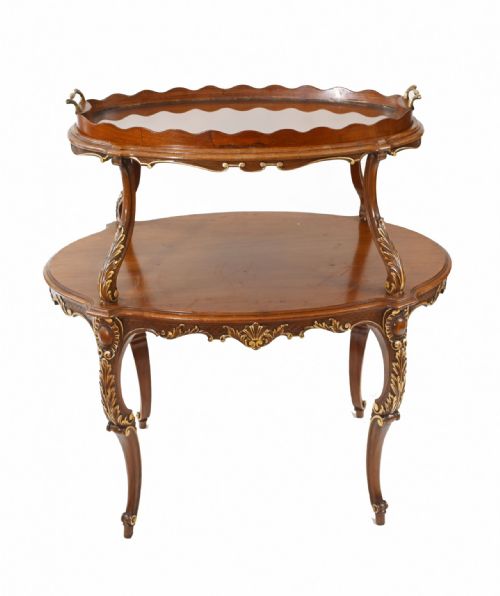
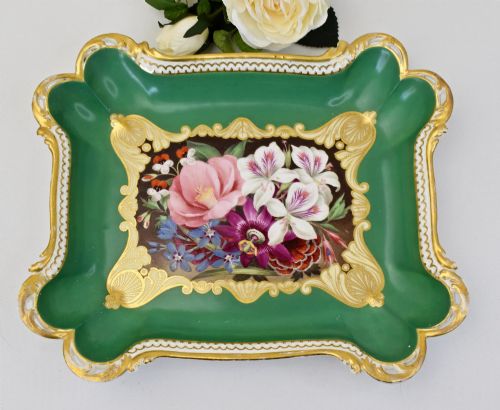
These rococo revival tray pieces bring exuberant asymmetrical scrollwork and botanical motifs to domestic surfaces.
Rococo Revival Tray
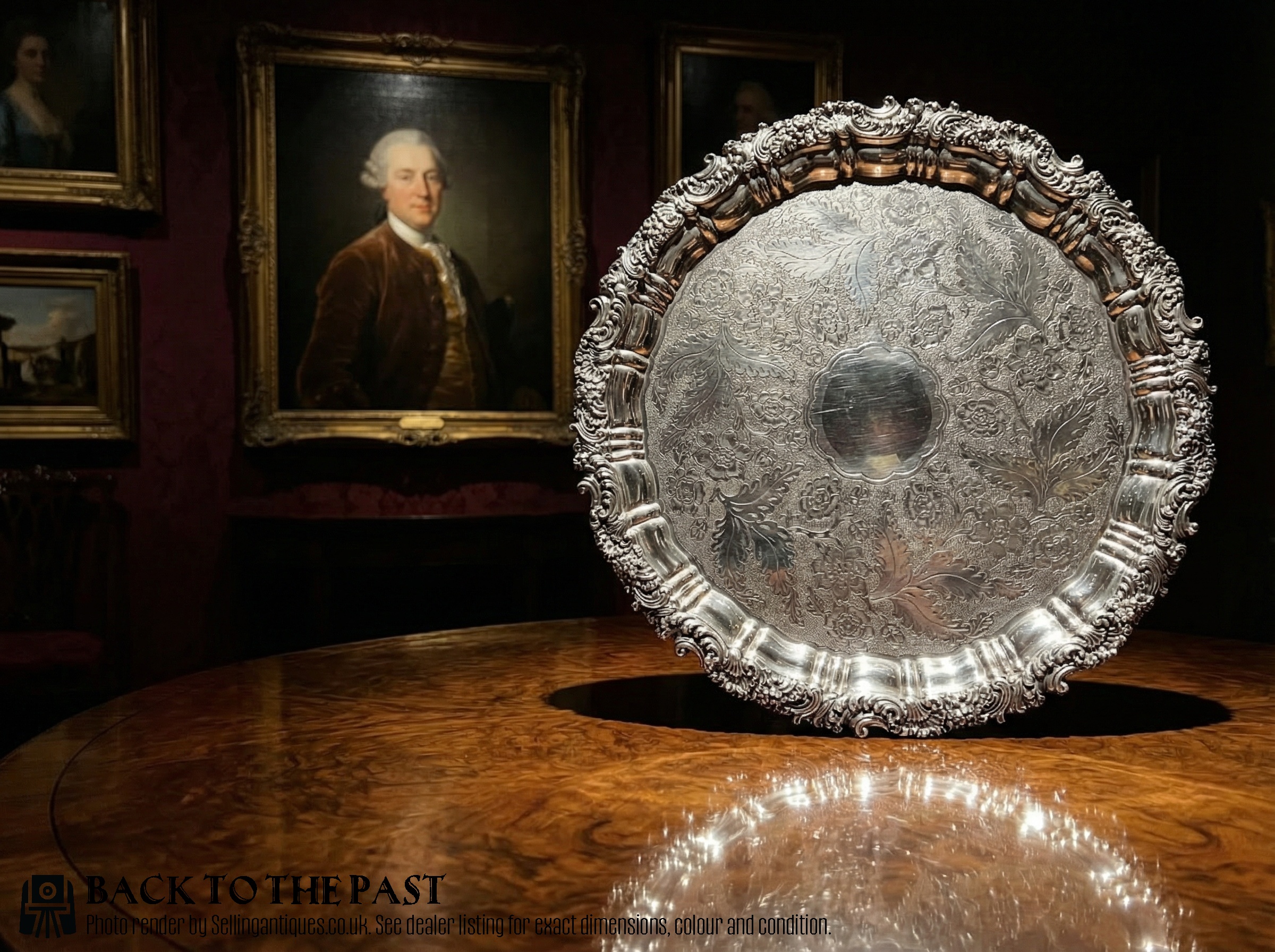
A rococo revival tray brings together ornate serpentine borders, C-scrolls, and asymmetrical cartouches inspired by mid-eighteenth-century French design. Buyers searching this phrase encounter serving dishes, salvers, and desk accessories spanning the Victorian and Edwardian periods.
Assessing quality
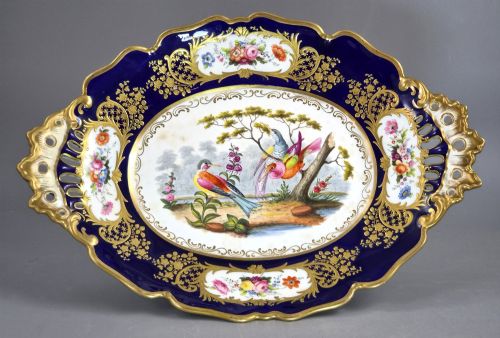
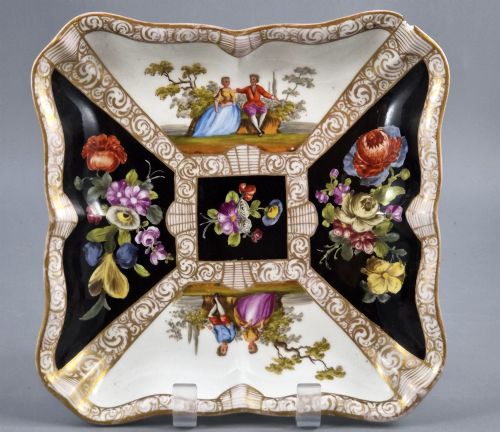
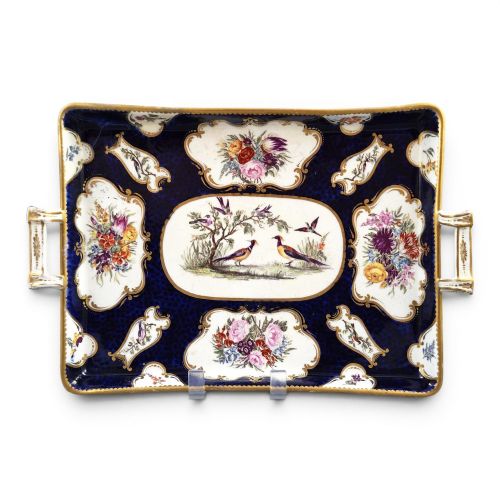
Quality rests upon the crispness of the cast or hand-chased ornament along the borders and the fidelity of the painted scenes. Superior porcelain pieces display finely detailed avian or figural subjects set against unblemished coloured grounds.
Metal items derive distinction from the weight of the silver plate or brass and the structural integrity of applied handles and feet. The subtlety of the gilding and the balance of the scrollwork distinguish finer workshop output.
One determined maker produced trays featuring exotic birds that appear ready to peck at the morning toast.
Coalport·Meissen·Copeland and Garrett·Doe and Rogers·Padley Parkin·Samson Paris·Minton·William Comyns·Alt Wien
The Rococo Revival Tray Glossary
- Rococo Revival
- A nineteenth-century design movement that reinterprets the ornate, asymmetrical scrolls and naturalistic motifs of the mid-eighteenth-century French court. It dominates the decorative arts of the Victorian era.
- Hard-paste porcelain
- A durable ceramic composition fired at high temperatures, providing a smooth, vitrified body ideal for detailed polychrome painting and gilding. It forms the basis of many nineteenth-century continental and English decorative dishes.
- Old Sheffield Plated
- A composite material created by fusing a thin sheet of silver to a thicker copper base under high heat. This technique predates modern electroplating and produces items with a warm, distinctive metallic lustre.
- Salver
- A flat metal tray, usually circular and supported on small feet, used for serving drinks or presenting cards. In nineteenth-century interiors, these pieces often feature heavily chased scroll borders.
- Bleu Céleste
- A bright turquoise blue ground colour popular on European porcelain, notably utilised at Sèvres and later factories. It provides a striking backdrop for painted floral or pastoral panels.
Rococo Revival Tray: Frequently Asked Questions
What is a rococo revival tray?
A rococo revival tray is a decorative or serving piece featuring the sweeping curves, asymmetrical cartouches, and floral motifs characteristic of nineteenth-century interpretations of earlier French design.
These items are typically fashioned from porcelain, silver plate, or brass, serving both ornamental and utilitarian functions in period interiors.
How were these trays used?
In nineteenth-century homes, these trays served multiple purposes ranging from formal tea service to desk organisation and calling-card presentation.
Larger silver-plated examples functioned as serving dishes, whilst smaller porcelain dishes and brass inkstands accessorised the dressing table or writing desk.
How do I date these pieces?
Dating relies on identifying factory marks, material compositions, and stylistic nuances recorded in the manufacturing history. Victorian pieces often combine neoclassical rigidity with exuberant scrollwork.
Examining the base material, such as distinguishing Old Sheffield Plate from later electroplate, provides a reliable chronological anchor.
How do I care for silver plate?
Silver-plated items require gentle cleaning with non-abrasive polishes to preserve the thin silver layer over the base metal. Regular dusting and storage away from direct sunlight prevent premature tarnishing.
Harsh chemical dips should be avoided to protect chased details and soldered joints.
How should I clean porcelain dishes?
Porcelain trays demand careful hand-washing in lukewarm water with mild soap, avoiding abrasive sponges that might scratch the painted reserves or gilding. Enamelled and gold-leaf surfaces are particularly sensitive to harsh detergents.
Proper drying with a soft cloth prevents moisture accumulation around mounts and foot rims.