


Victorian Royal Pair
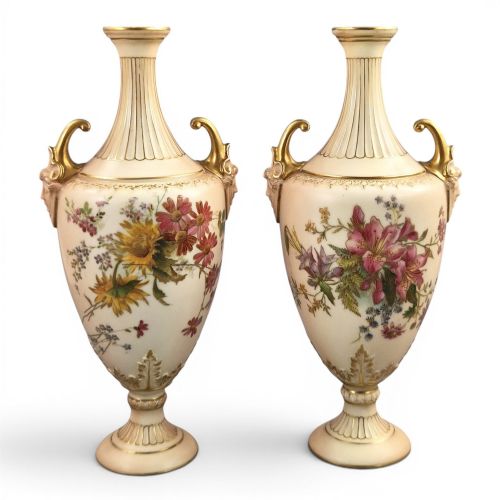
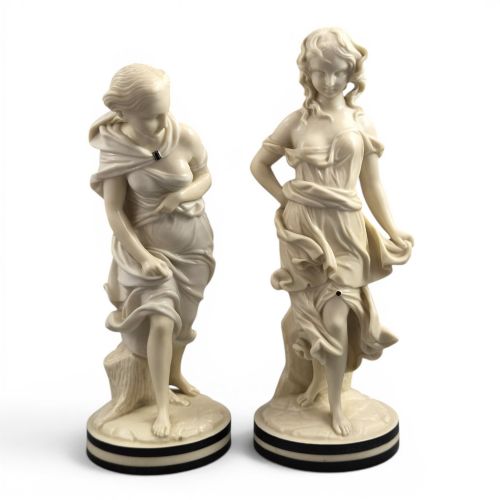
A victorian royal pair brings together matching factory-made decorative and figural ceramics from the nineteenth century for balanced mantel or table display.
Victorian Royal Pair
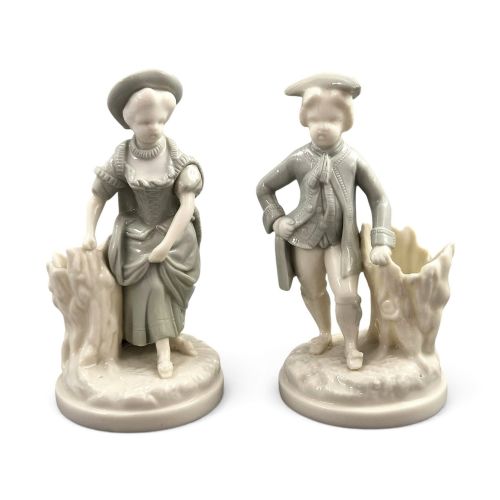
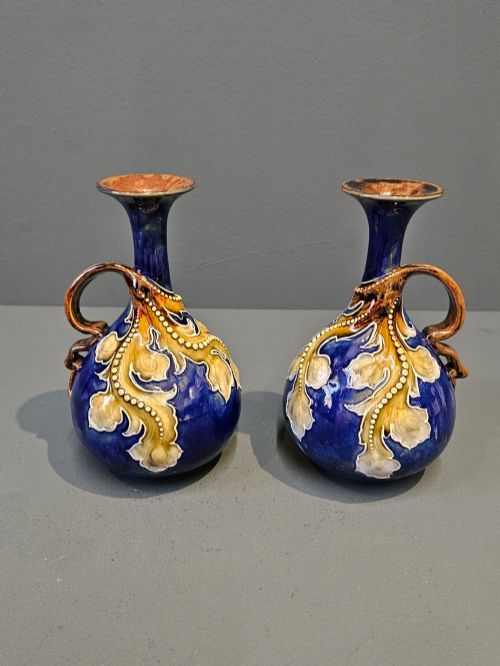
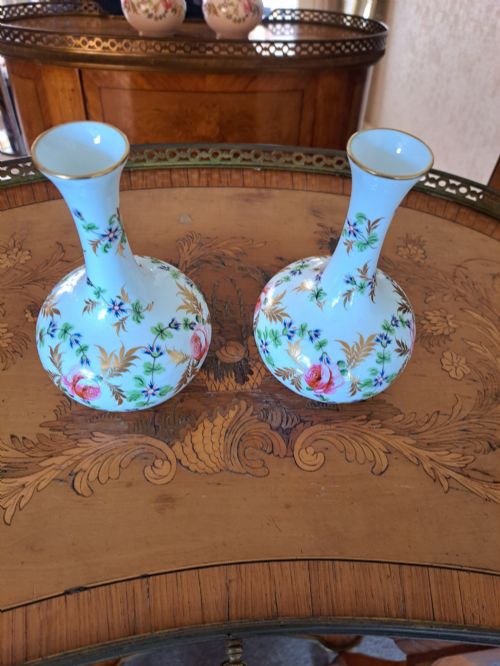
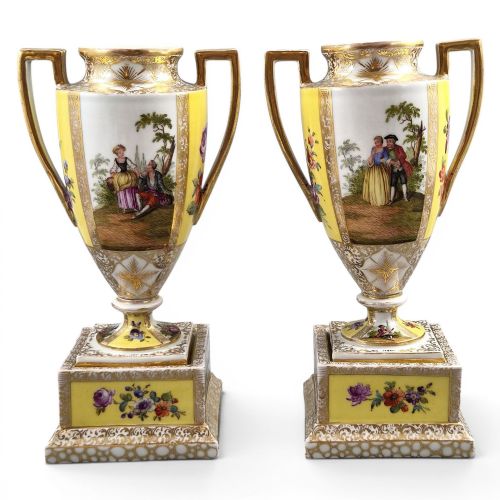
When searching for a victorian royal pair, collectors encounter matched sets of porcelain, earthenware, and stoneware produced by major British and continental potteries. These matching items typically take the form of twin vases, decorative ewers, candelabra, and figural groups representing people or animals.
The objects stem from prominent nineteenth-century production centres including Royal Worcester, Doulton, Staffordshire potteries, and Royal Vienna. Most examples date from the Victorian and Edwardian eras, reflecting the period taste for symmetrical arrangement in domestic interiors.
Materials and Techniques
The pieces rely on ceramic bodies shaped through casting or moulding, then finished with painted glazes, enamel, and metallic embellishments. Many items incorporate raised gilding and gold leaf applied to porcelain or earthenware surfaces.
Makers utilised specialised techniques such as blush ivory grounds, transfer printing, and hand-painted details by named artists. Stoneware and majolica pieces involve distinct firing processes to achieve deep colour saturation and textured surface patterns.
Factors of Quality
The preservation of original gilding and enamel pigments without restoration distinguishes better examples from heavily worn items. Consistency between the two matching objects in a pair indicates careful original manufacture and selection.
Royal Worcester·Doulton Lambeth·Crown Derby·Helena Wolfsohn Dresden·Royal Vienna·Royal Doulton·Doulton Burslem·Royal Dux·Kerr and Binns·Johnstone and Jeanes
The Victorian Royal Pair Glossary
- Blush ivory
- A soft, creamy-pink ceramic glaze developed and utilised extensively by Royal Worcester during the late nineteenth century. This matte finish provided an understated background for delicate floral hand-painting.
- Ewer
- A large jug with a wide spout and ornate handle, designed historically for water but produced in the Victorian period primarily as decorative mantel ornaments. Pairs of ewers often feature sculptural handles and elaborate gilding.
- Majolica
- A colourful, lead-glazed earthenware characterised by rich, flowing tones applied over moulded relief decoration. The technique gained immense popularity in Britain during the mid-Victorian era.
- Figurine
- A small modelled human or animal figure made from porcelain or earthenware. Victorian pairs often depicted historical personages, allegorical subjects, or children.
- Gilding
- The application of gold leaf or gold powder to ceramic surfaces to highlight borders, handles, and decorative motifs. High-quality gilding shows minimal rubbing and precise hand application.
Victorian Royal Pair: Frequently Asked Questions
How were pairs displayed in Victorian homes?
Matched pairs of vases, figures, and candelabra were traditionally arranged symmetrically on mantelpieces, credenzas, and side tables. This deliberate balance reflected the formal interior design conventions of the nineteenth century.
Owners often placed them flanking a central clock or mirror to create a unified focal point within the room.
What subjects do the figural pairs depict?
Figural pieces frequently portray royal personages, historical figures, allegorical characters, and exotic subjects such as water carriers or musicians. Staffordshire potteries specialised in popular portraits and animals.
Other manufacturers produced classical figures or romantic genre scenes modelled by prominent studio sculptors of the era.
How do I identify a Victorian ceramic mark?
Potteries stamped or painted their specific factory ciphers, registry numbers, and pattern codes directly onto the unglazed base of the object. These marks often include letters or symbols indicating the exact decade of manufacture.
Consulting manufacturer-specific reference guides helps match these symbols to production years and registered designers.
Are converted pieces still collectible?
Some functional items, such as tobacco jars, were later converted into lamps during subsequent eras to suit modern domestic lighting needs. Collectors weigh the original factory condition against the quality of the later conversion.
While unaltered pieces remain preferred by purists, professional conversions with secure wiring still find a place in period interiors.