


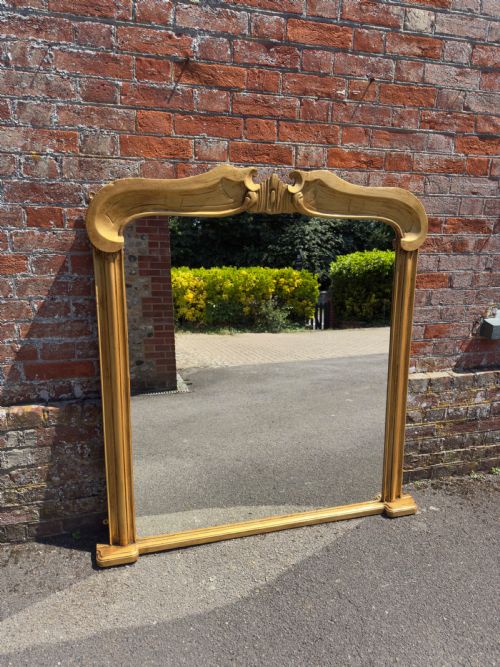
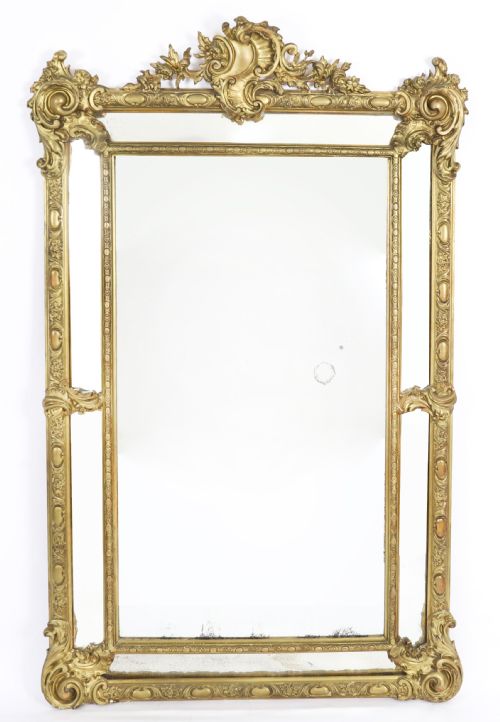
Victorian Rococo Revival Mirror
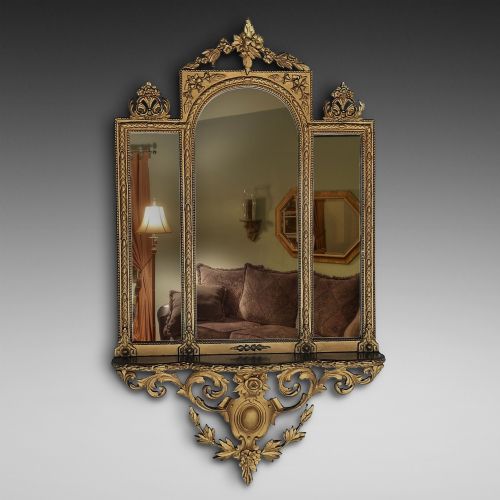
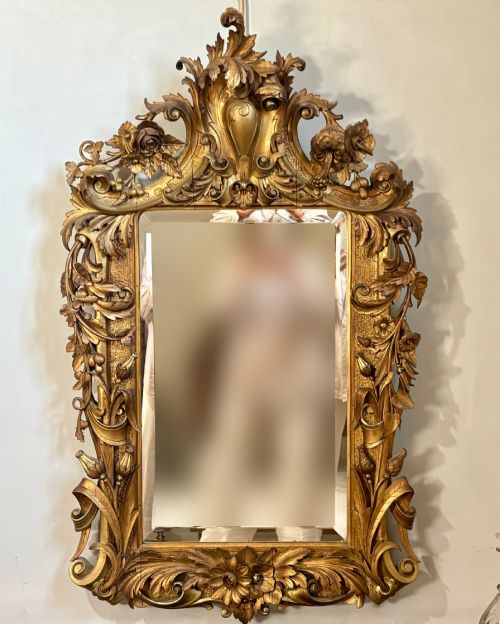
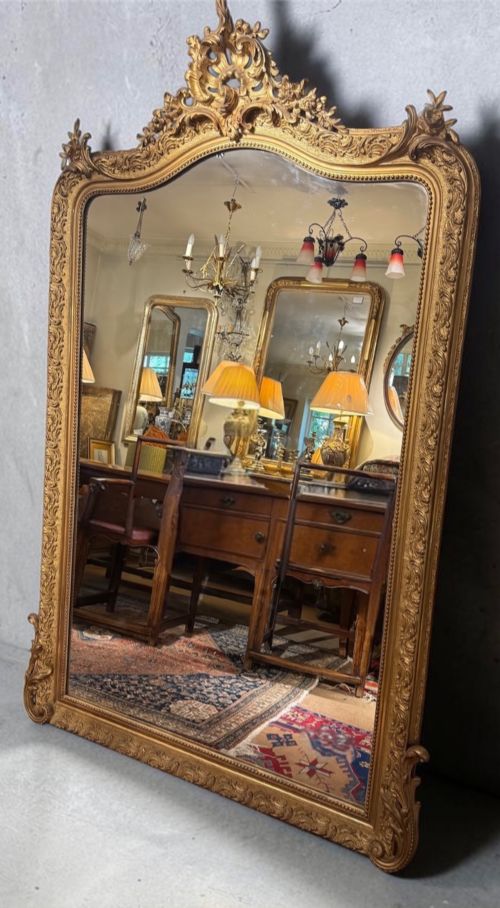
A victorian rococo revival mirror brings fluid scrolling lines and heavy gilt decoration into a room, offering both practical reflection and dramatic nineteenth century presence.
Victorian Rococo Revival Mirror
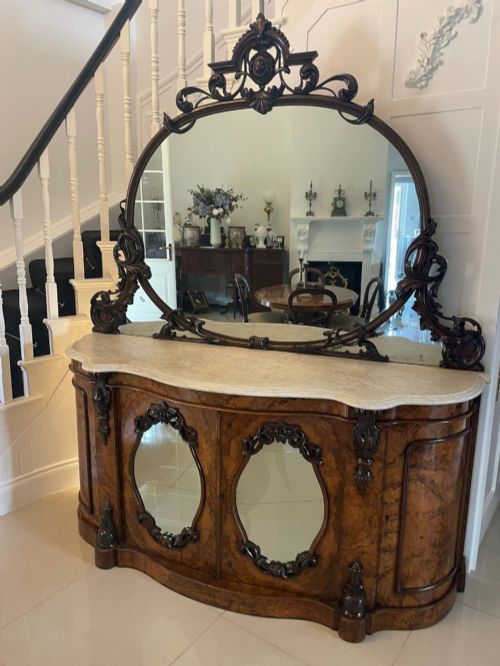
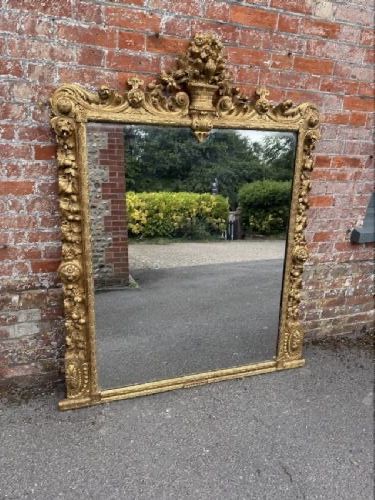
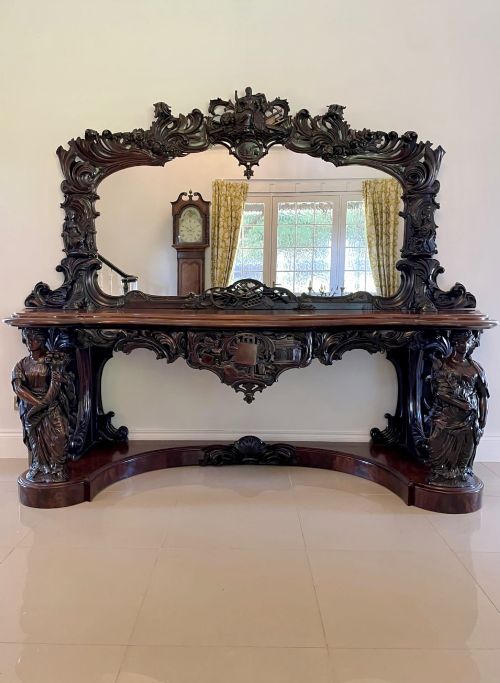
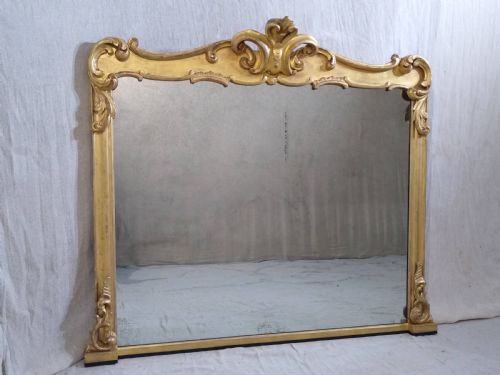
When you search for a victorian rococo revival mirror, you are looking at nineteenth century decorative frames that draw on earlier French eighteenth century asymmetry and naturalistic motifs. These pieces appear frequently as large wall mirrors and imposing overmantels designed to sit above a fireplace.
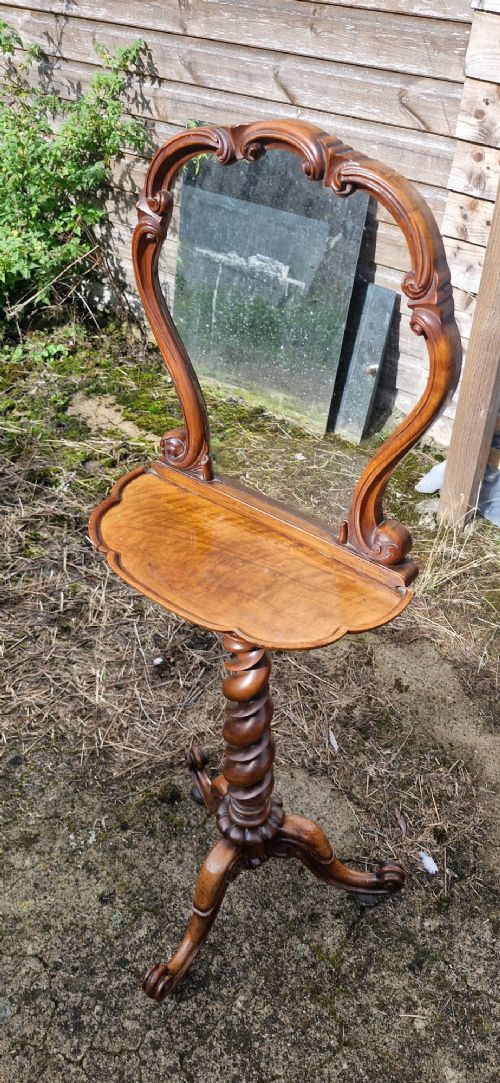
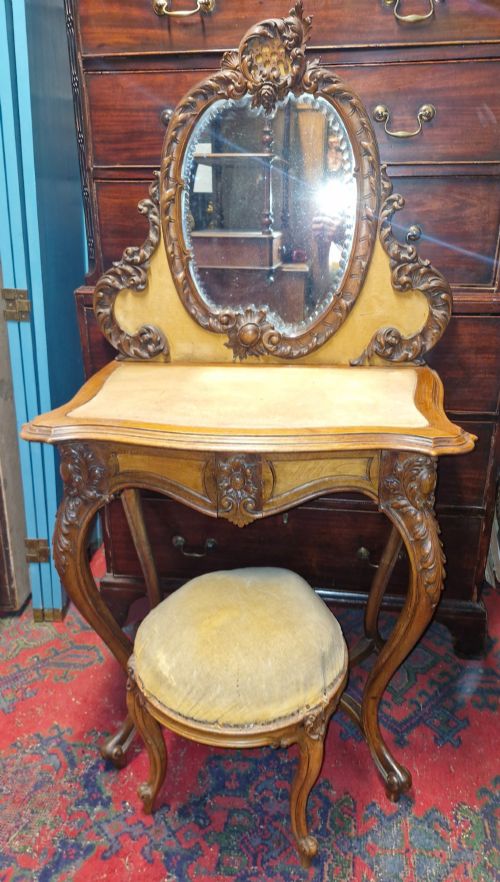
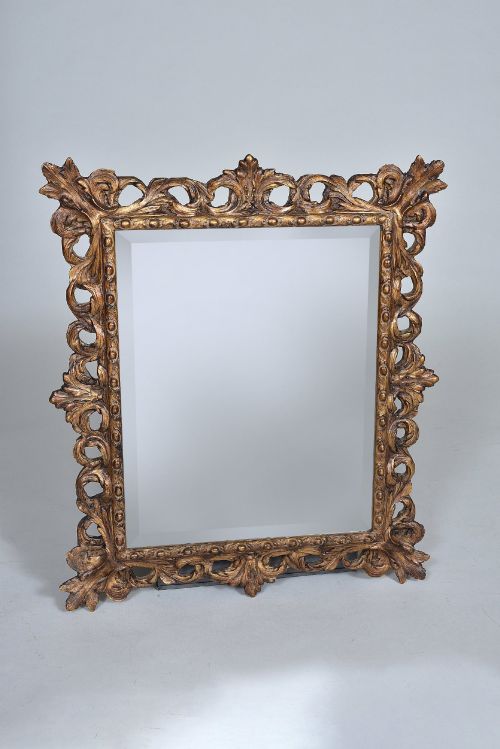
The selections on this page span the mid to late nineteenth century, taking the form of giltwood wall pieces, shaped top overmantels, and occasional dressing mirrors. Alongside English craftsmanship, you will find continental examples showing French and Italian influence through cartouche shapes and elaborate pediments.
How They Were Made
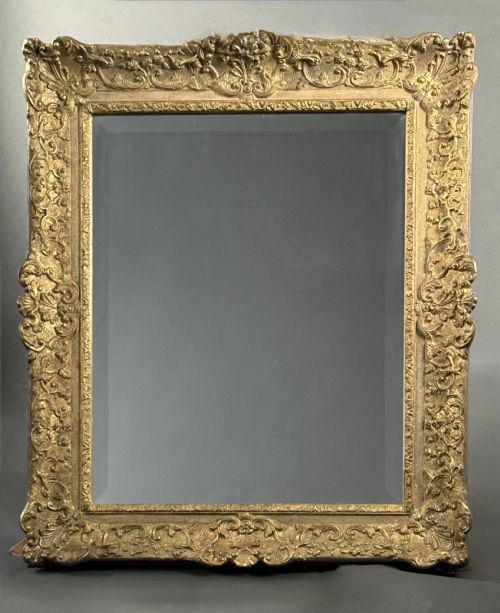
Makers built these frames using solid timber or composition materials, applying layers of gesso to create high relief scrolls, flowers, and naturalistic crests. Artisans then finished the surfaces with gold leaf, parcel gilt, or paint to achieve the bright reflective quality expected of the style.
Mirror plates of the period range from standard flat glass to bevelled edges, secured within heavy wooden carcasses designed to support substantial overmantel dimensions. Carved details were either worked directly into the wood or moulded in composition before gilding.
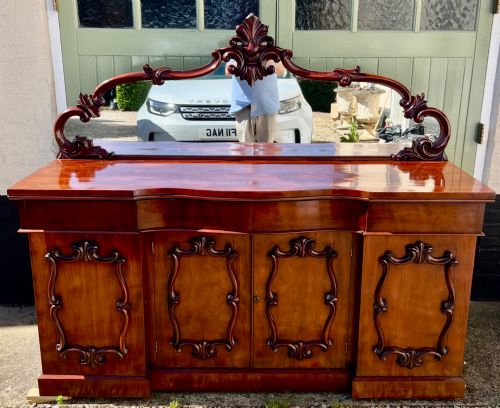
Listings feature pieces from the nineteenth century, utilising giltwood, gesso, mahogany, and brass across wall, overmantel, and dressing mirror forms.
What Varies in Quality
The distinction between ordinary and superior examples lies in the crispness of the carving and the depth of the gesso relief. Hand-carved wooden elements retain sharper edges and more fluid asymmetry than moulded composition substitutes.
Original mercury or early silvered mirror plates show age through foxing and oxidation, which collectors value as a sign of authenticity. The integrity of the original gilding and the structural stability of the heavy frames also determine the standing of each piece.
The Victorian Rococo Revival Mirror Glossary
- Giltwood
- Wood carved and coated with gold leaf or gold paint. This technique gives frames their bright metallic surface.
- Gesso
- A plaster mixture applied to wood frames to create a smooth surface for carving and gilding. It allows for deep, intricate relief work.
- Overmantel Mirror
- A large mirror specifically designed to hang above a fireplace mantelpiece. These often feature wide horizontal proportions and ornate crests.
- Cartouche
- An ornamental tablet or frame resembling a scroll or rolled-up piece of paper, often placed at the centre top of a mirror frame.
- Girandole
- A decorative wall mirror featuring attached candle sconces. The candle arms multiply the reflected light in a room.
Victorian Rococo Revival Mirror: Frequently Asked Questions
Where should I hang an overmantel mirror?
These large mirrors are traditionally hung directly above a fireplace mantelpiece to anchor the room and reflect light from windows. Ensure the wall structure can support substantial weight before mounting.
They also work well on principal living room walls opposite a light source to create an illusion of greater space and depth.
How can I tell a true nineteenth century piece from a later copy?
Examine the construction of the wooden backboards, the type of nails or screws used, and the ageing of the mirror plate. Older plates often exhibit natural foxing, speckling, and slight distortions in the glass.
Hand-carved details show subtle irregularities that distinguish them from modern cast resin reproductions.
Are these mirrors suitable for bathrooms?
High humidity and steam can damage historic gesso, crack original gilding, and accelerate the deterioration of antique mirror plates. It is best to keep them in dry reception rooms, hallways, or bedrooms.
Placement away from direct moisture sources preserves both the wooden structure and the delicate surface finishes.