




Gilt Picture Frame Mirror
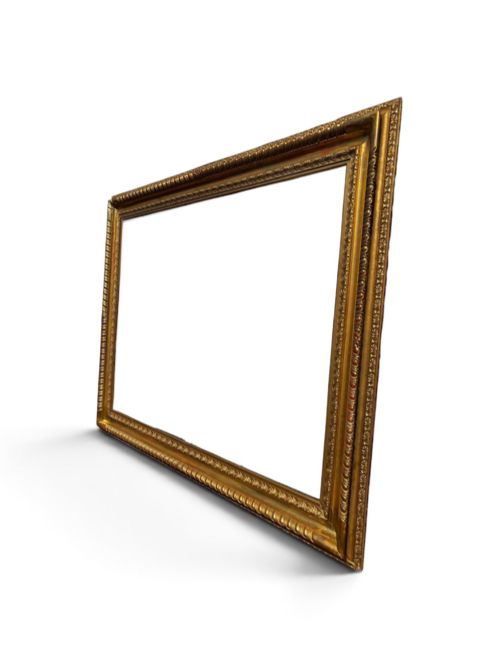
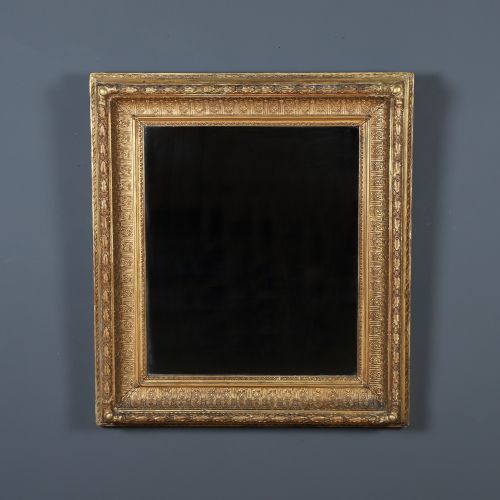
A gilt picture frame mirror brings reflective depth and historical character into a room, combining the ornate craftsmanship of antique framing with functional glass.
Gilt Picture Frame Mirror
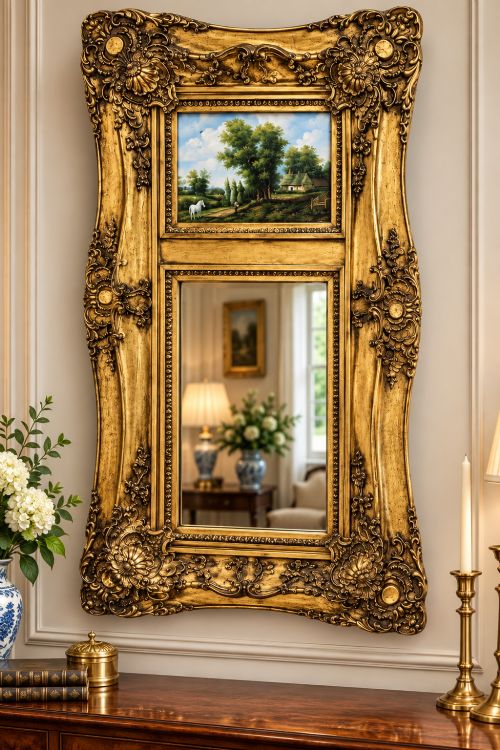
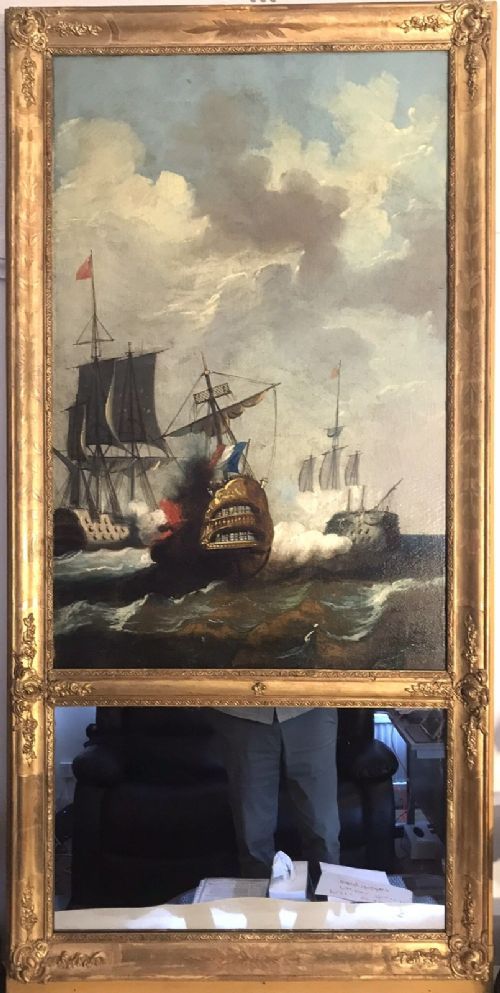
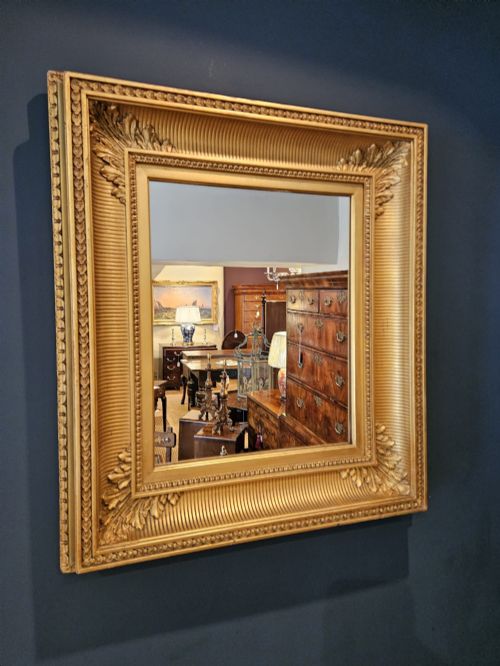
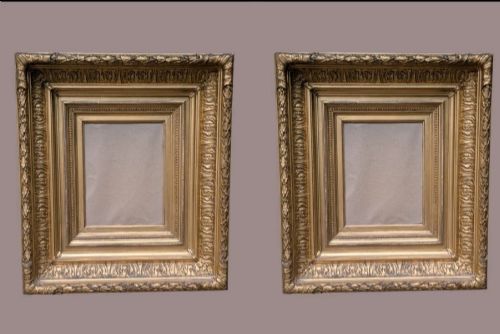
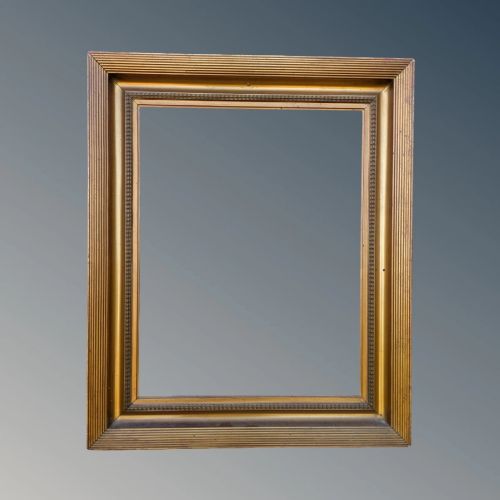
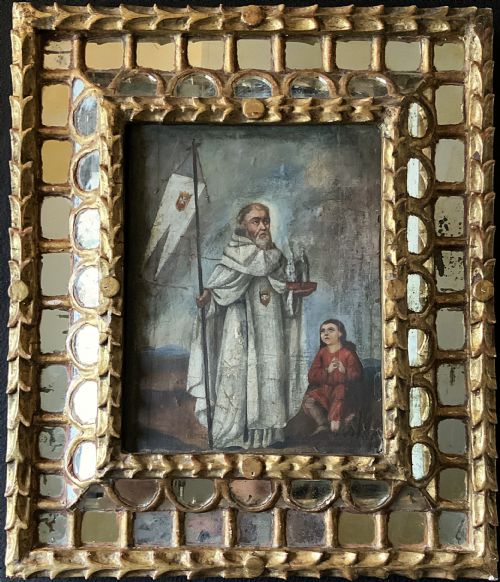
When considering a gilt picture frame mirror, buyers examine a range of items originating from the seventeenth century through to the early twentieth century. The selection encompasses dedicated wall mirrors, overmantels, trumeau mirrors with integrated paintings, and repurposed picture frames fitted with new or period glass.
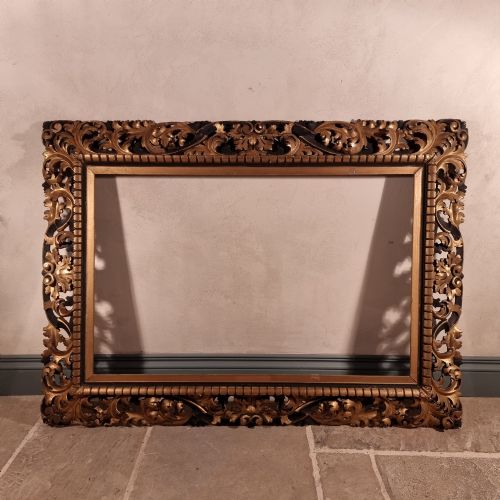
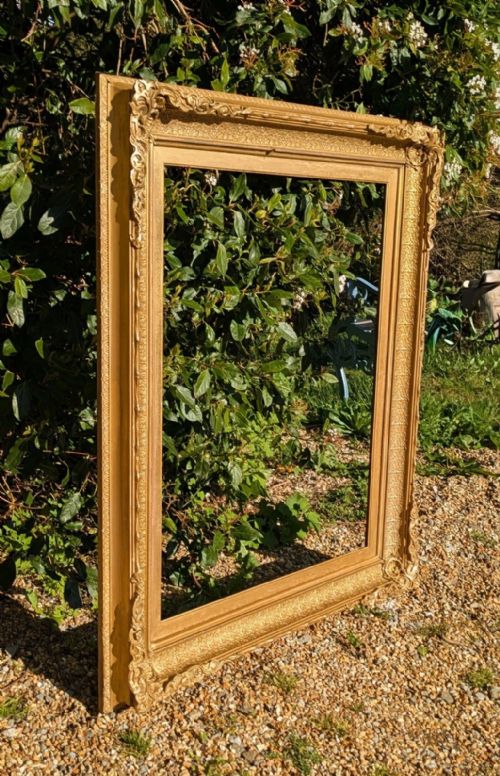
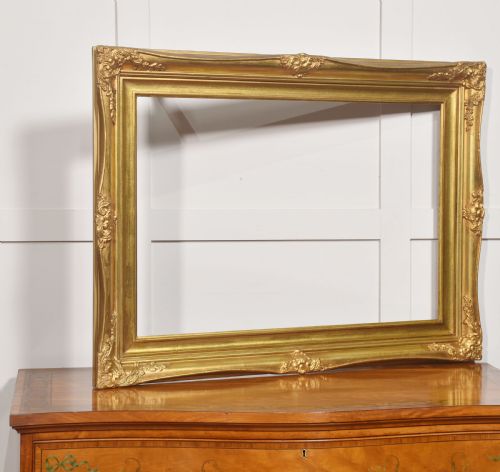
Victorian pieces dominate the available inventory, often displaying rich ornamentation such as acanthus leaf decoration, lion heads, or rococo revival styling. Alongside these, French chateau influences, Italian Florentine carvings, and Baroque revival aesthetics appear frequently across timber and gesso forms.
How they were made
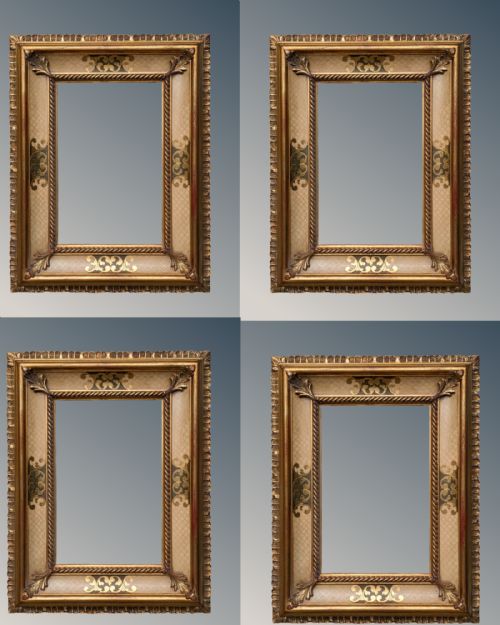
Many of these objects rely on a timber base, carved directly or built up with layers of composition and gesso to form intricate relief decoration. Artisans then applied gold leaf or fine gilding over the prepared surface to achieve a brilliant metallic sheen.
Some examples incorporate cast gilt bronze elements alongside traditional wood carving, while others combine oil paintings on canvas with mirror plates inside a unified architectural frame.
Inventory includes items from the 17th Century, 18th Century, and 19th Century alongside Victorian and Edwardian periods.
What varies in quality
The distinction between ordinary and exceptional pieces rests primarily on the depth and crispness of the hand-carving within the wood or gesso. Superior examples retain crisp undercut foliage and well-defined motifs rather than soft, moulded relief.
The integrity of the original gold leaf surface and the depth of the timber frame also separate standard items from superior works. Deeper sections and untouched period gilding indicate higher craftsmanship during manufacture.
The Gilt Picture Frame Mirror Glossary
- Giltwood
- Timber that has been coated with gold leaf or gilt finish. This material forms the structural base for many antique frames and mirrors.
- Gesso
- A plaster-like mixture applied to wood frames and carved or moulded into relief decoration before gilding. It provides a smooth base for gold leaf application.
- Trumeau
- A decorative wall mirror often paired with an oil painting set into the upper portion. These pieces originated in grand French interiors.
- Overmantel
- A large mirror designed to be hung specifically above a fireplace mantelpiece. They often feature horizontal proportions suited to architectural settings.
Gilt Picture Frame Mirror: Frequently Asked Questions
How do I hang a heavy gilt mirror safely?
These substantial wooden and gesso objects require secure wall fixings distributed evenly across the frame structure. Professional mirror hangers typically use heavy-duty brackets screwed directly into masonry or wall studs.
Avoid relying on single picture wire alone for very large overmantel or wall mirrors. Ensuring the weight rests on appropriate hardware protects both the antique frame and the surrounding wall.
Can I clean the glass without damaging the frame?
Apply glass cleaner directly to a soft cloth rather than spraying the mirror plate itself. This prevents liquid from seeping behind the glass and staining the old backing or gesso.
Keep moisture well away from the gilded wood surfaces, as water can lift delicate gold leaf and composition work. A gentle dusting with a dry microfibre cloth is sufficient for the frame.
Were these always mirrors from the start?
Many items listed as mirrors began life as fine art picture frames before having mirror glass inserted later in their history. The conversion from canvas housing to reflective glass is a long-standing tradition for decorative antiques.
Original wall mirrors and adapted picture frames both share identical construction techniques using timber, gesso, and gold leaf.
How do I identify a Victorian piece?
Victorian examples frequently showcase exuberant ornamentation, including deep cassetta profiles, rococo revival scrolls, and bold acanthus leaf carving. The materials typically combine solid timber frames with thick gesso layers finished in gold leaf.
Examining the construction of the joints and the composition of the backing boards helps confirm nineteenth-century origins.