



Victorian Porcelain Display Plate
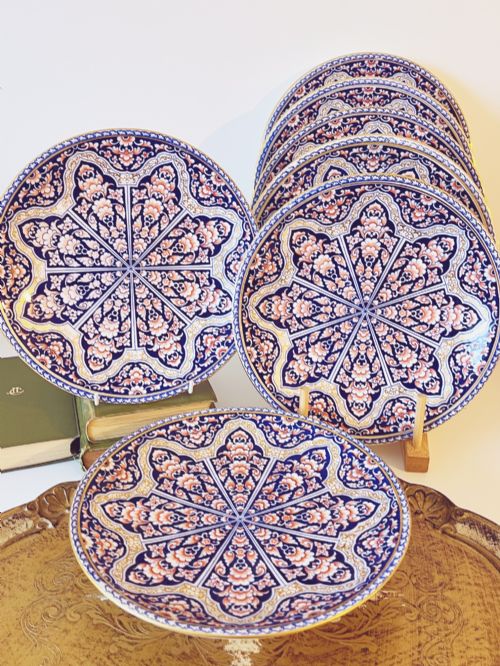
A victorian porcelain display plate brings painted birds, armorial crests, and intricate gilding straight from the nineteenth-century drawing room to the modern wall.
Victorian Porcelain Display Plate
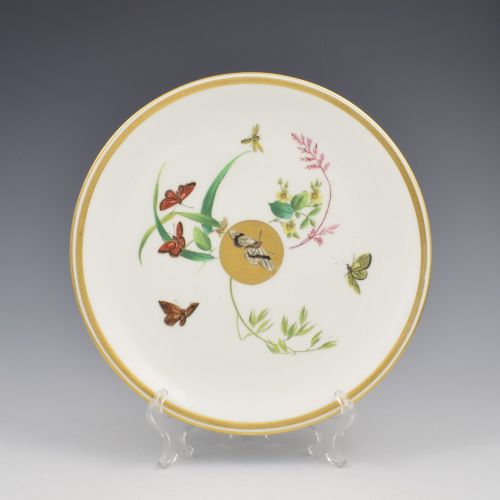
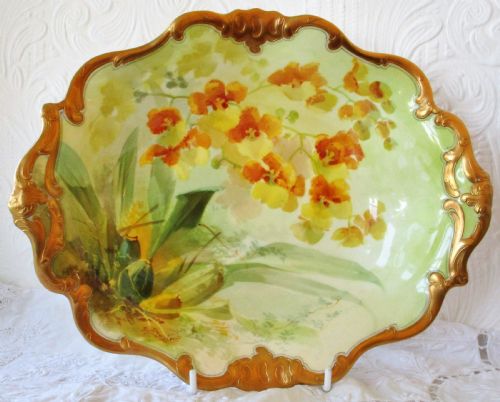
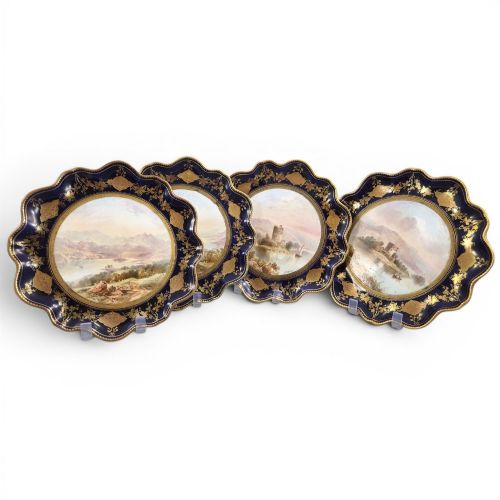
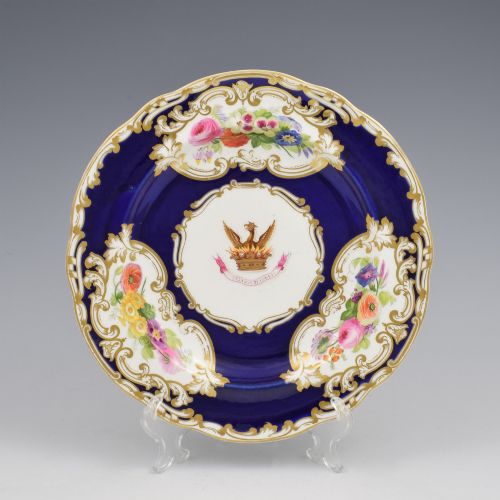
When you search for a victorian porcelain display plate, you encounter decorative ceramics designed primarily for visual appreciation rather than routine dining. These pieces span cabinet plates, chargers, and dessert services made across the nineteenth century.
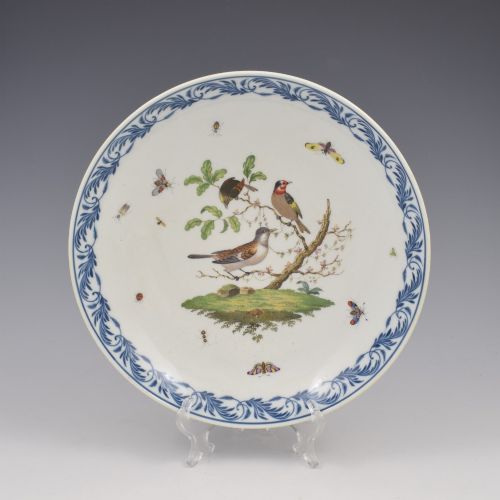
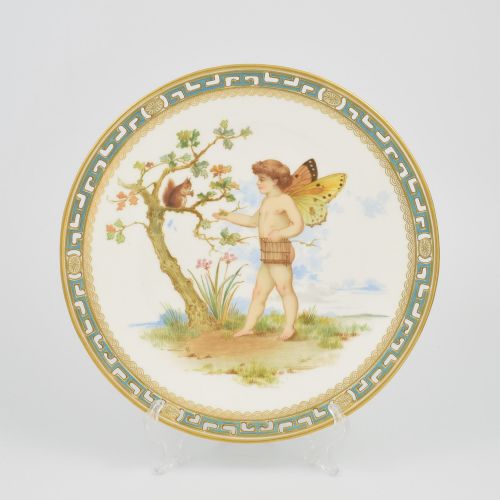
The most frequent examples on this page are single cabinet plates and matched pairs featuring hand-painted landscapes, birds, or armorial crests. Makers from English factories like Minton, Coalport, and Royal Worcester dominate the selection alongside continental European works.
Materials and Techniques
Makers utilised porcelain, bone china, and hard-paste porcelain as the primary canvas for elaborate surface decoration. Potters shaped these materials into plates, reticulated dishes, and heavy chargers before applying glazes.
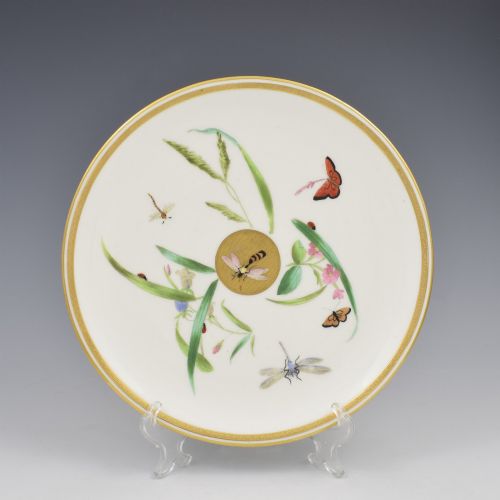
Artisans employed hand-painting, enamel colours, and gold leaf to create intricate scenes. Techniques such as piercing, raised enamel jewelling, and pate-sur-pate added texture and depth to the finished display pieces.
Listings feature hard-paste porcelain and bone china from nineteenth-century English and continental European factories.
Craftsmanship and Painting
The standard of a victorian porcelain display plate rests largely upon the skill of the artist responsible for the hand-painted imagery. Detailed ornithological studies, named views, and finely rendered portraits separate master-painted examples from routine factory output.
The application of gilding and the precision of moulded or reticulated borders further distinguish finer items. Pieces carrying identifiable artist signatures or specific exhibition provenance demonstrate superior workshop standards.
Royal Crown Derby·Meissen·Minton·Royal Doulton·Aynsley·Copeland·John Ridgway·James Rouse Jnr.·Pucher Deroche·Coalport·Kornilov Brothers·Royal Worcester·Thomas Dickson·Masons Ironstone
The Victorian Porcelain Display Plate Glossary
- Cabinet plate
- A decorative ceramic plate intended for display in a cabinet or on a wall rather than for practical table use. These items usually feature elaborate painted scenes or rich gilding.
- Reticulated
- Pierced or openwork decoration cut into the porcelain rim or border before firing. This technique creates delicate lattice patterns.
- Armorial
- Bearing a coat of arms or family crest hand-painted onto the ceramic surface. Such plates were often commissioned by landed families.
- Pate-sur-pate
- A method of porcelain decoration where layers of liquid white clay are built up on a coloured ground to form a low relief cameo effect.
Victorian Porcelain Display Plate: Frequently Asked Questions
What is a cabinet plate?
A cabinet plate is a decorative ceramic piece manufactured solely for display rather than everyday dining use. These items often feature elaborate hand-painted subjects or rich gilding.
They were typically housed in glass-fronted cabinets in nineteenth-century drawing rooms to showcase household taste and wealth.
How were these plates displayed?
Nineteenth-century households placed these decorative items in glass display cabinets or mounted them directly onto walls using specialised wire hangers. Their intricate enamel work and gold leaf caught the gaslight of the period.
Today, collectors continue to exhibit them on walls or specialised plate stands within domestic interiors.
Can I use these plates for food?
These historical ceramics are intended strictly for display and decorative appreciation. Using them for serving food can risk damaging fragile antique enamels and nineteenth-century gilding.
Cleaning should be limited to gentle dusting rather than immersion in water or exposure to modern detergents.
How do I identify the maker?
Makers mark the reverses of these ceramics with factory stamps, impressed ciphers, or painted symbols that correspond to nineteenth-century registry dates. Some pieces also bear the handwritten signature of the individual artist.
Comparing these marks against standard ceramic reference guides reveals the specific pottery and production decade.