

Gilt Cobalt Porcelain Dish
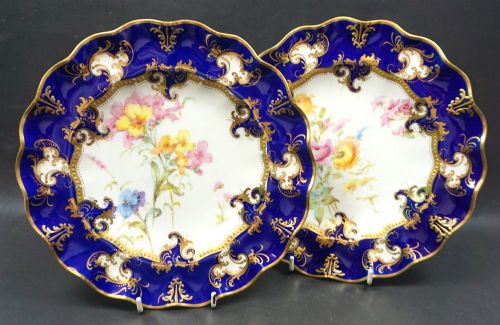
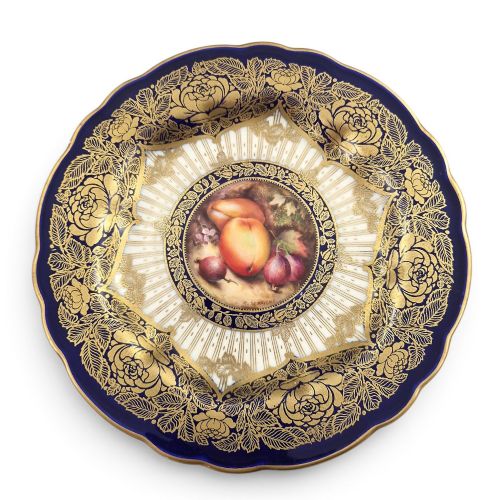
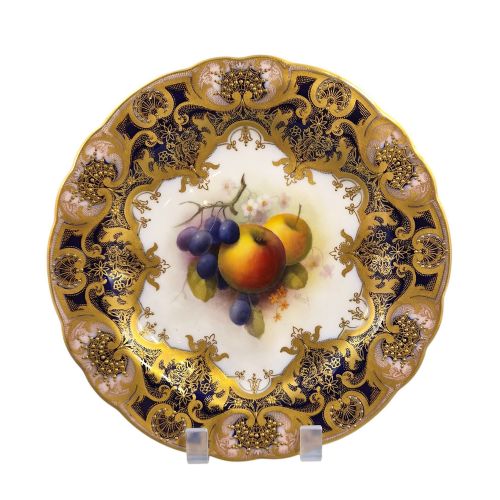
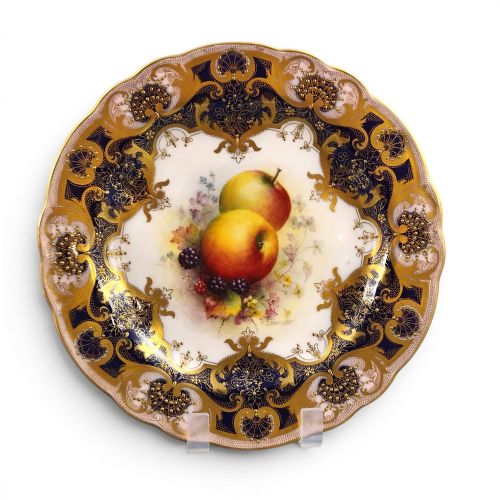
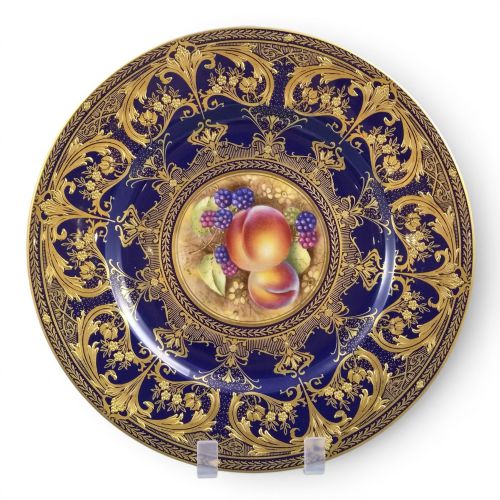
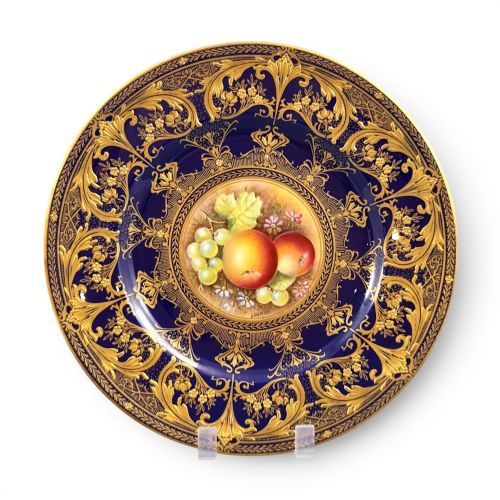
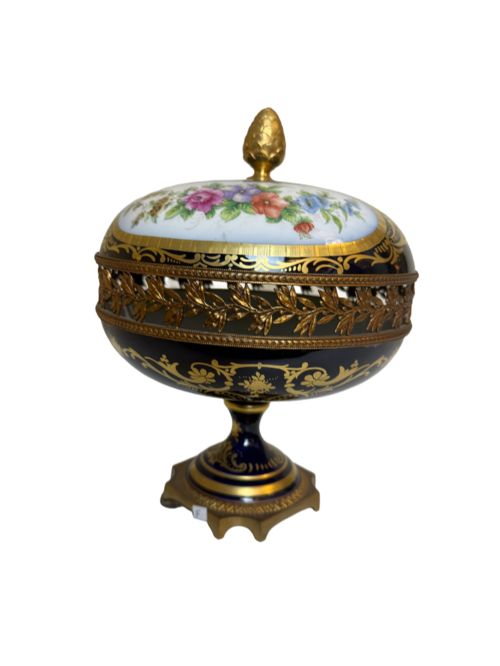
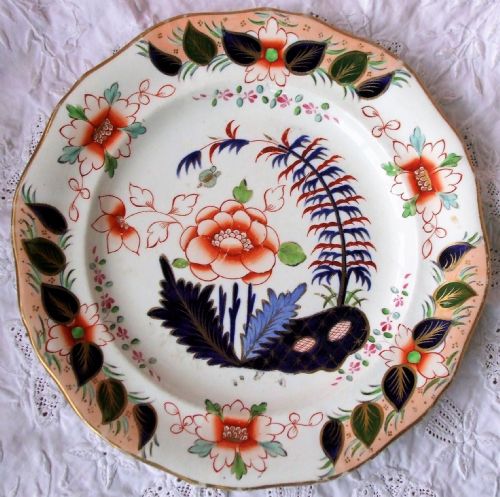
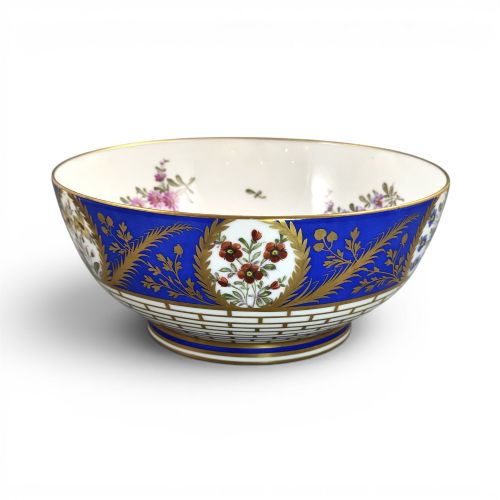
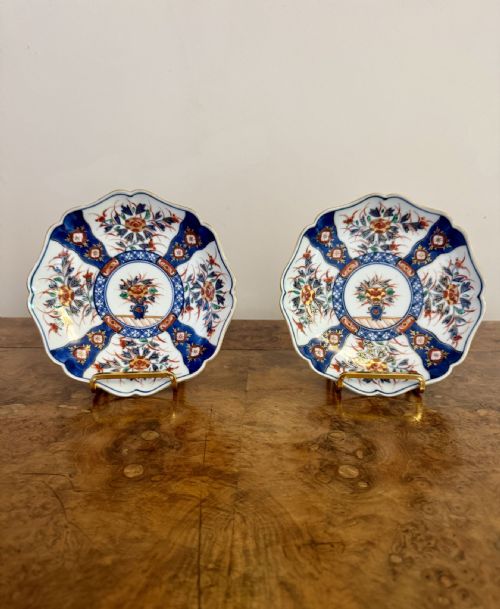
These pieces of gilt cobalt porcelain dish work combine deep blue grounds with bright gold leaf across plates, chargers, bowls, and trays.
Gilt Cobalt Porcelain Dish
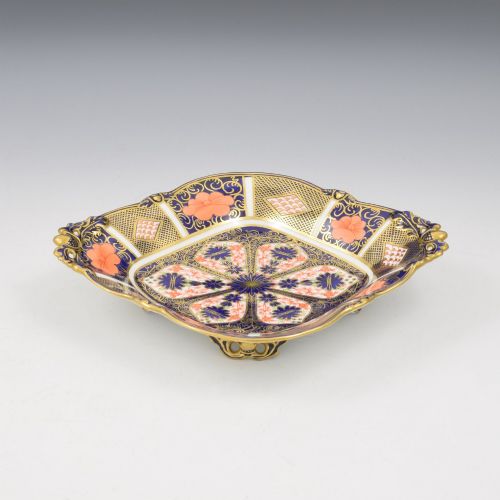
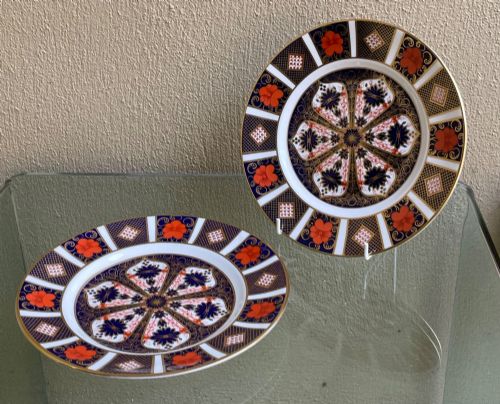
When you search for a gilt cobalt porcelain dish, you enter a field populated by cabinet plates, decorative chargers, footed bowls, and lidded boxes. These objects emerge from 19th-century English, French, German, Russian, and Japanese workshops, with Victorian and Edwardian examples appearing frequently on this page. Makers utilised established forms like the Imari pattern and French Rococo Revival styles to decorate ceramic bodies with cobalt glaze and gold leaf.
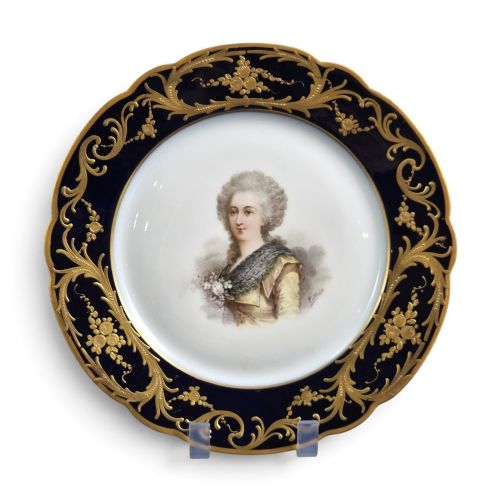
English factories such as Royal Crown Derby, Royal Worcester, Coalport, and Mintons dominate the British output alongside French Sèvres-style works and Japanese Imari imports. You encounter decorative dishes, serving trays, and portrait plates spanning the Georgian, Regency, and 19th-century periods. The selection encompasses bone china, porcelain, ceramic, and ironstone vessels shaped as round plates, oval dishes, and soup tureens.
Materials and Techniques
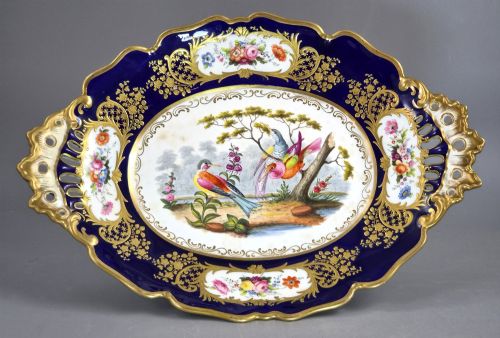
Potters shaped these vessels from fine porcelain, bone china, and ironstone, applying rich cobalt glaze beneath or over the fired body to create a deep blue background. Artisans then added gold leaf, gilding, and enamel paint by hand, depicting floral motifs, armorial crests, birds, portraits, and mythological scenes. Many pieces received a second firing to set the metallic gilding firmly against the glaze.
Factories utilised specialised gilding techniques, ranging from flat gold applications to heavily tooled and raised relief work that catches the light. Painters signed their hand-painted floral and figurative panels on cabinet plates from Royal Worcester and Royal Vienna, demonstrating the high level of detail achieved during the 19th and early 20th centuries.
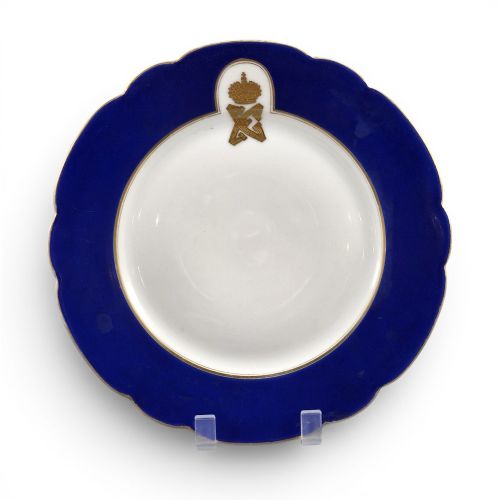
Aristocratic families commissioned armorial plates to quietly remind guests of their motto while they ate dessert.
Distinctions in Quality
The standard of a gilt cobalt porcelain dish rests upon the precision of the hand-painted details and the depth of the cobalt ground. Pieces featuring signed artist panels, intricate hand-tooled gilding, and pierced rims represent the upper tier of the range, while transfer-printed decoration on standard ceramic blanks sits lower down.
The crispness of the cobalt glaze application and the weight of the porcelain body distinguish ambitious factory productions from simpler domestic wares. Well-preserved gilding that retains its original burnished lustre without rubbing elevates the standing of an antique plate, bowl, or charger.
Royal Crown Derby·Royal Worcester·Coalport·Mintons·John Davenport·Doulton Burslem·Kinkozan·Royal Vienna·Meissen·Ridgway·Copeland·Chamberlain Worcester·Barr Flight Barr
The Gilt Cobalt Porcelain Dish Glossary
- Cobalt Glaze
- A deep blue ceramic colouring oxide applied beneath or over the glaze before firing. It provides the dark, rich background typical of Imari and Victorian decorative dishes.
- Cabinet Plate
- A decorative plate intended for display in a cabinet or on a wall rather than for dining use. These pieces often feature hand-painted portraits, fruit, or mythological scenes.
- Gilding
- The application of gold leaf or gold dust to the surface of porcelain. It highlights rims, handles, and borders with a metallic shine.
- Imari Pattern
- A decorative style originating in Japan and copied by European factories, characterised by cobalt blue, iron red, and gilt highlights. It appears frequently on 19th-century plates and chargers.
- Armorial Plate
- A ceramic dish painted with a family crest, coat of arms, or motto. These were often commissioned by landed families during the Georgian and Victorian eras.
Gilt Cobalt Porcelain Dish: Frequently Asked Questions
What is a gilt cobalt porcelain dish used for?
These pieces served primarily as decorative items, cabinet displays, or serving vessels for sweets and desserts in 19th-century homes. Plates and chargers were often exhibited on sideboards or mounted on walls.
Smaller lidded boxes and footed bowls held trinkets or sweetmeats on drawing-room tables. Their rich blue and gold surfaces made them status symbols for Victorian and Edwardian collectors.
How can I tell Japanese Imari from English Imari?
Japanese Imari pieces often feature greyish porcelain bodies and traditional Asian motifs executed with looser brushwork on heavier charger formats. English factories like Royal Crown Derby adapted the style onto refined bone china with precise enamel and gilt borders.
Examining the foot ring and paste underneath the glaze reveals differences in the clay body between European potteries and Japanese kiln sites.
What period do most of these cobalt dishes come from?
The listings span the 19th century, with heavy concentrations in the Victorian and Edwardian eras. Pieces from the Regency and Georgian periods also appear alongside later 20th-century works.
Factory marks, pattern numbers like the Derby 1128 pattern, and artist signatures help narrow down the exact decade of manufacture.