


Antique Landscape Display Plate
These antique landscape display plate pieces are hand-painted ceramic and porcelain items featuring topographical scenes, offering a glimpse into historic landscape artistry.
Antique Landscape Display Plate
When you search for an antique landscape display plate, you encounter a variety of decorative plates, plaques, and chargers originating from English, French, Chinese, and Japanese makers. The pieces span the eighteenth, nineteenth, and early twentieth centuries, encompassing Georgian, Victorian, and Edwardian periods.
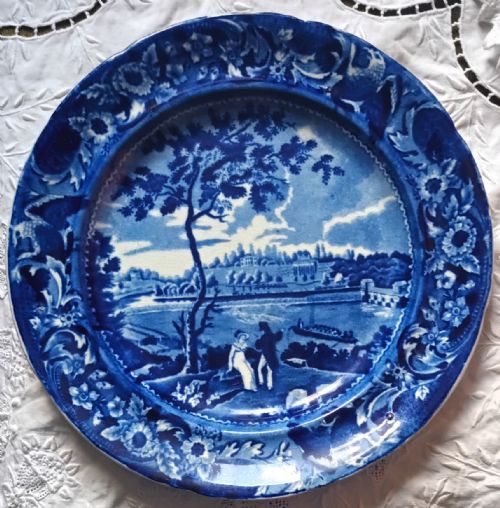
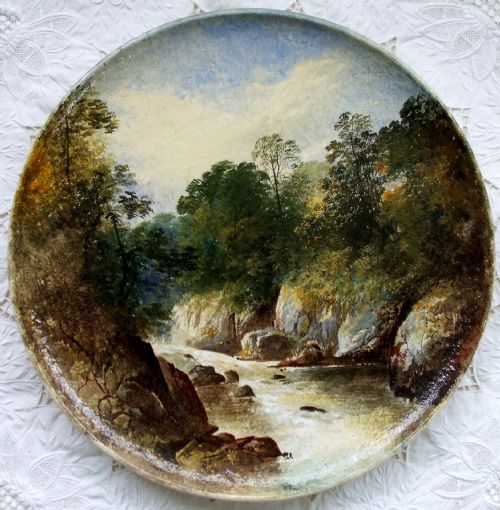
You are most likely to meet nineteenth-century porcelain and earthenware examples featuring transfer-printed or hand-painted scenery. These objects were designed primarily for visual display in cabinets or on walls rather than for dining use.
Materials and methods behind the pieces
The makers utilised porcelain, earthenware, and ceramic glaze as the foundational body for these pictorial works. Cobalt blue transfer printing and hand-applied enamel paint provided the topographical details.
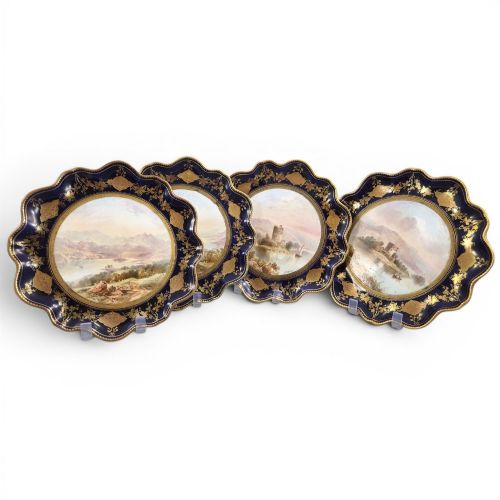
Finishing techniques frequently incorporated gold leaf and gilding along the rims, alongside protective clear glazes fired to secure the pigments.
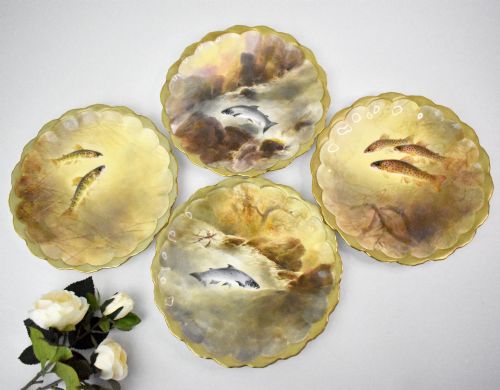
Object forms represented include cabinet plates, decorative plaques, bowls, and large chargers featuring named British and international locations.
Distinctions in craftsmanship and finish
Quality separates through the precision of the hand-painting and the clarity of the transferred scene. Finely detailed brushwork by named artists marks out the superior examples from standard production wares.
The application of gilding and the purity of the porcelain paste further define the tier of the piece. Crisp firing without distortion of the ceramic body distinguishes the finer items.
Stubbs·William Yale·Joseph Birbeck Senior·Darte Brothers·Pucher Deroche·Coalport·Minton·Aynsley·William Adams·Royal Worcester·Stinton
The Antique Landscape Display Plate Glossary
- Cabinet plate
- A decorative ceramic plate intended for display in a cabinet rather than for table service. These pieces usually feature elaborate painted scenes or rich gilding.
- Transfer printing
- A mechanical method of applying a printed design to ceramic ware from an engraved copper plate using tissue paper. This technique allowed for detailed blue and white landscapes to be reproduced consistently.
- Gilding
- The application of gold leaf or gold paint to ceramic surfaces, typically highlighting rims and borders. It elevates the decorative appearance of the object.
- Earthenware
- A porous type of pottery fired at lower temperatures than porcelain. It forms the base body for many transfer-printed historical plates.
- Charger
- A large decorative plate or platter used primarily for display purposes. Examples range from European porcelain to Japanese ceramic traditions.
Antique Landscape Display Plate: Frequently Asked Questions
What is an antique landscape display plate?
An antique landscape display plate is a decorative ceramic or porcelain vessel featuring a painted or transfer-printed topographical view. These items were made to be shown in cabinets or hung on walls.
They reflect the artistic styles of the eighteenth, nineteenth, and early twentieth centuries, celebrating specific geographic locations and scenic vistas.
Were these plates used for food?
Most pieces classified as display plates or plaques were created primarily for ornamental purposes. Their delicate hand-painted surfaces and gilt rims meant they suited visual appreciation rather than daily dining.
Heavier transfer-printed earthenware versions sometimes originated from table services, but the pictorial focus made many objects strictly decorative.
How do I date an antique display plate?
Dating relies on maker marks, ceramic bodies, and stylistic clues recorded on the reverse or within the painting technique. Georgian and Victorian pieces often show distinct transfer patterns or hand-written topographical titles.
Comparing the paste quality and glaze characteristics helps place the object within the eighteenth, nineteenth, or early twentieth century.
How should I display these plates safely?
Displaying these items requires stable plate hangers or dedicated display cabinets that protect the ceramic body from accidental knocks. Ensuring the wall mount or cabinet shelf is secure prevents damage to fragile porcelain edges.
Keeping pieces away from direct sunlight preserves the hand-painted enamel colours and prevents any degradation of the gilding over time.