
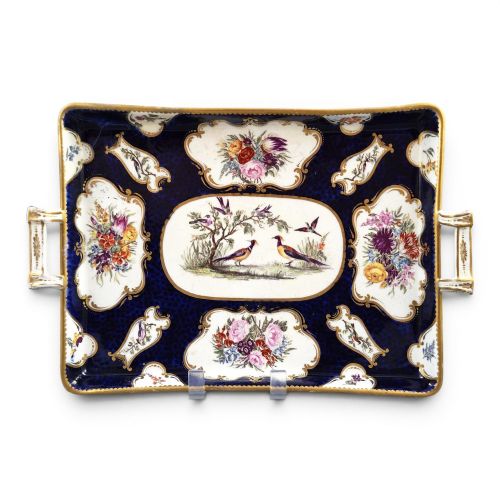


Victorian Porcelain Birds
These Victorian porcelain birds capture avian forms in painted glaze and gilt, offering collectors both sculptural presence and meticulous ornithological painting.
Victorian Porcelain Birds
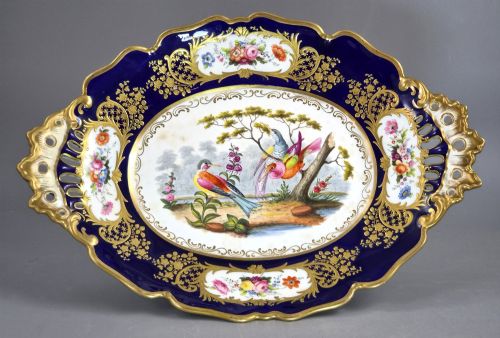
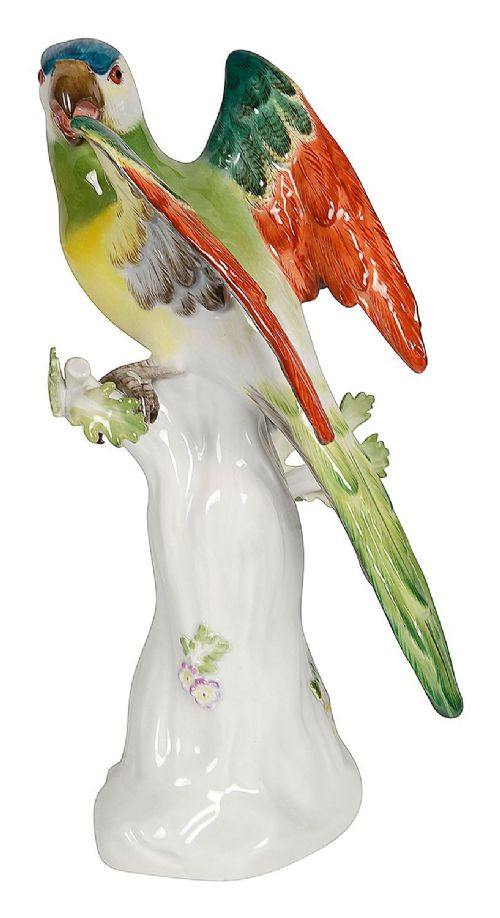
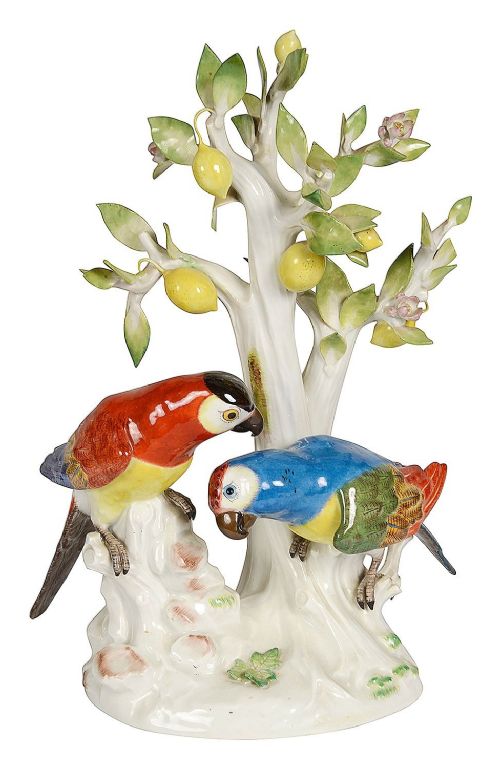
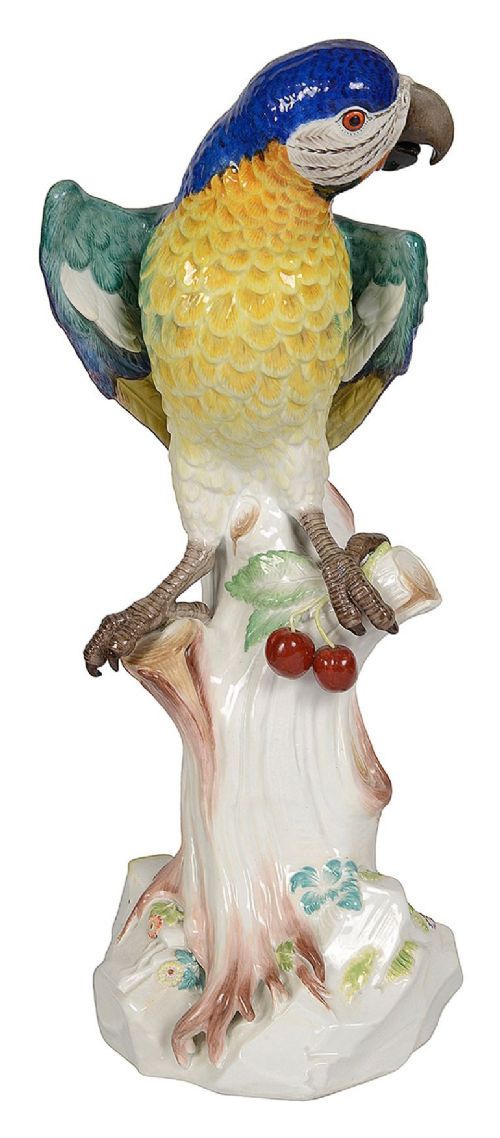
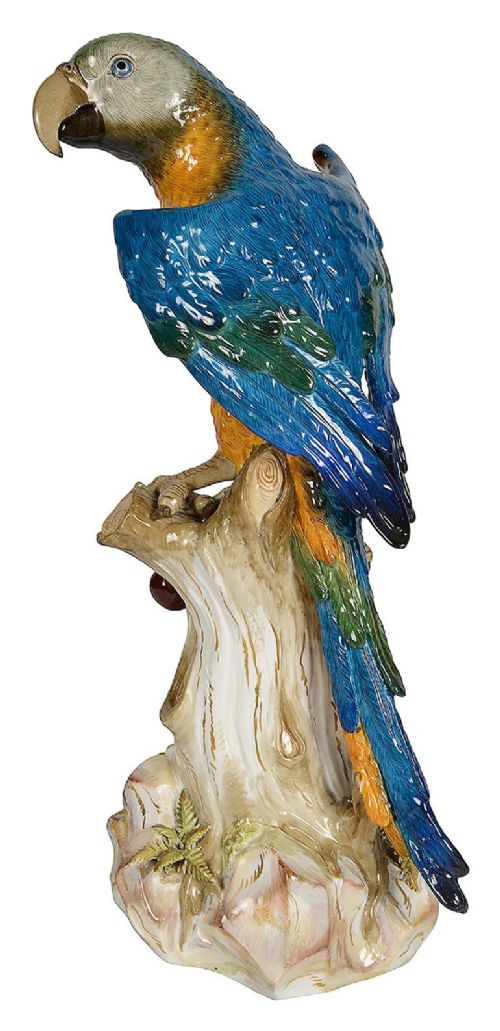
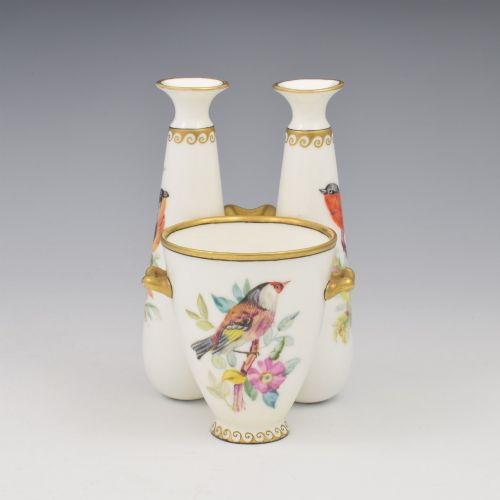
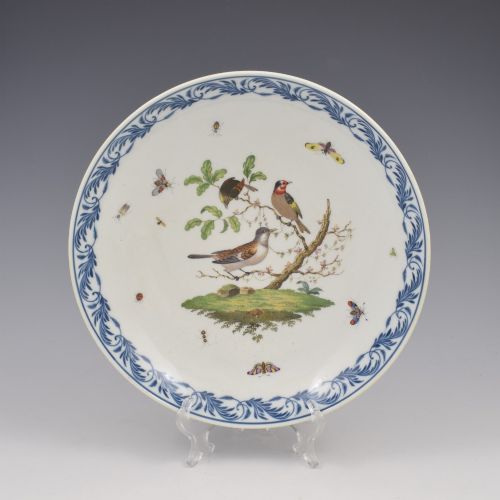
Victorian porcelain birds encompass freestanding sculptural figures and hand-painted ornithological motifs upon tableware, vases, and dishes. The selection on this page relies heavily on Meissen parrot figures alongside English factory wares from Coalport, Royal Worcester, and Royal Crown Derby.
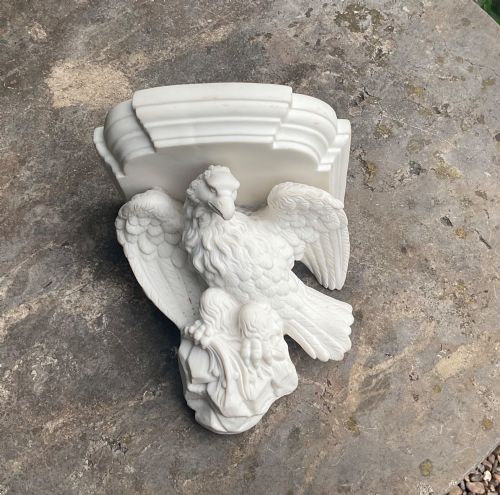
Buyers encounter both three-dimensional ceramic bird models and flat painted surfaces depicting exotic and British birds. Figures range from parrots perched under lemon trees to eagles, storks, and doves.
The objects stem predominantly from the nineteenth century, aligning with Victorian, Rococo Revival, and Aesthetic tastes. Domestic decorative plates and centrepieces sit alongside large German porcelain figures.
Measures of Quality
Quality rests upon the precision of the hand-painted feather work and the crispness of the porcelain modelling. Superior pieces display naturalistic posture and subtle tonal blending within the enamel colours rather than flat, mechanical application.
The finesse of the gilding and the preservation of delicate glazed details distinguish standard factory output from exceptional exhibition-grade creations. Sculptural presence in larger figures depends on careful firing to prevent distortion.
Coalport·Meissen·Royal Worcester·Royal Crown Derby·MacIntyre
The Victorian Porcelain Birds Glossary
- Porcelain
- A white, vitrified ceramic material of high density and translucency, fired at high temperatures. It forms the primary substrate for these figures and plates.
- Gilding
- The application of gold leaf or powdered gold to the surface of ceramic objects. It accentuates borders and structural highlights.
- Hard-paste porcelain
- A durable ceramic composition containing kaolin and petuntse, fired at very high heat. It allows for crisp moulding and sharp detail retention.
- Enamel
- Vitreous coloured glass fused to the porcelain surface through firing. It provides the permanent pigments used for painting plumage and foliage.
- Reticulated
- Ornamented with an openwork pattern resembling a net or lattice. This technique appears on decorative plates and baskets.
Victorian Porcelain Birds: Frequently Asked Questions
How do I identify Meissen bird figures?
Meissen porcelain birds usually feature distinct factory marks, most notably the blue crossed swords painted under the glaze. They are further distinguished by realistic modelling and vibrant hand-painted enamel colours.
Larger parrot models from the nineteenth century display characteristic feathered plumage and perching stances. The weight and density of the hard-paste porcelain provide additional clues to their continental origin.
What subjects besides parrots appear?
Makers depicted a wide variety of avian subjects, including eagles, storks, doves, and exotic garden birds. These appear as freestanding figures, wall brackets, or painted scenes on plates and vases.
British factories often drew upon ornithological pattern books for precise plumage representation. Naturalistic studies shared space with romanticised exotic bird compositions.
Where were these pieces displayed?
Victorian households placed porcelain birds on mantelpieces, in cabinets, and as centrepieces on dining tables. Large sculptural figures served as focal points in drawing rooms.
Smaller scent bottles and posy vases functioned as decorative tabletop items. Plates and dishes were utilised for dessert service or cabinet display.