


Antique Porcelain Birds
Antique porcelain birds bring the natural world indoors through delicate figures and hand-painted plates from eighteenth and nineteenth century kilns.

Antique Porcelain Birds
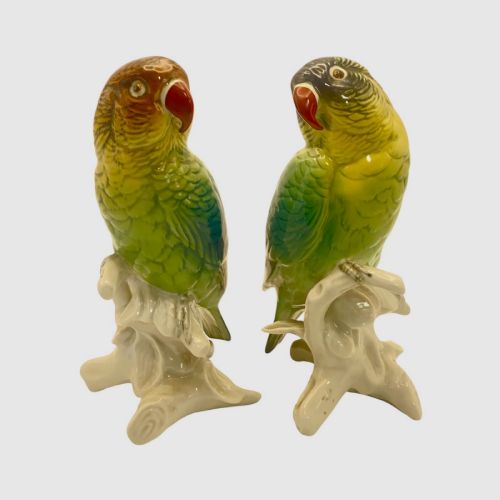
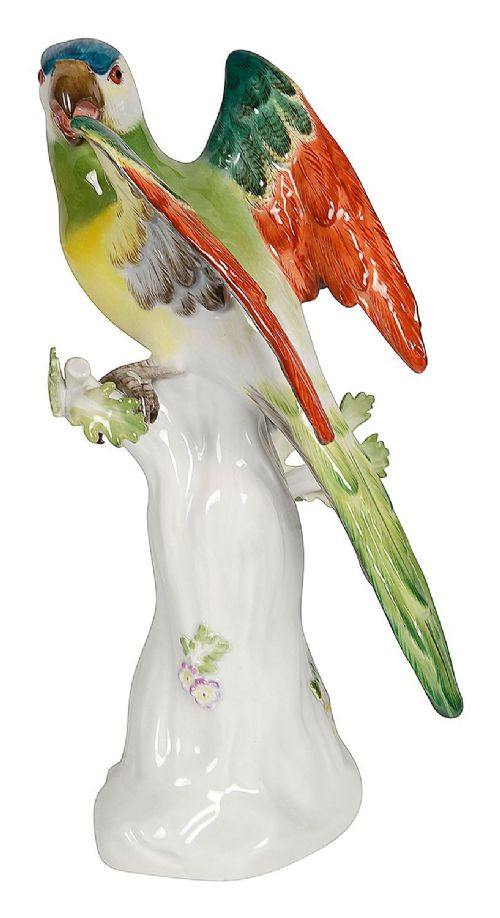
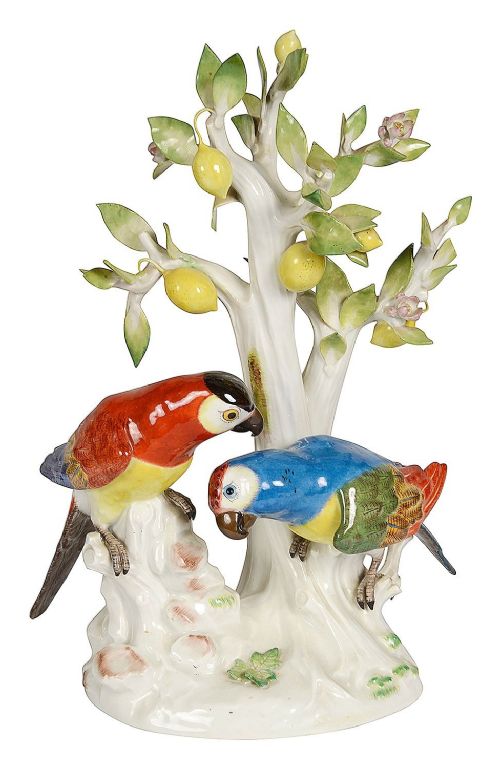
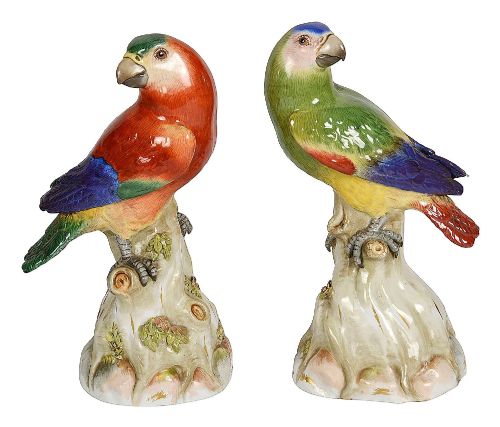
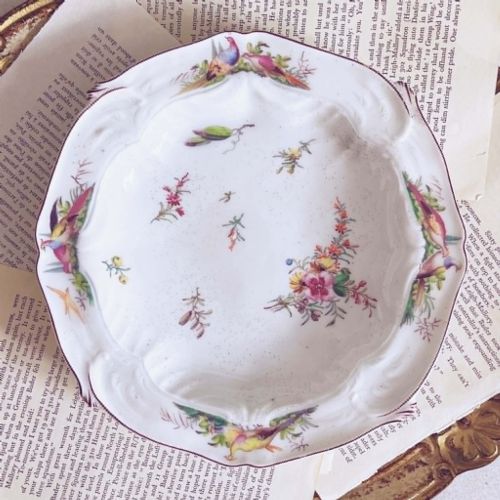
When searching for antique porcelain birds, buyers encounter a diverse range of objects spanning the eighteenth, nineteenth, and early twentieth centuries. These pieces encompass sculptural figures of parrots and eagles alongside useful tableware painted with avian motifs.
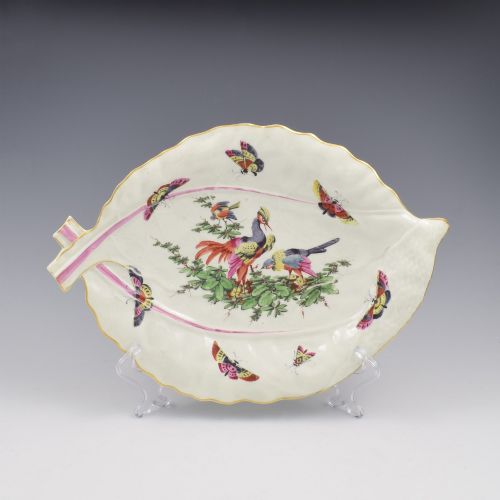
The selection on this page draws heavily from English factories such as Worcester, Derby, and Coalport, alongside continental works from Meissen and Dresden. Far Eastern pieces in Imari and Famille Rose palettes also feature prominently among the available inventory.
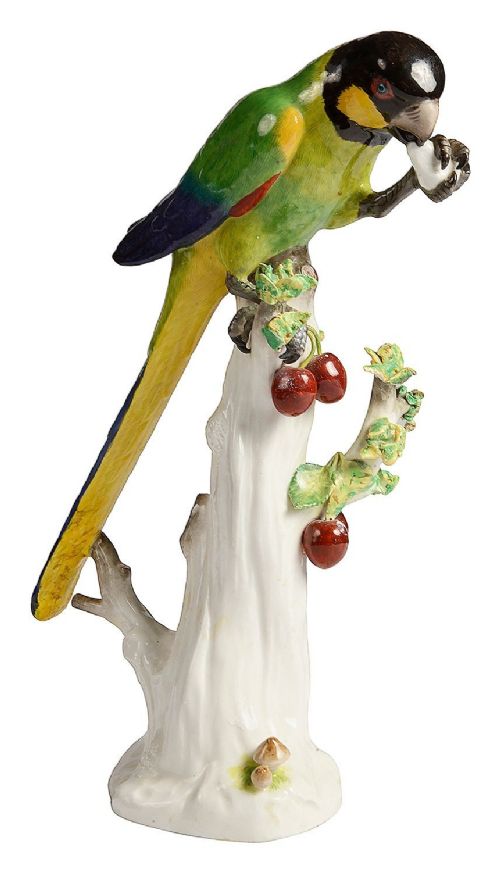
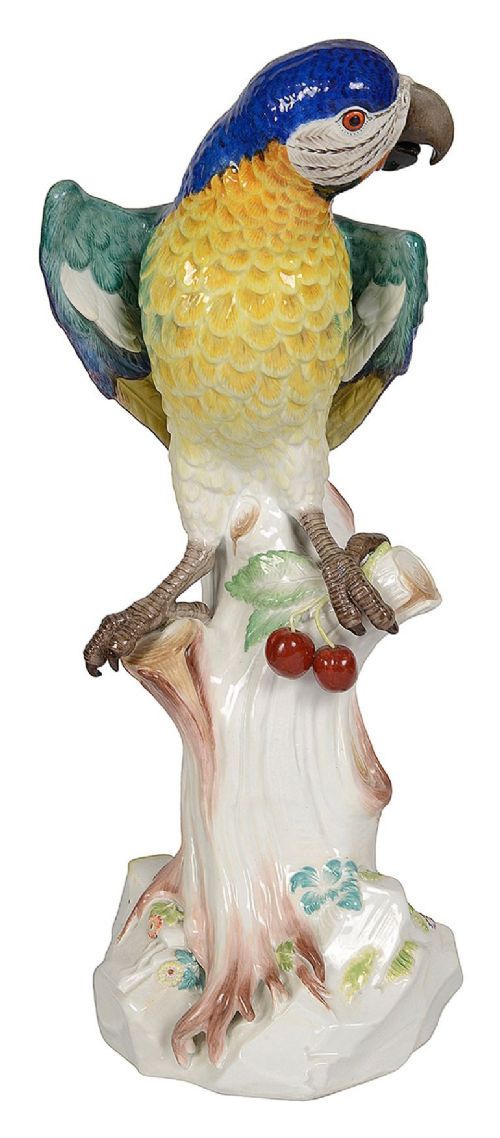
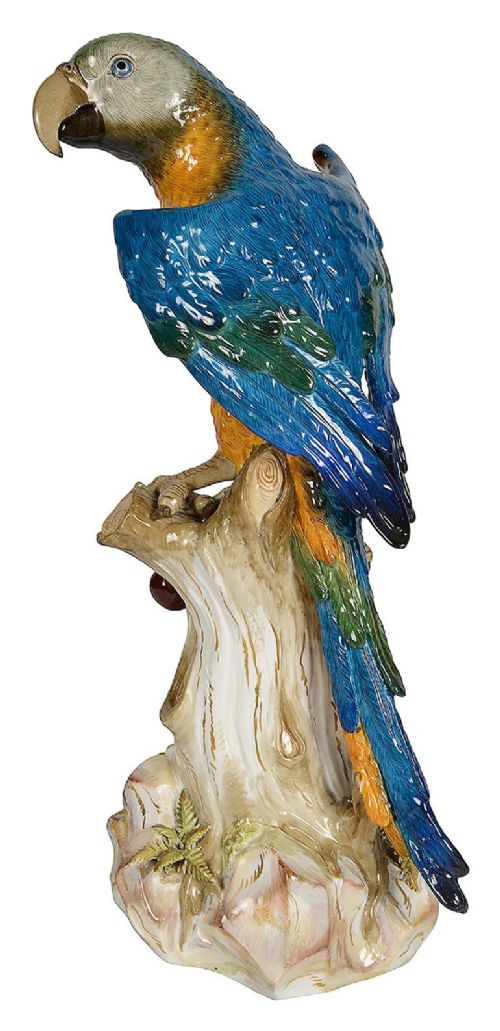
Forms vary from cabinet plates and dessert dishes to large mantel ornaments and jardinieres. Figures range from small biscuit porcelain representations to towering painted parrots perched upon tree trunks.
How they were made
Makers utilised soft-paste and hard-paste porcelain body pastes, shaped by hand-modelling, moulding, or casting into detailed forms. Artisans then applied underglaze blue, polychrome enamels, and gilding before firing the pieces in kilns.
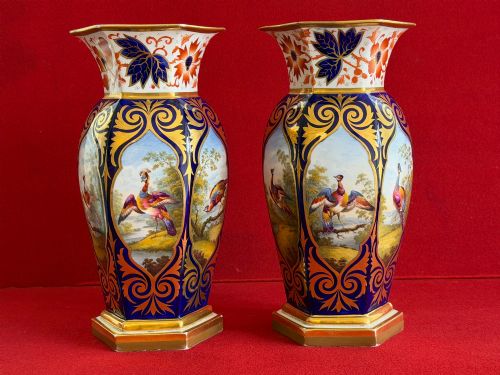
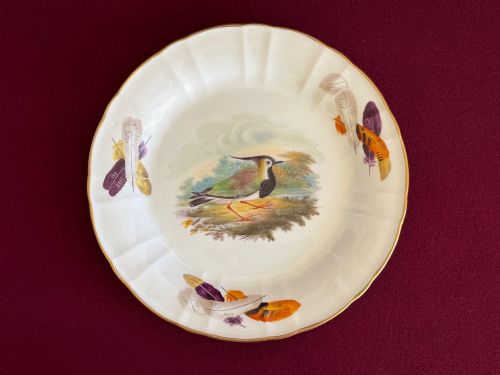
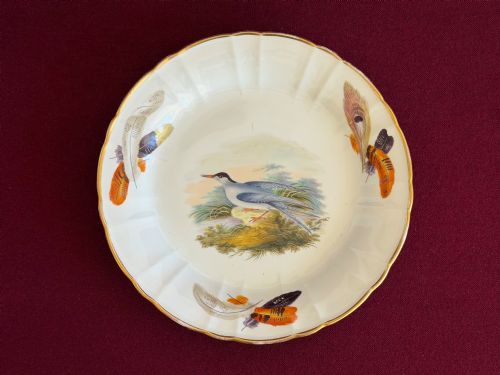
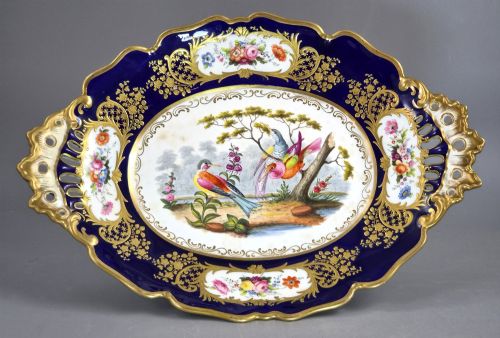
Hand-painting remained central to the craft, requiring skilled brushwork to render the plumage of fancy birds, lapwings, and common terns. Surface treatments often combined rich cobalt blue grounds with gold leaf accents and glossy transparent glazes.
Object forms range from wall brackets and jardinieres to cabinet plates decorated in the Regency and Victorian styles.
What varies in quality
The standard of painting dictates much of the appeal, separating loosely rendered decoration from precise, lifelike ornithological illustrations. Crispness in moulded feather detail and the vibrancy of hand-enamelled palettes further distinguish superior examples.
The scale and ambition of the piece play a major role, as larger modelled figures like Meissen parrots require greater technical mastery in firing without distortion. Rarity of specific factory patterns and decorative grounds also elevates the standing of an item.
Flight Barr And Barr·H And R Daniel·Karl Ens·Royal Worcester·Meissen
The Antique Porcelain Birds Glossary
- Biscuit porcelain
- Unglazed ceramic fired once to a porous, matte finish that highlights sculptural detail.
- Soft-paste porcelain
- An artificial ceramic compound containing glass frit, fired at lower temperatures than hard-paste porcelain.
- Imari
- A Japanese export style characterised by underglaze blue, iron red, and gilt detailing.
- Gilding
- The application of gold leaf or powdered gold suspended in a medium to ceramic surfaces.
- Jardiniere
- An ornamental ceramic pot or stand designed to hold growing plants.
Antique Porcelain Birds: Frequently Asked Questions
How do I identify eighteenth century porcelain birds?
Eighteenth century pieces typically display characteristic paste bodies, early underglaze blue marks, or specific anchor and crescent factory symbols. Closer inspection of the hand-painted enamels and glaze pooling helps confirm the period of manufacture.
English factories like Derby and Worcester employed distinct clay mixtures during this era that feel different to the touch compared to later Victorian output.
Were these porcelain birds meant for display or dining?
Many items served practical dining functions, such as serving dishes, dessert plates, and soup tureens painted with ornithological subjects. Other pieces were strictly decorative, functioning as mantel figures, wall brackets, or potpourri bowls.
Wealthy households used painted plates for formal dessert courses while sculptural parrots and eagles decorated drawing rooms and cabinets.
What is the difference between English and continental figures?
Continental factories such as Meissen in Germany and KPM in Berlin specialised in large, naturalistic sculptural animal figures modelled with complex postures. English makers at Worcester and Coalport focused heavily on botanical and ornithological painting upon tableware and cabinet pieces.
German makers utilised hard-paste porcelain bodies capable of supporting towering parrot sculptures, whereas English works often favored soft-paste bodies with rich cobalt grounds.
How should I care for antique painted plates?
Antique porcelain plates require gentle manual cleaning using lukewarm water and mild soap, avoiding abrasive sponges or modern dishwashers. Hand-painted enamels and gold leaf can wear away over generations if subjected to harsh chemical treatments.
Display these pieces securely using padded plate hangers or stable stands to protect the edges from chips and structural strain.