


Pair Meissen Figurines
Pair meissen figurines are hard-paste porcelain sculptures modelled in pairs, prized for their historical European ceramic artistry and decorative symmetry.
Pair Meissen Figurines
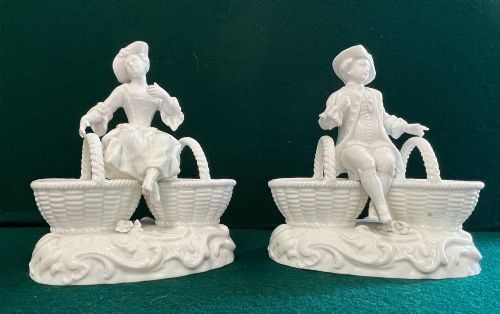
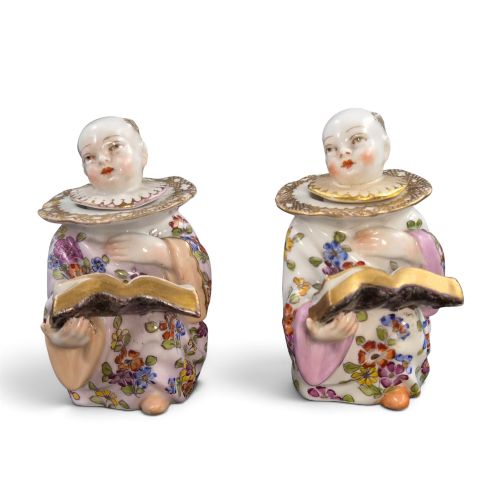
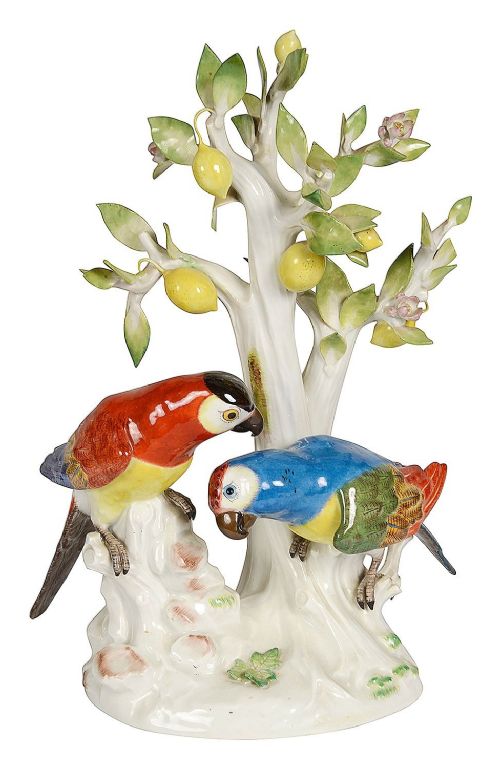
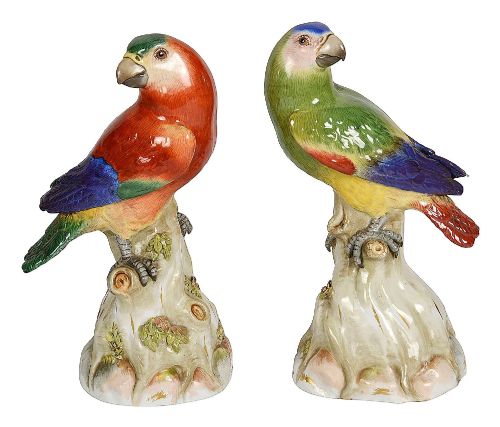
When you search for pair meissen figurines, you encounter dual porcelain sculptures spanning the eighteenth and nineteenth centuries, originating predominantly from German workshops. The forms encompass romantic groups, avian subjects such as parrots and hoopoes, and figural inkwells representing gardeners, lovers, and street vendors.
The selection ranges from early eighteenth-century models to late nineteenth-century productions in Rococo, Neoclassical, and Chinoiserie styles. Figures often depict children, animals, or human subjects arranged symmetrically to decorate domestic interiors.
Factors influencing quality
Quality separates through the crispness of the modelling and the precision of the overglaze enamel painting. Earlier eighteenth-century examples exhibit finer detail in facial expressions and botanical elements compared to later nineteenth-century interpretations.
The sophistication of the composition, particularly in complex figural groups involving multiple subjects or animals, determines the standing of a piece. Preservation of the original gold leaf and enamel surface without excessive rubbing elevates the piece.
Object forms span botanical subjects, inkwells, and figural groups depicting children, animals, and romantic pairs.
Edmé Samson·Helena Wolfsohn·Sitzendorf
The Pair Meissen Figurines Glossary
- Hard-paste porcelain
- A durable ceramic material composed of kaolin and petuntse, fired at high temperatures to create a vitreous body. It forms the structural foundation for traditional European figures.
- Overglaze enamel
- Pigments applied on top of the fired glaze and subjected to a secondary, lower-temperature firing. This technique allows for a broad palette of rich colours on porcelain.
- Rococo Revival
- A nineteenth-century design movement resurrecting the asymmetric scrolls, curves, and naturalistic motifs of the eighteenth century. Many Victorian-era figures adopt this stylistic vocabulary.
- Bouquetiere
- A decorative vessel or figure designed to hold small arrangements of flowers. These objects integrate functional porcelain receptacles with sculptural ornamentation.
- Chinoiserie
- European artistic interpretation of Chinese and East Asian decorative motifs. Figures in this style frequently depict Asian subjects or architectural elements through a Western lens.
Pair Meissen Figurines: Frequently Asked Questions
How do I identify genuine pieces?
Examine the hard-paste porcelain body, the depth of the overglaze enamel painting, and the stylistic traits associated with eighteenth and nineteenth-century German production.
Compare the modelling quality and subjects with documented examples from the period to confirm authenticity.
What subjects are most common?
Avian subjects like parrots and hoopoes frequently appear alongside human figures such as gardeners, lovers, and street vendors. Romantic groups and figural inkwells also populate the selections.
Subjects often reflect Rococo, Neoclassical, or Chinoiserie aesthetic influences depending on the production era.
How should I display them?
Position pairs symmetrically on stable surfaces away from direct sunlight and high-traffic areas to protect the delicate porcelain and gold leaf.
Ensure supporting shelves are level and secure, particularly for larger sculptural groups and pieces with extended elements.
Are eighteenth and nineteenth-century pieces different?
Eighteenth-century items typically display sharper modelling and softer, more nuanced enamel palettes reflecting early European porcelain techniques. Nineteenth-century examples often exhibit heavier gilding and broader interpretations of historical styles like Rococo Revival.
Markings and the specific composition of the hard-paste porcelain also evolve across these distinct manufacturing periods.