


Meissen Porcelain Ornaments
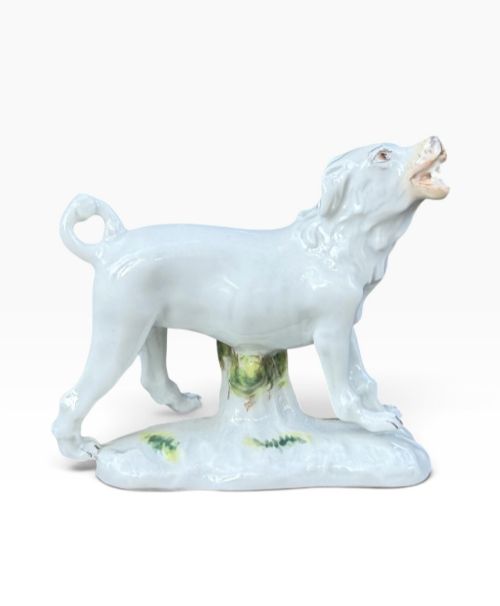
These meissen porcelain ornaments range from figures and groups to birds and parrots across the eighteenth and nineteenth centuries.
Meissen Porcelain Ornaments
When you search for meissen porcelain ornaments, you encounter decorative objects, centrepieces, inkstands and figurines originating from German workshops.
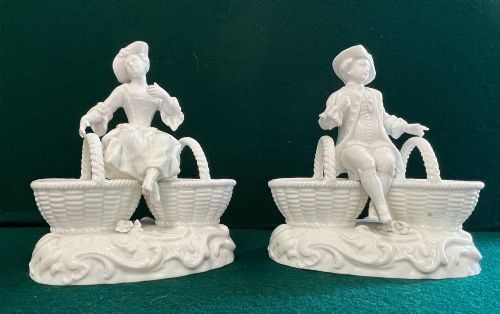
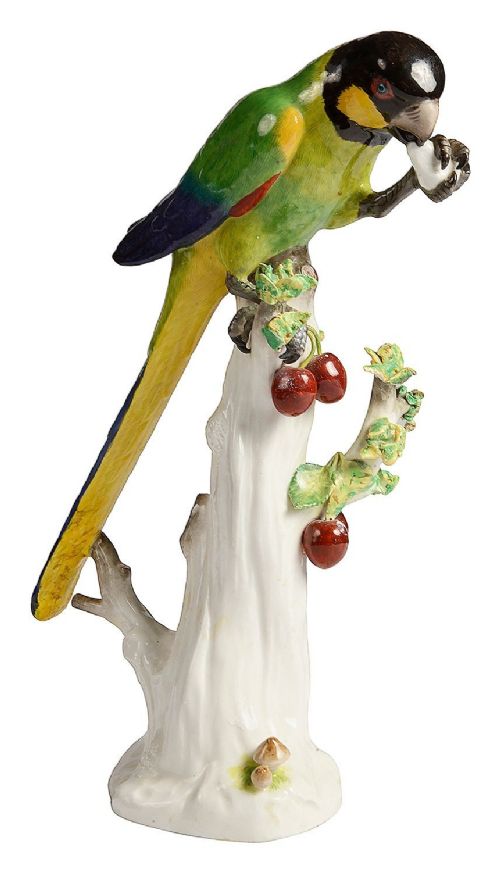
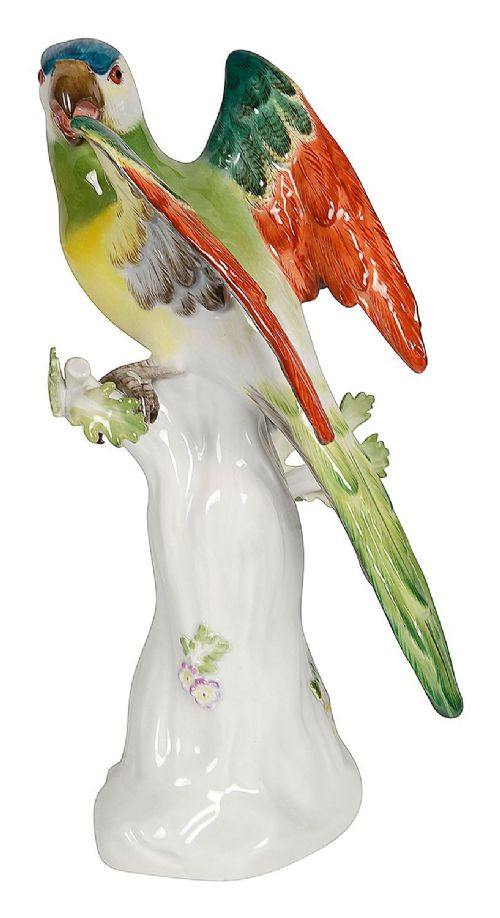
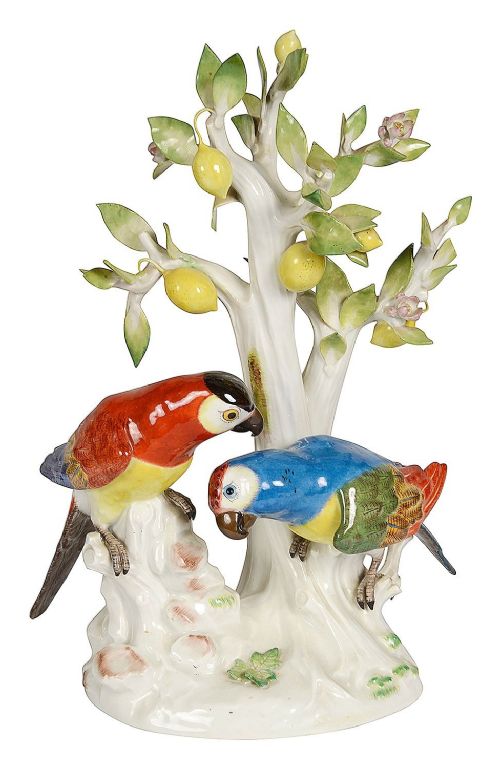
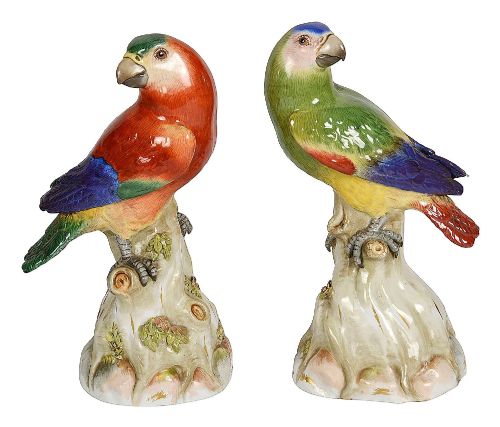
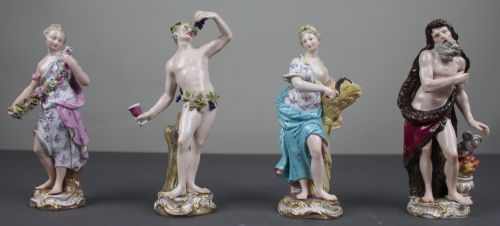
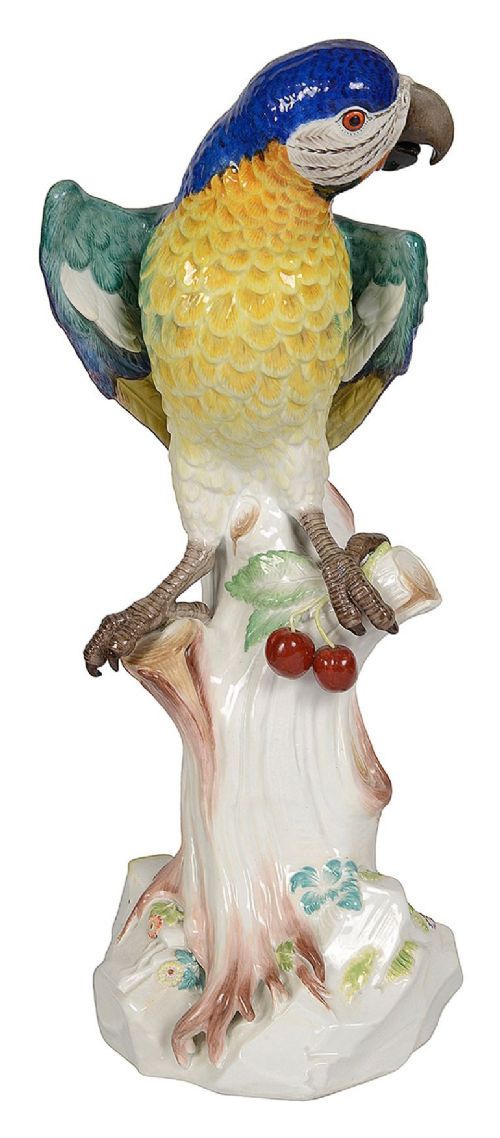
The most common forms on this page include nineteenth-century parrots, eighteenth-century figural groups such as the Four Seasons or street traders, and single figures depicting dancers or musicians.
Makers and related European factories produced these pieces in styles spanning Rococo, Neoclassical and Victorian periods.
How they were made
Makers utilised hard-paste porcelain shaped into moulds, then finished the surfaces with detailed enamel painting and glaze.
Gilt and gold leaf highlights frequently accent the modelled forms, particularly on eighteenth-century figures and nineteenth-century centrepieces.
Specialised techniques applied to these ornaments include the formation of intricate applied elements such as schneeballen covers or fruit and foliage details.
Listings span the Georgian, Victorian and Edwardian eras, featuring hard-paste porcelain, enamel, glaze and gold leaf.
What varies in quality
The refinement of the modelling and the precision of the hand-painted enamel decoration separate ordinary production from superior examples.
Complexity of form, such as multi-figure groups or large avian models, influences the standing of an ornament within its period.
Meissen·Samson Porcelain·Helena Wolfsohn·Sitzendorf
The Meissen Porcelain Ornaments Glossary
- Hard-paste porcelain
- A vitrified ceramic composition fired at high temperatures, offering a durable body that forms the base for Meissen figures.
- Schneeballen
- A dense encrustation of small applied snowball blossoms covering the surface of a vessel or cover.
- Marcolini Period
- The era in the late eighteenth century overseen by Count Marcolini, noted for specific neoclassical tastes in porcelain production.
- Enamel
- Vitreous pigments applied over the glaze and fired again to fix the polychrome colours on the figures.
- Figurine
- A small modelled three-dimensional human or animal representation designed for tabletop display.
Meissen Porcelain Ornaments: Frequently Asked Questions
How do I identify an 18th-century Meissen ornament?
Eighteenth-century examples often display simpler, softer enamel palettes and distinct modelling styles associated with early neoclassical or rococo tastes. The subjects frequently include allegorical figures, street traders or pastoral groups.
Examination of the paste and the underglaze marks helps confirm the manufacturing era, distinguishing eighteenth-century output from later nineteenth-century revivals.
What subjects are common in Meissen bird figures?
Parrots and cockatoos dominate the avian subjects, often modelled perched on tree trunks or naturalistic bases. These birds appear singly or in mirrored pairs.
Sizes vary from small shelf ornaments to large, towering examples exceeding forty centimetres in height.
How should I clean porcelain ornaments?
Dust the surfaces gently with a soft, dry brush to prevent the accumulation of dirt within the crevices of the modelling. Avoid harsh chemical cleaners or abrasive materials.
Keep delicate applied elements, such as leaves and floral encrustations, secure by handling the pieces only by their sturdy main bases.
Are all these pieces made by Meissen?
While the majority originate from the Meissen factory, the listings also include related German porcelain makers and nineteenth-century continental interpretations. Factories such as Sitzendorf and Helena Wolfsohn produced comparable figures.
Checking the specific titles and attributes in each listing clarifies the exact origin of the piece.