



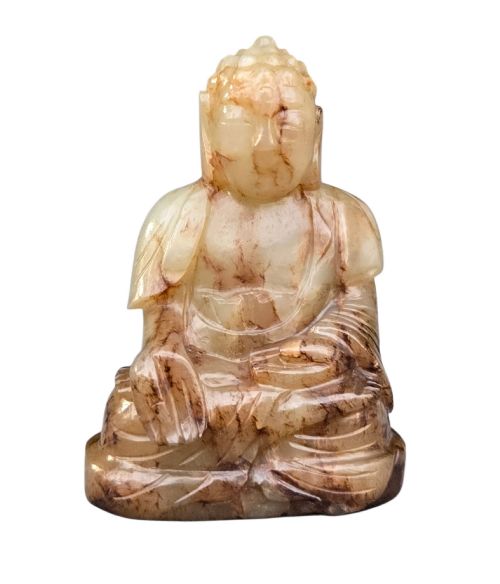


Late Qing Figurines
These late qing figurines bring carved stone, porcelain, and warm hardwood into the room, offering centuries of Chinese craftsmanship.

Late Qing Figurines
When you search for late qing figurines, you enter a world of carved stone, porcelain, soapstone, and hardwood sculptures originating from China. The pieces recorded here span from the late nineteenth century into the opening years of the twentieth century, capturing a distinct period of sculptural output.
You are most likely to meet figures of sages, laughing boys, and deities such as Shoulao and Budai, alongside pairs of birds like cockerels, doves, and Mandarin ducks. Forms range from freestanding decorative figures to functional earthenware incense holders.
The materials reflect the varied workshops of the era, moving from dense hardwoods and carved soapstone to delicate famille rose porcelain and cast bronze. Each object represents the traditional motifs and cultural symbols valued during the Qing dynasty.
How they were made
Carving forms the primary technique for the hardstones, soapstone, jade, and hardwoods seen in these listings. Artisans worked the natural grain of the material to define robes, facial expressions, and accompanying creatures.
Ceramic figures utilise moulding and throwing methods, finished with famille rose enamels or left as earthenware. Bronze and metal pieces rely on casting techniques, often finished with specific marks or patination.
Late Qing Figurines Retail Price Guide 2026
Typical asking prices for late qing figurines among the pieces listed under this phrase on Sellingantiques today, from the lower quarter to the upper quarter. They describe what is for sale here now, not the wider market.
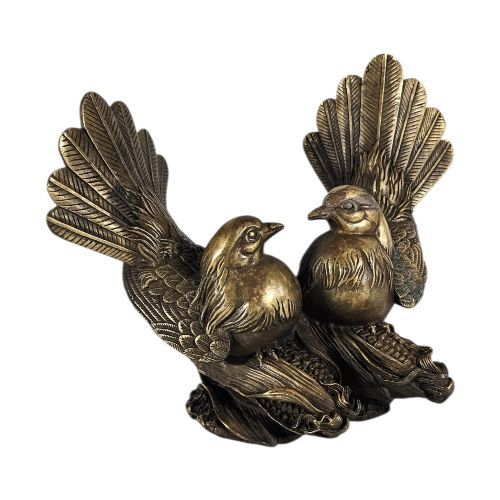
A pair of bronze pigeons waits quietly on the shelf, perhaps pondering their next flight.
What varies in quality
Depth of carving and precision in anatomical and textural detail separate the finer sculptures from simpler workshop pieces. A carefully rendered expression on a figure or feather detail on a bird demonstrates superior handwork.
The choice of raw material dictates the baseline quality, with precious red coral, fine jade, and dense hardwood representing the upper tier of material selection. Preservation of the original surface patination and enamel colour also influences the overall standard.
The Late Qing Figurines Glossary
- Famille rose
- A palette of opaque enamel colours introduced in Chinese ceramics during the Qing dynasty, dominated by pink and rose shades. It allows for soft gradations in floral and figural decoration.
- Soapstone
- A relatively soft, talc-schist stone favoured by carvers for its smooth texture and rich colour variations. It permits intricate undercut work.
- Shoulao
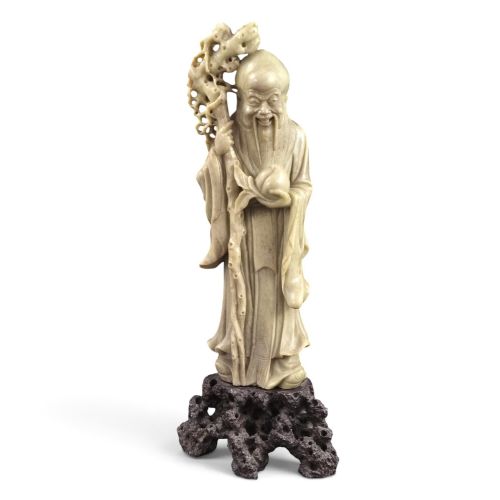
- The Chinese Taoist god of longevity, typically depicted with a high forehead and a staff. He is a frequent subject in carved figures from this period.
- Budai
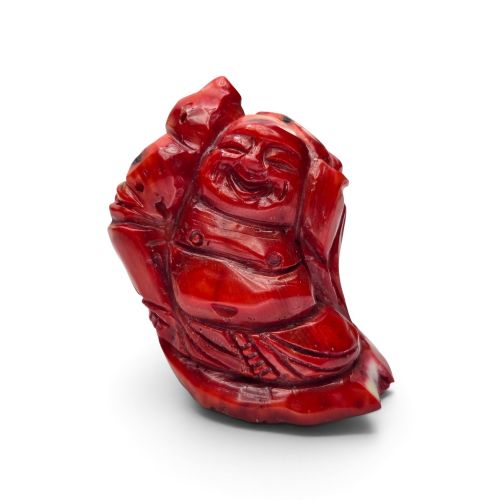
- A eccentric Chinese monk often portrayed as a stout, laughing figure representing happiness and abundance. He appears frequently in coral, porcelain, and stone sculptures.
- Hardwood
- Dense, slow-growth timber such as zitan or huanghuali used for substantial carvings. It holds sharp detail and develops a deep natural sheen over time.
Late Qing Figurines: Frequently Asked Questions
What materials are used in late qing figurines?
The listings show a diverse palette including stone, porcelain, soapstone, enamel, hardwood, bronze, red coral, and earthenware.
Carvers utilised these media depending on the workshop and the intended status of the sculpture.
How do I identify a late qing figure?
Look to the stylistic conventions, typical materials like soapstone and famille rose porcelain, and dating indicators pointing to the late nineteenth century.
Comparing the subject matter, such as traditional deities or paired birds, helps place the object in its historical context.
Were these figures meant for display?
Most functioned as decorative sculptures or scholar's desk items intended to bring auspicious meaning to interior spaces.
Certain earthenware examples also served practical roles as incense holders.
How should I care for hardwood and soapstone?
Keep soapstone and hardwood pieces away from direct sunlight and sudden temperature shifts to protect their natural surfaces.
Dust them gently with a soft dry cloth without applying harsh chemical polishes.