




Victorian Planter Table
A victorian planter table brings nineteenth-century horticulture directly into a room, combining the practical demands of indoor plants with fine cabinet-making.
Victorian Planter Table
A victorian planter table combines a decorative plant container with a functional side table or stand, often featuring a removable metal liner or ceramic insert designed to hold damp soil or potted flora. These pieces range from compact occasional tables to substantial display stands intended for grand reception rooms.
The selections on this page draw from nineteenth-century British, French, and Asian traditions, encompassing burr walnut marquetry, ebonised wood, and carved hardwood. Many share forms with wine coolers, cellarettes, and torchères, reflecting the period's overlapping uses for domestic vessels.
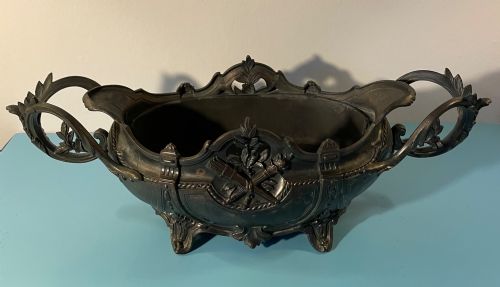
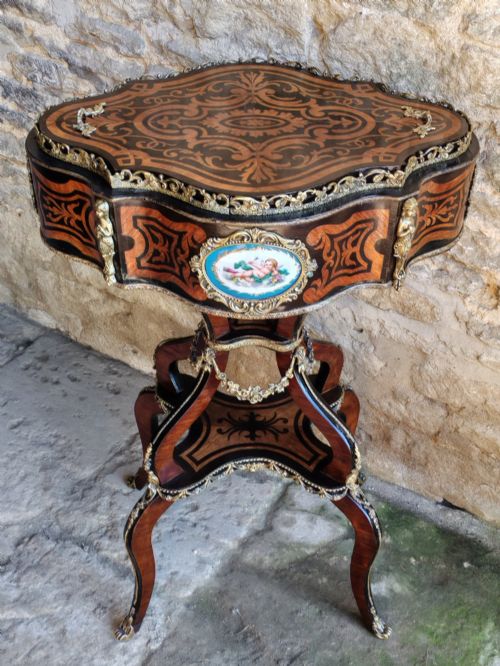
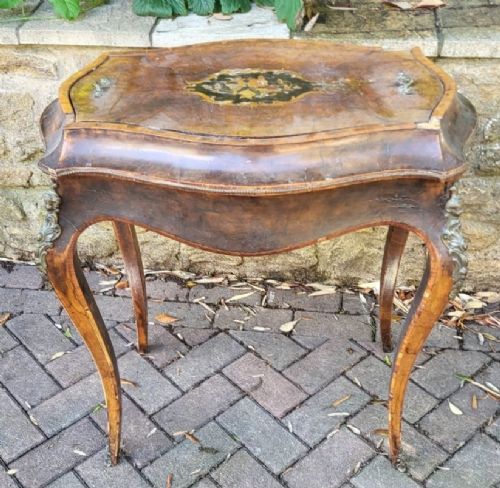
French examples lean towards kingwood, ormolu mounts, and porcelain plaques in the manner of Louis XV revival, while Chinese export pieces utilise dense carved hardwoods and marble inserts. Burr walnut and mahogany versions represent the British output, often incorporating lift-off lids for dual utility as flat-topped tables.
Materials and Technique
Cabinet-makers built the structural carcases from native hardwoods such as mahogany and walnut, frequently applying decorative veneers like burr walnut, kingwood, and aboyna in intricate marquetry patterns. Ebonised finishes provided a dense black surface that contrasted effectively with gilt metal mounts and porcelain plaques.
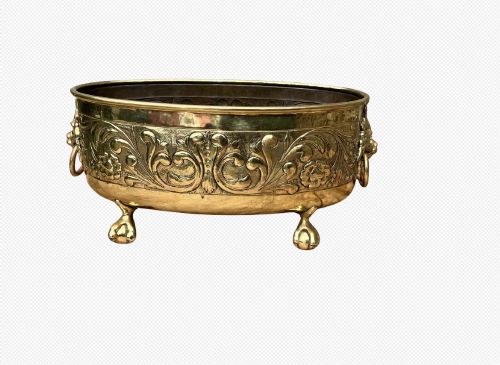
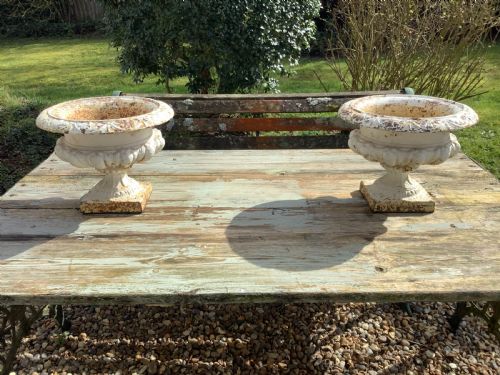
Metalwork played a structural and decorative role, with brass, bronze, and ormolu forming liners, handles, and cast mounts. Cast iron and wrought iron appeared in heavier garden and conservatory racks, while porcelain and marble served as decorative plaques and inset tops.
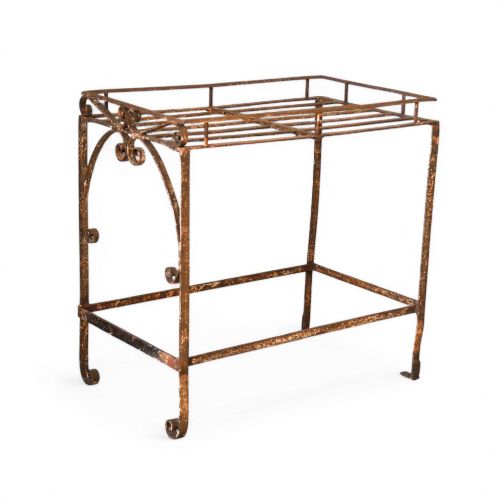
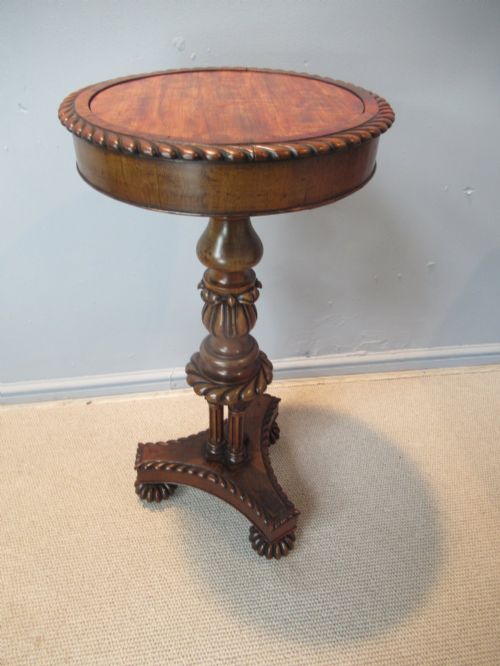
Listings feature nineteenth-century planter tables in burr walnut, ebonised wood, and kingwood, alongside cast iron and wrought iron stands.
Assessing Quality
Quality rests in the crispness of the timber veneers, the precision of the marquetry inlay, and the weight and detail of the metal mounts. Finer examples display hand-chased ormolu and robust internal liners rather than stamped pressings and thin veneers.
The integrity of the structural joinery separates standard production from superior cabinet-making, particularly where lids, liners, and stands meet. Finer execution shows in the depth of timber carving and the harmonious balance between the plant housing and the supporting legs.
Kister·Scheibe-Alsbach·Daniel & Arter
The Victorian Planter Table Glossary
- Jardiniere
- A decorative pot or stand for holding plants or flowers. These vessels form the central container element of a planter table.
- Ormolu
- Gilded bronze used for decorative mounts and feet on nineteenth-century furniture. This technique adds a bright metallic accent to dark woods.
- Marquetry
- Inlaid wood veneers forming decorative patterns or pictures on table tops and friezes. Craftsmen utilised contrasting timbers to create complex geometric or floral designs.
- Cellarette
- A lockable container for holding bottles, which shared similar forms and internal metal linings with nineteenth-century planter tables.
- Portico Planter
- A stand or table style characterised by architectural supports resembling classical columns or porticos.
Victorian Planter Table: Frequently Asked Questions
What is a victorian planter table?
A victorian planter table is a nineteenth-century piece of furniture designed to display indoor plants while functioning as a side table or stand.
These items usually incorporate a waterproof metal or ceramic liner within a decorative wooden or metal frame, allowing greenery to sit safely inside domestic rooms.
How were planter tables used?
Nineteenth-century households used these tables to bring ferns, palms, and flowering plants into parlours and drawing rooms without risking water damage to carpets.
Many designs included lift-off lids or removable trays, letting the owner convert the piece from a plant display into a flat surface for serving or lamps.
How do I care for wood and metal?
Maintenance requires keeping timber surfaces dry and polishing them occasionally with traditional beeswax to preserve the grain and veneer.
Metal liners should be removed and emptied regularly to prevent moisture accumulation from damaging the surrounding wood or ormolu mounts.
How do I identify French revival styles?
French revival pieces from the nineteenth century typically feature curved cabriole legs, kingwood or rosewood veneers, and detailed gilt bronze or ormolu mounts.
They often incorporate porcelain plaques painted with figures or floral motifs, reflecting the courtly aesthetics of Louis XV and Napoleon III.