

Victorian Plant Table
A victorian plant table brings organic form into a room, supporting botanical displays through raised stands and occasional surfaces crafted in the nineteenth century.
Victorian Plant Table
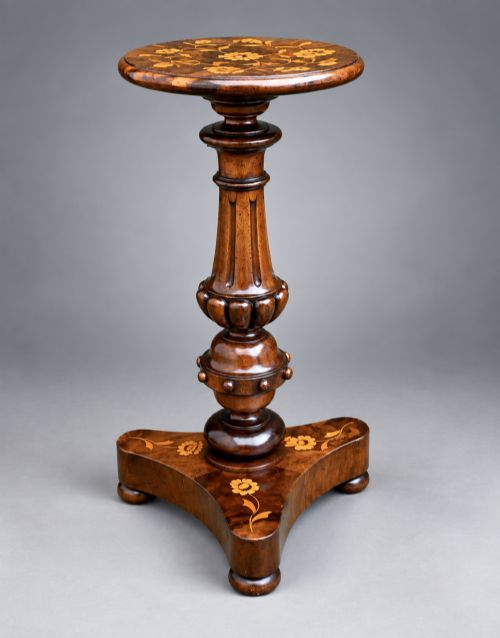
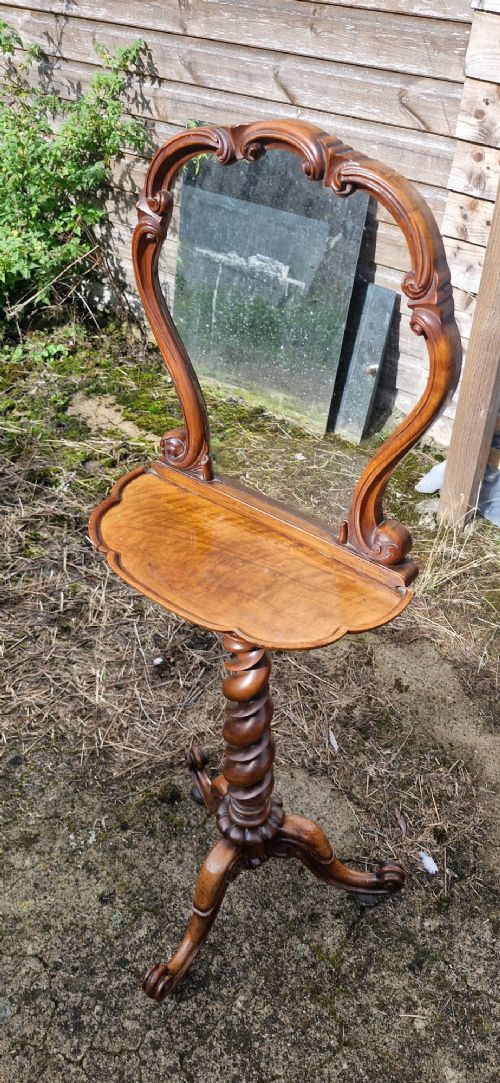
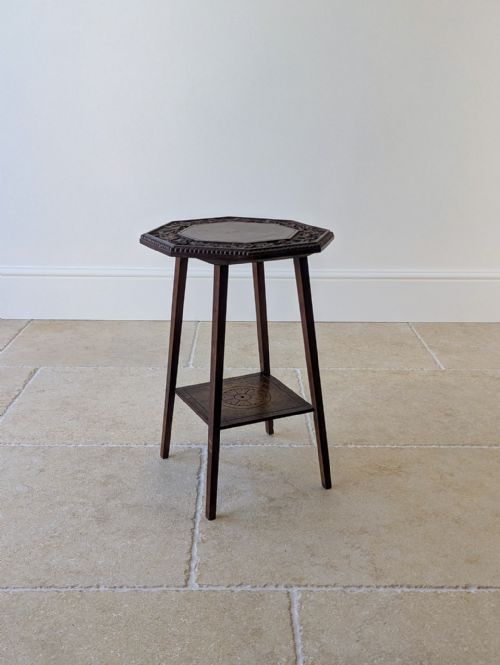
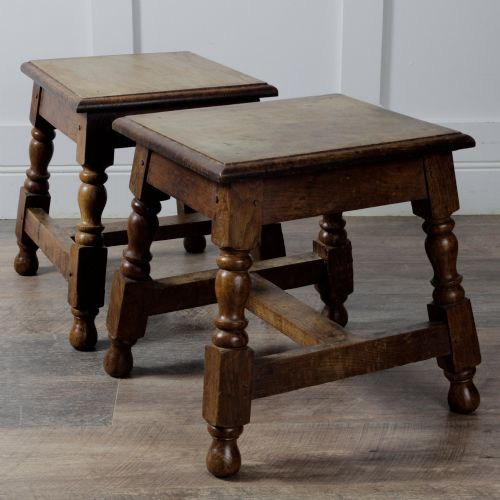
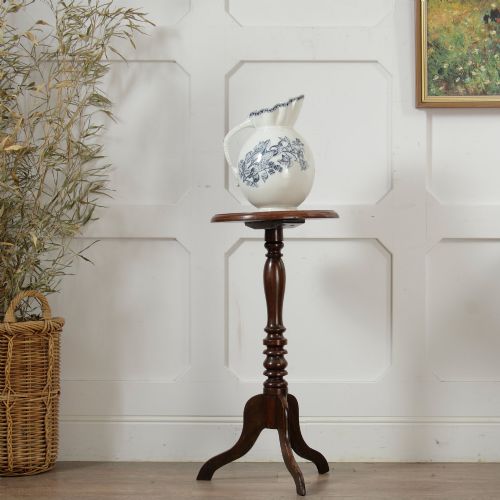
A victorian plant table encompasses an array of specialised furniture designed to display greenery, from dedicated jardiniere stands and pedestals to occasional tables adapted for botanical use. The forms range from compact walnut lamp tables and mahogany wine stands to octagonal tables with bone inlay.
Buyers frequently encounter variations rooted in the aesthetic movement, arts and crafts ideals, and moorish revival styles. Pieces span the decades from the mid nineteenth century into the opening years of the twentieth, reflecting shifting domestic tastes for interior botany.
Materials and construction
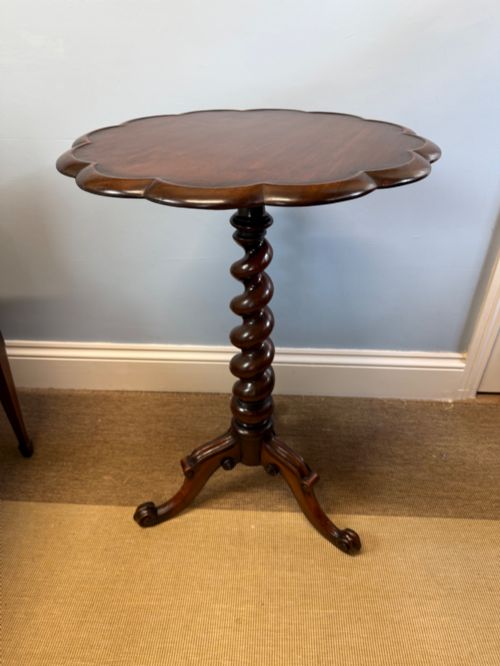
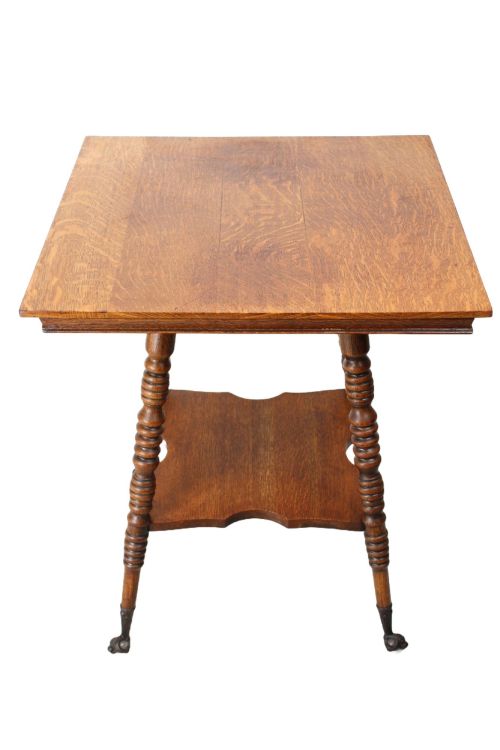
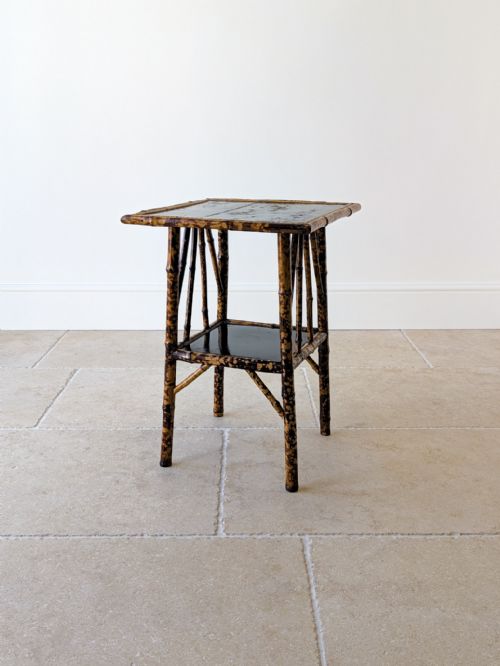
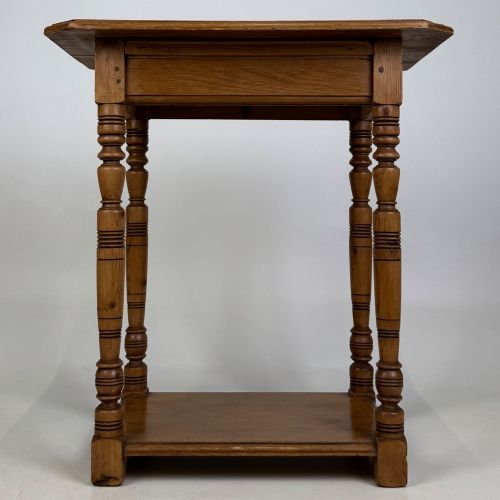
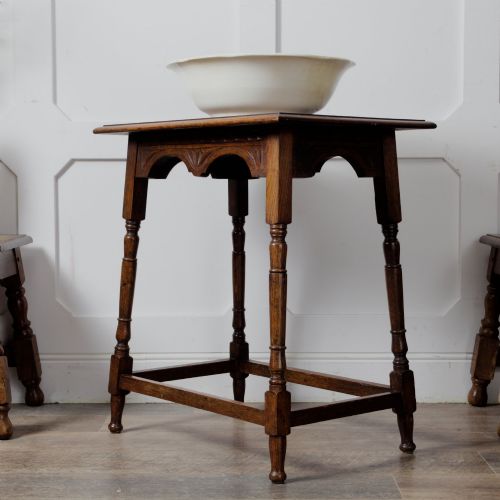
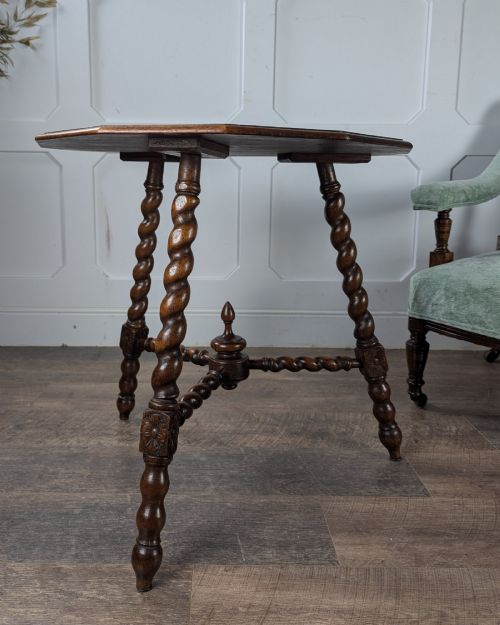
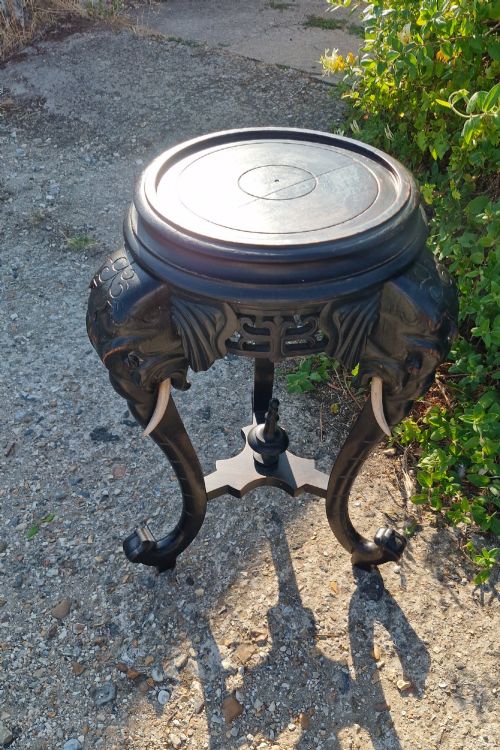
Cabinetmakers utilised timber such as mahogany, walnut, oak, and hardwood, alongside ebonised finishes and exotic bamboo. Structural integrity relied on traditional jointing, complemented by turned barley twist supports and carved detailing.
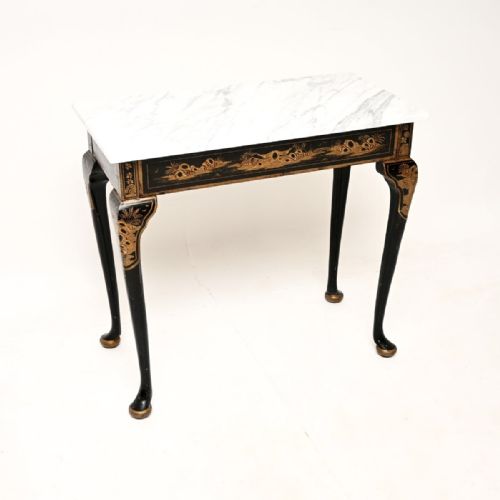
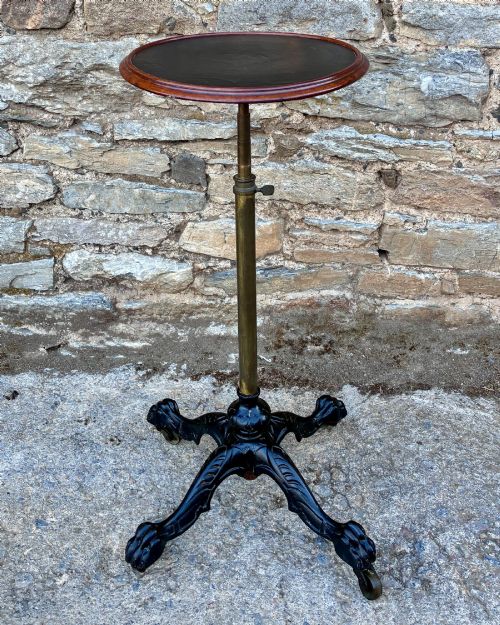
Surfaces often incorporate inset marble slabs to resist moisture from pots, alongside brass mounts, glazed sections, and bone inlay. Specialised examples employ wrought iron, cast iron, and rustic twig work for outdoor or conservatory placement.
Listings feature woods including mahogany, walnut, and oak, alongside ebonised finishes, marble inserts, and bamboo frames spanning the nineteenth century.
Distinguishing quality
Quality rests upon the selection of timbers, such as burr walnut or figured mahogany, and the crispness of hand-carved ornamentation. Finer examples display meticulous joinery and integrated materials like veined marble or inset tiles.
Design ambition separates standard utility items from distinctive artistic pieces bearing stylistic influences from designers like E.W. Godwin or retail houses of the period. The harmony of proportions and the preservation of original surface finishes determine the standing of each piece.
Hindley and Sons·Liberty and Co·William Birch·Druce and Co London·Shoolbred
The Victorian Plant Table Glossary
- Jardiniere
- An ornamental pot or stand for holding plants or flowers. These receptacles often feature metal liners or waterproof inserts.
- Torchere
- A tall stand designed to support a lamp or plant. Originating as lighting supports, they evolved into display pedestals.
- Ebonised
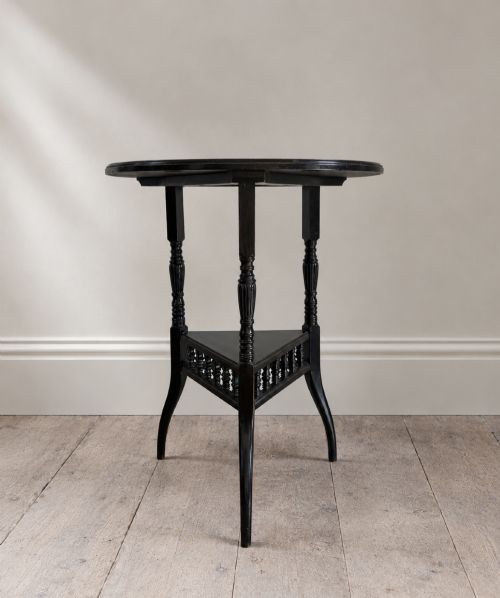
- Wood stained or painted black to imitate ebony. This finish gained popularity during the aesthetic movement.
- Barley twist
- A turned wooden column resembling the spiral shape of barley sugar. It provides vertical decoration on table legs and pedestals.
- Marquetry
- Decorative veneer work arranged in pictorial or geometric patterns. It appears on tabletops and cabinet fronts.
Victorian Plant Table: Frequently Asked Questions
How were plant tables used?
These tables accommodated potted ferns, palms, and flowering plants within parlours, drawing rooms, and conservatories. The raised surfaces protected flooring from moisture and brought greenery into direct line of sight.
Many designs doubled as lamp tables or wine stands when not supporting botanical specimens.
How do I care for marble tops?
Marble surfaces require simple dusting and prompt wiping of any spilled water or plant feed. Avoid harsh acidic cleaners that can etch the polished stone.
Using protective pads beneath heavy pots prevents scratching and preserves the finish.
Are bamboo tables sturdy?
Victorian bamboo furniture utilises kiln-dried canes joined with pinned tenons and wrapped bindings. While lightweight, well-constructed examples offer sufficient stability for standard decorative use.
Keeping them away from extreme humidity changes protects the natural material from splitting.