

Dark Wood Plant Stands
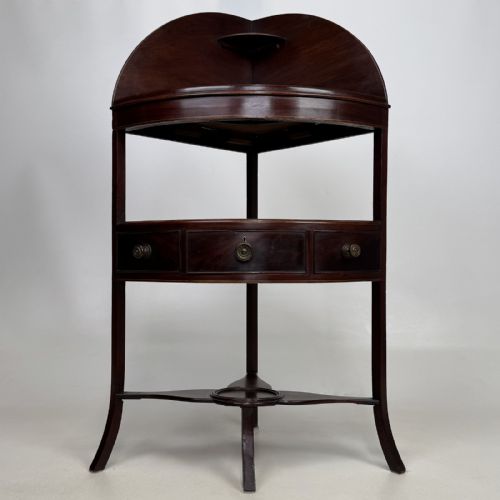
Dark wood plant stands elevate foliage upon mahogany, oak, walnut and rosewood supports shaped across the nineteenth and early twentieth centuries.
Dark Wood Plant Stands
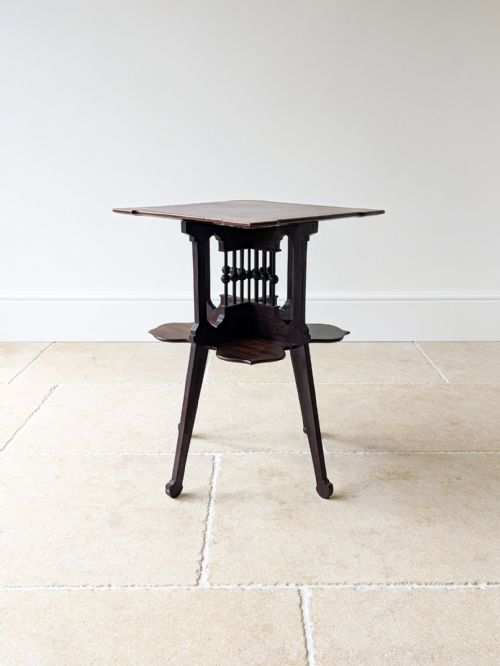
Dark wood plant stands serve to elevate botanical specimens and decorative urns within domestic interiors, drawing on forms recorded from the nineteenth and early twentieth centuries. When searching for dark wood plant stands, buyers encounter tall torcheres, tripod pedestals and low occasional tables adapted to support potted flora.
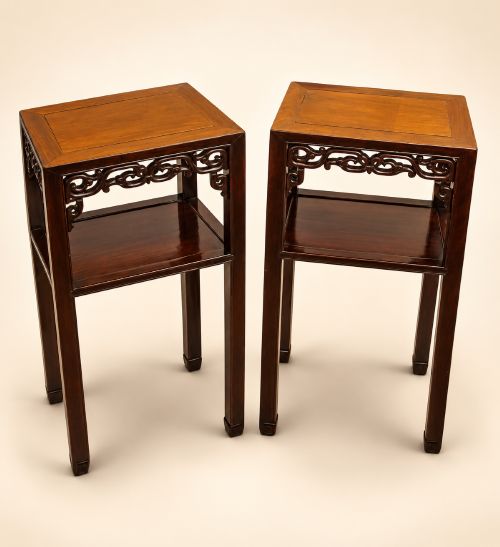
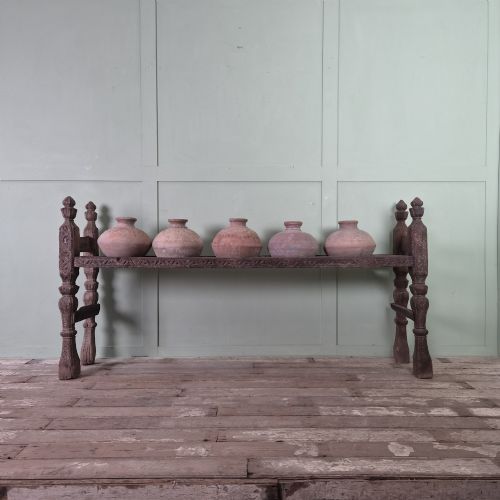
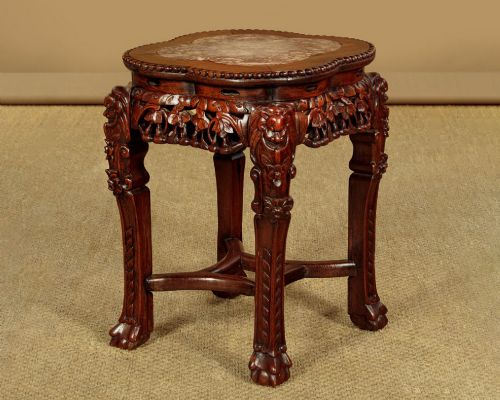
Makers utilised dense timbers such as mahogany, oak, walnut and rosewood to construct these stable platforms. Surviving examples reflect Victorian, Edwardian and Arts and Crafts design idioms, alongside regional styles including Anglo-Indian and Qing Dynasty carving.
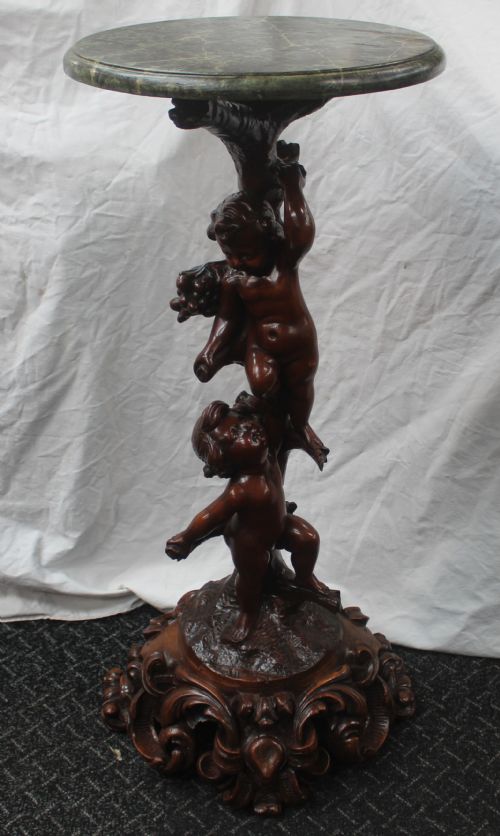
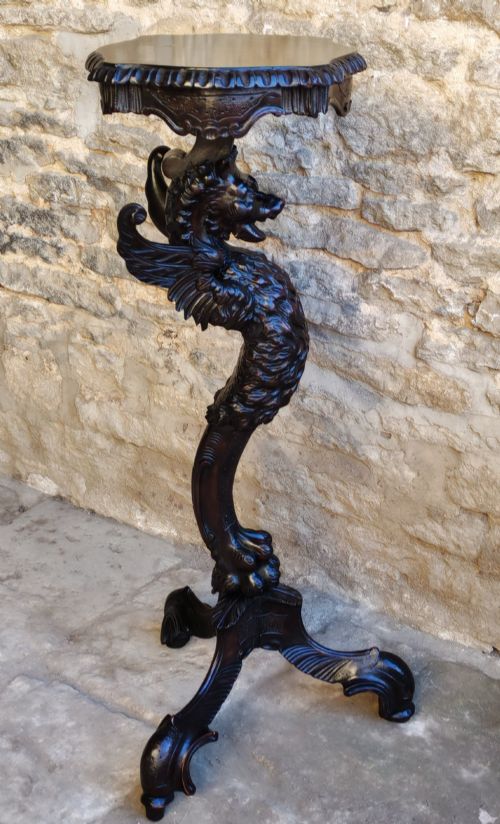
The selection ranges from slender Italian torchere stands and carved urn pedestals to multi-tiered stands and smaller lamp tables. Each piece provides a compact footprint designed to display plants or decorative objects at a convenient height.
Materials and construction methods
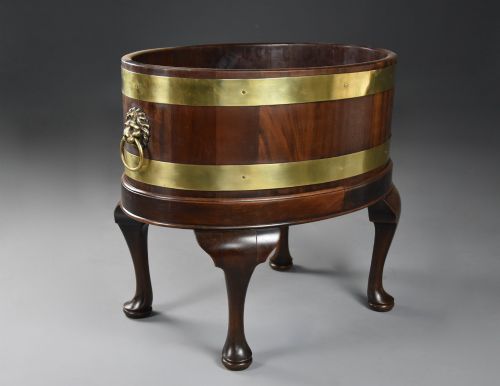
Craftsmen built dark wood plant stands primarily using solid timbers like mahogany, oak, walnut and rosewood, occasionally incorporating marble inserts or brass galleries for protective edging and decorative contrast. Structural stability was paramount for supporting heavy earthenware pots, leading to robust tripod bases, pegged joints and weighted pedestals.
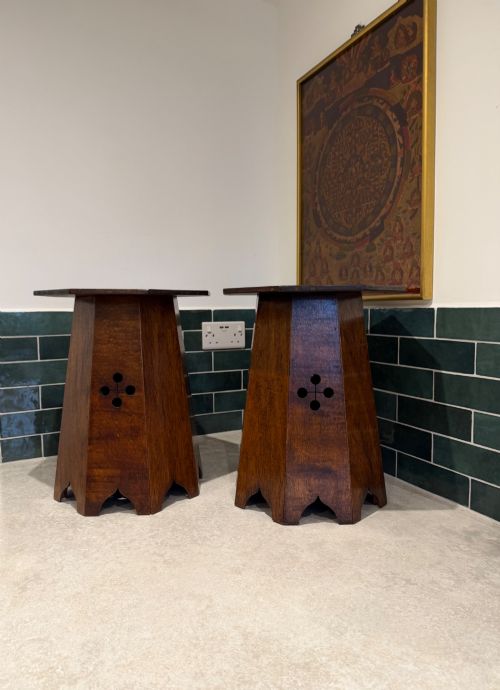
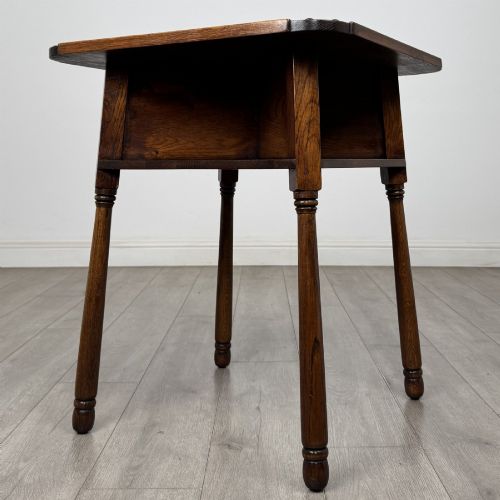
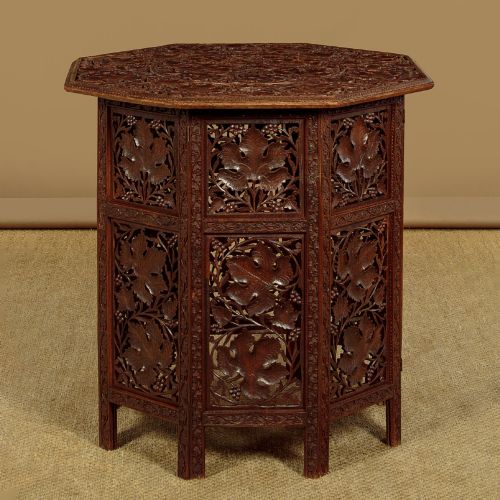
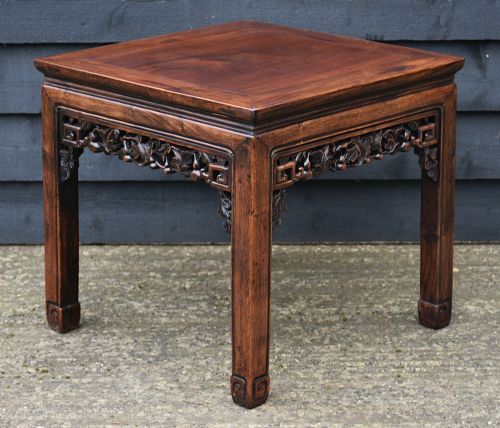
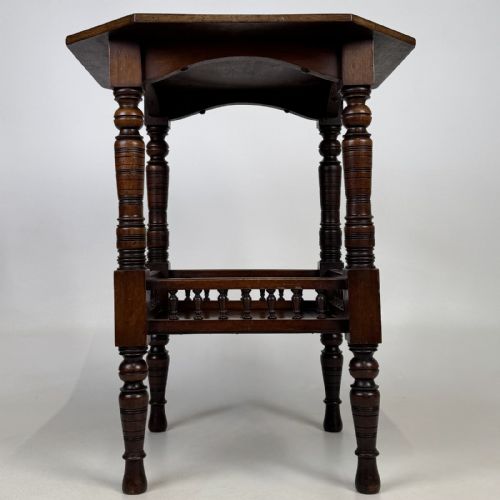
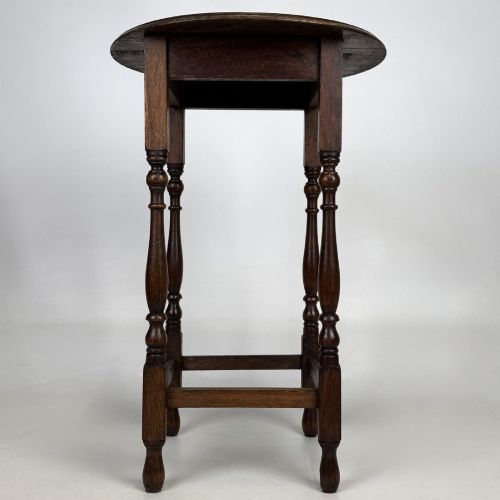
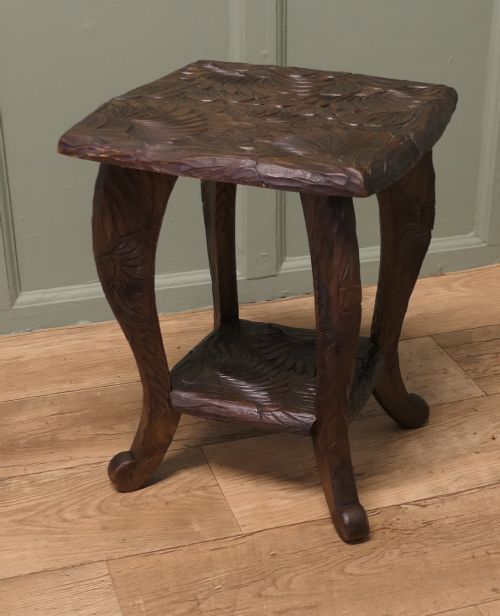
Carving techniques varied widely across regions and workshops, from the intricate floral motifs found on Anglo-Indian and Chinese hardwood pieces to the geometric peg construction of Arts and Crafts oak tables. Ebonised finishes and inlaid mahogany veneers also appear, demonstrating the diverse surface treatments applied by period cabinetmakers.
Dark Wood Plant Stands Retail Price Guide 2026
Typical asking prices for dark wood plant stands among the pieces listed under this phrase on Sellingantiques today, from the lower quarter to the upper quarter. They describe what is for sale here now, not the wider market.
Judging the quality of construction
Quality in these stands rests upon the selection of timber and the integrity of the joinery rather than ornate decoration alone. Solid hardwood frames with well-fitted joints, such as pegged construction or stable tripod legs, distinguish sturdier examples from lighter occasional pieces.
Execution of carved details and the crispness of turned wooden elements reveal the maker's hand. Finer items exhibit precise inlay work, well-balanced proportions and undamaged marble inserts or brass fittings that remain flush with the surrounding wood.
Warings And Gillow·Liberty And Co
The Dark Wood Plant Stands Glossary
- Torchere
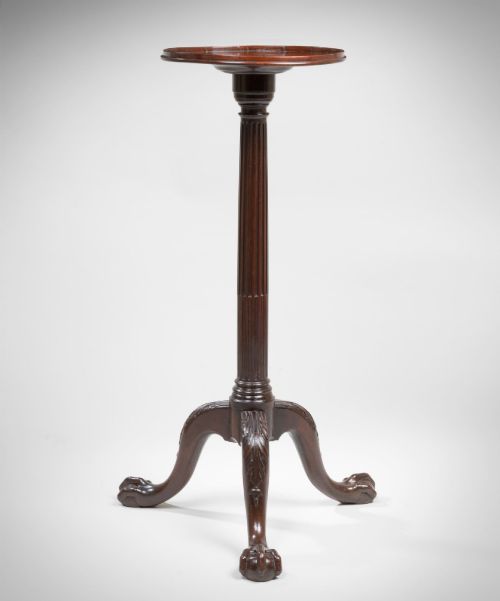
- A tall, slender stand designed originally to hold a candle or lamp, frequently adapted as a plant pedestal. These tall supports typically feature tripod bases and carved shafts.
- Tripod base
- A three-legged support system providing stability for tall pedestals and small tables on uneven floors. This configuration appears frequently on nineteenth-century candle stands and plant pedestals.
- Brass gallery
- A low pierced metal rail fitted around the perimeter of a tabletop to prevent items from sliding off. Such galleries add both functional security and decorative contrast to mahogany surfaces.
- Pegged top
- A tabletop secured to its base using visible wooden dowels rather than hidden metal fasteners. This traditional method denotes solid timber construction associated with Arts and Crafts furniture.
- Occasional table
- A small, versatile table intended for specific, intermittent use rather than central seating arrangements. These pieces frequently double as plant stands or lamp tables in period interiors.
Dark Wood Plant Stands: Frequently Asked Questions
What distinguishes a plant stand from a side table?
Plant stands generally feature taller, narrower proportions and smaller top surfaces designed specifically to elevate a single potted plant or urn. They often incorporate stable tripod bases or slender columns to maximise height while minimising floor space.
Side tables offer broader surfaces intended for lamps, books or cups, prioritising stability across lower, wider frames. While many small tables function interchangeably for plants today, their original dimensions dictate their primary domestic purpose.
How do I care for antique dark wood surfaces?
Antique hardwoods require stable indoor humidity levels and protection from direct sunlight to prevent the timber from splitting or fading. Regular dusting with a soft, dry cloth maintains the finish without stripping natural oils.
Avoid placing damp pots directly onto untreated wood surfaces to prevent water rings and staining. Utilising protective saucers beneath plants preserves the integrity of the antique tabletop.
How can I date a wooden stand?
Dating relies on examining the timber species, construction techniques, and stylistic markers such as turned legs, inlay work or carved motifs. Victorian pieces often display heavier proportions and ebonised finishes, whereas Edwardian examples frequently feature inlaid mahogany and lighter frames.
Tool marks, joinery methods and hardware like brass galleries provide further chronological clues. Examining the underside of tops and joints reveals how period cabinetmakers assembled the piece.
Where should I place a torchere stand?
Torchere stands suit corners, empty wall spaces or flanking larger pieces of furniture where their height draws the eye upward. Their narrow footprints allow them to fit into compact areas without obstructing room traffic.
Positioning them away from heavy footfall protects their slender tripod bases from accidental knocks. Placing trailing plants or tall floral arrangements upon them balances their vertical elevation.