


Victorian Oil Portrait Canvas
When you search for a victorian oil portrait canvas, you step into a world of nineteenth-century likenesses rendered in oil paint.
Victorian Oil Portrait Canvas
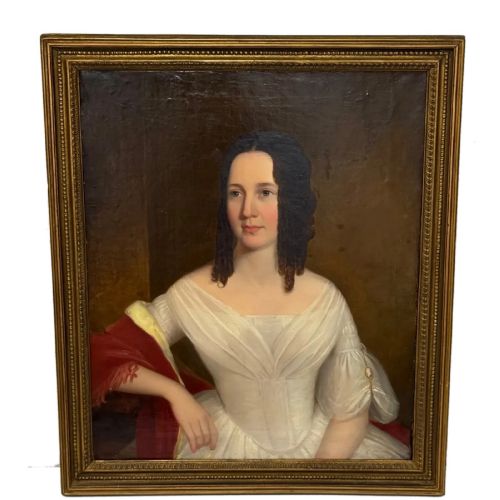
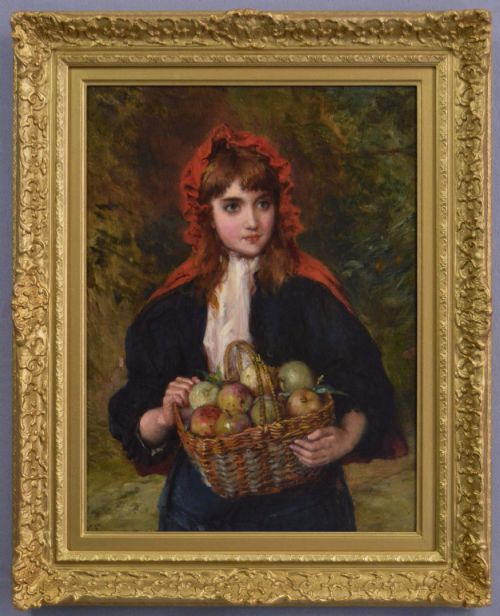
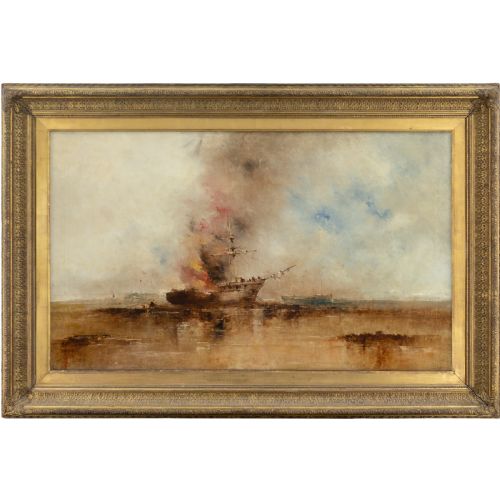
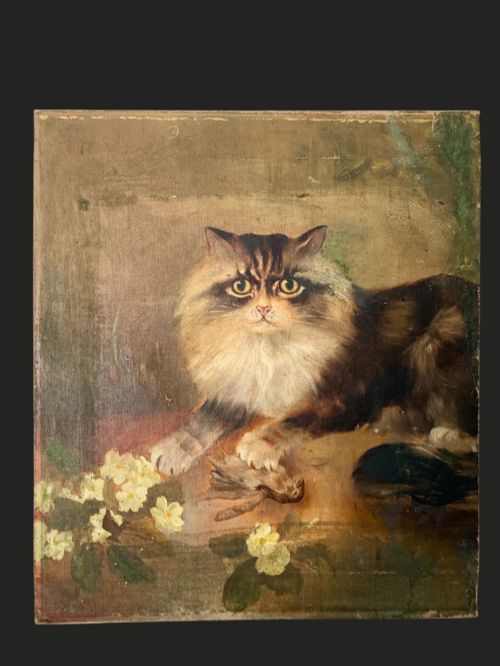
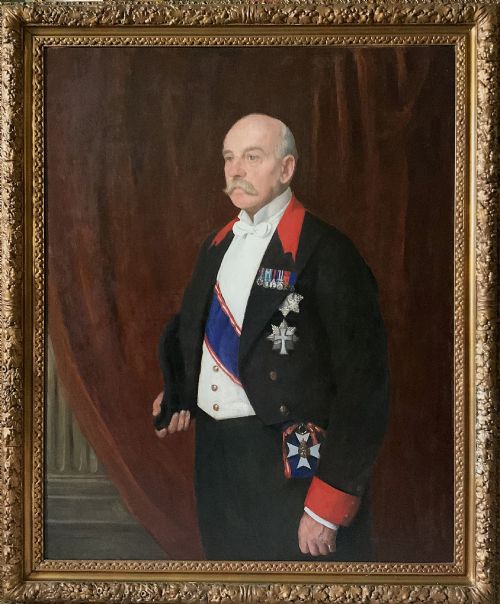
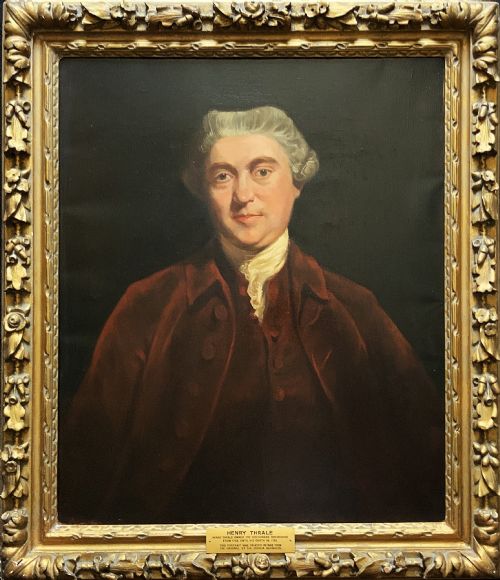
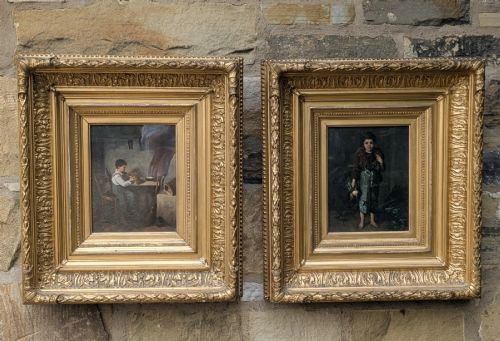
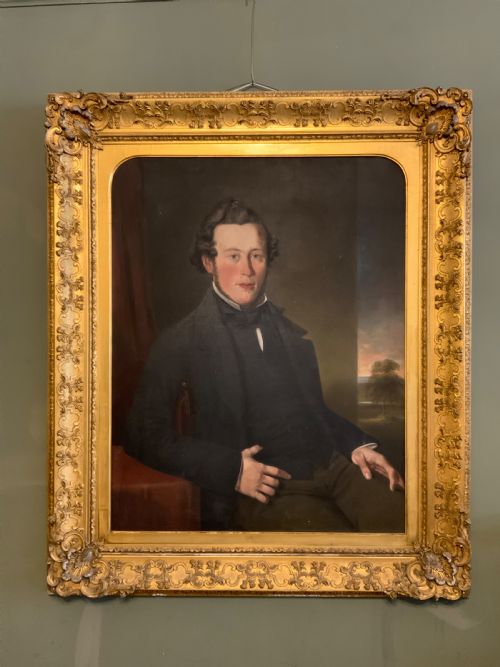
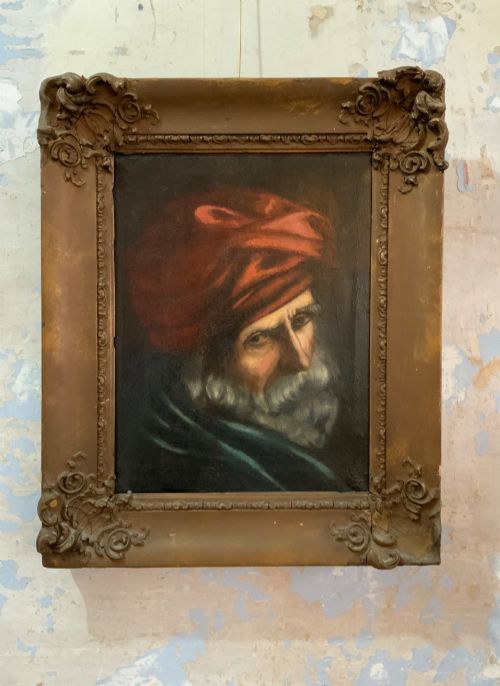
A victorian oil portrait canvas captures the likeness of nineteenth-century sitters, ranging from gentlemen and ladies to children and animals. These works frequently emerge from British, French, and wider European schools across the eighteen-fifties to the nineteen-hundreds.
The assortment includes academic studies, naive school depictions, and formal commissions housed within period frames. Buyers encounter both solitary figures and paired portraits reflecting the social texture of the era.
Materials and construction
Painters applied oil paint directly onto stretched canvas, sometimes supported by wood panels or gesso grounds. Makers enclosed completed works within giltwood, gesso, or carved wooden frames utilising gold leaf finishes.
Surfaces developed characteristic craquelure over decades, whilst conservation work occasionally involved relining older canvases to stabilise the structural fabric.
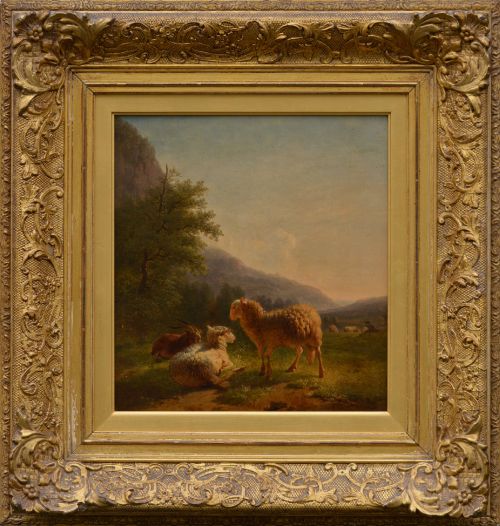
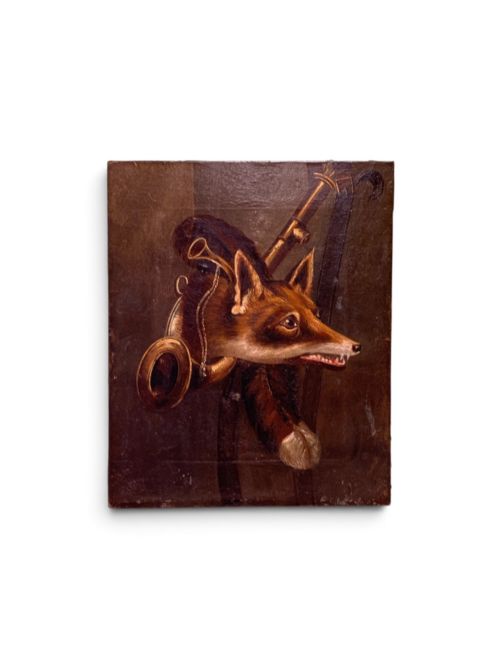
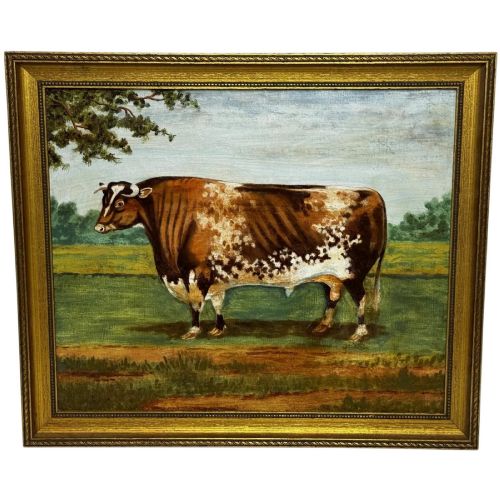
The archive records numerous Victorian portraits of gentlemen and ladies alongside sporting and animal studies.
Assessing the standard
The distinction between tiers rests upon the anatomical precision of the subject and the sensitivity of brushwork. Master painters captured light, fabric texture, and psychological depth with a surety absent in lesser hands.
Frame preservation also influences the piece, as original swept giltwood mouldings complement the canvas far better than later replacements.
William Oliver·Eugène Verboeckhoven·John Maler Collier·Vittorio Reggianini·Albert Clark·Martin Theodore Ward·Howard Helmick·Margaret Sarah Carpenter·Adelaïde Salles-Wagner·Max Kaltenmoser
The Victorian Oil Portrait Canvas Glossary
- Canvas
- A woven fabric stretched across a wooden frame to serve as the foundational support for oil paintings. It flexes slightly with atmospheric changes.
- Giltwood
- Wood carved and coated with a thin layer of gold leaf or metallic powder. This material defined the ornate frames popular in nineteenth-century interiors.
- Impasto
- Paint applied thickly to a canvas, leaving visible brush marks that create a textured, three-dimensional surface. It adds tactile weight to highlights and fabrics.
- Naïve school
- Art produced by painters with little or no formal academic training, characterised by flat perspective and direct charm. These works offer a refreshing contrast to rigid academic realism.
- Relining
- A conservation technique where a deteriorated original canvas is adhered to a fresh backing fabric for structural support. It preserves fragile works for future generations.
Victorian Oil Portrait Canvas: Frequently Asked Questions
Where were these portraits hung?
Original owners displayed these works in the reception rooms, libraries, and hallways of substantial homes to project family lineage and status. Paired portraits often flanked fireplaces or architectural doorways.
Domestic lighting during the period relied on candles and gas lamps, which influenced how artists used contrast and shadow.
How do I date an oil portrait?
Clothing styles, hairstyles, and framing techniques provide the clearest initial indicators of a portrait's creation period. Documentation, sitter identification, or artist signatures offer more precise chronological markers.
Canvas stamps and stretcher construction also help specialists narrow down the decade of production.
Can I reframe an antique painting?
Retaining the frame that accompanies the piece is generally preferred, especially if it is period giltwood. Swapping frames alters the historical presentation established over generations.
If a frame suffers severe structural failure, seek professional advice before making any alterations.