
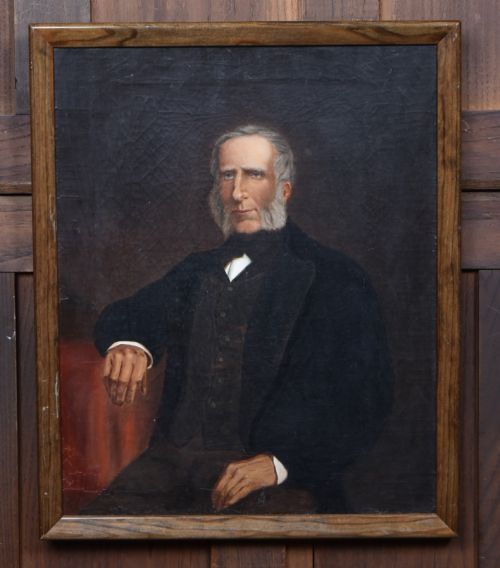
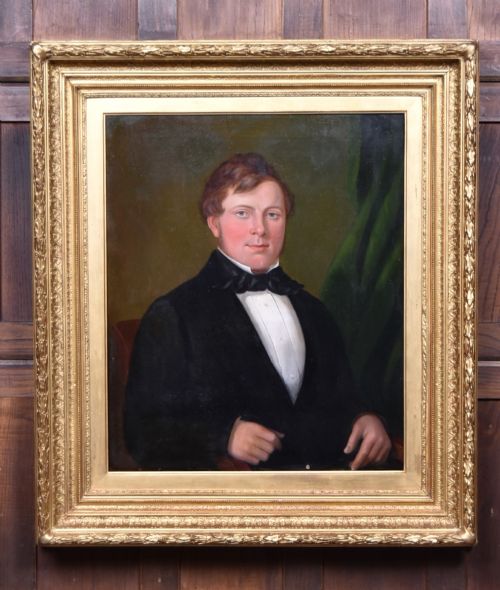
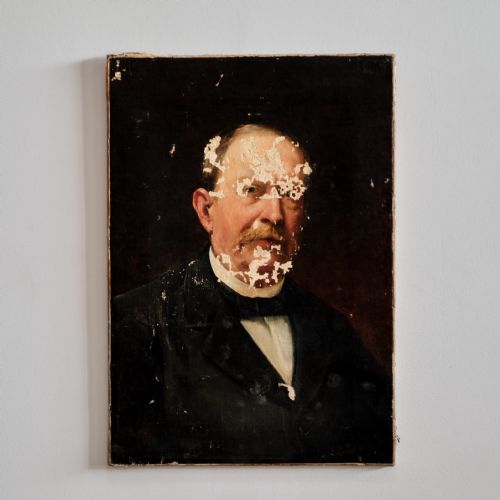
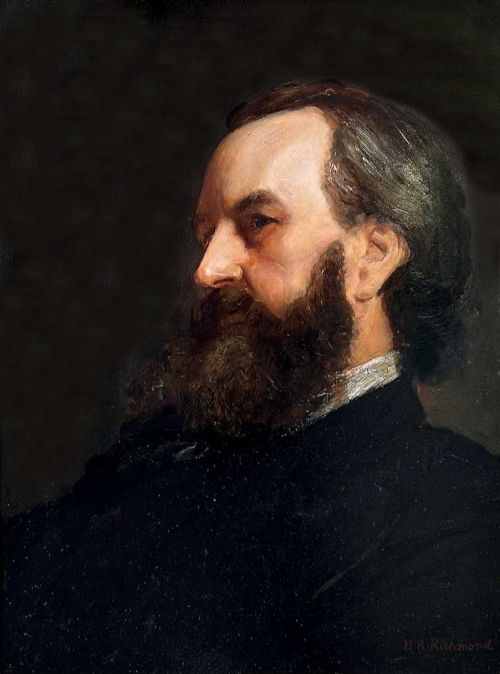




Black Coat Gentleman Portrait
A black coat gentleman portrait offers a direct encounter with historical character, capturing dignified sitters through oil on canvas and painted miniatures.
Black Coat Gentleman Portrait
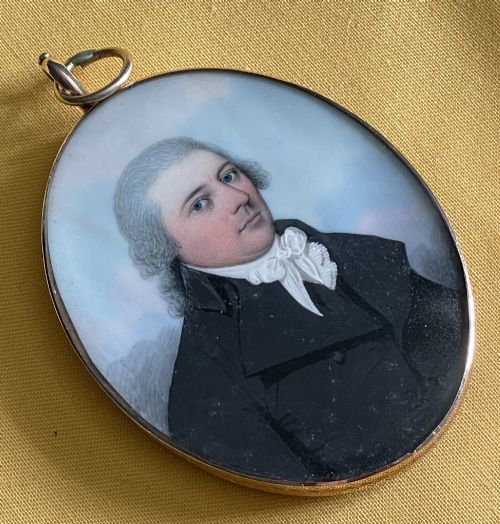
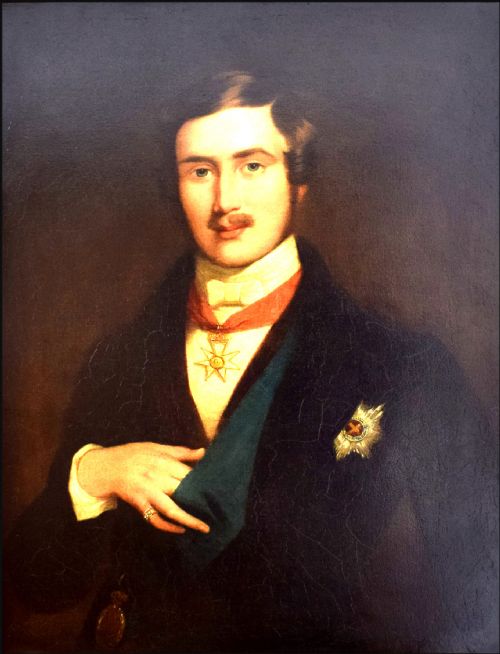
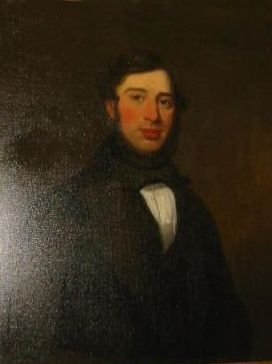
A black coat gentleman portrait presents male subjects dressed in dark formal attire, originating primarily from the eighteenth and nineteenth centuries. These works span standard oil paintings on canvas or panel alongside delicate portrait miniatures and reverse glass pictures.
The pieces on this page emerge from distinct traditions including Georgian folk art, Victorian academic painting, and regional English or American schools. Sitters range from named historical figures and clergymen to anonymous gentlemen rendered with striking realism.
Buyers encounter everything from large canvas works framed in gold leaf and gesso to intimate portable miniatures. The prevalence of nineteenth century examples reflects the era's strong demand for personal and familial likenesses.
Materials and technique
Miniatures and reverse glass pictures employed specialised supports like glass and ivory, requiring meticulous brushwork on a miniature scale. Original framing often involved moulded wood finished with gesso and gold leaf to complement the dark formality of the portrait.
Distressed surfaces and craquelure appear naturally through age, showing the interaction between oil paint and its organic ground over generations. Conservation histories vary, with some pieces retaining untouched nineteenth century varnish while others show evidence of past restoration.
Listings feature oil on canvas, wood panels, glass, and gold leaf gesso frames across the eighteenth and nineteenth centuries.
Judging quality
Quality rests upon the artist's ability to render anatomical structure and psychological depth within the face, moving beyond rigid formulaic representation. Superior examples demonstrate confident brushwork in the handling of skin tones and the light catching a dark lapel.
The integrity of the original support and framing plays a significant role, as untouched canvases and period gold leaf gesso frames elevate the complete object. Naive folk art pieces possess charm through their directness, whereas academic works by documented artists command attention for technical mastery.
William Blake Richmond·Frederick Buck·Rudolph Lehmann·Sir William Charles Ross
The Black Coat Gentleman Portrait Glossary
- Canvas
- A heavy woven fabric stretched across a wooden frame to serve as a support for oil painting. It provides a textured surface that interacts with historical brushwork.
- Gesso
- A plaster-like mixture applied to wooden frames or panels as a smooth base for gilding with gold leaf. It cracks and ages in characteristic patterns over centuries.
- Portrait Miniature
- A small, highly detailed painting designed for intimate viewing or portable display. These works often feature delicate execution on specialised materials.
- Reverse Glass Picture
- An artwork painted directly onto the back side of a glass sheet and viewed through the front. This technique produces a glossy finish and distinctive light reflection.
- Oil on Panel
- A painting executed on a flat wooden board rather than fabric. Panels provide a rigid support common in earlier portraiture.
Black Coat Gentleman Portrait: Frequently Asked Questions
What periods do these portraits date from?
The works span from the late eighteenth century through the nineteenth century, encompassing both the Georgian and Victorian eras.
Earlier pieces often display naive or folk art characteristics, while later examples tend towards nineteenth century realism and academic portraiture.
How do I identify a portrait miniature?
Portrait miniatures are notably small works designed for close inspection, frequently created on materials like ivory, metal, or specialised paper under glass.
They require careful handling and distinct framing compared to standard wall-sized canvases.
What is a reverse glass picture?
A reverse glass picture involves applying paint directly to the rear surface of a glass pane so the final image is viewed through the front.
This method creates a smooth, luminous surface that protects the paint layer from atmospheric dust.
How should I care for an oil on canvas portrait?
Keep the painting away from direct sunlight and steady temperature fluctuations to prevent the canvas and oil paint from cracking.
Dust the surface gently with a soft, dry brush and avoid using liquid cleaners on the canvas or the gold leaf frame.