


Victorian Artwork Gilt Frame
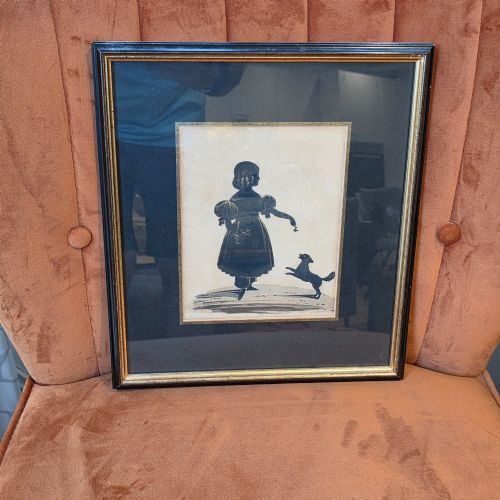
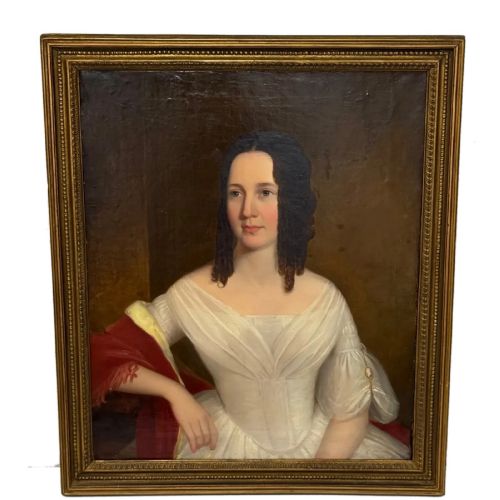
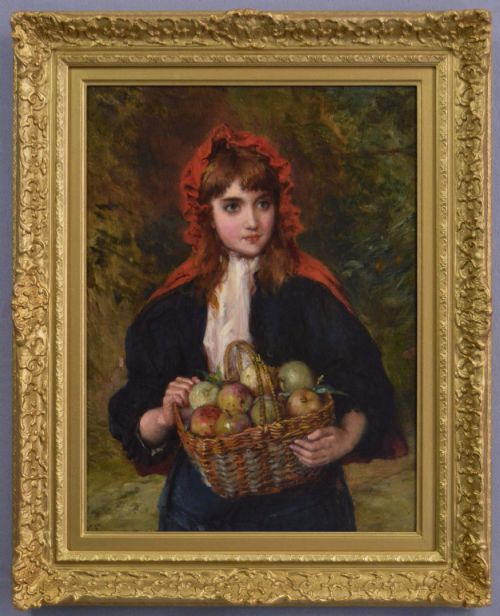
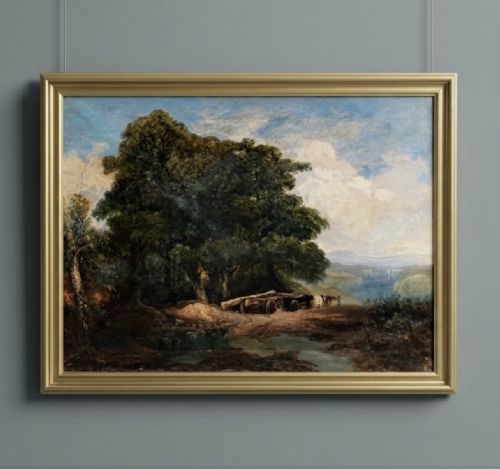
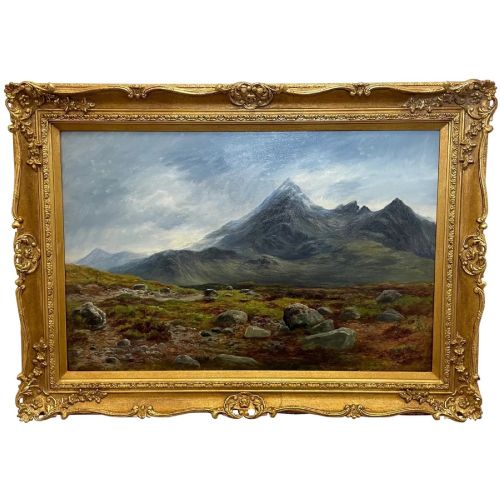
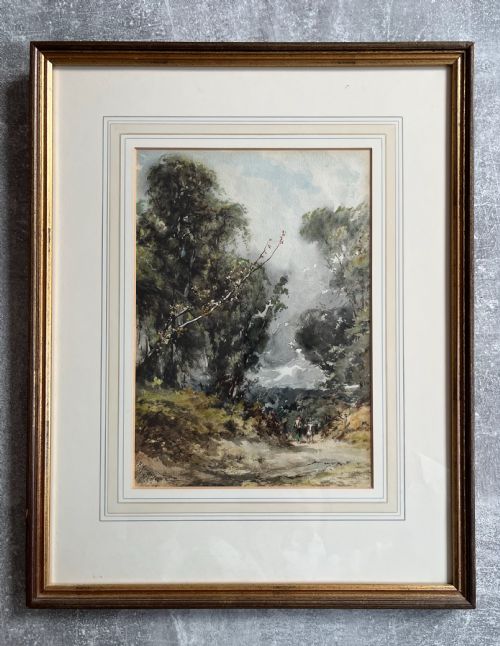
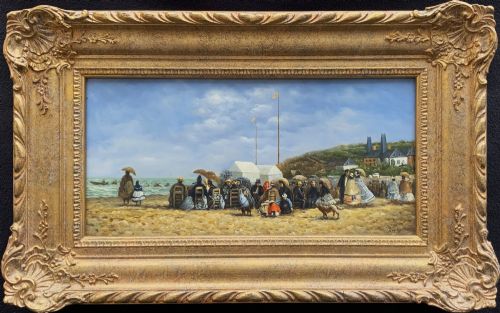
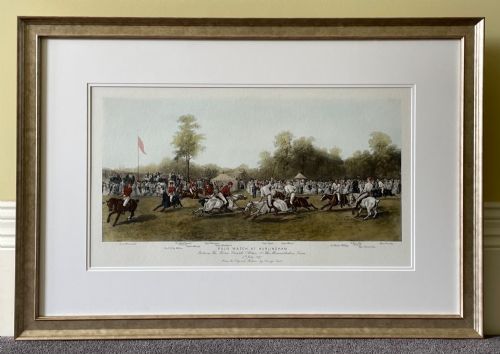
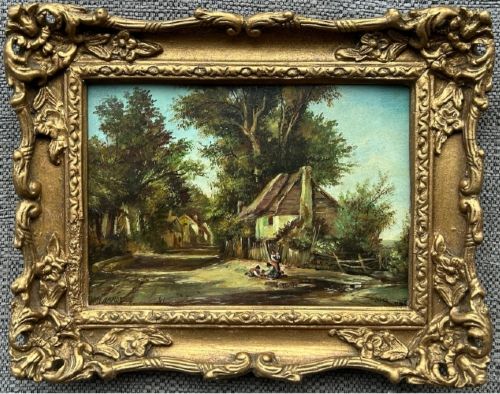
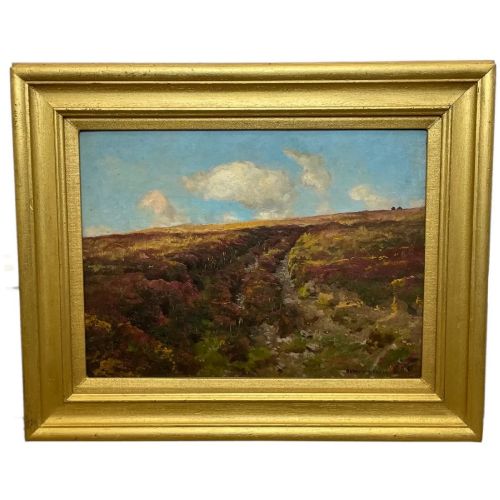
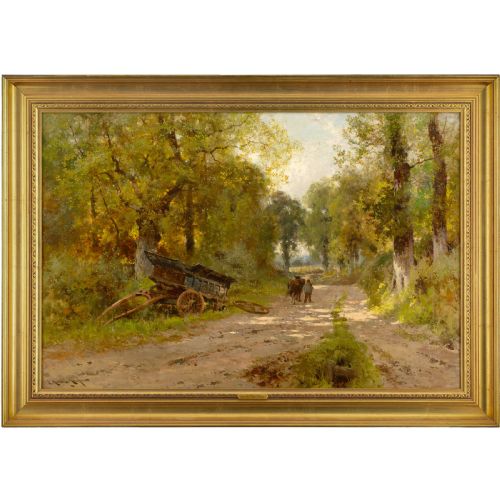
These pieces of victorian artwork gilt frame bring together period canvases and watercolours with their original or period-matched wooden surrounds.
Victorian Artwork Gilt Frame
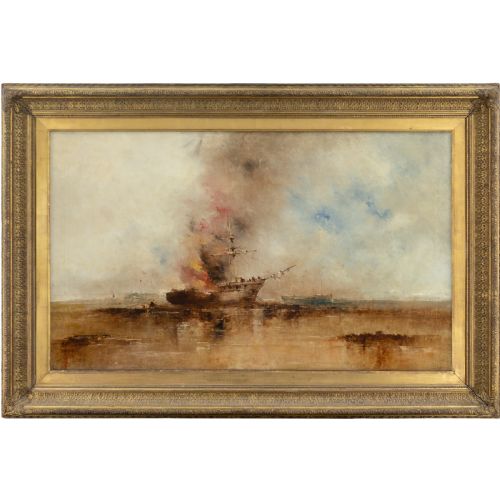
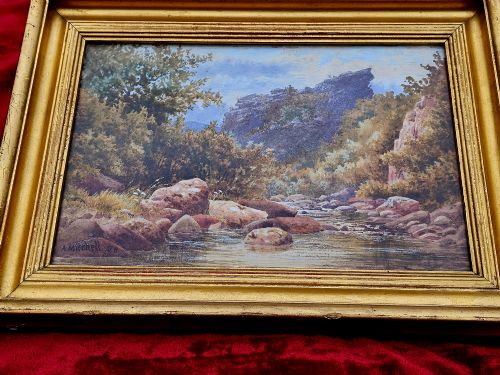
A victorian artwork gilt frame comprises nineteenth-century paintings, watercolours, prints and textiles enclosed within gilded wood or gesso surrounds. The selection ranges from romantic landscapes and maritime scenes to intimate portraits and genre pieces spanning the nineteenth century.
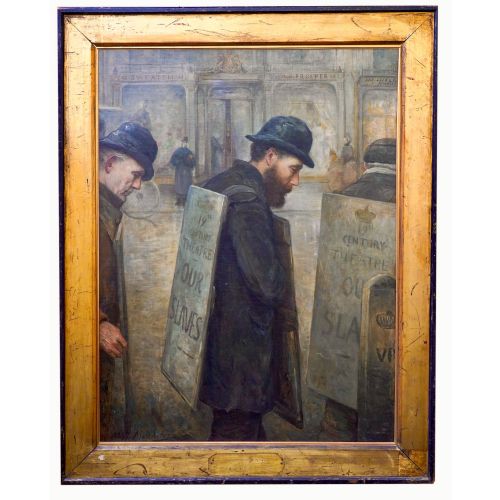
Buyers encounter oil on canvas, panels and paper works accompanied by ornate or simple gilded frames. Subjects encompass British landscape scenes, social history pieces and domestic interior studies reflecting the visual culture of the period.
How They Were Made
Paintings utilise oil paint or watercolour applied to stretched canvas, wooden panel or paper supports. Canvases are frequently secured within heavy timber stretchers before placement in the outer enclosure.
Gilt wood frames are constructed from carved timber or moulded composition applied to a wooden base, finished with layers of gold leaf or metallic paint over a preparation ground.
Several canvases capture domestic animals including cats, dogs, and prize cattle sharing space with their human companions.
What Varies in Quality
Quality depends on the skill of the brushwork and the structural integrity of both the artwork and its enclosure. Superior pieces demonstrate confident draughtsmanship, expressive detail and original or period-appropriate gilding that complements the composition.
The relationship between the picture and its surround determines overall visual harmony. Finely preserved surfaces on both the canvas and the gilded wood elevate the piece above standard decorative examples.
William James Hubard·Richard Sebastian Bond·William Beattie-Brown·George Fotherly Hargitt·Felix Stone Moscheles·Dumini Leopoldo·William Howard Hardy·Arthur Wardle·John Horace Hooper·William McAlpine·Alfred Fontville de Breanski Jr·Oliver Clare·Edward Mills·William Banks Fortescue·Stephen Samuel Lewin·John Rose Miles·Vittorio Reggianini·Thomas W Lascelles·Mark William Langlois·David Bates
The Victorian Artwork Gilt Frame Glossary
- Giltwood
- Wood that has been coated with gold leaf or metal leaf. This finish defines the reflective borders typical of nineteenth-century picture surrounds.
- Oil on Canvas
- Pigment mixed with drying oil applied to a woven fabric support. This technique provides rich colour depth and durability.
- Watercolour
- Pigment suspended in a water-based solution applied to paper. It creates transparent washes often protected behind glass.
- Gesso
- A plaster-like mixture applied to wood before gilding. It provides a smooth surface for the application of gold leaf.
- Provenance
- The documented history of ownership of an artwork. It helps establish authenticity and historical context.
Victorian Artwork Gilt Frame: Frequently Asked Questions
How do I hang a heavy gilt framed painting?
Secure the hanging wire or brackets directly into wall studs using appropriate hardware rated for heavy weights. Ensure the wall fixings match the substantial mass of timber and plaster mouldings.
Distribute the weight evenly across two wall hooks rather than a single central point. This keeps the large gilded surround level and secure against the wall surface.
Should I clean the gilt frame?
Dust the gilded wooden surfaces gently with a soft, dry brush to remove accumulated particles. Avoid commercial cleaning liquids that can strip the delicate metallic leaf.
Keep moisture away from both the canvas and the gilded surround to prevent warping or flaking. Professional restoration is recommended for damaged or heavily soiled finishes.
Are these frames original to the paintings?
Many works retain their period surrounds, which show matching wear and construction techniques consistent with the nineteenth century. Others have been paired with complementary period frames later in their history.
Examine the rabbet and the fit of the canvas within the rebate for clues about longevity together. Old mounting marks often indicate whether the artwork has inhabited its border for generations.
How do I protect oil paintings from sunlight?
Position paintings away from direct sunlight to prevent the fading of pigments and discolouration of varnish layers. Indirect natural light or controlled gallery lighting is safest for canvas preservation.
Maintain stable room temperatures and humidity levels to protect both the wooden stretcher and the canvas support. Sudden environmental changes cause the canvas to expand and contract.