
Traditional Fruit Painting
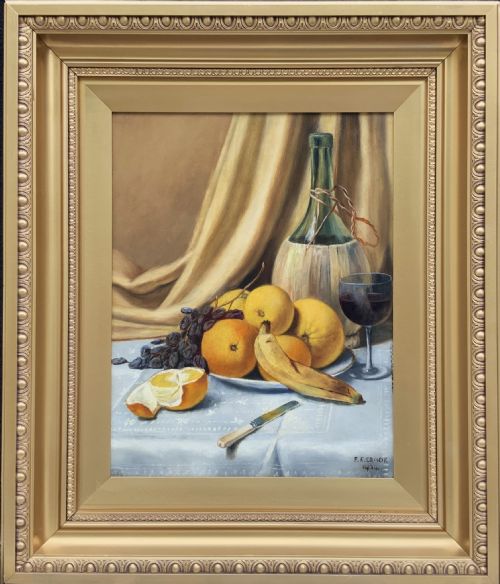
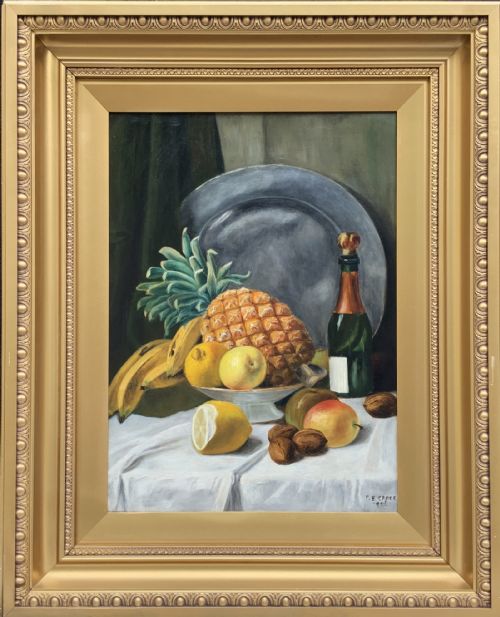
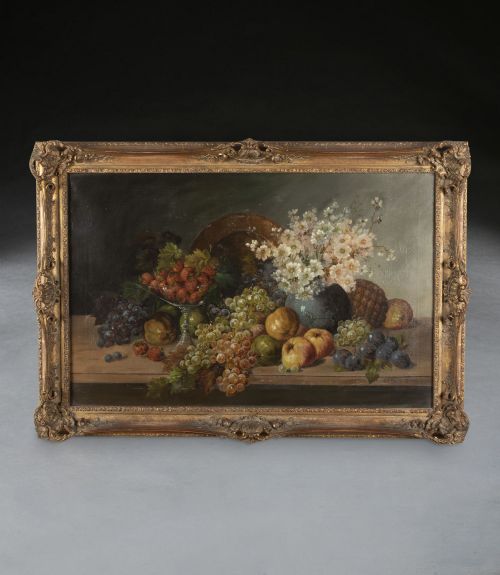
Traditional fruit painting captures the rich textures of harvest subjects, offering enduring appeal for collectors of fine art.
Traditional Fruit Painting
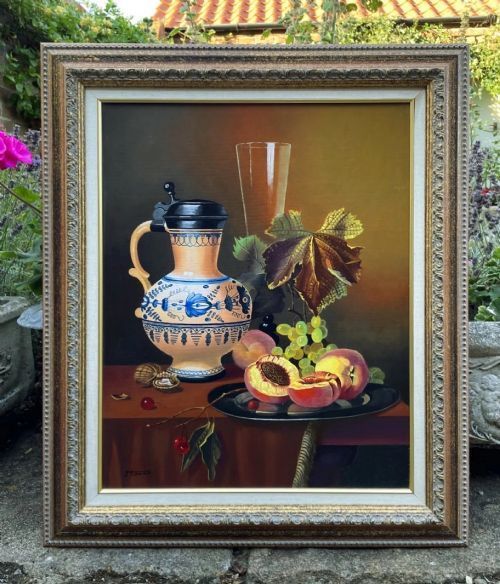
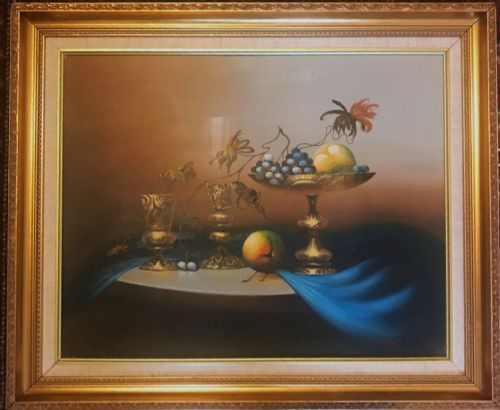
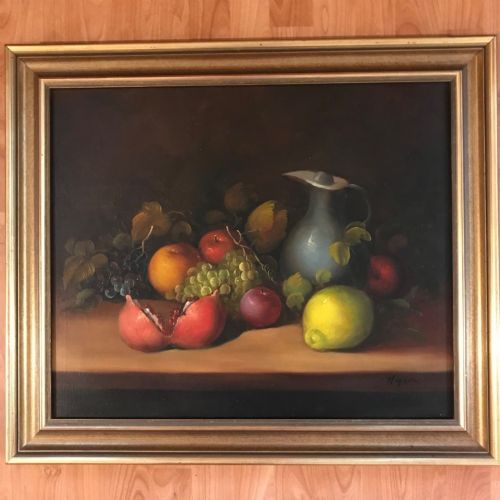
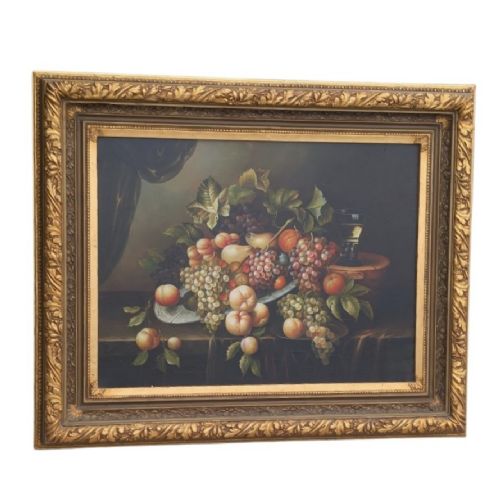
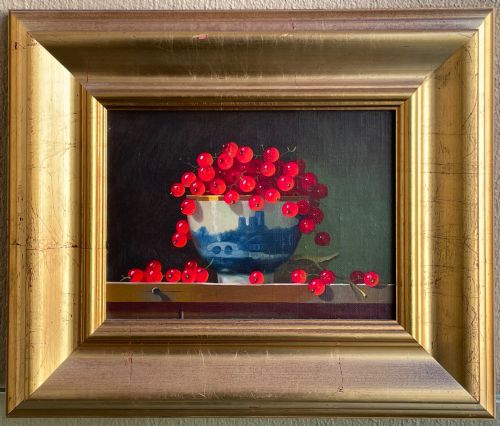
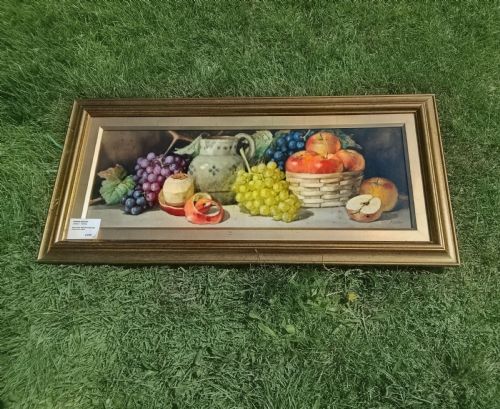
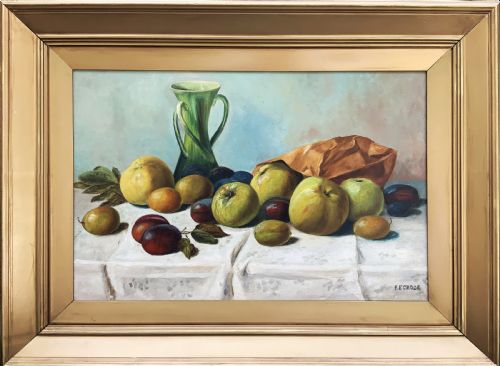
Traditional fruit painting encompasses canvas works and panel studies spanning from the eighteenth century through the mid twentieth century. Buyers seeking traditional fruit painting encounter Victorian and Edwardian still life compositions alongside continental European works.
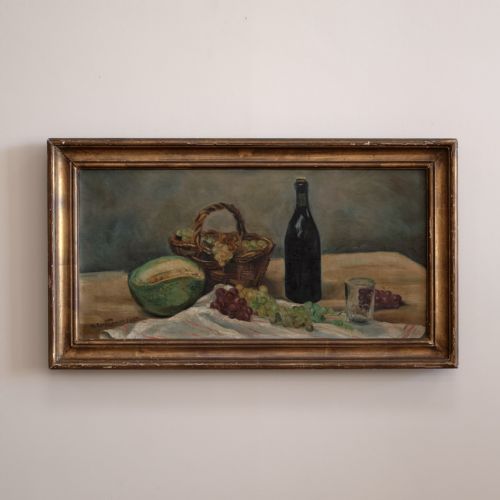
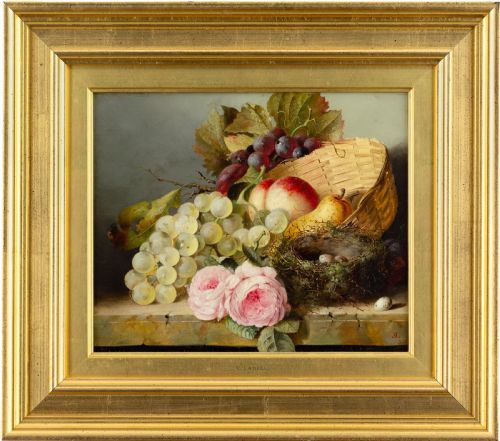
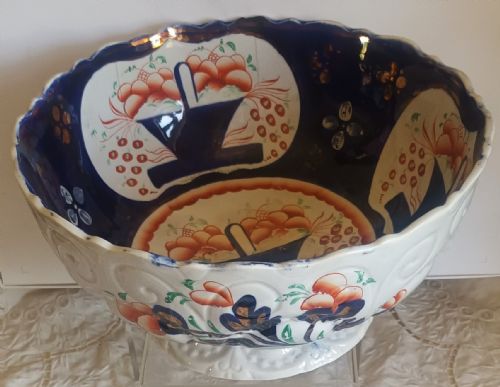
The subjects range from simple arrangements of apples and grapes to elaborate arrangements featuring baskets and glassware. These pieces reflect classical realism and baroque influences across various periods.
Materials and technique
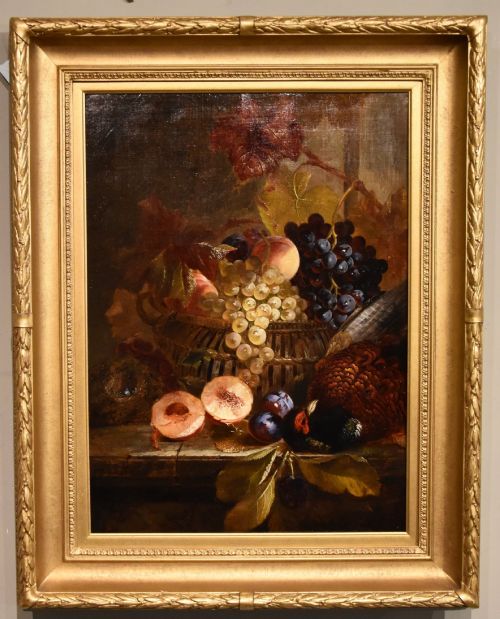
Artists painted primarily with oil paint on canvas or wood panel supports, applying pigments to build depth in each fruit and leaf. Giltwood and solid wood frames complete many of these historical works.
Watercolour paintings and tempera on canvas also appear within the selection, demonstrating varied approaches to capturing light and shadow on organic forms.
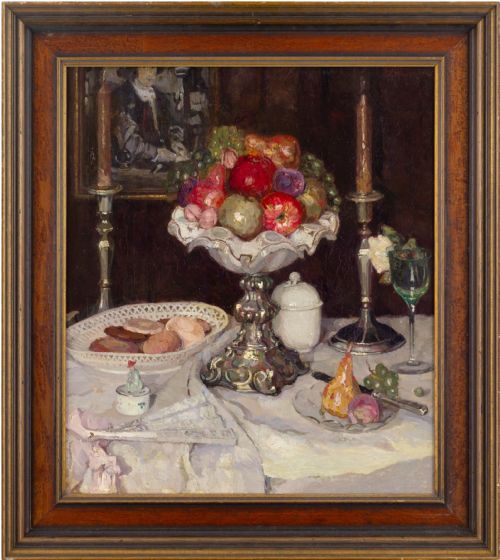
Several compositions tuck unexpected elements like bird nests and biscuits beside the apples and grapes.
Assessing quality
The finest examples display meticulous brushwork and convincing play of light across surfaces like porcelain, glass and fruit skins. Compositional balance and the handling of atmospheric depth distinguish superior works from standard decorative studies.
Original period frames that complement the painting add to the integrity of the piece, whereas later reframing can alter the historical presentation.
Jozsef Molnar·Edward Ladell·William Henry Ward·Else Preußner·Ian Parker·Arthur Dudley·Evelyn Chester·William Duffield·Thomas Hooper·John Robertson Reid·William Jones Of Bath
The Traditional Fruit Painting Glossary
- Still life
- An artwork depicting inanimate subject matter, typically commonplace objects such as food items or flowers. This genre allows artists to focus on colour harmony and texture.
- Canvas
- A heavy woven fabric used as a surface for oil paintings, stretched across a wooden frame before application of paint. It provides a flexible and durable ground for layered pigments.
- Giltwood
- Wood that has been treated with gold leaf or gold paint for decorative effect. Frames finished in this manner frequently accompany nineteenth century works.
- Panel
- A flat piece of wood used as a rigid support for paintings instead of fabric canvas. Panel paintings often survive from earlier periods due to the stability of the substrate.
- Classical realism
- An artistic style focused on accurate observation of nature and traditional techniques of representation. Works in this mode emphasise proportion and truthful lighting.
Traditional Fruit Painting: Frequently Asked Questions
How should I hang an oil painting?
Hang paintings away from direct sunlight and fluctuating heat sources to protect the canvas and oil pigments over time.
Ensure the wall fixings match the weight of both the artwork and its period frame for secure placement.
What periods do these paintings cover?
The available selection spans from the eighteenth century through the nineteenth and twentieth centuries, including Victorian and Edwardian eras.
Earlier works often lean towards baroque compositions, while later pieces show shifts towards classical realism.
Are these works signed by the artists?
Many pieces feature artist signatures, while others remain attributed to specific European schools or anonymous makers of the period.
Signatures offer provenance and help link works to recorded painters from the nineteenth and early twentieth centuries.
What surfaces were used for these paintings?
Artists primarily utilised canvas stretched over wooden frames, alongside wood panels and occasional watercolour paper.
The choice of support often relates to the period and the specific technique employed by the painter.