
Classic Oil Picture Frame
A classic oil picture frame completes a fine canvas, holding the oil paint, gesso and giltwood together with period authority.
Classic Oil Picture Frame
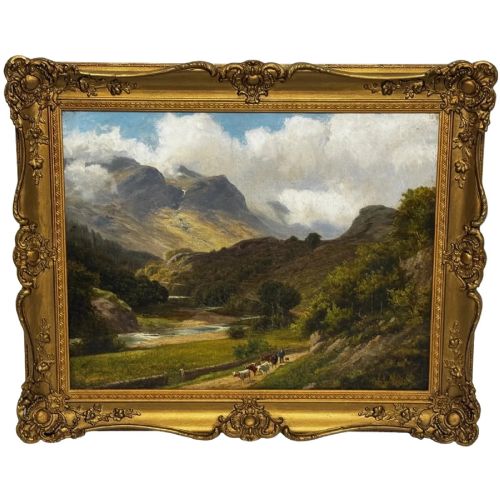
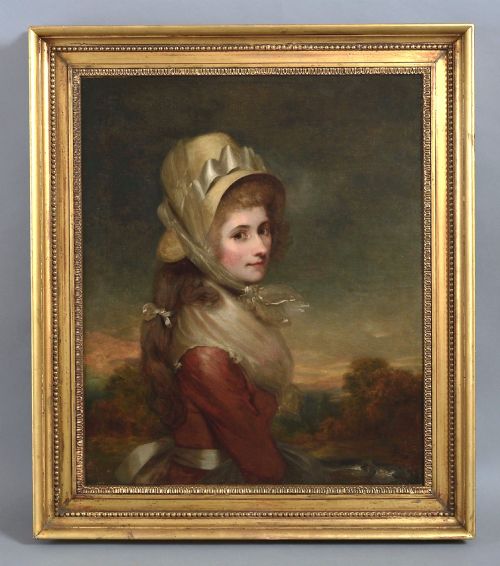
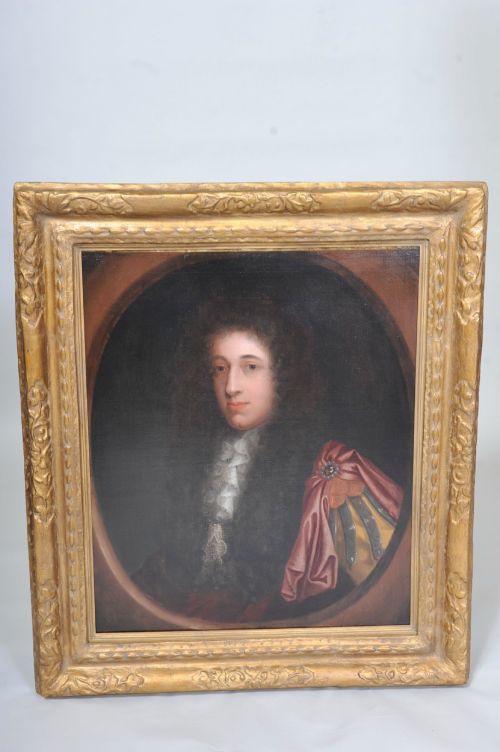
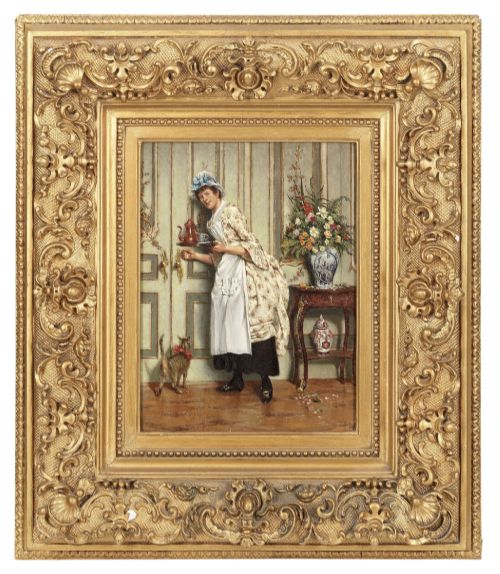
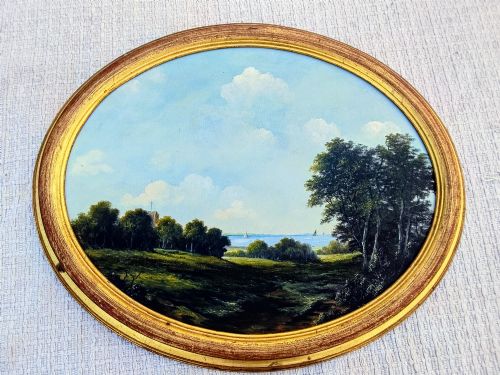
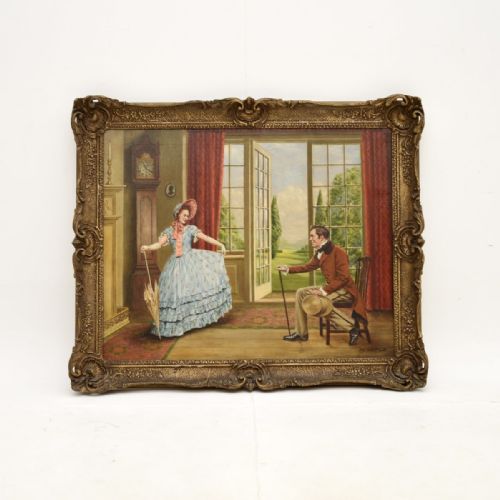
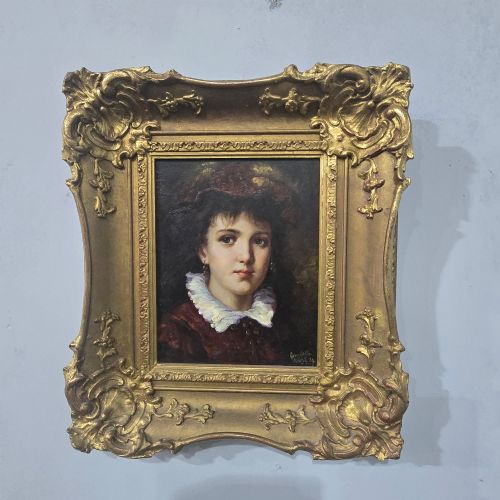
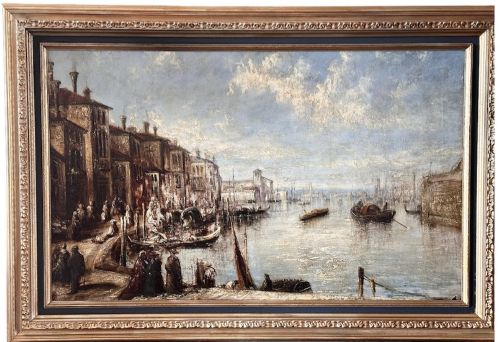
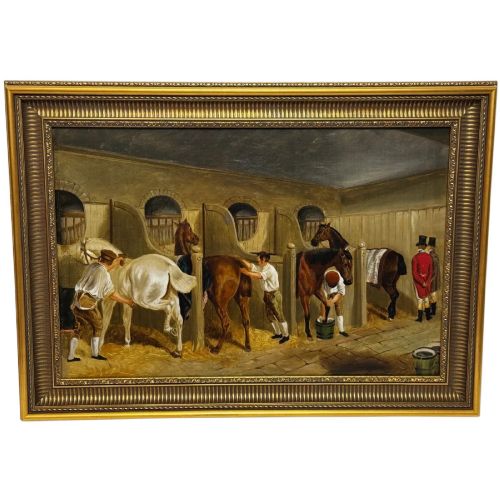
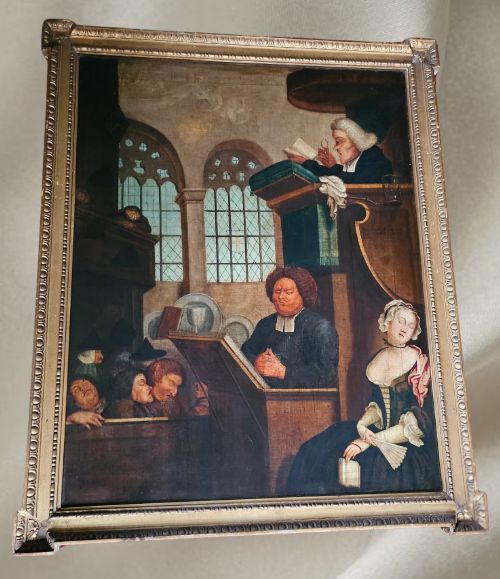
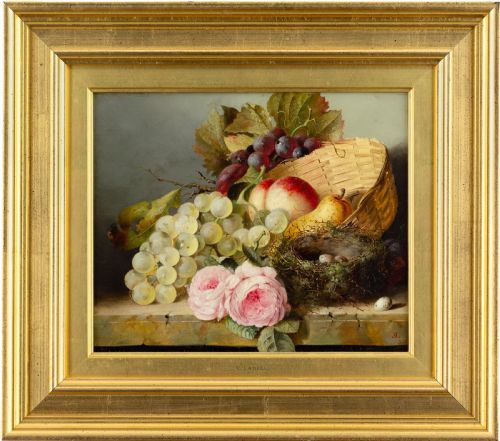
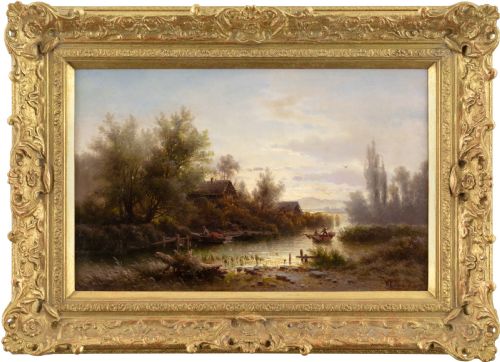
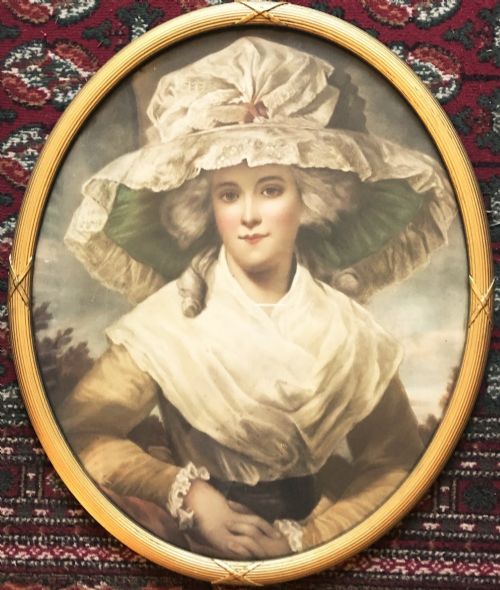
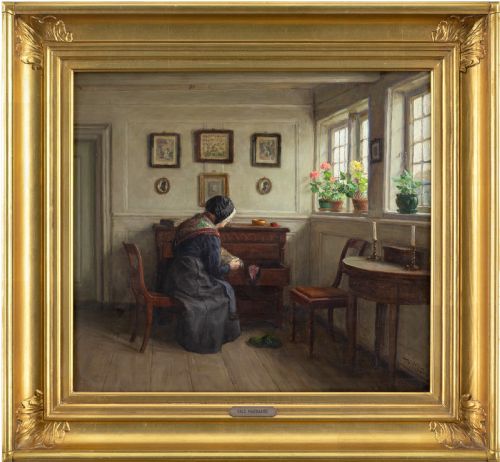
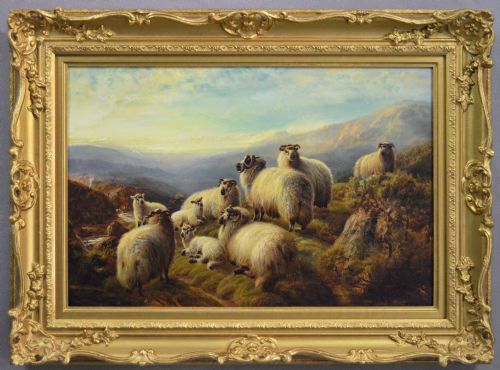
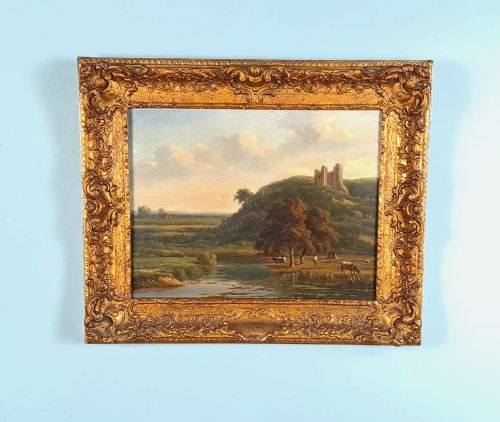
A classic oil picture frame usually houses oil paintings, portraits, and landscapes spanning several centuries from the seventeenth to the twentieth. Buyers seeking this phrase find various historical formats including oval shapes, landscapes, and detailed interior scenes. The selection brings together oil on canvas and oil on board works framed in traditional wooden structures.
The objects derive from distinct periods such as the Victorian era, Georgian times, and seventeenth-century workshops. Many pieces present British and European scenes, ranging from country house interiors to Venetian townscapes and river landscapes. Each item demonstrates the physical pairing of a painted canvas and its period housing.
Materials and Construction
Makers built these frames primarily from wood, applying layers of gesso to create a smooth surface for ornamentation. Artisans then applied giltwood, gold leaf, or gilded wood finishes to achieve a reflective, metallic sheen. Canvases received applications of oil paint, creating textured surfaces that suited the heavy wooden surrounds.
Joinery techniques relied on traditional timber construction methods to support the weight of stretched canvases and heavy gesso ornamentation. Painters applied oil on canvas or oil on board, securing the finished artwork firmly within the protective wooden perimeter.
The listings span multiple centuries, incorporating Victorian, Georgian, Baroque, and Rococo Revival styles.
Distinctions in Standard
The standard of a classic oil picture frame depends on the crispness of the gesso moulding and the depth of the gilding. Finer examples display hand-carved wooden details and well-preserved giltwood surfaces rather than flat, machine-extruded profiles. The harmony between the canvas and its housing dictates the overall visual cohesion.
Artistic execution in the accompanying paintings separates workshop productions from master canvases. Superior works show controlled brushwork in oil paint, precise rendering of light in landscapes, and accurate anatomical detail in portraits.
Sir Martin Archer Shee·Stephen Samuel Lewin·Alfred Lyndon Grace·Francis Moltino·Edward Ladell·Albert Rieger·Valdemar Magaard·Robert Watson·T C Hofland·Bertram Priestman·Attilio Toro·William Henry Knight·Walter J Watson·John Wright Oakes·Alfred Pollentine·Alfred de Breanski·Christoffel Bisschop·Sir Peter Lely·John Gilroy·Francesco Bergamini·John Holland Snr·Elisabeth Vigee Le Brun
The Classic Oil Picture Frame Glossary
- Giltwood
- Wood carved and coated with gold leaf or metallic powder. This material provides the brilliant reflective border seen on traditional frames.
- Gesso
- A plaster mixture applied to wood frames before gilding. It creates a smooth base suitable for intricate moulding and relief work.
- Oil on Canvas
- Pigment mixed with drying oil applied to a stretched cloth support. This technique forms the primary medium for historical paintings.
- Baroque
- An ornate artistic style prevalent in the seventeenth and eighteenth centuries. It influences the dramatic curves and heavy ornamentation found in certain frames.
- Provenance
- The documented history of ownership for a painting or frame. It establishes the authenticity and chronological lineage of the object.
Classic Oil Picture Frame: Frequently Asked Questions
How do I identify the period?
Study the construction methods of the wood and the specific style of the gesso ornamentation. Different centuries favoured distinct moulding profiles and gilding techniques.
Compare the framing style with dated examples from the same artistic movement or decade. The joining techniques at the corners often reveal the era of manufacture.
What is oil on board?
This medium involves applying oil paint directly onto a rigid wooden panel or stiff board rather than woven fabric. It provides a stable surface favoured by artists for smaller landscape and portrait studies.
Boards often appear in nineteenth and twentieth-century works, offering a durable alternative to stretched canvas.
Are oval frames original?
Oval frames were specifically constructed to house curved canvases or specially cut portrait panels. They required specialised woodworking techniques to bend or carve the timber into a continuous loop.
Many period portraits utilise this format to draw focus toward the subject's face.