
Antique Figurative Oil Art
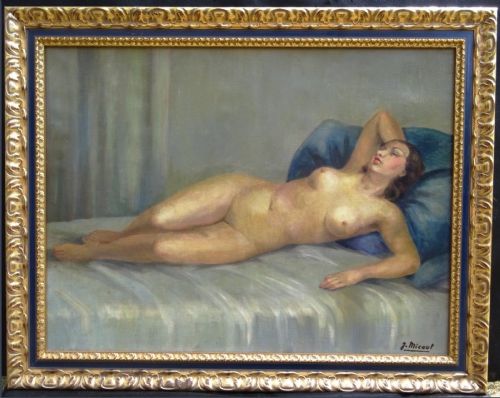
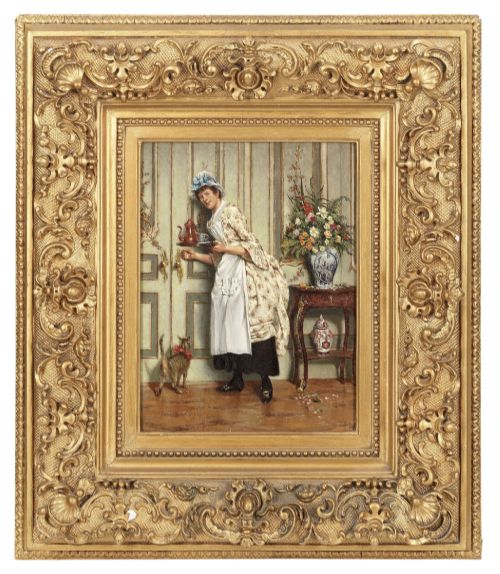
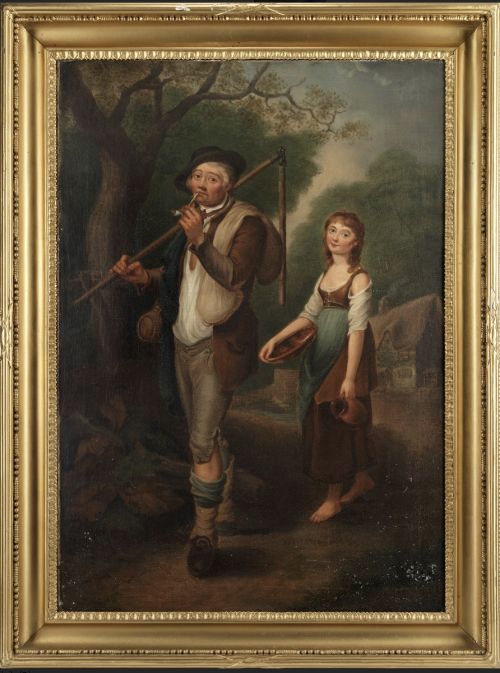
Antique figurative oil art captures human stories and likenesses through pigment on canvas, offering a direct link to past lives and social histories.
Antique Figurative Oil Art
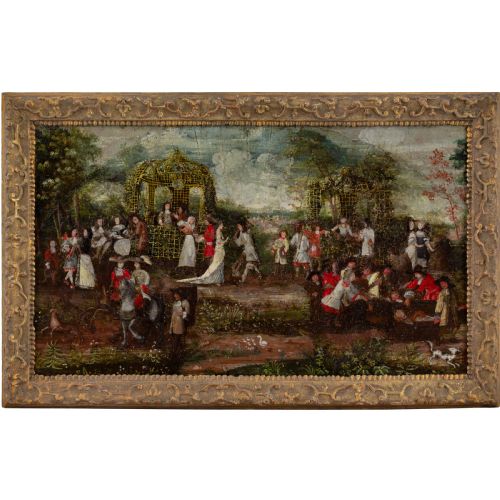
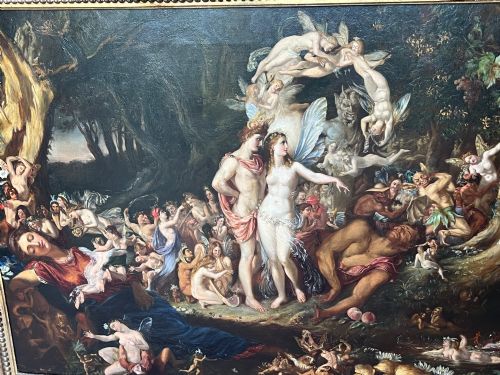
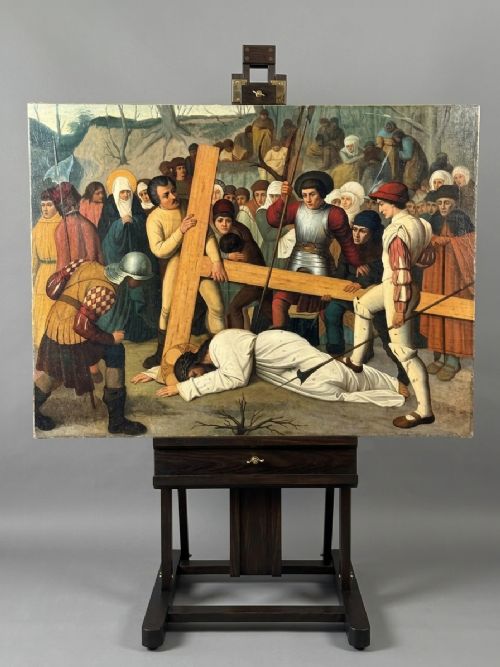
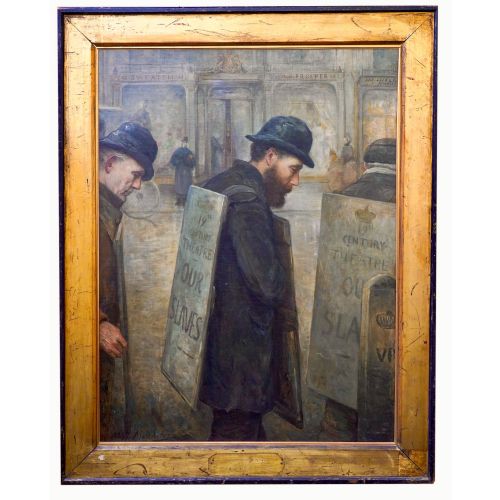
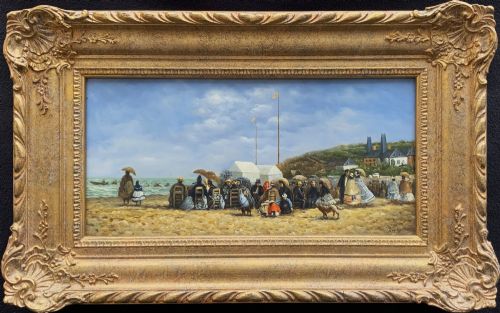
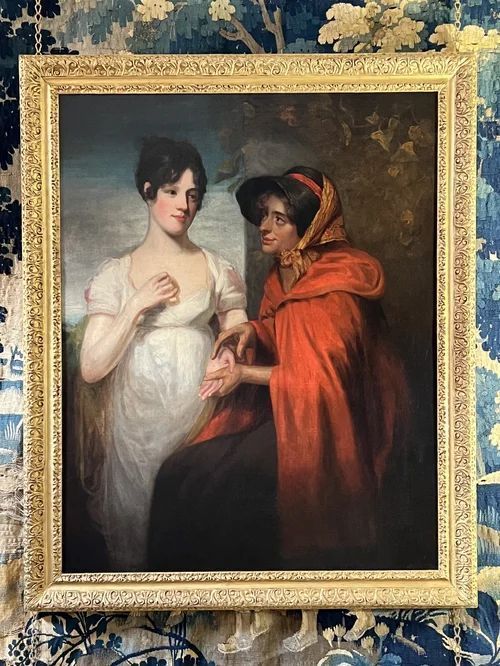
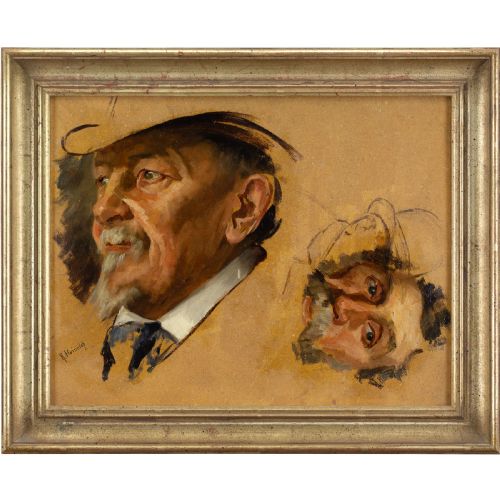
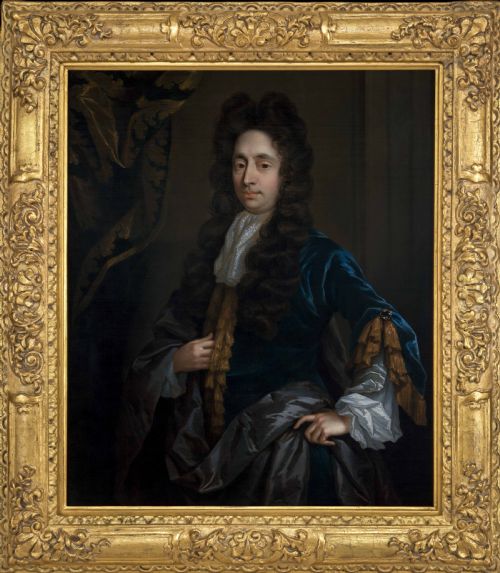
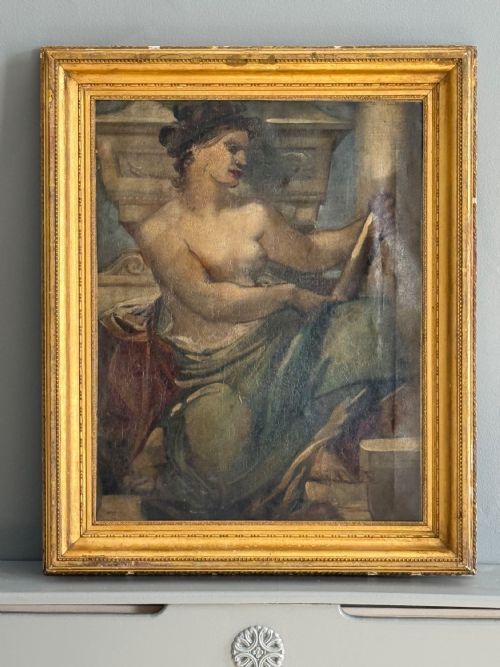
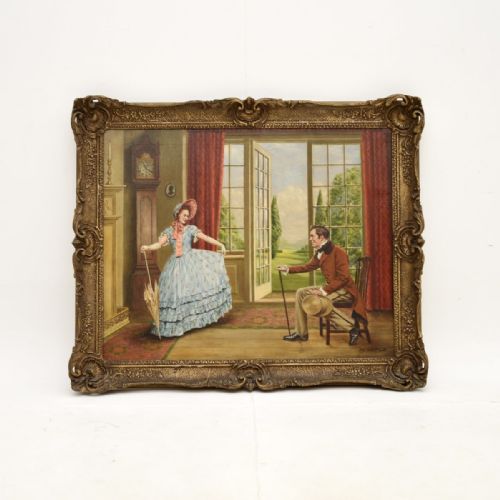
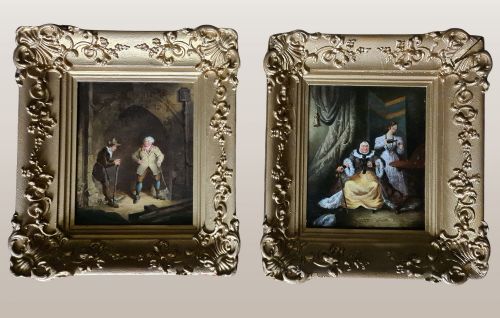
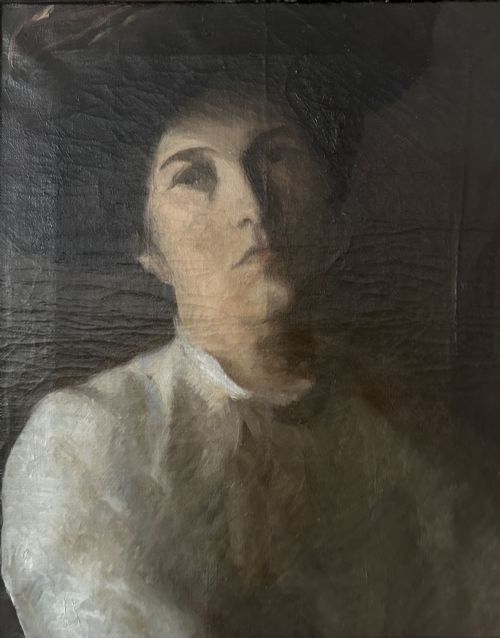
When you search for antique figurative oil art, you encounter a diverse array of portraits, genre scenes, and narrative compositions spanning several centuries. The selection on this page relies heavily on nineteenth-century works, alongside pieces stretching back to the seventeenth century and forward into the twentieth century.
The subjects range from formal portraits of ladies and gentlemen to intimate domestic interiors, children at play, and historic genre paintings. Works frequently originate from British, French, Dutch, and Italian schools, reflecting academic traditions as well as impressionist and post-impressionist movements.
How they were made
Painters built these works using oil paint applied to woven canvas stretched over wooden frames, often housed within elaborate giltwood and gesso frames enhanced with gold leaf. The interaction of oil mediums allowed artists to achieve rich tonal gradations, fine detail in costume and expression, and lasting depth of colour.
Many canvases bear the hand of academically trained portraitists and genre painters working in dedicated studios or en plein air. Preparation involved stretching and priming the canvas before applying layers of pigment to build both shadow and light.
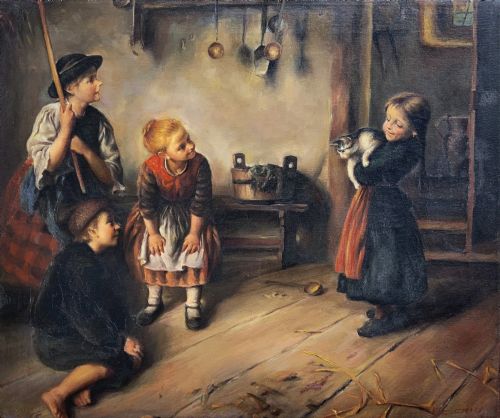
Several canvases capture the quiet drama of card players, flower sellers, and children at play, preserving fleeting nineteenth-century moments.
What varies in quality
The success of a piece depends heavily on the artist's command of anatomy, light, and psychological depth in capturing the human subject. Superior works demonstrate confident brushwork and nuanced expression, whereas lesser examples can feel stiff or formulaic in composition.
Condition also plays a significant role in distinguishing pieces, particularly the stability of the original canvas and the preservation of the oil paint layers. Original frames matching the period of the painting add an extra layer of integrity to the overall object.
Felix Stone Moscheles·John Opie·Constantyn Netscher·Stephen Samuel Lewin·Thomas Barker of Bath·Alfred Lyndon Grace·Howard Helmick·Adelaïde Salles-Wagner·Francisco Sancha·Herbert Ashwin Budd·Louis Charles Verwee·Charles Stuart Forbes·James Hamilton·Henry Windsor Fry·William Oliver·Charles James McCall·Umberto Volpato·Valdemar Magaard·Renato Moretti·Jacob Akkersdijk·William Watt Milne·Thomas Kent Pelham·John A. Monteith·Robert Surtees Snr
The Antique Figurative Oil Art Glossary
- Genre painting
- Depictions of everyday life and ordinary people engaged in common activities. These works provide valuable social history through their detailed portrayal of period interiors, dress, and domestic customs.
- Academic realism
- A style of painting produced under the influence of European academies of art. It emphasises precise drawing, smooth finishes, and adherence to traditional historical and mythological subjects.
- Gesso
- A plaster-like mixture applied to wooden frame mouldings as a base for gilding. It provides a smooth surface that can be carved or moulded into intricate decorative reliefs.
- Giltwood
- Wood carved and coated with gold leaf or metallic powder. It forms the traditional ornate framing material for fine oil paintings across the eighteenth and nineteenth centuries.
Antique Figurative Oil Art: Frequently Asked Questions
What defines figurative oil art?
Figurative oil art encompasses paintings where the primary subject is the human form, ranging from individual portraiture to complex narrative scenes. Artists utilise oil paint on canvas to render likenesses, clothing, and expressions with varying degrees of realism.
These works capture the appearance and social context of people from centuries past, serving as both aesthetic objects and historical documents.
How do I date an oil painting?
Dating relies on a combination of stylistic clues, costume details, artist signatures, and the physical construction of the canvas and stretcher. Portrait subjects often wear clothing and hairstyles characteristic of specific decades.
Framing materials and methods, alongside stencils or inscriptions on the reverse of the canvas, provide further evidence for establishing a chronological window.
What is genre painting?
Genre painting portrays scenes from everyday life, featuring ordinary people in domestic, occupational, or leisure settings. Rather than focusing on grand historical events or formal portraits, these works record common human moments.
Popular subjects in nineteenth-century art include children playing, market scenes, and quiet domestic interiors that reflect contemporary social life.
How should I care for oil art?
Oil paintings require stable indoor environments away from direct sunlight, extreme temperature fluctuations, and high humidity. Displaying them on interior walls protects the canvas and paint layers from environmental stress.
Dust should be removed gently from the surface and frame using a soft, dry brush without applying pressure to the paint layer.