

Antique Girl Portrait Art
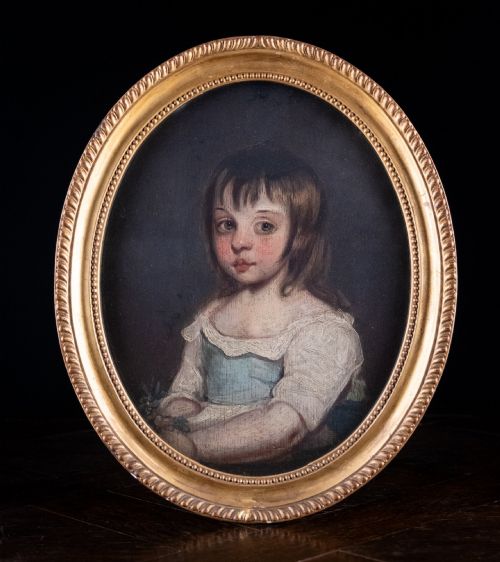
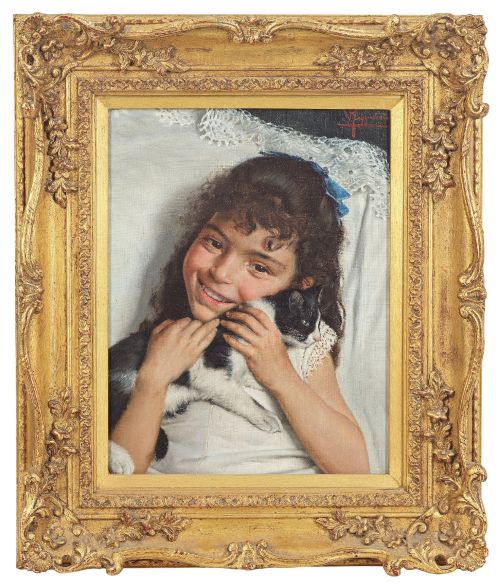
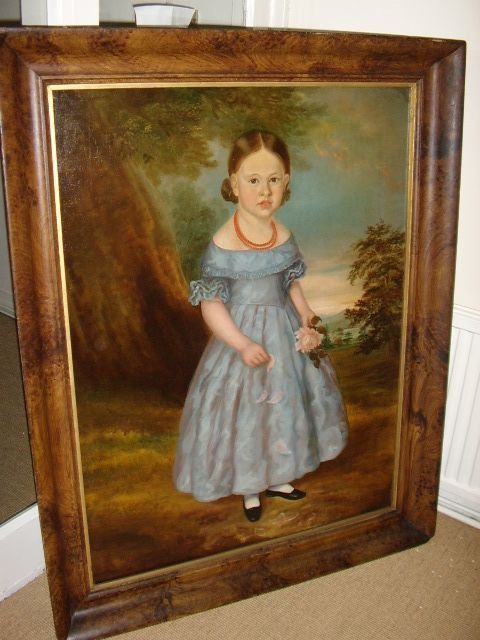
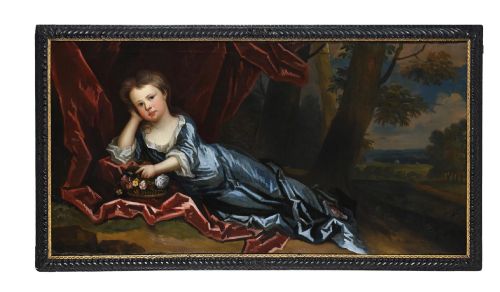
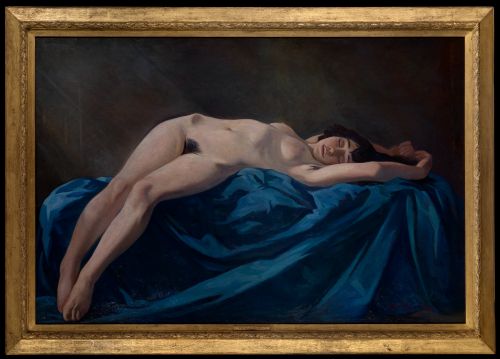
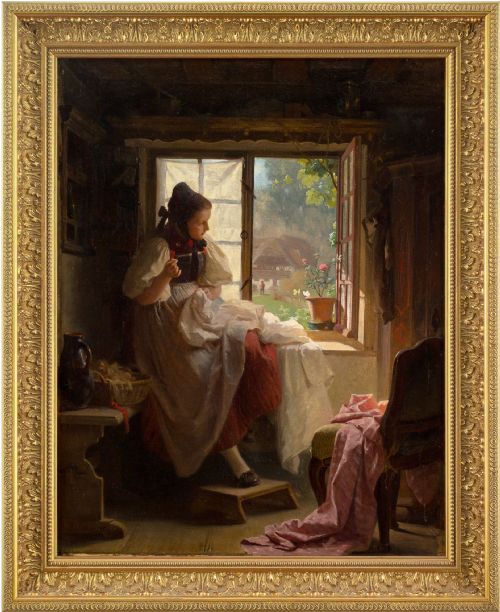
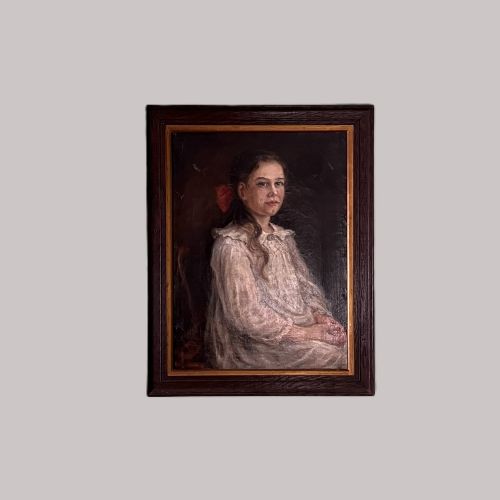
These antique girl portrait art pieces capture youthful likenesses across centuries through oils, watercolours, and cut paper.
Antique Girl Portrait Art
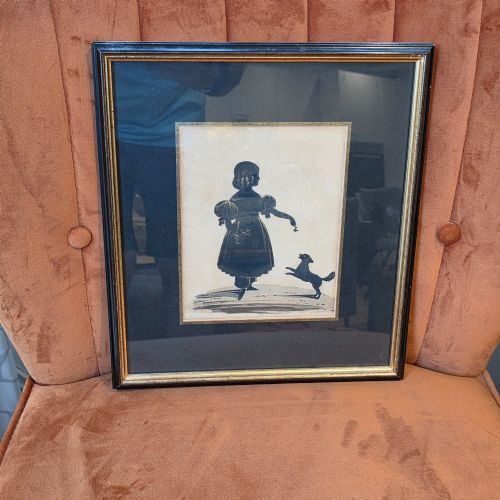
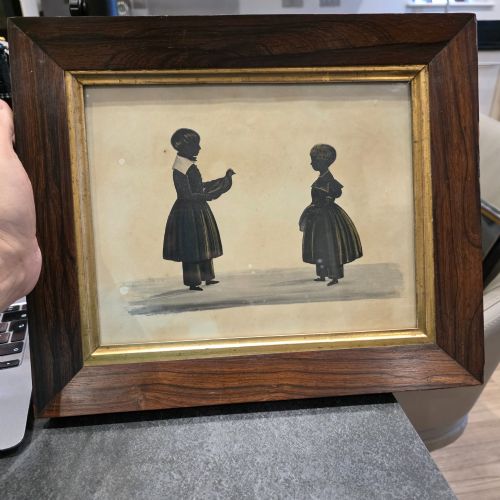
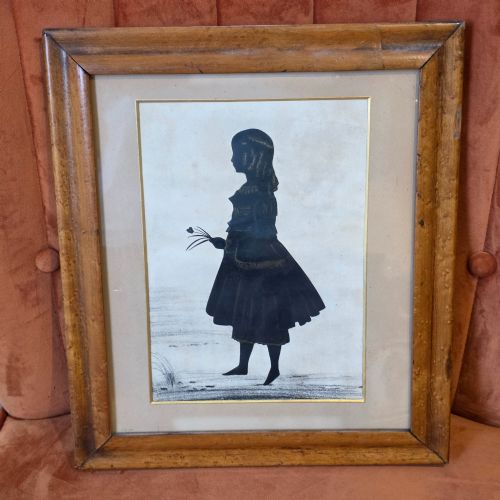
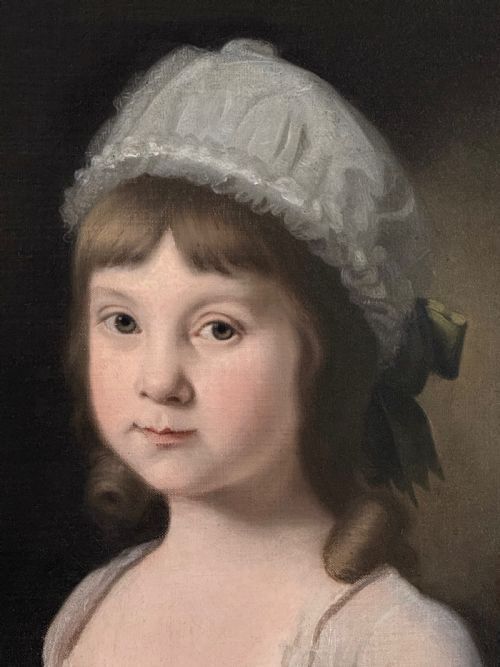
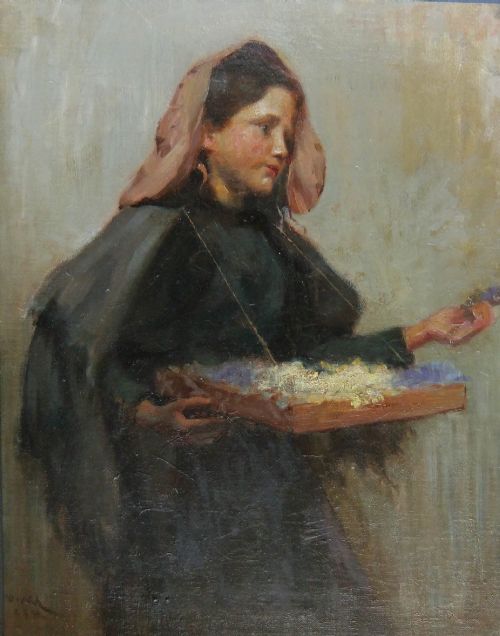
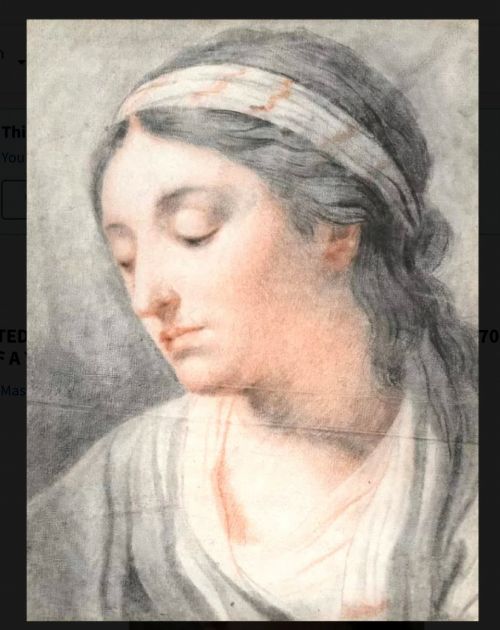
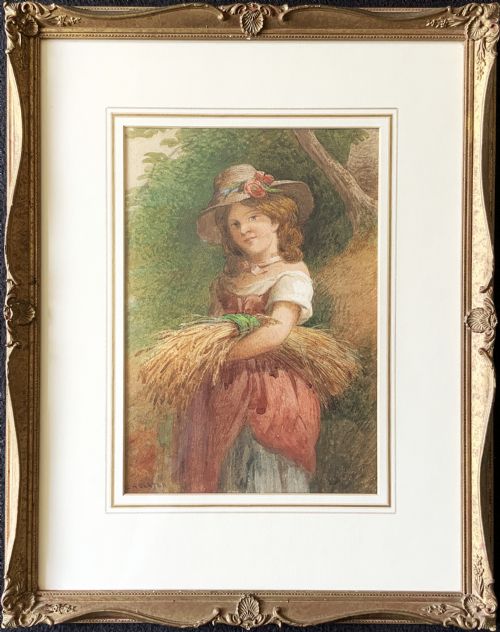
When searching for antique girl portrait art, collectors encounter a diverse range of depictions spanning from the seventeenth century through to the art deco period. The selection includes grand oil paintings on canvas, intimate portrait miniatures, delicate watercolours, and intricate cut-paper silhouettes.
The versions most frequently met on this page originate from the eighteenth and nineteenth centuries, capturing subjects ranging from aristocratic children to country girls, often accompanied by pets or birds. These works reflect the shifting aesthetic values of periods such as the Georgian, Victorian, Regency, and Edwardian eras.
How they were made
Makers utilised oil paint on canvas or wood panels, alongside delicate watercolour and bodycolour on paper for miniatures and sketches. Many works incorporate hand-cut paper mounted against contrasting backgrounds to create detailed silhouettes.
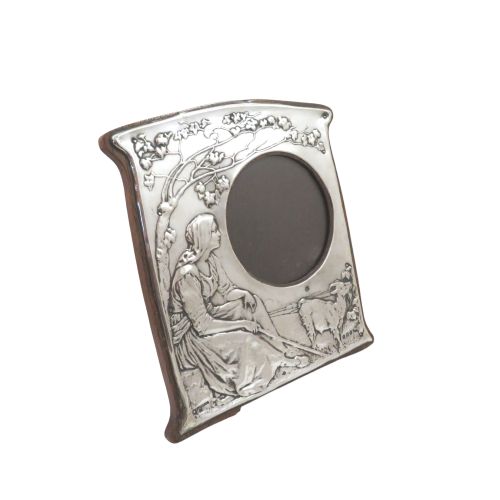
Frames play an integral part in the construction of these pieces, frequently employing giltwood, ebonised timber, or sterling silver to house the artwork securely.
Listings feature works spanning from the seventeenth century through to the nineteen-twenties, utilising oil on canvas, watercolour, and cut paper.
What varies in quality
The distinction between standard works and exceptional pieces lies in the precision of the facial expression and the psychological depth captured by the artist. Masterful handling of light and texture in garments or animal companions elevates the standing of an artwork.
Provenance and attribution also influence distinction, with pieces linked to documented artists or esteemed galleries commanding greater recognition among collectors.
William James Hubard·Vittorio Reggianini·Charles D'Agar·Eric Robertson·Max Kaltenmoser·William Watt Milne·Charles Henry Slater·Arthur William Devis·Henry E Hobson·Vincenzo Irolli
The Antique Girl Portrait Art Glossary
- Silhouette
- A solid shape of a person depicted as a dark profile against a light background, frequently cut from black paper.
- Miniature portrait
- A small, highly detailed painting, often executed on ivory, vellum, or card during the eighteenth and nineteenth centuries.
- Giltwood
- Wood that has been treated and coated with a thin layer of gold leaf or gold paint, commonly utilised for decorative frames.
- Genre painting
- A style of art depicting scenes from everyday life, such as children playing or working.
- Realism
- An artistic movement focused on the accurate, unvarnished depiction of real-life subjects and everyday scenes.
Antique Girl Portrait Art: Frequently Asked Questions
How do I identify the period of a portrait?
Examine the clothing, hairstyle, and framing materials, as these details shift noticeably between Georgian, Victorian, and Edwardian eras. The medium and canvas preparation also offer strong chronological clues.
Consult signatures, inscriptions on the reverse, and stylistic markers typical of specific decades to narrow down the date of creation.
Where were portrait miniatures displayed?
Portrait miniatures were often worn as personal jewellery, kept inside protective pocket cases, or arranged in intimate groupings on private chamber walls.
Their portable nature meant they travelled easily with families, serving as keepsakes of children and relatives.
What is the difference between an oil painting and a miniature?
Oil paintings on canvas or wood tend to be larger scale works meant for prominent wall display in public rooms. Miniatures are executed on a much smaller scale using watercolour or gouache.
Miniatures require intense magnification and precision, often mounted in specialised metal or ebonised frames.
How should I care for antique paper and watercolour art?
Keep watercolours and cut-paper silhouettes away from direct sunlight to prevent the fading of pigments and paper discolouration. Stable indoor humidity protects the paper fibres from warping.
Display these works behind protective glass and avoid hanging them in damp environments.