
Victorian Octagonal Table
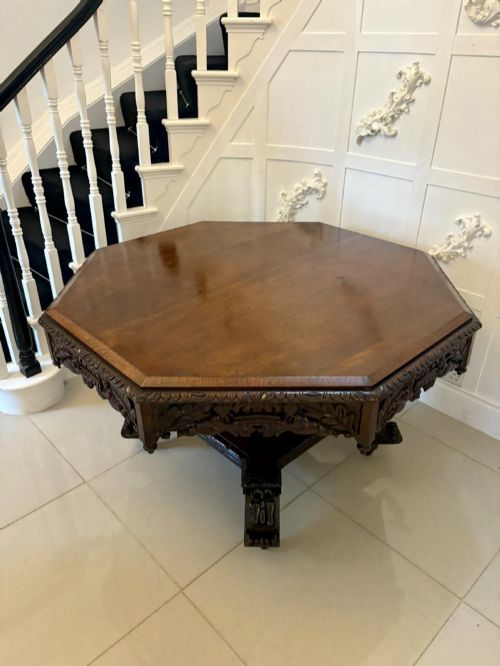
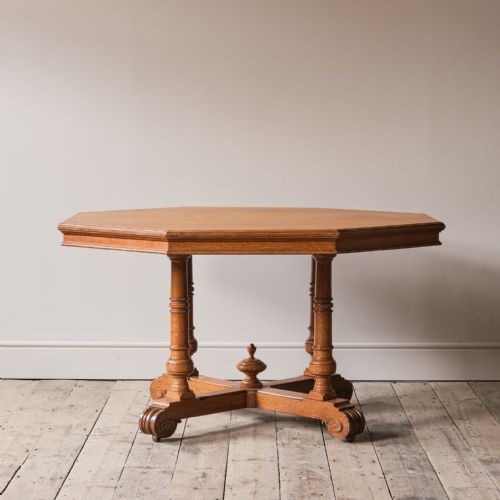
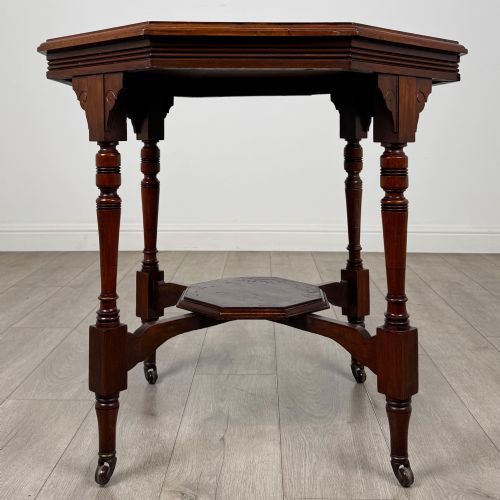
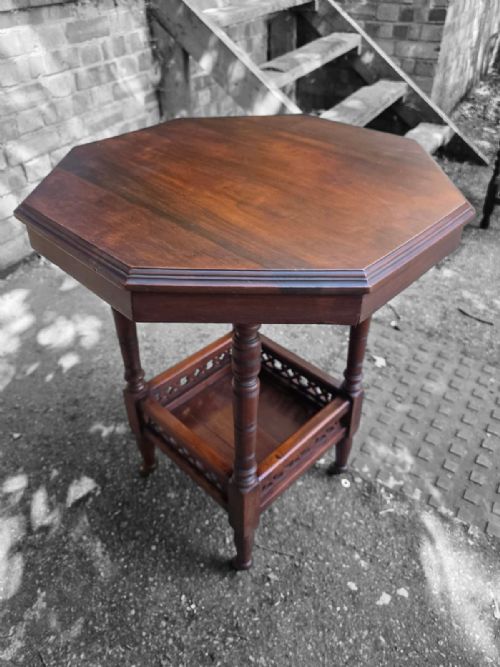
A Victorian octagonal table offers a geometric shift from standard domestic furniture, serving as a versatile centrepiece or side surface in any room.

Victorian Octagonal Table
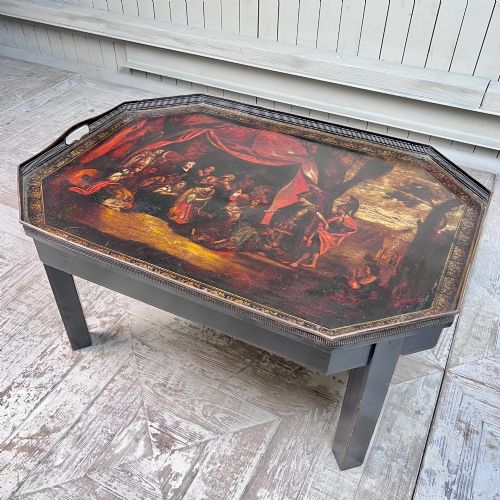
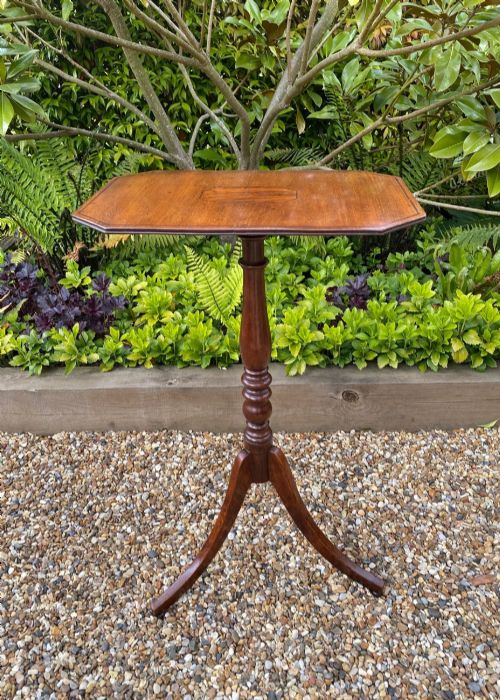
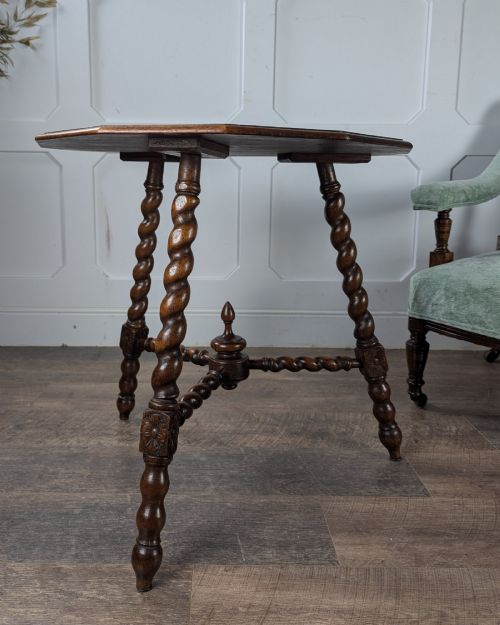
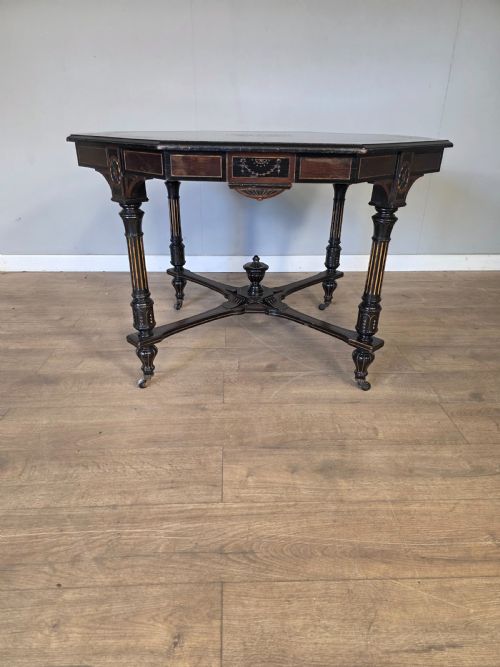
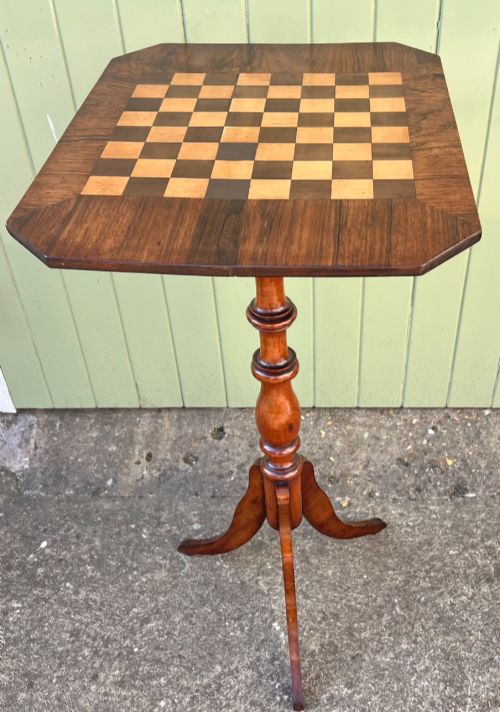
When searching for a victorian octagonal table, a buyer encounters a diverse group of multi-sided surfaces designed for various domestic uses. These pieces function as centre tables, occasional tables, library tables, and sewing tables across domestic interiors.
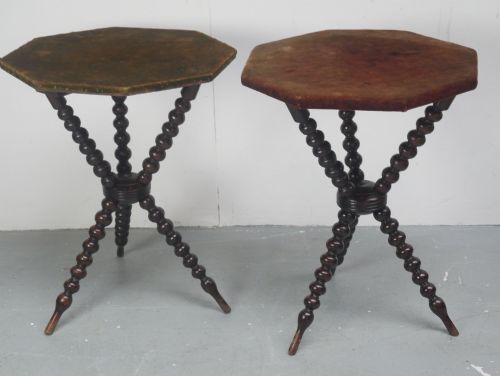
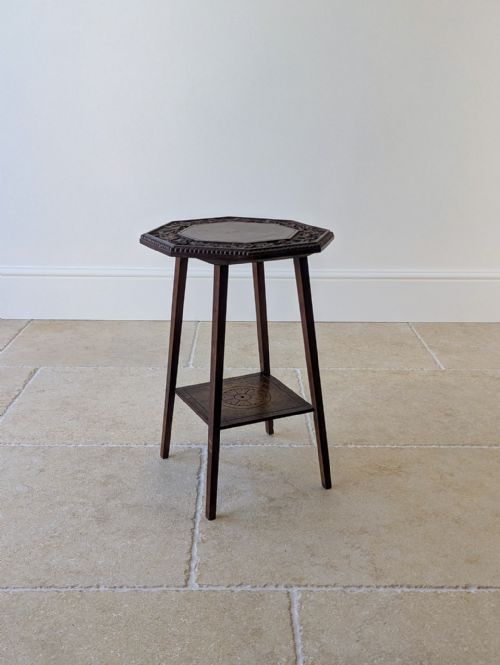
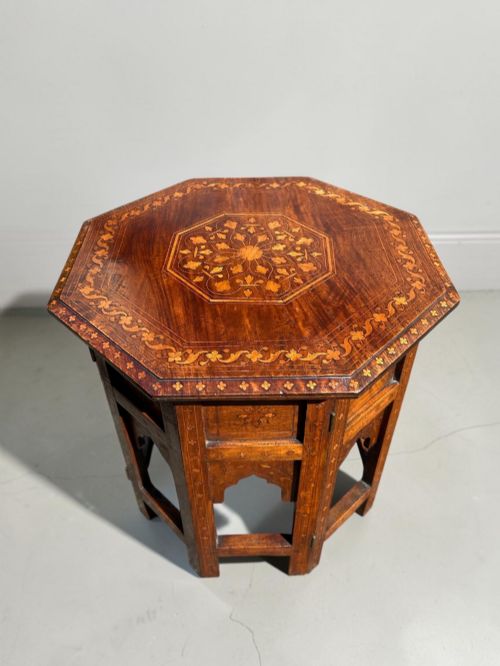
The selection ranges from British timbers like oak, walnut, and mahogany to intricately detailed Anglo-Indian and Moorish revival imports. Forms vary from simple four-legged side stands to heavy pedestal library tables and folding gipsy tables.
Most examples date from the nineteenth century, spanning early Victorian periods through to late nineteenth-century Aesthetic Movement and Arts and Crafts iterations. Buyers will frequently meet walnut and oak occasional tables alongside inlaid rosewood and exotic hardwood specimens.
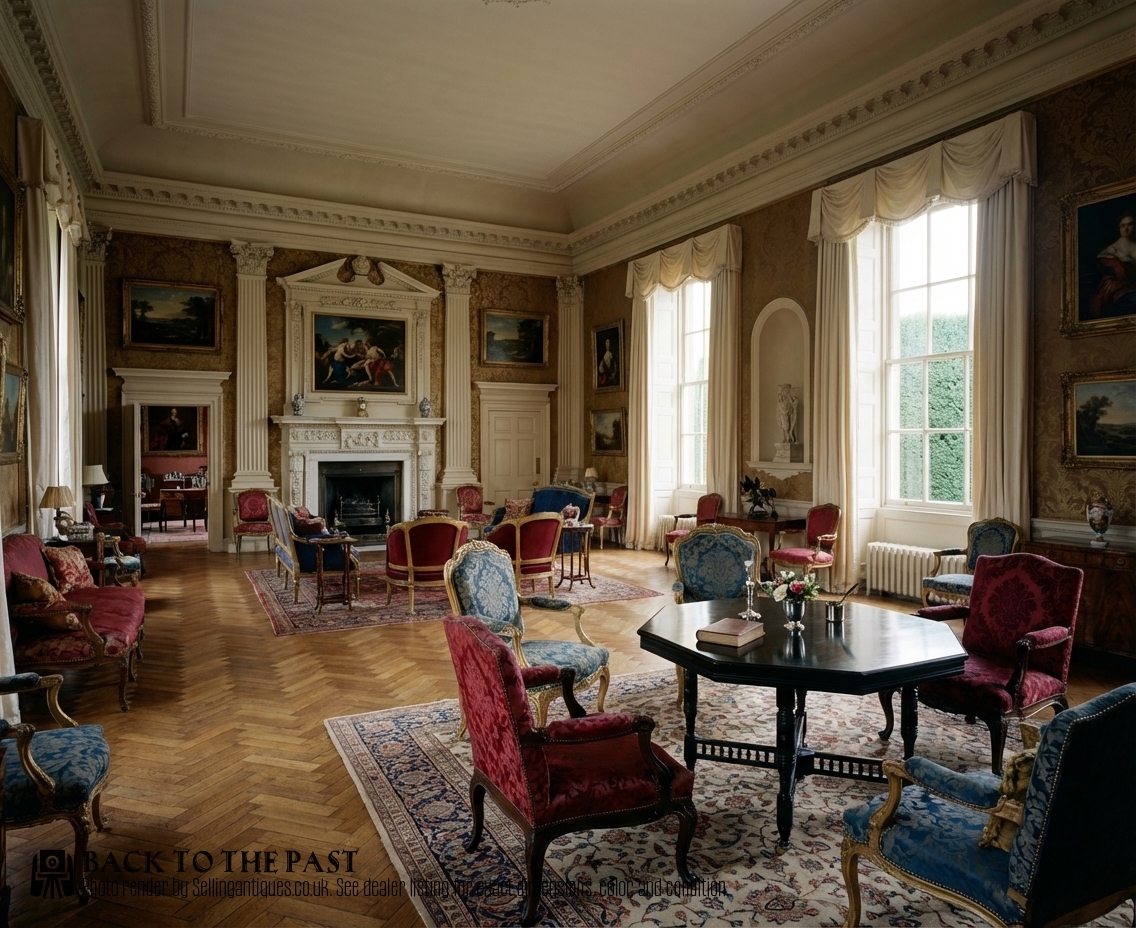
How they were made
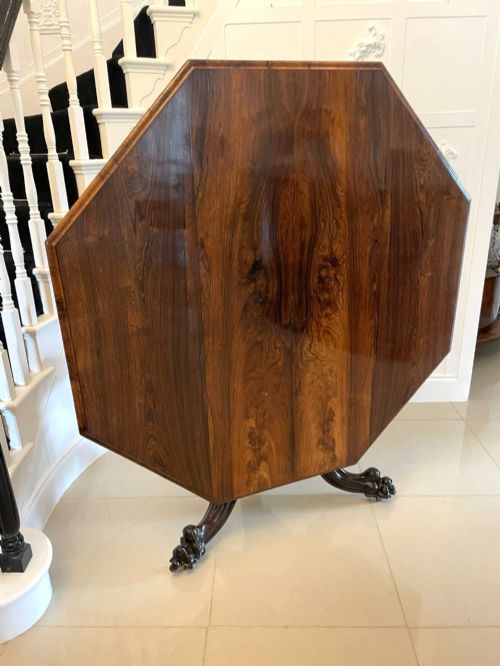
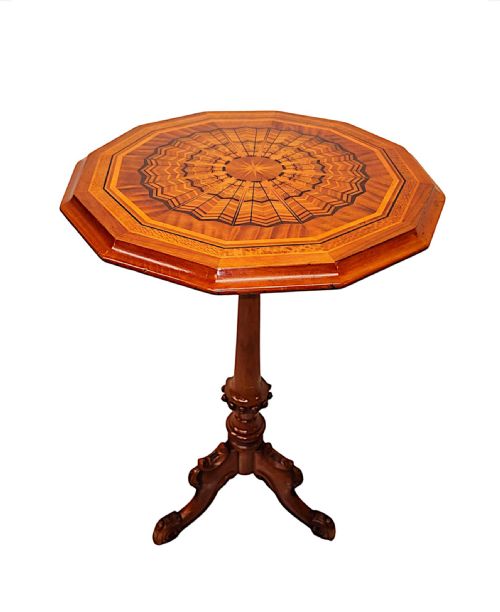
Cabinetmakers utilised dense native hardwoods such as mahogany, oak, and walnut, often applying burr veneers to the top surfaces to create striking grain patterns. Exotic materials like satinwood, rosewood, and padauk were shaped into intricate geometric forms.
Construction techniques frequently involved marquetry and inlay work utilising boxwood, brass, and specimen woods. Many regional and imported pieces featured hand-carved detailing, folding wooden frames, or ebonised pedestals supporting the multi-sided tops.
Victorian Octagonal Table Retail Price Guide 2026
Typical asking prices for victorian octagonal table among the pieces listed under this phrase on Sellingantiques today, from the lower quarter to the upper quarter. They describe what is for sale here now, not the wider market.
Listings feature woods spanning mahogany, walnut, rosewood, oak, satinwood, and padauk across the nineteenth and early twentieth centuries.
What varies in quality
The standard of a victorian octagonal table rests upon the selection of timber veneers and the precision of the inlay work. Elaborate marquetry, intricate wood carving, and the integration of specialised woods like amboyna or satinwood separate standard production pieces from master-workshop outputs.
Structural integrity depends on the joinery of the eight-sided top to the pedestal or leg frame. Tables produced by documented cabinet-makers exhibit superior balance, stable joints, and refined secondary timbers beneath the main surface.
Gillows·James Shoolbred & Co·Hindley & Sons·W. Williamson & Sons·Lamb Of Manchester
The Victorian Octagonal Table Glossary
- Marquetry
- Decorative veneer work forming pictures or geometric patterns by fitting together small pieces of wood. This technique defined the tops of many refined nineteenth-century centre tables.
- Gipsy table
- A light occasional table with a cloth or plain wooden top supported by three folding legs. These emerged in late Victorian interiors during the popularity of Moorish and bohemian styles.
- Pedestal table
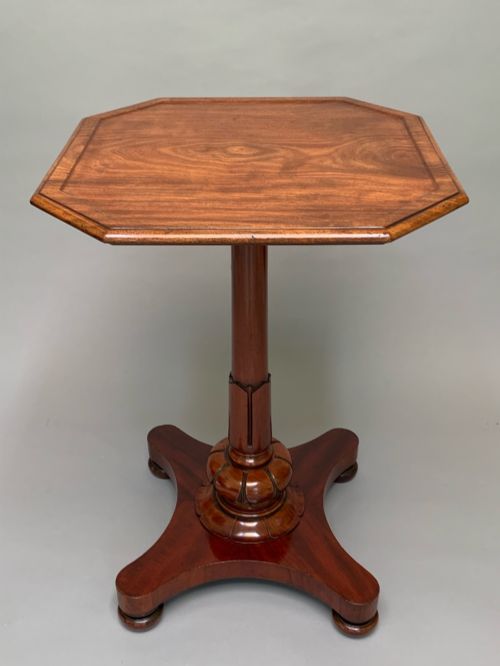
- A standalone table supported by a central pillar rising from a stable base or feet. This form allowed seated occupants unrestricted legroom around multi-sided surfaces.
- Specimen wood
- Furniture constructed from or inlaid with numerous distinct varieties of timber, often collected from global sources. Such pieces highlight the diverse origins of woods utilised in colonial and export workshops.
- Ebonisation
- The process of treating lighter wood such as fruitwood or beech to imitate solid ebony. This dark finish was widely applied during the Aesthetic Movement and late Victorian periods.
Victorian Octagonal Table: Frequently Asked Questions
Where were these tables placed?
These pieces functioned primarily as centre tables in larger Victorian reception rooms or as occasional lamp stands in parlours and libraries. Their eight-sided geometry allowed them to sit comfortably in the middle of a room without sharp right-angle corners.
Smaller iterations, including sewing tables and wine stands, were positioned beside armchairs or near hearths for everyday domestic convenience.
How do I identify a library table?
Library variants are typically heavier, larger, and constructed from durable timbers like solid oak or mahogany. They often incorporate drawers beneath the octagonal top for storing writing materials and documents.
These sturdy surfaces were built for heavy daily use in studies and institutional libraries rather than light ornamental display.
What is an Anglo-Indian table?
Anglo-Indian pieces were manufactured in workshops in regions such as Hoshiarpur, utilising dense imported hardwoods like padauk and shesham. They are distinguished by deep, intricate chip-carving and floral fretwork patterns.
Victorian households imported these exotic items to satisfy a domestic fascination with global craftsmanship and orientalist design.
How do I date a Victorian table?
Dating relies on observing shifts in timber popularity, stylistic movements, and structural construction methods. Early examples often feature heavy mahogany or rosewood veneers with simple classical proportions.
Later pieces from the 1880s and 1890s frequently reflect Aesthetic Movement ebonising, bamboo frames, or Moorish inlay patterns associated with the Arts and Crafts era.