
Victorian Metal Jardiniere
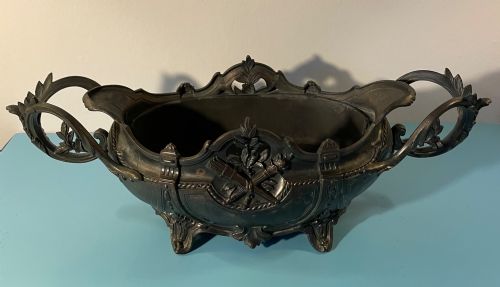
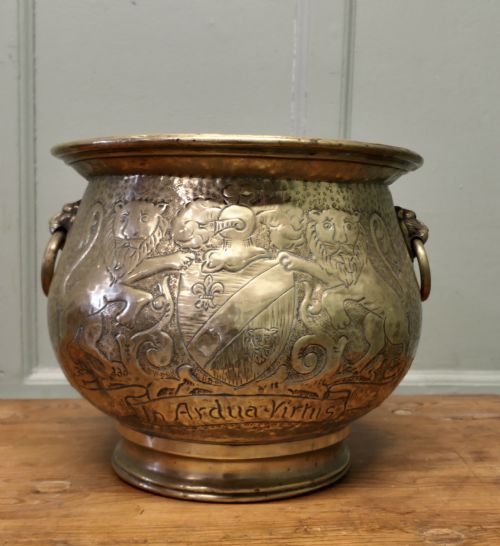
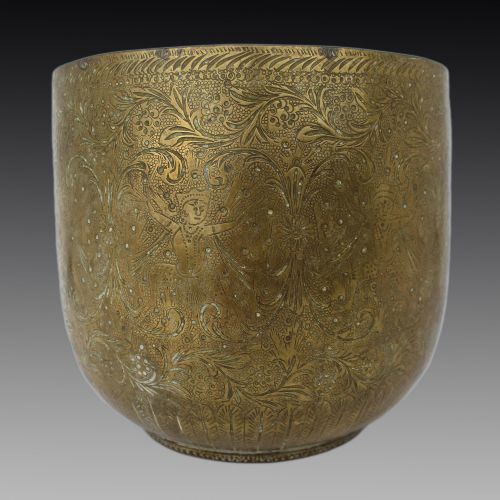
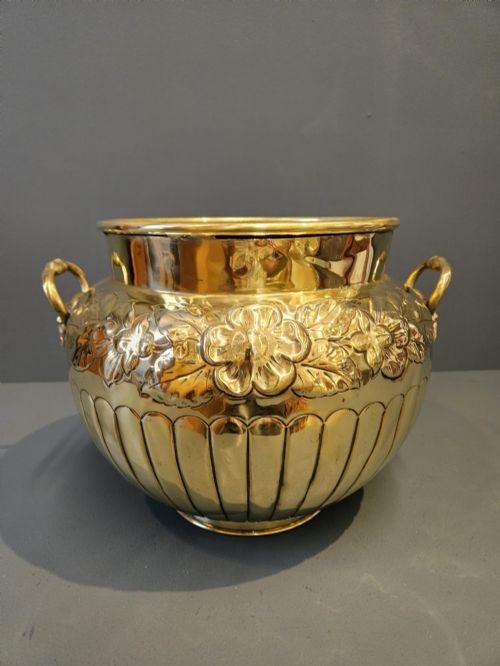
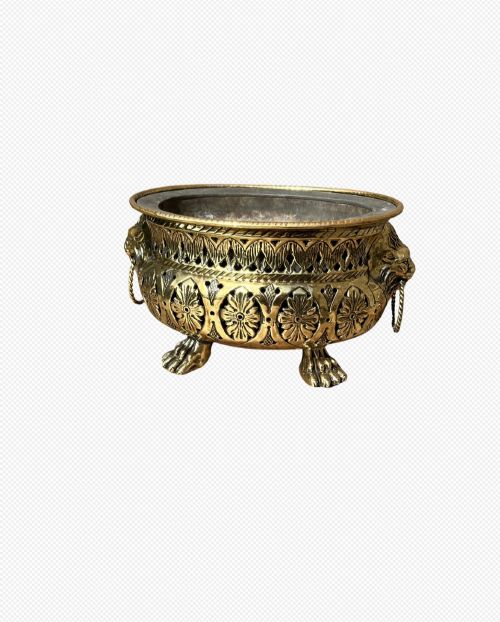
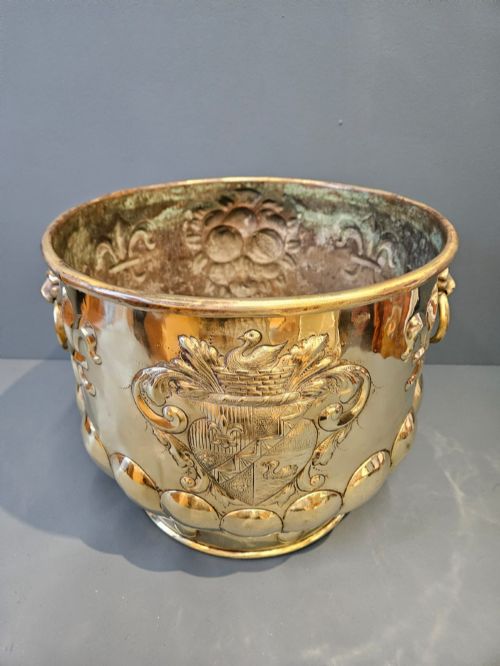
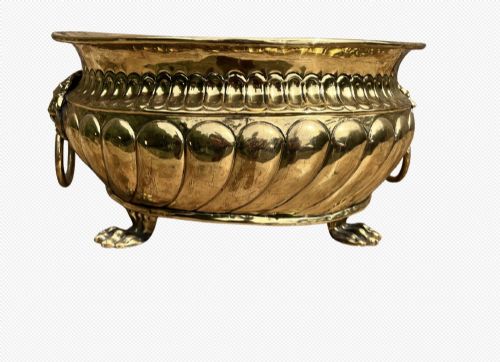
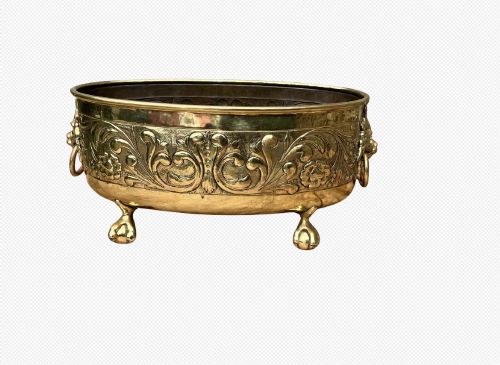
These pieces of a victorian metal jardiniere bring sculptural weight and polished gleam to plant displays inside the home or conservatory.
Victorian Metal Jardiniere
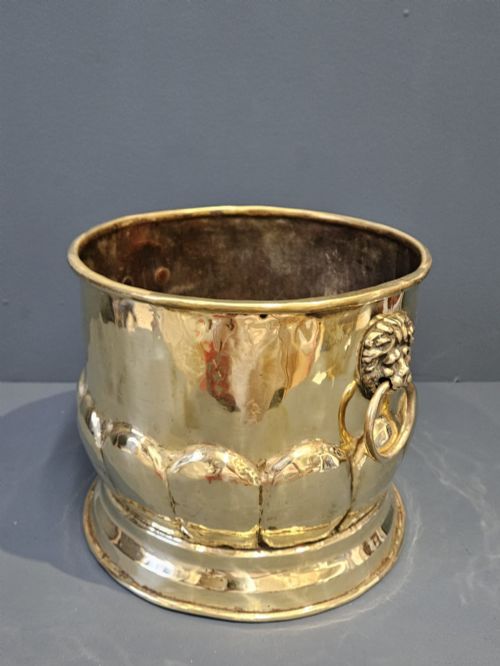
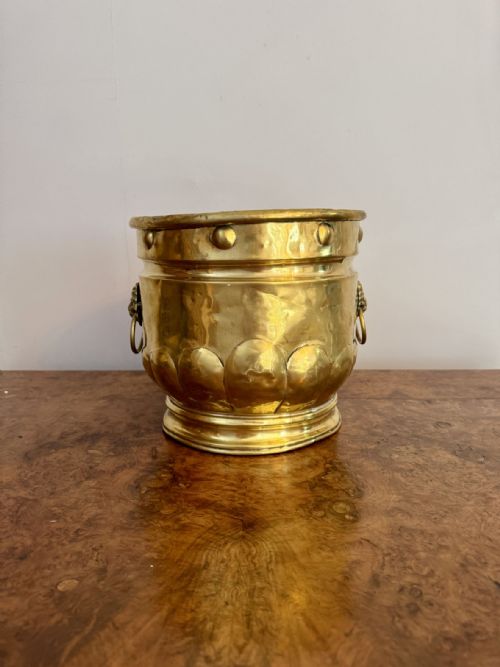
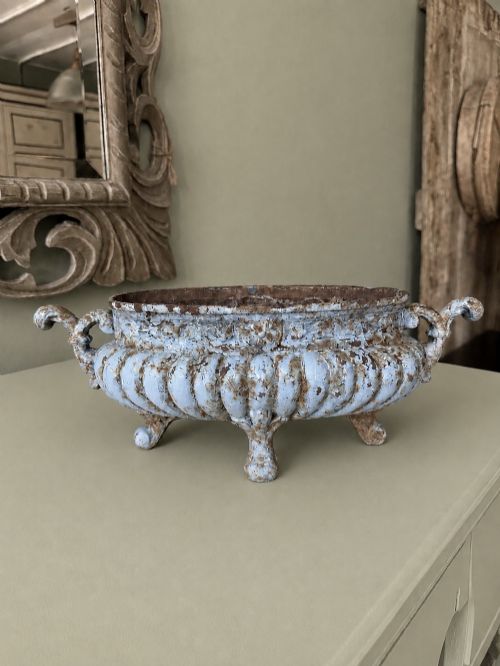
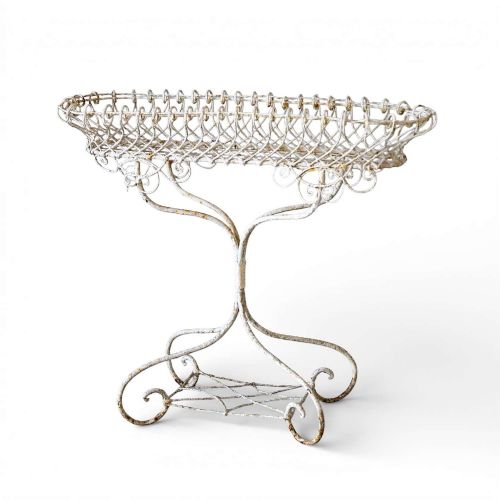
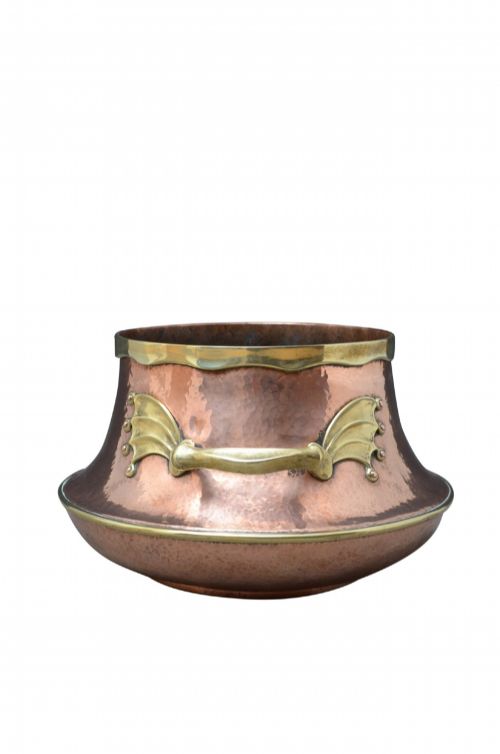
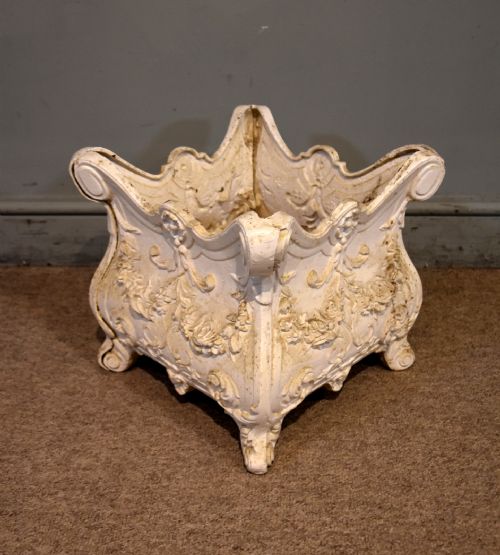
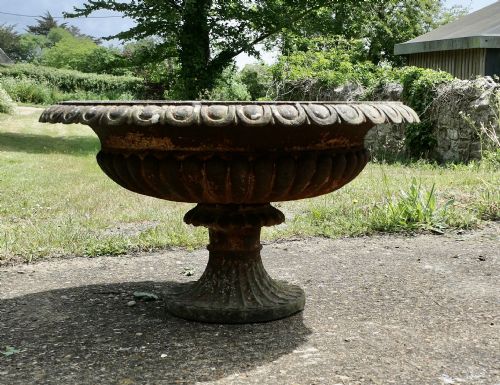
A victorian metal jardiniere serves as a decorative vessel designed to hold potted plants, typically constructed from robust alloys during the nineteenth century. These items appear primarily as heavy copper or brass bowls, cast iron urns, and intricate wirework plant stands.
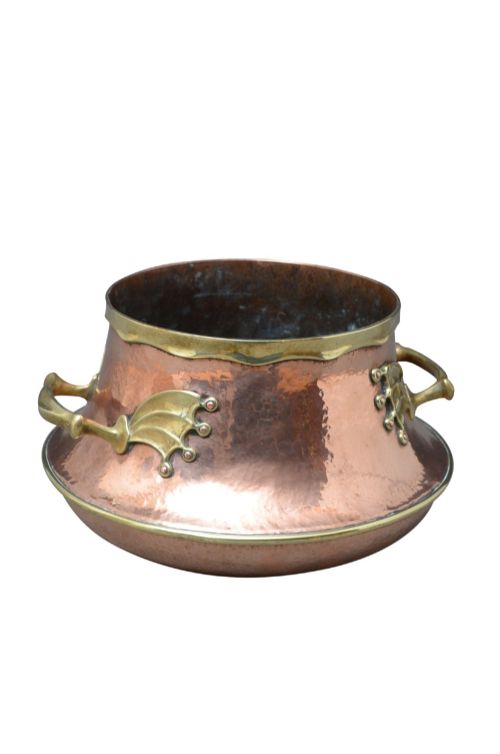
The selection here ranges from compact cylindrical planters to large garden vessels originating from English, French, and Belgian makers. Buyers frequently encounter pieces displaying specific stylistic influences such as Gothic Revival or Arts and Crafts ornamentation.
Many of these containers function equally well as standalone decorative cachepots or functional plant holders for interior spaces. The forms span simple hammered copper bowls to elaborate tiered stands designed for conservatory displays.
How they were made
Makers utilised durable metals including brass, copper, cast iron, and wrought iron to build vessels capable of withstanding moisture and heavy soil. Sheet copper and brass were frequently hand-hammered, pieced, or engraved with detailed motifs, whilst iron components relied on casting or scrollwork assembly.
Surface decoration involved techniques like piercing, embossing crests, or applying dark paint finishes to cast iron frames. Artisans combined mixed metals, often pairing warm copper bodies with contrasting brass fittings or iron stands.
Structural integrity was achieved through soldered seams, riveted joints, or sturdy cast construction designed to support the heavy weight of earth and foliage.
Listings feature brass, copper, cast iron, and wirework materials across the nineteenth century.
What varies in quality
Quality rests upon the thickness of the metal gauge and the crispness of any applied decoration or cast relief work. Thicker copper and solid brass maintain their structural form better over decades of holding damp soil.
The refinement of hand-engraved patterns, the precision of pierced brass galleries, and the complexity of wrought iron scrollwork separate standard vessels from finer workshop pieces. Superior items display careful finishing to interior seams and balanced proportions on stands or feet.
Coalbrookdale
The Victorian Metal Jardiniere Glossary
- Jardiniere
- A decorative pot or stand intended for holding plants or flowers. These vessels sit on tables or floor stands.
- Cachepot
- An ornamental pot used to conceal a plain flowerpot inside. This French term translates literally as hide-pot.
- Repousse
- Metalworking technique where the metal is hammered from the reverse side to form a raised design in relief. This creates tactile surface texture on copper and brass vessels.
- Pierced
- Metal decorated by cutting patterns or openwork shapes through the sheet. Pierced brass galleries allow air circulation around plant pots.
- Wirework
- Framework constructed from bent and soldered wire strands. This technique forms lightweight tiered plant stands typical of conservatory furnishings.
Victorian Metal Jardiniere: Frequently Asked Questions
How do I clean a brass planter?
Maintenance involves gentle dusting and occasional wiping with a soft, dry cloth to preserve the aged surface finish. Avoid harsh abrasive cleaners that strip away historical patination.
Applying a mild wax can help protect copper and brass surfaces from active tarnishing.
Are these planters waterproof?
Many metal vessels feature sealed or soldered seams designed to hold damp soil or potted plants directly. However, older items with pierced decoration or riveted joints may require an inner liner.
Using a plastic or ceramic liner prevents moisture from reaching vulnerable historic seams.
How do I date a cast iron urn?
Dating relies on stylistic clues, casting marks, and the specific manufacturing techniques visible on the base or interior. Pieces from the mid to late nineteenth century often display heavier casting and distinct period ornamentation.
Comparing structural forms with documented catalogues from ironfounders provides clearer chronological placement.