


Victorian Maritime Oil Painting
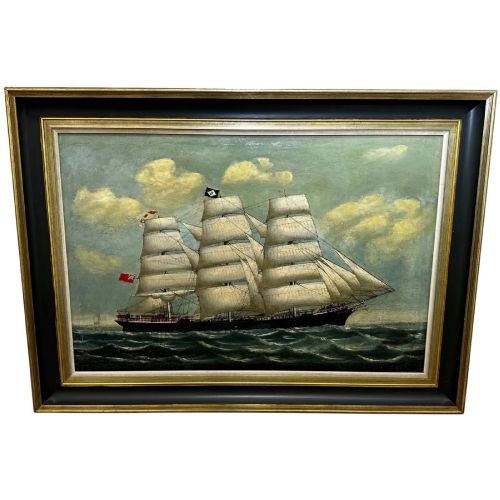
A victorian maritime oil painting captures the power of the nineteenth-century sea on canvas, offering buyers a dramatic window into Britain's seafaring heritage.
Victorian Maritime Oil Painting
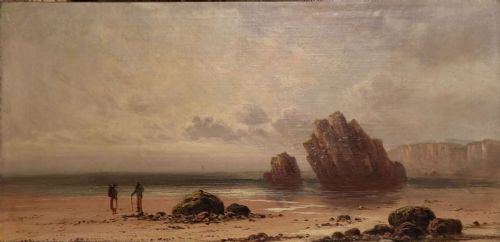
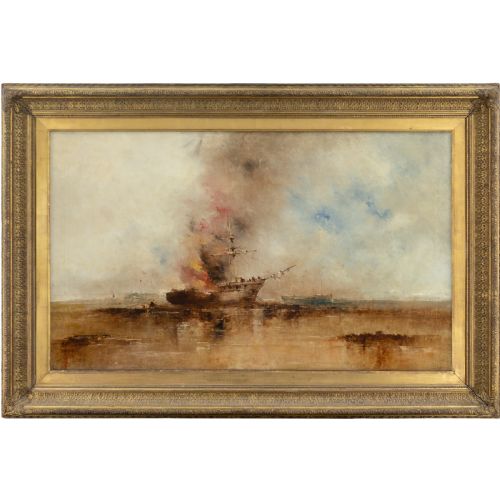
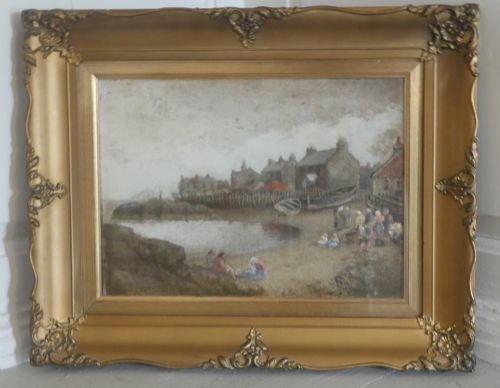
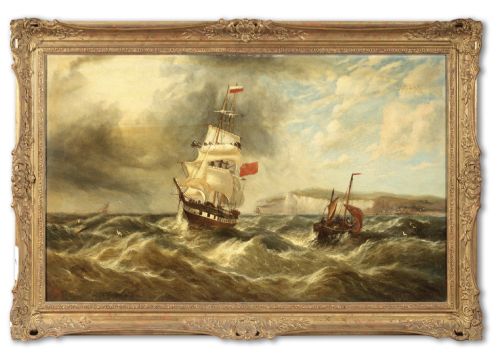
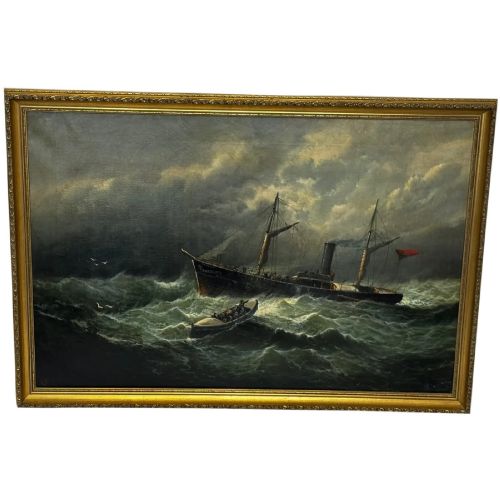
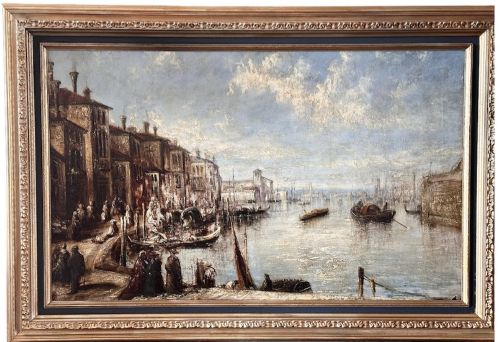
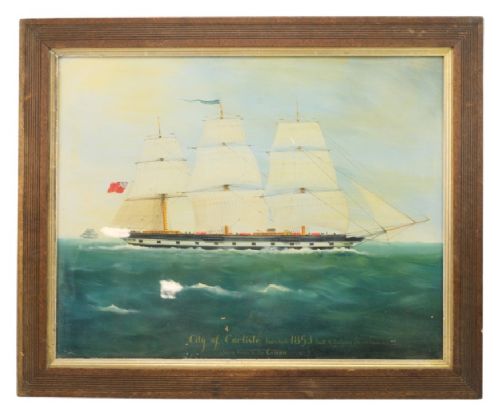
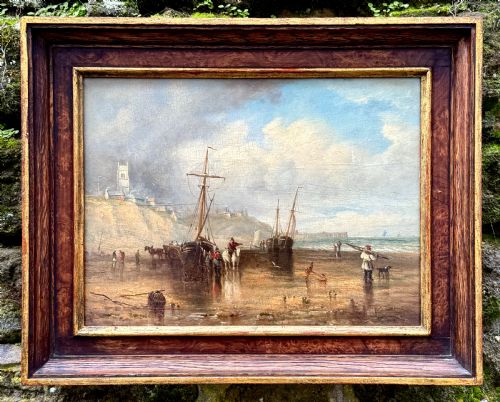
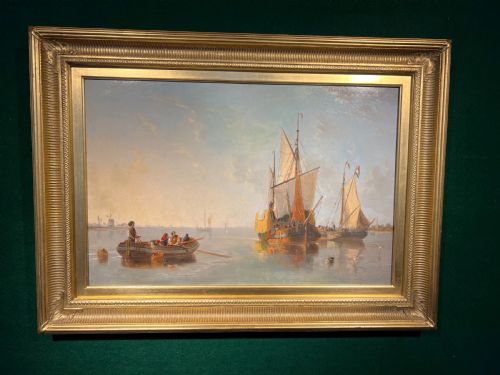
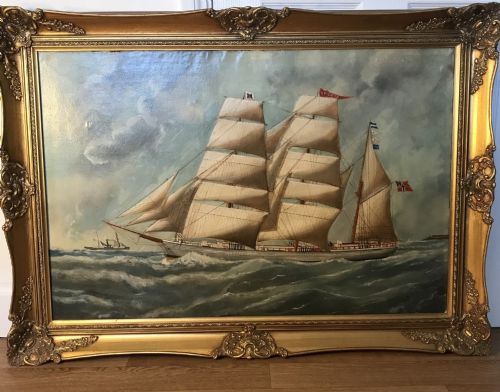
A victorian maritime oil painting represents coastal views, merchant shipping, and dramatic coastal weather executed during the nineteenth century. These works range from intimate harbour scenes to large-scale depictions of vessels battling heavy seas.
Most examples found on this page date from the mid-Victorian decades through to the turn of the twentieth century. They typically portray British and European coastal landmarks, estuaries, and shipping lanes.
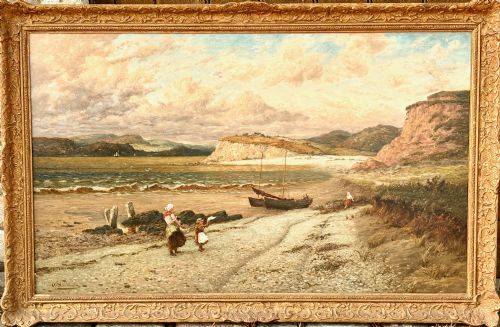
The subjects divide between calm estuary moorings with fishing boats and hazardous open-water rescues involving schooners and barques. Buyers encounter both signed canvases by known painters and atmospheric works by unrecorded regional artists.
How They Were Made
Artists applied oil paint using a combination of bristle brushes and palette knives onto stretched canvas, wooden panel, or board. This allowed them to build thick textures for foaming waves alongside smooth glazes for deep water and grey skies.
Many surviving pieces retain their original surrounds of gilt wood, gesso, and gold leaf moulding. These heavy frames were constructed to complement the scale of the maritime subject and protect the edges of the canvas.
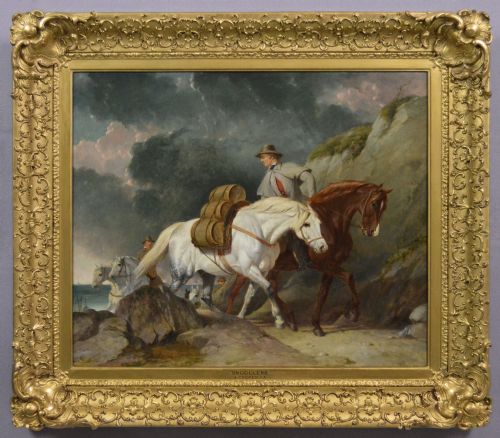
Several canvases capture nineteenth-century smugglers and horses scurrying along lonely coastal paths before the tide turns.
What Varies in Quality
The ability to render water in motion distinguishes finer works from routine studio production. Master painters capture the transparency of breaking waves and the accurate rigging of vessels under wind pressure.
Composition and atmospheric perspective also separate works at different levels. Stronger paintings balance the drama of stormy skies with precise topographical details of harbours and coastal geography.
William McAlpine·John Rose Miles·William Broome·Francis Moltino·Bernard Benedict Hemy·Thomas Creswick·John Wilson Carmichael·Lai Fong·Abraham Cooper·Joseph Farquharson·John Moore of Ipswich·Richard B. Spencer·William Henry Williamson·John Holland·Charles William Wyllie·William Edward Webb·Gustave De Bréanski·James Kyd·Daniel Sherrin·Stanley Leader
The Victorian Maritime Oil Painting Glossary
- Gesso
- A plaster-like mixture applied to wooden frames before gilding. It was carved or moulded into decorative patterns to frame the canvas.
- Oil on Canvas
- Pigments bound in drying oil spread across a woven fabric support. This combination allowed artists to achieve rich colour depths and lasting durability.
- Seascape
- A painting depicting the sea, coastal views, or marine shipping. It serves as the primary visual category for nineteenth-century maritime art.
- Giltwood
- Timber decorated with a thin layer of gold leaf applied over a prepared surface. It provides the traditional reflective border for nineteenth-century fine art.
Victorian Maritime Oil Painting: Frequently Asked Questions
How do I identify a Victorian maritime painting?
Look for nineteenth-century canvas preparation methods, traditional gesso frames, and historical shipping subjects such as three-masted barques or paddle steamers.
Signatures, artist registry records, and framing styles often help narrow down the exact decade of creation between eighteen-sixty and nineteen-hundred.
Where were these marine scenes usually painted?
Artists worked both plein air along British and European coasts and inside studio spaces using preliminary sketches.
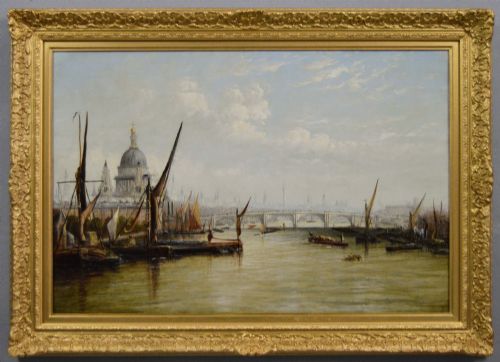
Popular painting locations included busy commercial ports like the River Thames, northern harbours such as North Shields, and rugged shorelines around the Isle of Man.
How should I care for an oil painting on canvas?
Keep the canvas away from direct sunlight, damp environments, and sudden temperature shifts that can cause the oil paint to crack or the wooden stretcher to warp.
Dust the surface and the gilt frame gently with a dry, soft brush without applying liquid cleaners directly to the painted layers.
What subjects are most common in marine art?
Common subjects include fishing fleets returning to harbour, merchant ships navigating rough seas, and historical rescue operations off rocky coasts.
Scenes range from calm coastal estuaries with local figures on the beach to dramatic shipwrecks and naval transport vessels.