


Antique Steamship Painting
An antique steamship painting records the iron and steel vessels that transformed global transit, offering a direct window into early mechanical maritime history.
Antique Steamship Painting
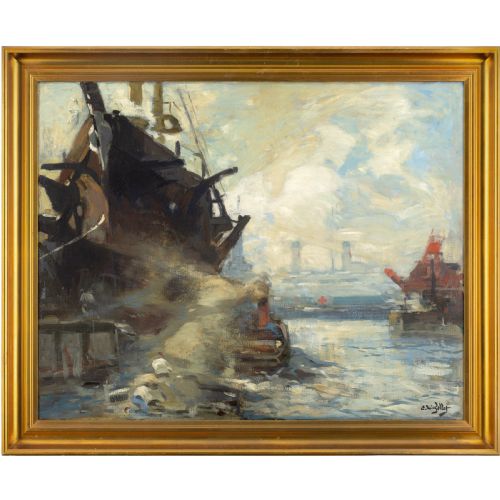
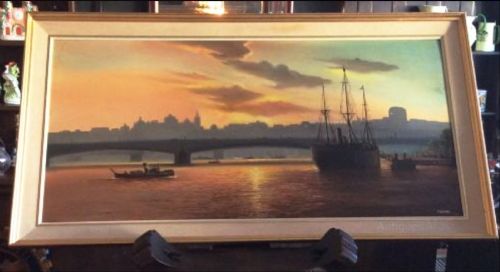
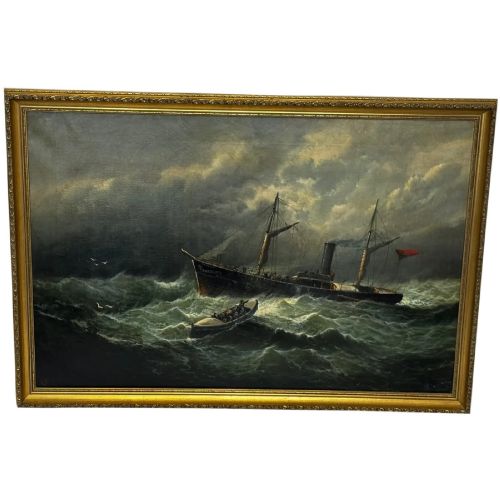
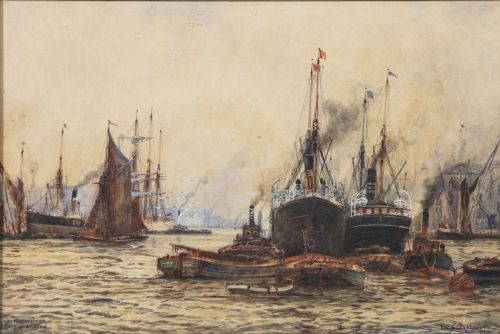
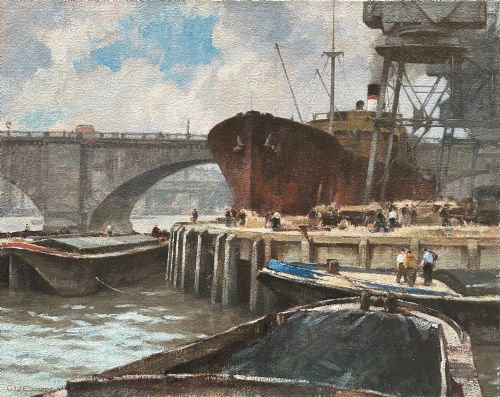
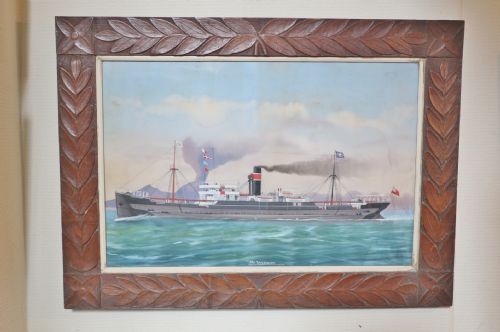
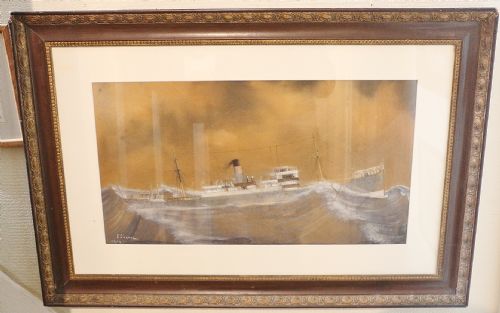
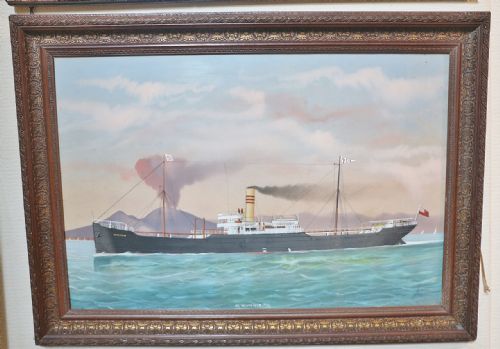
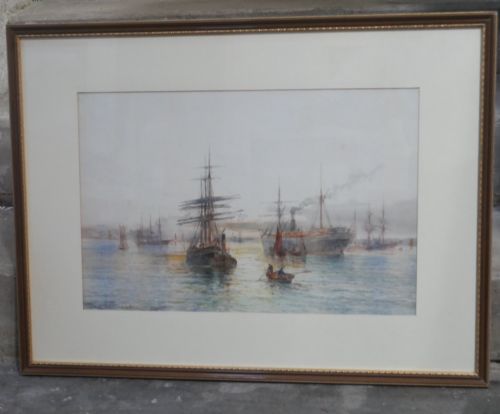
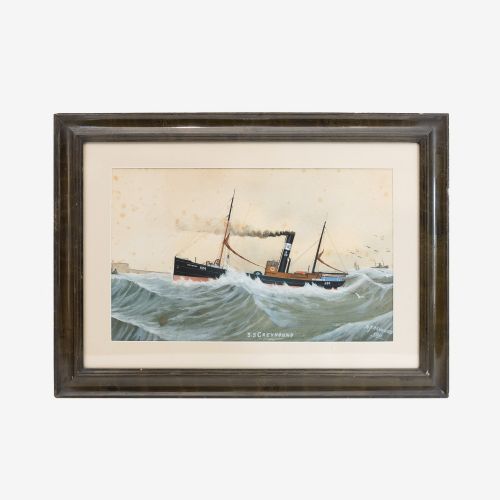
When you search for an antique steamship painting, you encounter works spanning the late nineteenth century through the mid twentieth century. These pieces record named vessels such as the SS Bregonian and the RMS Lusitania, often depicted in bustling ports like the London Pool or navigating open seas. The selection on this page ranges from detailed watercolours on paper to substantial oil paintings on canvas and shadow box dioramas.
The subjects extend beyond single portraits to include dramatic scenes in heavy seas, wartime hospital ships, and polar expeditions. You find both professional maritime art by named hands and maritime folk art created with direct observation of coastal trade. Each format captures the transition from sail to steam through distinct artistic traditions.
Materials and methods
Painters recorded these vessels using oil on canvas or watercolour and gouache on paper, framed under glass where appropriate. Canvas supports allowed artists to build rich textures of smoke, water, and hulls, while watercolours captured the atmospheric haze of industrial ports like the Thames. Frames often incorporated wood and gilt to finish the work.
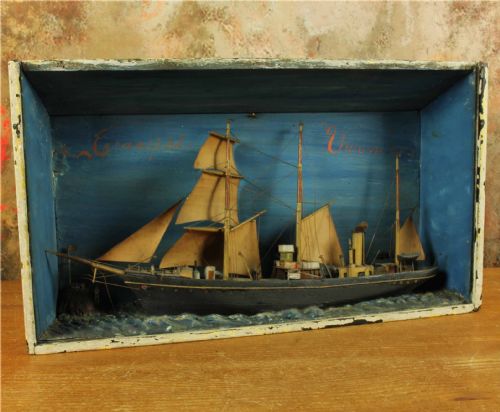
Folk art examples utilise alternative techniques, including scratch-built models, mixed media, and shadow box dioramas containing handmade boat models. These three-dimensional pieces combine painted backgrounds with carved wooden hulls to create depth.
Makers squeezed whole steamers into glass bottles and carved wooden hulls using bits of scrap timber found near the docks.
What separates the work
The strength of an antique steamship painting rests in the accuracy of the vessel's rigging, funnel placement, and hull proportions. Works by accomplished painters demonstrate a deep familiarity with naval architecture and maritime conditions, distinguishing them from simpler decorative records.
Atmospheric command further divides the standard works from the exceptional. The finest pieces render industrial smoke, coastal light, and turbulent water with genuine conviction, anchoring the steamship within a convincing environment rather than simply floating it upon a flat plane.
Eugène-Louis Gillot·William Broome·Frank William Scarbrough·Charles William Wyllie·Ernest Dade·Alexander Harwood·James Scrimgeour Mann·Johan Jens Neumann
The Antique Steamship Painting Glossary
- Pierhead painting
- A portrait of a specific vessel, usually commissioned by the captain or shipowner and painted with strict topographical accuracy as it left or entered port.
- Shadow box diorama
- A shallow display case containing a three-dimensional model of a vessel set against a painted backdrop, creating a convincing illusion of depth.
- Upper Pool
- The stretch of the River Thames just below London Bridge, frequently depicted in maritime art for its dense concentration of shipping and commerce.
- Gouache
- An opaque watercolour medium used by artists to add dense highlights of white and bright colour to maritime scenes on paper.
- Scratch built
- A model or artwork constructed entirely from raw materials without the aid of commercial kits, relying on the maker's direct measurement and skill.
Antique Steamship Painting: Frequently Asked Questions
How do I identify the ship in the painting?
Many works include the vessel's name written on the mount, canvas, or painted directly onto the ship's bow and stern. Researching shipping lines like Cunard or the White Star Line often confirms the specific vessel.
Secondary clues such as funnel colours, flag pennants, and port landmarks also help historians pinpoint the exact ship and operational era.
What is a pierhead painting?
A pierhead painting is a detailed portrait of a specific ship, traditionally commissioned by its master or owner when entering or leaving port. These works prioritize accuracy in recording the vessel's rigging, funnels, and structural details above artistic license.
Artists stationed in major ports produced these records to celebrate individual commercial ships and liners.
How should I care for a paper watercolour?
Watercolours on paper require protection from direct sunlight to prevent the pigments and paper stock from fading over time. Keeping them in stable, moderate humidity prevents the paper from warping or developing foxing spots.
Glazing with UV-filtering glass provides an extra layer of defence against environmental degradation.
What is the difference between an oil and a watercolour?
Oil paintings utilise pigment suspended in drying oils applied to stretched canvas or wood panels, allowing for heavy texture and deep layering. Watercolours use water-soluble pigments on paper, producing a more luminous, transparent finish.
Oils generally offer greater durability against environmental moisture than works on paper.