





Victorian Travel Painting
Victorian travel painting brings together portable fine art and robust campaign gear made to cross oceans and borders.
Victorian Travel Painting
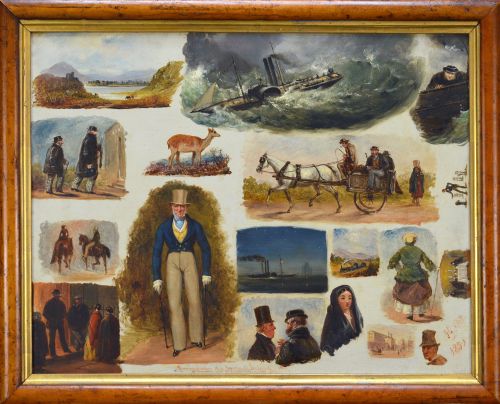
Victorian travel painting spans portable oils, watercolours, miniatures, and enamel panels created during the nineteenth century. These works capture journeys, destinations, and intimate subjects on materials suited to movement, including wood panels and porcelain.
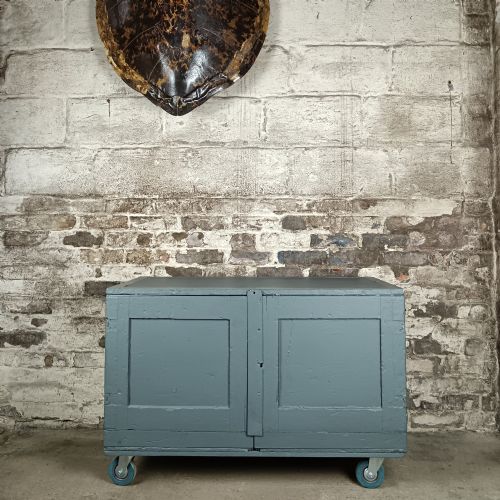
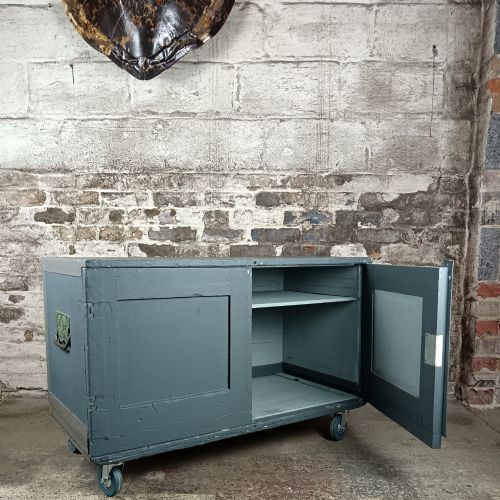
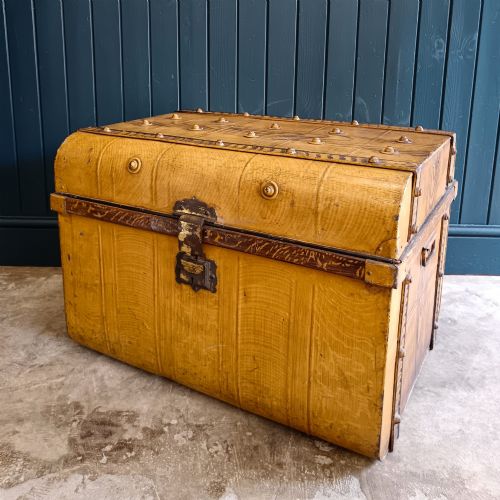
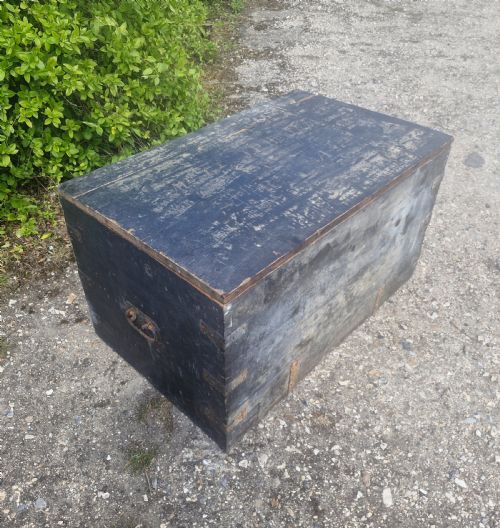
The objects associated with this search phrase also include the very vessels and furnishings used to transport such items. You will encounter campaign chests, metal-bound trunks, and fitted boxes designed to protect delicate goods on the move.
Originating from British, French, and Chinese export workshops, these pieces reflect a period of global mobility. The selection balances fine artistic expression with the utilitarian demands of nineteenth-century travel.
Quality and craftsmanship markers
Quality shows in the refinement of the painted surface, from detailed miniature brushwork to the precision of enamel panels and signed oil sketches. The sophistication of the housing, whether a finely fitted artist box or a sturdy campaign trunk, dictates the tier of the piece.
The integrity of original mechanisms, such as repeater movements in carriage clocks or the secure joinery in military chests, separates standard utilitarian items from exceptional examples.
Victorian Travel Painting Retail Price Guide 2026
Typical asking prices for victorian travel painting among the pieces listed under this phrase on Sellingantiques today, from the lower quarter to the upper quarter. They describe what is for sale here now, not the wider market.
Listings feature materials spanning iron, pine, brass, glass, enamel, paint, gilt brass, and porcelain across the nineteenth century.
Alfred Drocourt·Winsor And Newton
The Victorian Travel Painting Glossary
- Campaign chest
- A piece of sectional furniture designed to break down into parts for easy transport by military officers or travellers.
- Limoges enamel
- A vitreous enamel painting technique developed in France, frequently utilised for miniature portraits and decorative panels on luxury items.
- Carriage clock
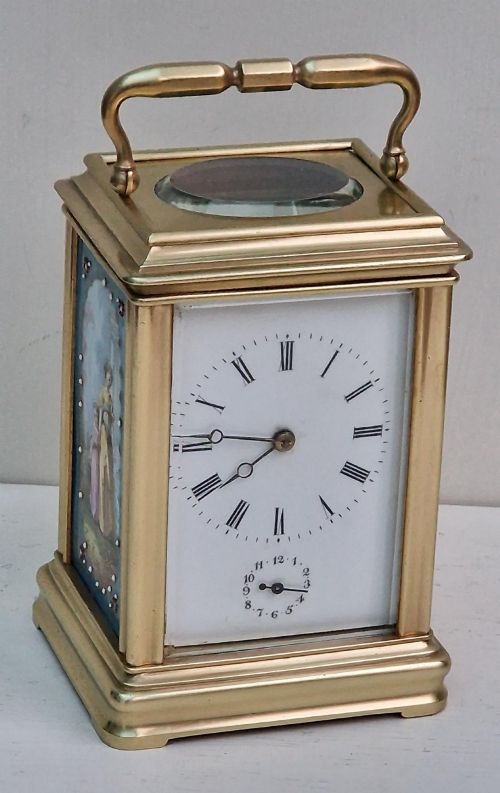
- A small, spring-driven clock created for travellers during the nineteenth century, often housed in a brass case with glass or enamel panels.
- Panel painting
- A painting executed on a flat piece of wood rather than canvas, offering superior rigidity for works carried on journeys.
Victorian Travel Painting: Frequently Asked Questions
What is a Victorian travel painting?
A Victorian travel painting is a portable artwork created during the nineteenth century, often in oil, watercolour, or enamel on panel. These pieces were made to be easily transported by travellers, artists, and military personnel.
They reflect the journeys and sights of the period, frequently housed in protective portable formats or associated with travel chests and fitted cases.
How were travel paintings transported?
Paintings and delicate items travelled in specialised containers designed to withstand nineteenth-century transit. These included fitted artist paint boxes, lacquered jewellery cases, and robust metal-bound trunks.
Larger items relied on campaign chests and transport packing cases made from pine and iron to protect contents across land and sea.
Where did these items originate?
The pieces originate from various regions involved in nineteenth-century trade and travel, notably Britain and France. You also find Chinese export items tailored for Western markets.
French workshops specialised in luxury travel items like repeater carriage clocks with enamel panels, while British makers produced sturdy campaign equipment.
How do I care for a painted enamel panel?
Enamel panels require gentle handling to protect the glass-like fused surface from impact and sudden temperature shifts. Keep them away from direct sunlight and excessive moisture to preserve the pigments.
Dust lightly with a dry, soft cloth and avoid chemical cleaners which can damage the fine metal mountings and painted details.