
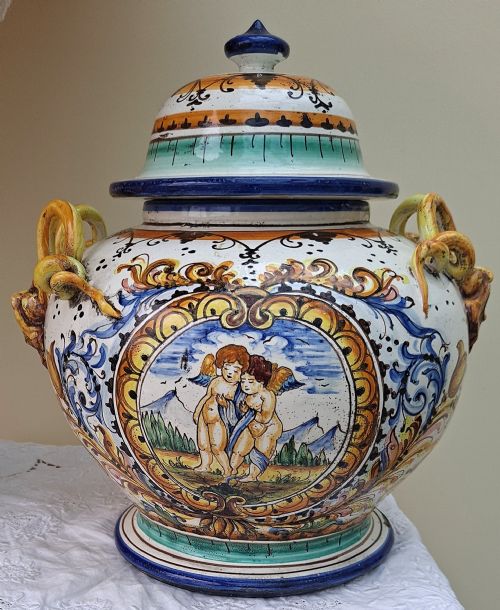
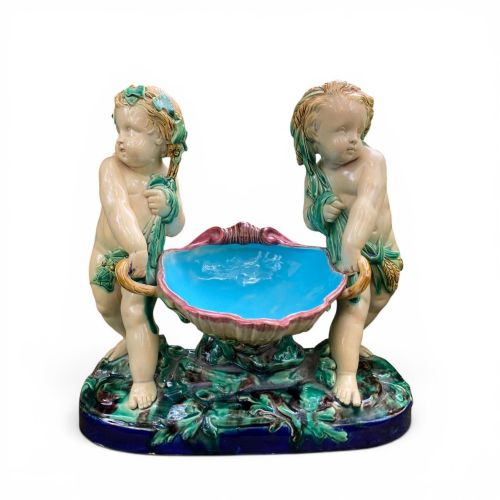
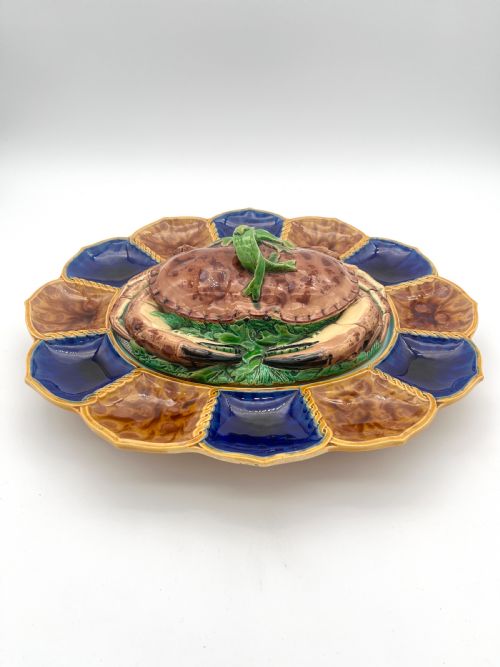


Victorian Majolica Pottery
Victorian majolica pottery brings together coloured lead glazes and sculptural earthenware forms, prized for vibrant tabletop vessels and garden planters.
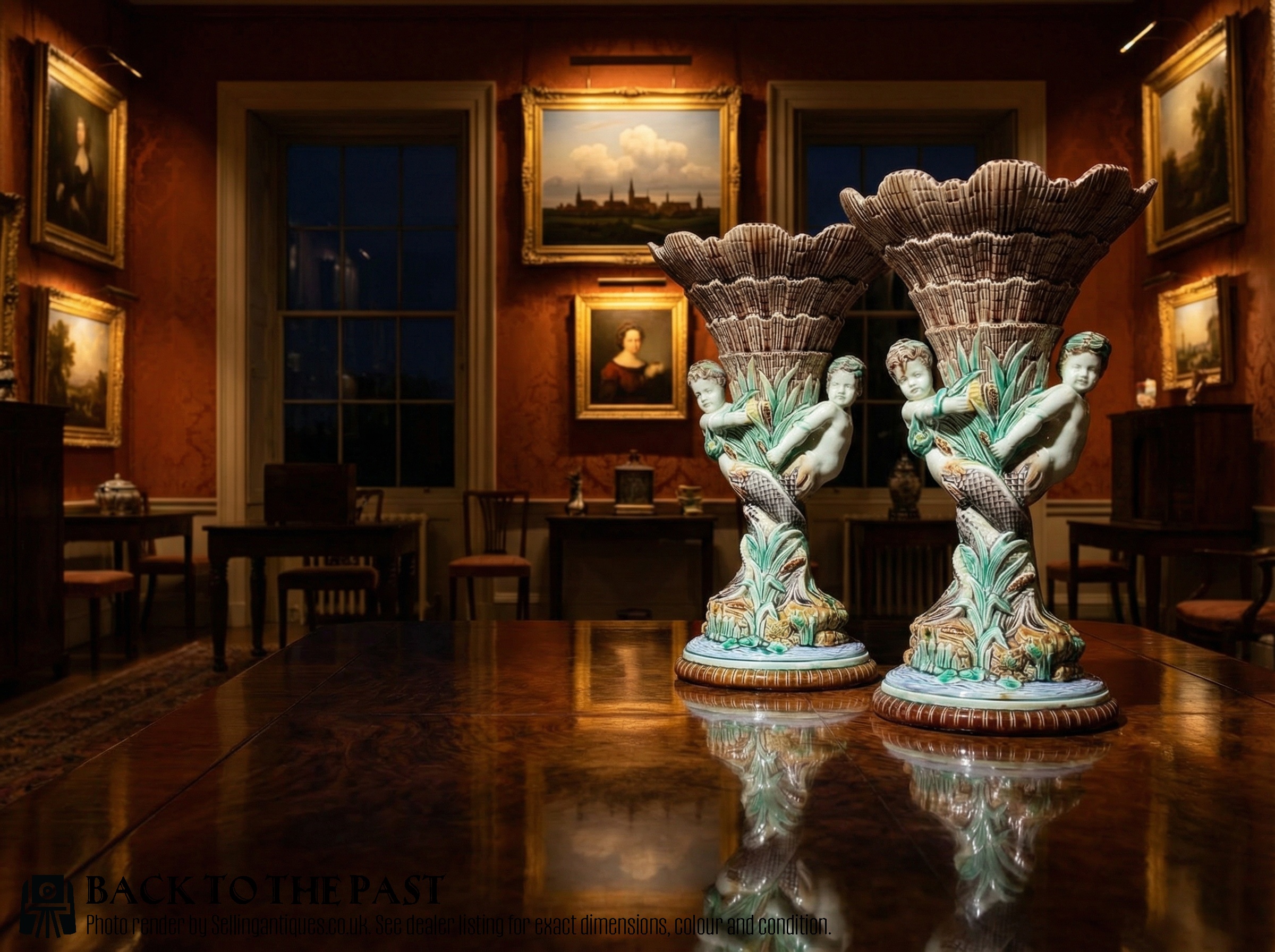
Victorian Majolica Pottery
Victorian majolica pottery covers heavily glazed earthenware items made primarily during the nineteenth century, ranging from utilitarian household wares to elaborate ornamental pieces. The search phrase embraces domestic items like cheese domes, teapots, and salad bowls alongside large decorative jardinieres and vases.
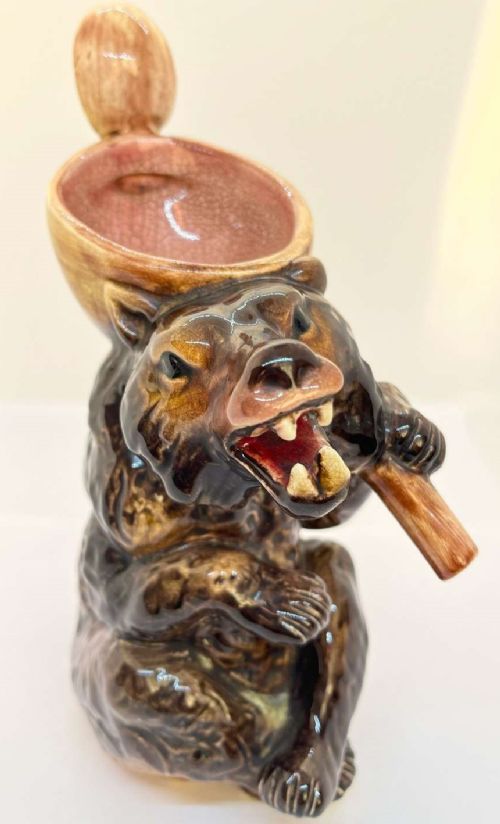
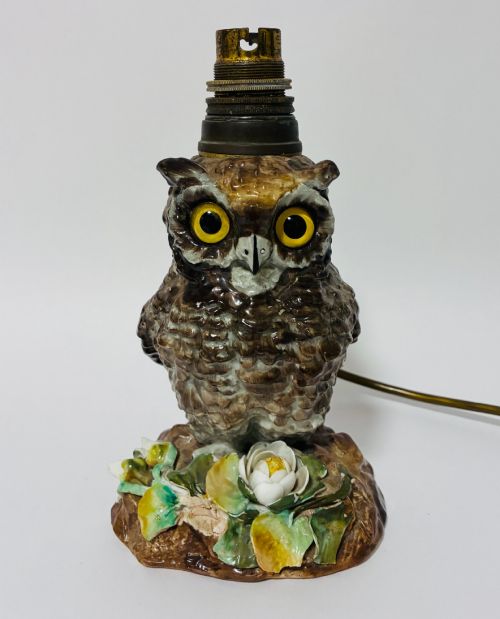
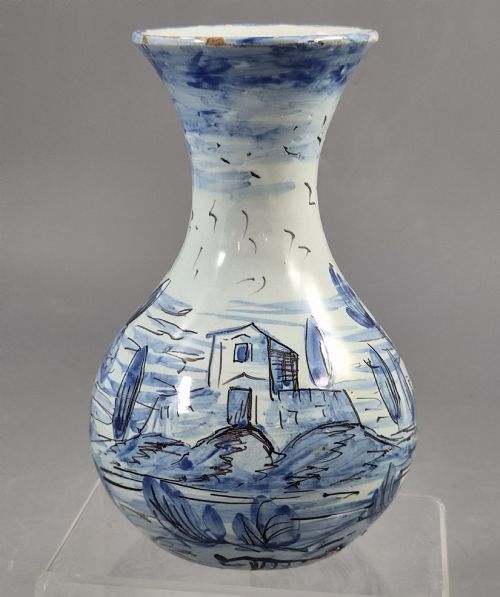
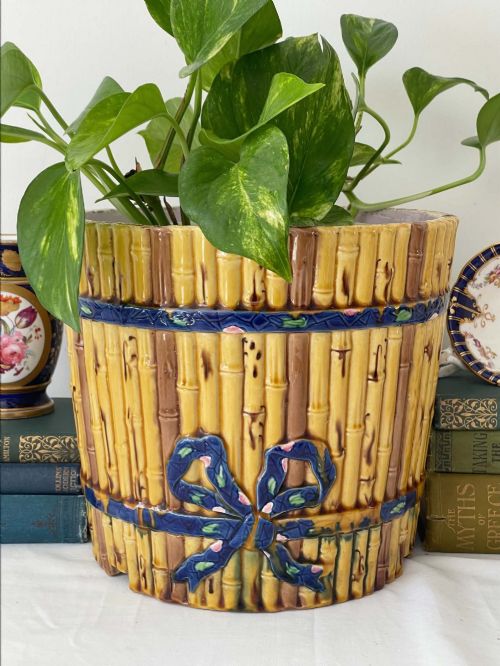
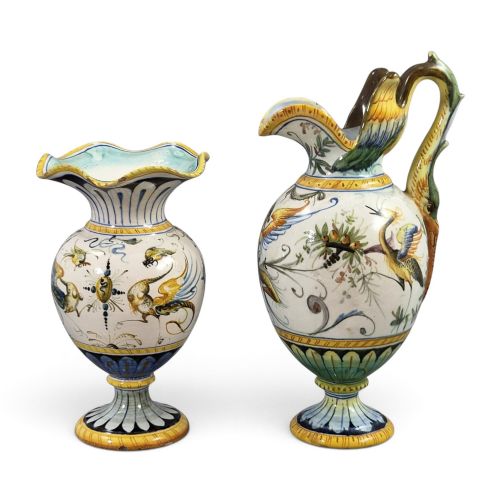
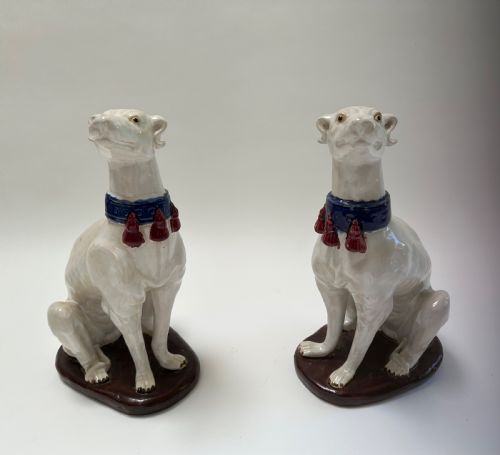
Makers working in this taste drew heavily on naturalism, Renaissance revival, and chinoiserie motifs to shape clay into animal figures, plant motifs, and mythological scenes. You are most likely to encounter colourful jardiniere planters, sculptural animal jugs, and lidded cheese dishes originating from English and continental potteries.
English firms such as Minton, George Jones, and Holdcroft feature prominently alongside Italian, French, and Austrian workshops, demonstrating the widespread European passion for colourful lead-glazed ceramics. Pieces extend from compact cabinet vases to monumental pedestals, reflecting diverse domestic interiors of the period.
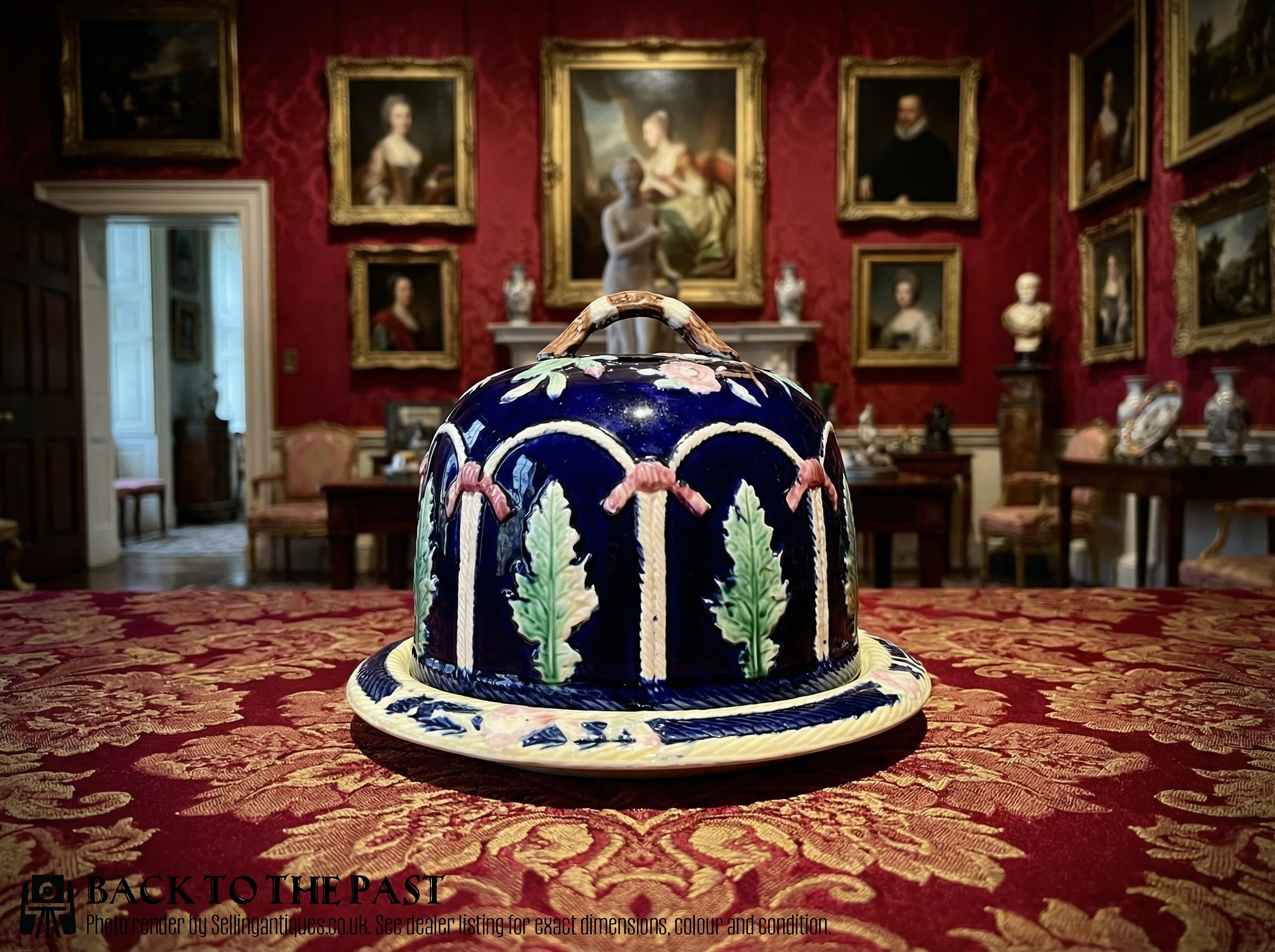
Materials and technique
Potters shaped earthenware or terracotta bodies by moulding or throwing before applying thick metallic-oxide coloured glazes directly onto the unfired or biscuit surface. This technique allowed multiple vibrant hues - principally greens, cobalts, purples, and pinks - to run and blend during high-temperature firing.
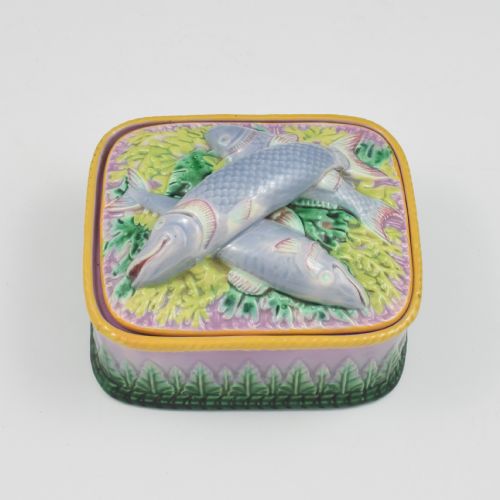
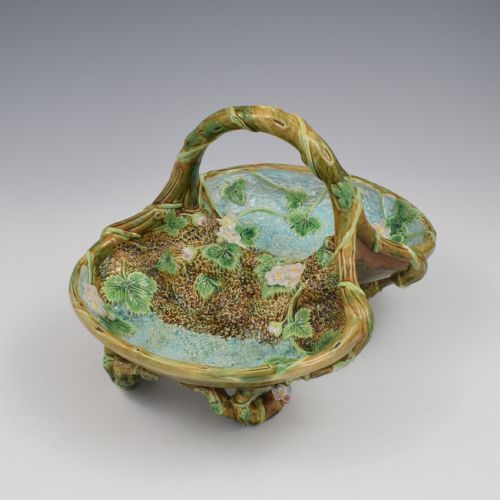
The characteristic lustrous finish relies upon lead glaze formulations that pool intensely around modelled reliefs, accentuating feathers, fur, and floral details. Artisans often combined intricate moulding with hand-finished touches to create textured surfaces like bamboo stalks, wicker baskets, and scaly marine creatures.
Object forms span practical cheese domes, teapots, and salad bowls alongside decorative jardinieres, wall brackets, and animal figures.
Standards of execution
The richness and depth of the coloured lead glazes distinguish superior productions from simpler commercial wares, alongside the ambition of the original sculptural design. Successful pieces balance complex multi-part modelling with a stable earthenware body that supports heavy decorative elements like ewers, figures, and handles.
Holdcroft·Cantagalli·Minton·George Jones·Julius Dressler·Thomas Forester and Sons
The Victorian Majolica Pottery Glossary
- Earthenware
- Porous pottery fired at lower temperatures than stoneware or porcelain. It forms the standard ceramic body for nineteenth-century majolica wares.
- Lead glaze
- A glossy transparent or semi-opaque coating containing lead oxide. This medium carries the metallic oxides that produce vibrant greens, blues, and pinks.
- Jardiniere
- An ornamental pot or stand designed to hold growing plants or floral arrangements. These vessels often feature naturalistic plant or animal motifs.
- Majolica
- A nineteenth-century term for earthenware decorated with colourful lead glazes over moulded reliefs. It differs historically from tin-glazed Italian maiolica.
- Ewer
- A large jug with a wide spout and sculpted handle used for serving water or as a decorative display piece.
Victorian Majolica Pottery: Frequently Asked Questions
What is majolica pottery?
Majolica pottery consists of earthenware pieces coated in rich, colourful lead glazes that highlight moulded decorative surfaces. The style gained immense popularity during the Victorian era for both ornamental and practical household objects.
Potters used metallic oxides to achieve bright greens, blues, and pinks, often depicting natural forms like animals, leaves, and mythological figures. These pieces range from small match holders to large garden pedestals.
How were cheese domes used?
Victorian dining tables featured large lidded cheese dishes to preserve cheddar and other hard cheeses during long meals. The domed cover kept the cheese moist while displaying the owner's taste in colourful ceramics.
These sets typically included a matching flat tray or stand. Common designs incorporated naturalistic plant themes, animal figures, or rustic basket weave patterns.
Are these pieces waterproof?
Most majolica vessels feature an earthenware body sealed with lead glaze, making them generally suitable for holding water or potted plants. However, porous historic bodies can absorb moisture over long periods if unglazed interiors are exposed.
Collectors usually place protective liners inside antique jardinieres and vases to prevent water damage to the historic ceramic material. Checking the interior glaze helps determine if a vessel is fully sealed.
Where were they made?
Production centred in major ceramic hubs across England, particularly Staffordshire, alongside significant workshops in France, Italy, and Austria. Prominent English factories competed with continental potteries to supply ornate decorative wares.
Italian producers often drew inspiration from Renaissance styles, while English firms leaned towards naturalism and botanical forms. This international exchange created distinct regional variations in colour palette and modelling.