


Victorian Urn Set
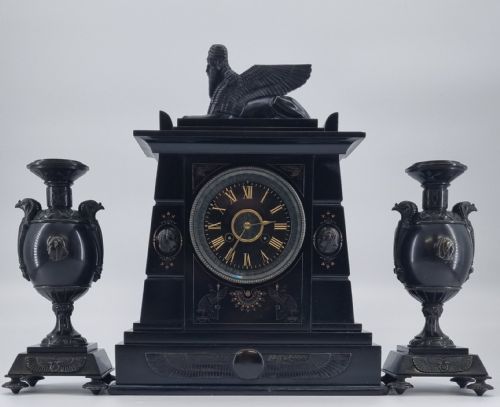
A victorian urn set brings together matched vessels and clock garnitures designed to create symmetry across a mantelpiece or sideboard.
Victorian Urn Set
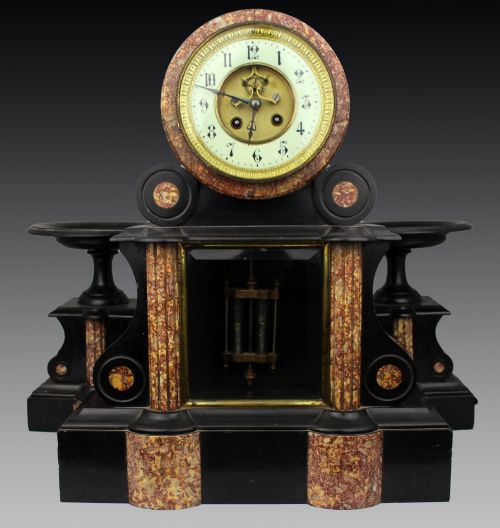
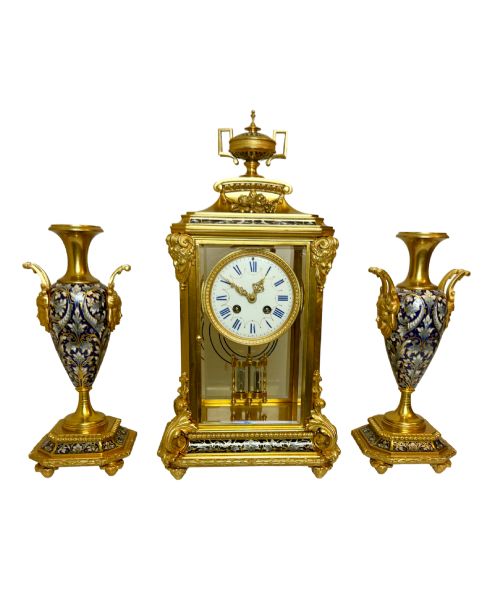
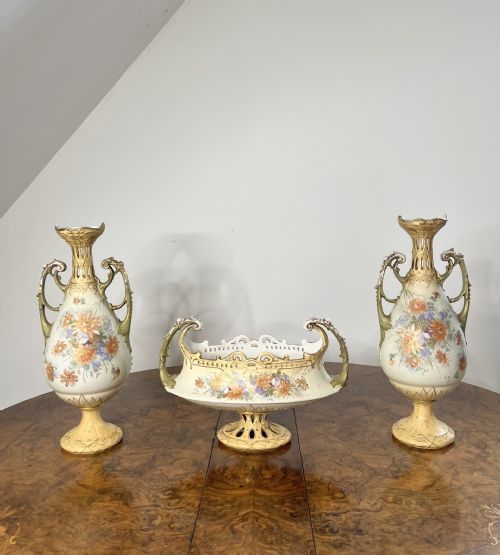
A victorian urn set typically comprises a central clock flanked by matching decorative vases or side urns, forming a complete three-piece garniture for a mantelpiece. Buyers encounter French and English examples from the nineteenth century, utilising materials such as marble, bronze, porcelain, and brass.
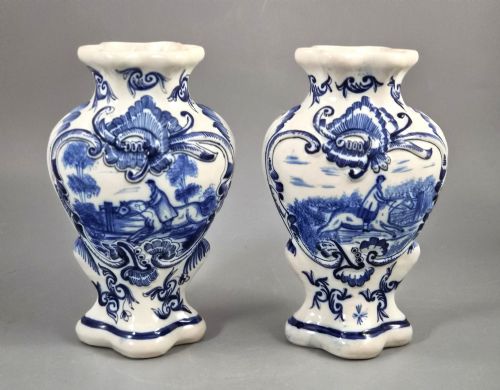
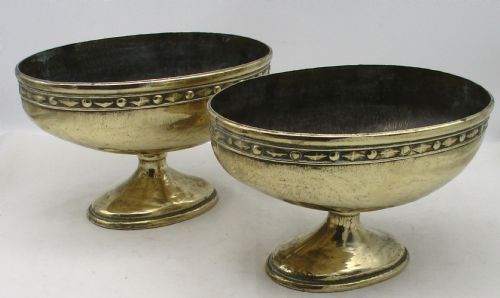
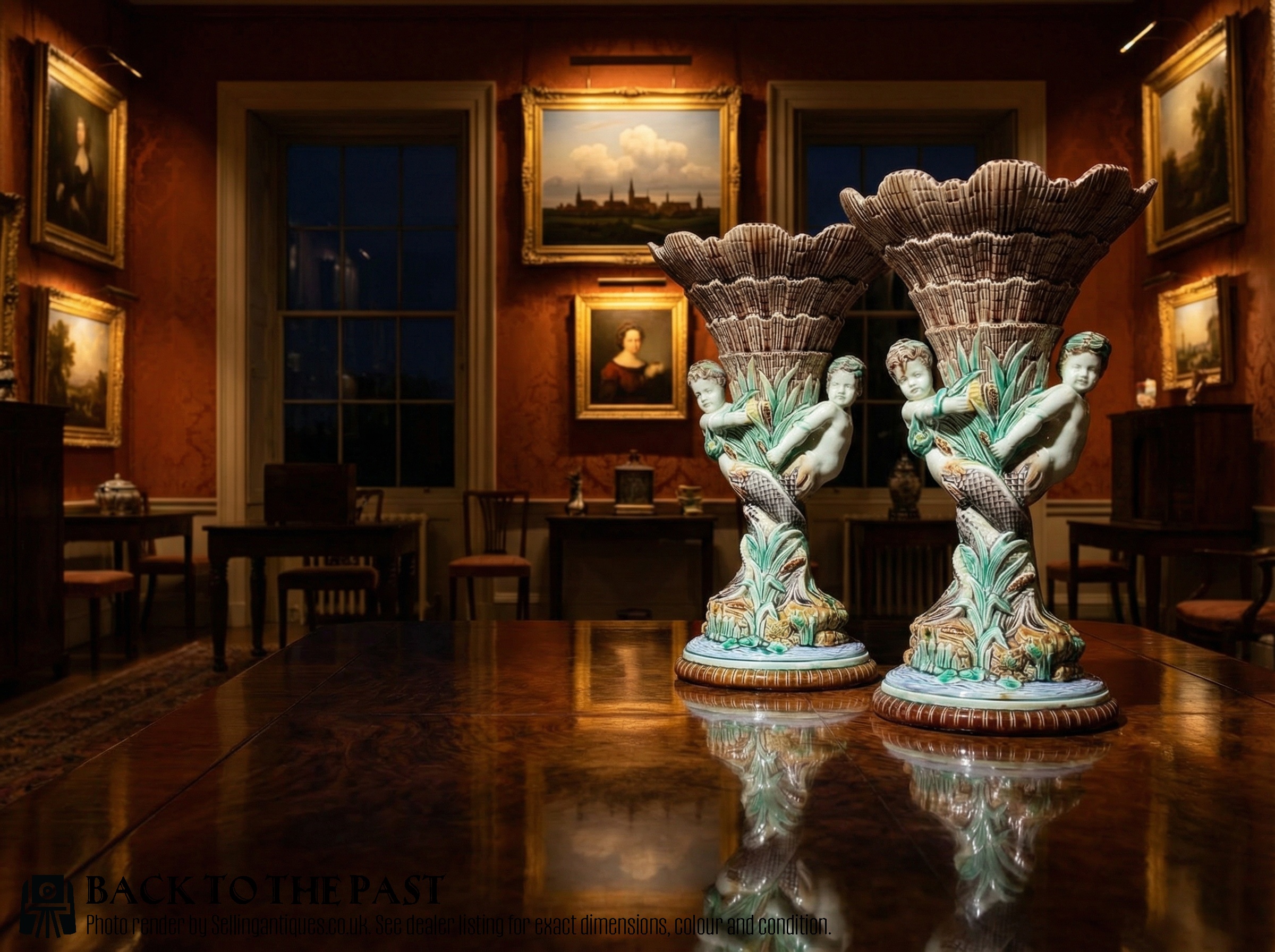
The arrangement extends beyond timepieces to include matched pairs of vases, pedestal bowls, and garden urns in cast iron or terracotta. These matched groupings reflect a nineteenth-century taste for balanced interior and garden decoration.
Many sets combine timekeeping with decorative sculpture, incorporating gilt bronze mounts, hand-painted porcelain panels, and enamel dials. The groupings range from compact brass altar garnitures to large architectural marble clock sets.
Materials and construction methods
Foundry work dominates the metal garnitures, employing cast bronze, brass, and gilt bronze, often finished with champlevé enamel or detailed chasing. Marble and black slate provide heavy, stable plinths and clock bodies for these metal components.
Ceramic elements rely on porcelain, faience, and ironstone, decorated with hand-painted scenes, floral garlands, and applied gilding. Cabinetmakers and metalworkers utilised mechanical fastenings and threaded bolts to secure complex multi-part urns and clock cases.
Distinctions in craftsmanship
Quality reveals itself in the crispness of the bronze casting and the depth of the chasing, where sharper detail separates standard production from finer workshop output. The weight and selection of the underlying marble or onyx plinth also indicate the tier of manufacture.
Hand-painted ceramic panels and intricate enamel work show clear gradations in artistic skill, with more expressive brushwork and richer palette control defining superior pieces. Original matched movements and uncompromised dial faces preserve the integrity of complete clock garnitures.
Fourmaintraux-Courquin·Royal Vienna·Doulton Lambeth·KPM Berlin·A.D Mougin
The Victorian Urn Set Glossary
- Garniture
- A set of matched ornamental vessels or objects designed to be displayed together, typically consisting of a central clock or vase and two flanking side pieces.
- Champlevé
- An enamelling technique where troughs are carved into a metal surface and filled with vitreous enamel before firing.
- Toleware
- Lacquered or enamelled sheet metal items produced to imitate Japanese and Chinese lacquerwork during the eighteenth and nineteenth centuries.
- Gilt Bronze
- Bronze objects treated with a layer of gold or gold amalgam, also referred to as ormolu.
- Ironstone
- A type of durable, heavy ceramic developed in the nineteenth century as a robust alternative to porcelain.
Victorian Urn Set: Frequently Asked Questions
What is a clock garniture?
A clock garniture is a matched set consisting of a mantel clock and two accompanying side pieces, such as vases or urns, designed for symmetrical display.
These sets were produced in various materials including marble, bronze, and porcelain to anchor the decor of a formal nineteenth-century room.
How were urn sets displayed?
Urn sets were typically placed upon mantelpieces above fireplaces, where the central clock and matching side vessels created a balanced architectural arrangement.
They also appeared on console tables, pedestals, and sideboards in principal reception rooms to project a sense of order and refinement.
Are garniture sets always three pieces?
While the standard clock garniture comprises three pieces, some groupings extend to five pieces with additional matching vases or tazze.
Other configurations involve paired altar vases or garden urns without a central timekeeper.
How do I distinguish French sets from English ones?
French sets frequently incorporate fire-gilt bronze mounts, champlevé enamel, and black marble or onyx bodies produced by notable clockmakers.
English and continental porcelain factories often focused on hand-painted floral motifs and ironstone or earthenware bodies.