


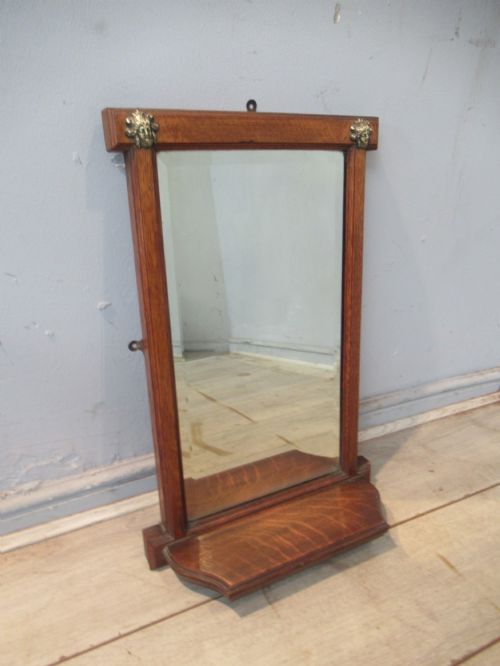


Victorian Looking Glass
A victorian looking glass brings depth and reflected light to a room, shifting from heavy carved oak to ornate giltwood.
Victorian Looking Glass
When you search for a victorian looking glass, you find wall mirrors, overmantle mirrors and occasional cheval mirrors spanning the nineteenth century up to the early twentieth century. The selection ranges from compact oval shapes to large architectural frames designed to sit above a fireplace.
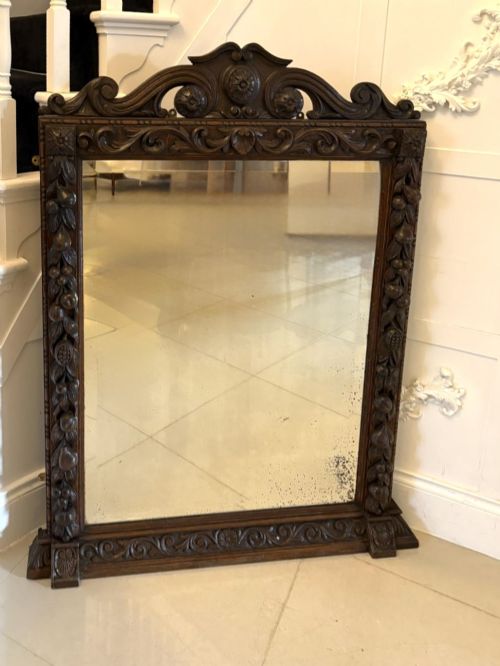
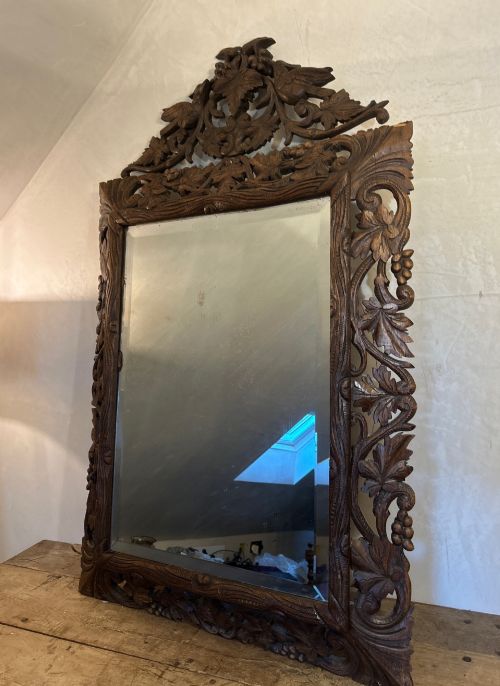
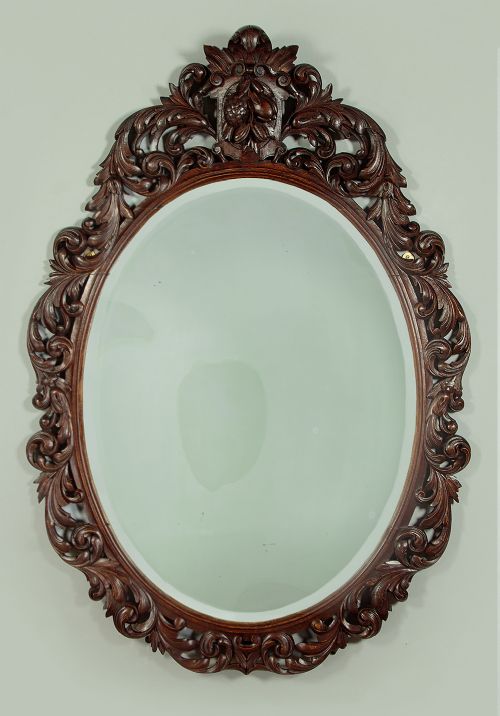
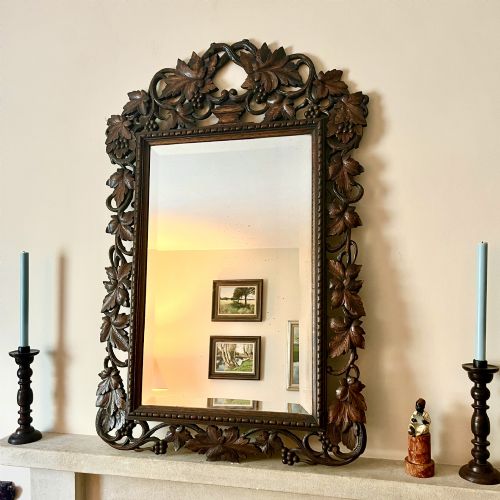
Oak and walnut appear frequently in solid carved formats, often displaying deep relief work or fretwork patterns from the latter decades of the century. Giltwood and gesso frames introduce a brighter presence, frequently rendered in revival styles that mimic earlier decorative eras.
Materials and construction methods
Frames rely on timber foundations such as oak, walnut, pine and mahogany, shaped through solid carving or built up with applied mouldings. Giltwood examples utilise layers of gesso applied over wood before receiving gold leaf or painted gold finishes.
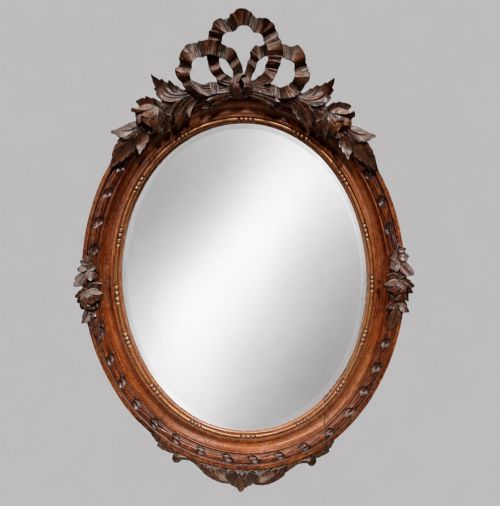
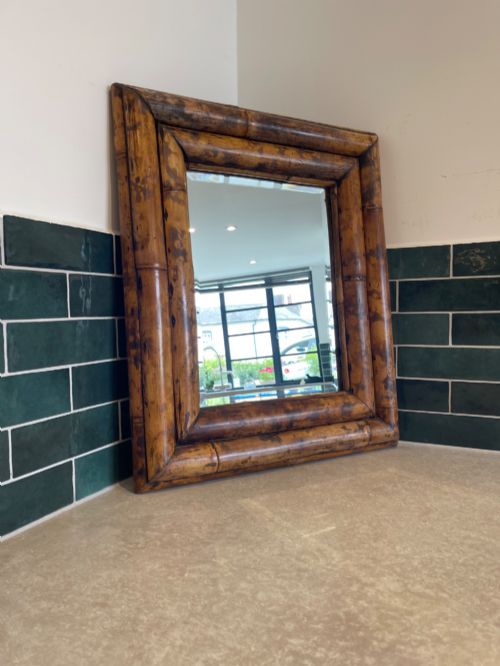
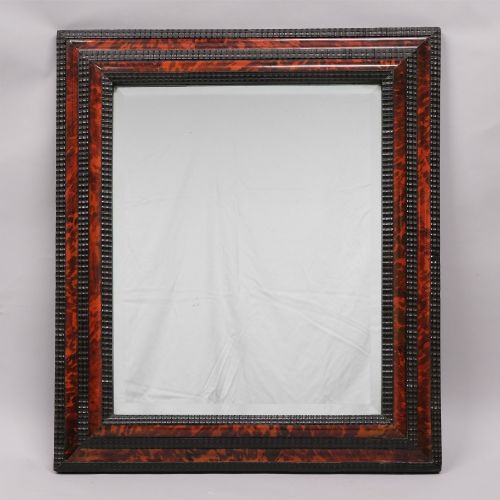
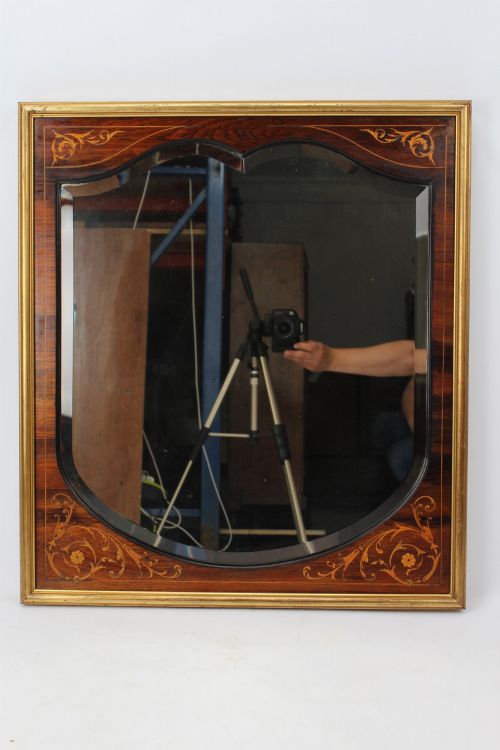
Mirror plates are set within these frames, sometimes featuring bevelled edges or surviving as original glass with authentic surface ageing. Secondary materials like cast brass, bamboo and tortoiseshell ripple moulding appear in specific stylistic subsets.
Tortoiseshell ripple frames bring a hypnotic, undulating texture that instantly draws the eye away from plain walls.
Quality factors in frames and glass
The depth and crispness of the hand-carved detail define the merit of wooden frames, distinguishing pieces with sharp undercutting from softer moulded substitutes. In gilt pieces, the intact preservation of the gesso and the warmth of the original leaf separate superior examples from later re-gilding.
The integrity of the mirror glass itself influences worth, with original plates showing natural foxing possessing a character distinct from modern replacements. Joinery construction at the frame corners and the retention of original backboards provide further indications of standard.
The Victorian Looking Glass Glossary
- Gesso
- A plaster-like material applied to wooden frames as a smooth base for gilding or painting. It is often moulded into elaborate relief decoration before the gold leaf is laid down.
- Overmantle mirror
- A wide mirror specifically proportioned to hang on the wall directly above a fireplace mantelpiece. These pieces frequently feature substantial rectangular or arched frames.
- Cheval mirror
- A freestanding full-length dressing mirror mounted in a frame on pivots, allowing the glass to tilt. They appear in tall floor-standing formats from the period.
- Fretwork
- Thin wood intricately cut with a fretsaw to create decorative openwork patterns. This technique produces lightweight, ornamental frame designs in walnut.
- Foxing
- The natural age spots and speckling that develop within the silver backing of antique mirror glass over decades. It appears as dark or cloudy patches across the reflection.
Victorian Looking Glass: Frequently Asked Questions
How do I date a Victorian looking glass?
Dating relies on combining stylistic clues with construction details like backboards, fixings and the composition of the frame. Examining the timber types and the method of carving helps narrow the decade of production.
Looking for specific revival motifs, such as Rococo or Gothic elements, also points to the prevailing aesthetic of the manufacture period.
Where should I hang a heavy wooden mirror?
Heavy frames require secure fixing directly into solid masonry or substantial wall studs using appropriate weight-rated brackets. The considerable mass of carved oak or large overmantle pieces demands proper anchor support.
Ensuring the hanging wire or integrated mirror loops are robust enough for the load prevents accidental damage.
What is the difference between gesso and giltwood?
Gesso is the preparatory plaster mixture applied to a wooden frame to create smooth surfaces or raised ornamentation. Giltwood refers to the actual gold leaf applied over that gesso foundation.
Many frames combine both elements, using the gessoed plaster to hold intricate mouldings before the gold leaf finish is added.