

Antique Carved Wall Glass
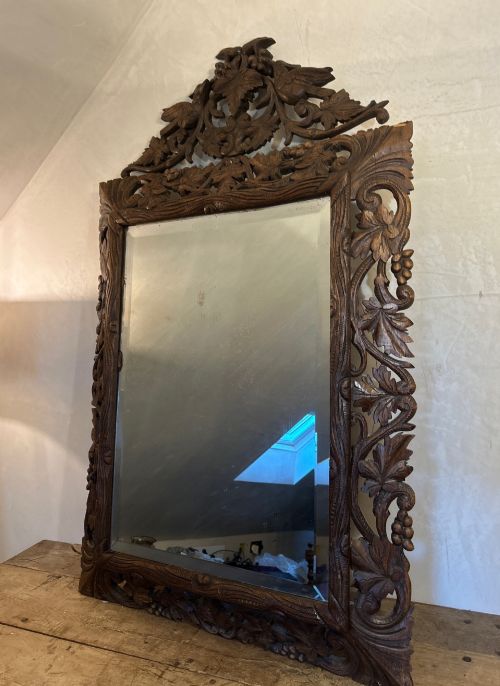
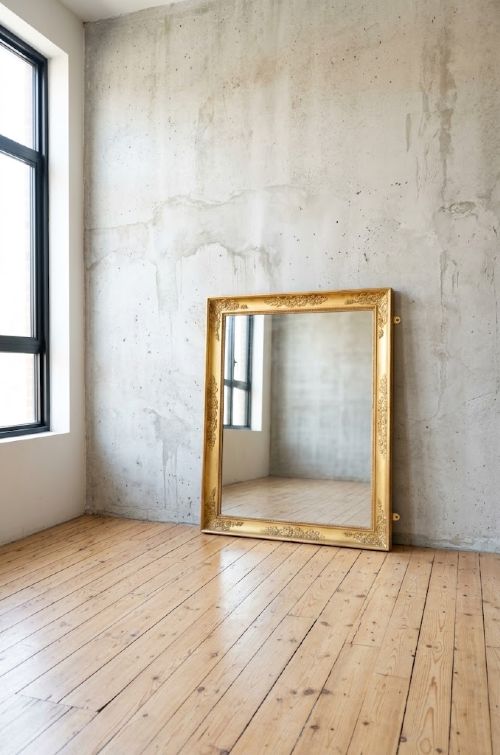
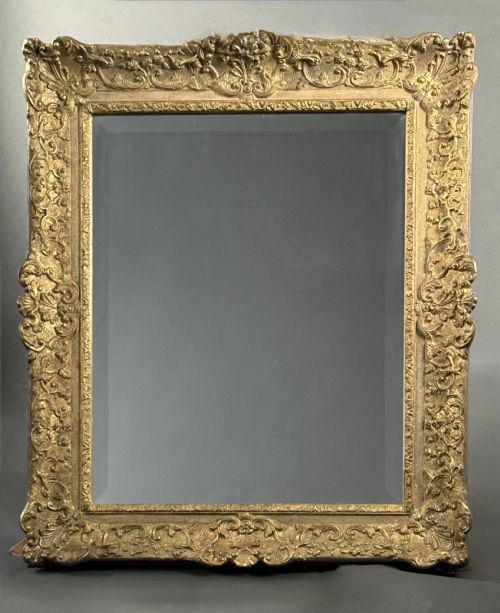
These antique carved wall glass pieces combine timber frames with silvered plates to bring light and depth into a room.
Antique Carved Wall Glass
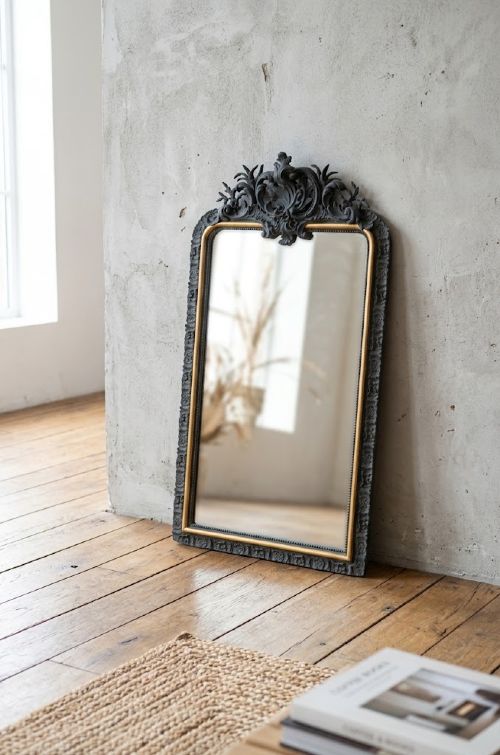
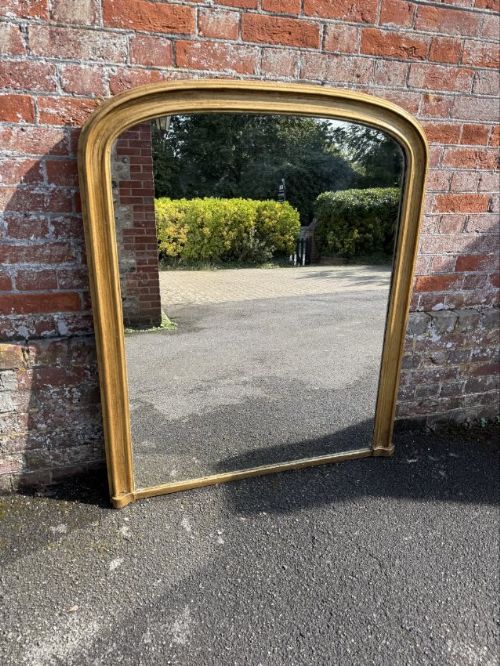
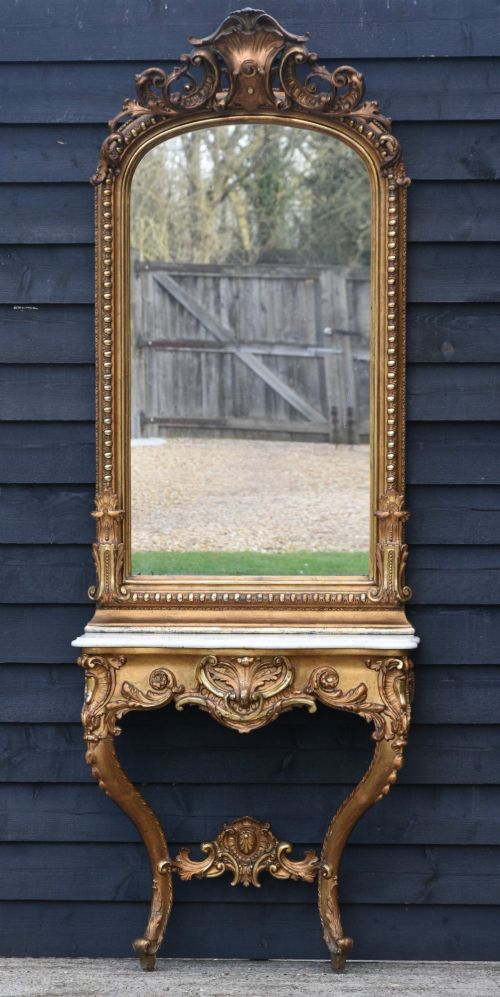
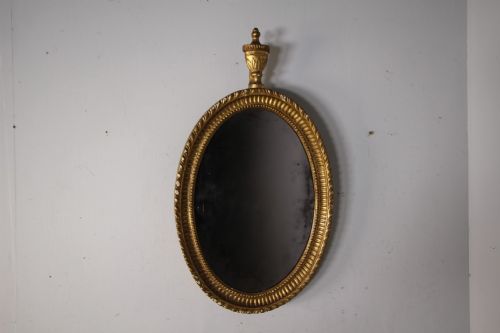
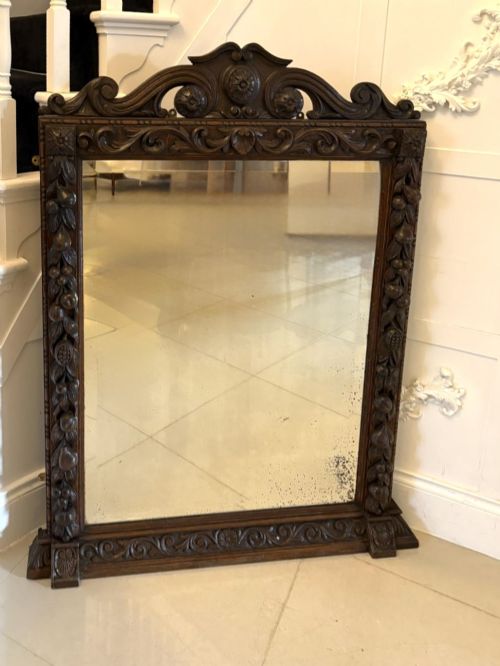
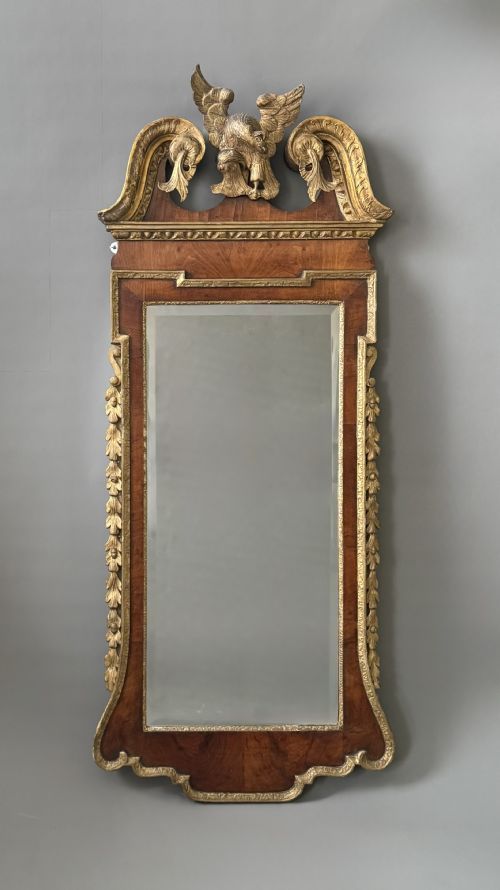
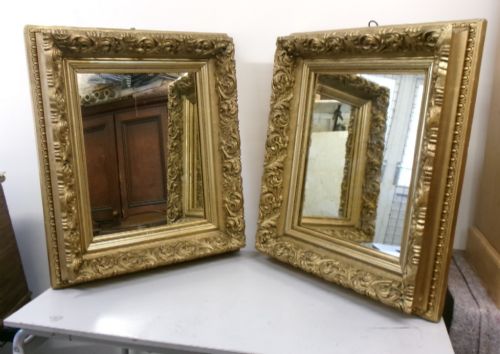
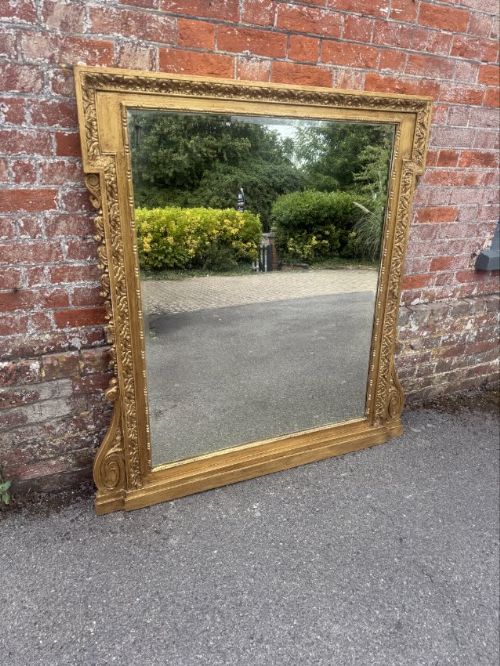
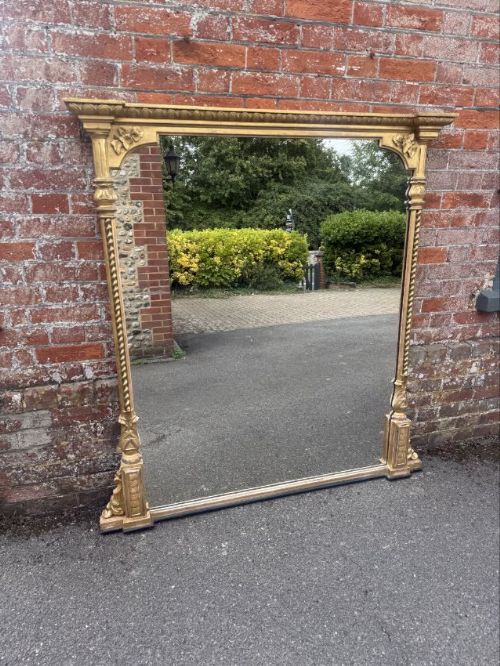
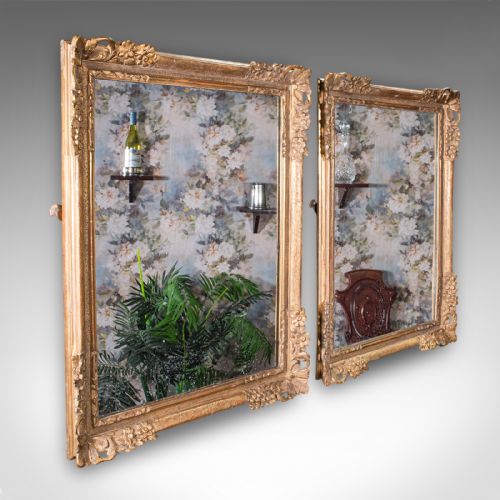
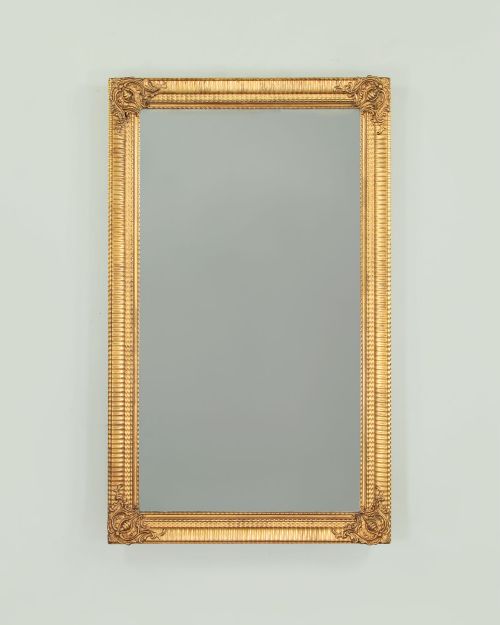
When you search for an antique carved wall glass, you encounter substantial overmantel pieces, tall pier mirrors designed for narrow spaces between windows, and oval or rectangular wall hangings. These objects span from the eighteenth century through the Victorian period and into the early twentieth century, originating from English and French workshops.
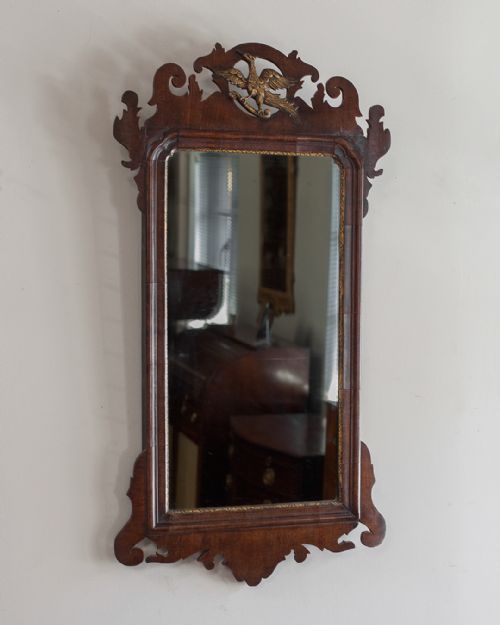
The English examples frequently employ mahogany, walnut, or carved oak with parcel gilt details, while the French pieces lean towards ornate giltwood, gesso, and painted finishes. Overmantel mirrors dominate the larger formats, constructed to sit above fireplaces with arched or shaped tops.
Smaller formats include Georgian fret mirrors and late nineteenth-century oak frames. Each variation reflects the prevailing interior design trends of its specific decade, from the restraint of the Georgian era to the exuberance of the Rococo Revival.
Materials and construction methods
The primary structural materials combine solid timbers like oak, mahogany, and walnut with softwood foundations built to hold intricate decorative layers. Giltwood and gesso elements provide the gilded surfaces characteristic of French and English formal mirrors, often applied over carved wooden bases.
Gold leaf and composition ornamentation give the frames their metallic sheen, while glass plates provide the reflective surface. Older pieces frequently house mercury glass plates that display foxing and age spots, whereas later examples utilise standard silvered mirror plates.
Listings feature items spanning the eighteenth century to the early twentieth century, incorporating walnut, mahogany, oak, and giltwood.
Assessing craftsmanship and design
Quality rests in the depth and crispness of the hand-carving upon the timber or gesso, where sharper leaf motifs and deeper relief work distinguish superior workshops from mass production. The integrity of the original gilding and the preservation of the early mirror plate further separate high-end examples from later alterations.
Proportion and scale dictate the visual balance of the frame, particularly on monumental overmantel mirrors and tall pier glasses. Well-executed joinery at the frame corners and the retention of original backboards indicate meticulous construction that survives through the centuries.
The Antique Carved Wall Glass Glossary
- Gesso
- A plaster-based material applied to wooden frames and carved or moulded to form decorative relief patterns before gilding. This mixture provides the smooth base necessary for catching gold leaf.
- Pier glass
- A tall mirror specifically proportioned to hang on the wall space between two windows, often paired with a console table beneath. These pieces maximise interior light in formal rooms.
- Overmantel mirror
- A wide horizontal mirror built to sit directly above a fireplace mantelpiece. They often feature arched or heavily ornamented tops suited to grand domestic interiors.
- Foxing
- The natural ageing process in older mirror plates where the silver backing degrades and creates characteristic dark spots. This oxidation confirms the age of the glass.
- Parcel gilt
- A finishing technique where portions of a wooden or painted frame are highlighted with gold leaf while other areas show the natural grain of the timber beneath.
Antique Carved Wall Glass: Frequently Asked Questions
How do I date an antique mirror?
Dating relies upon examining the timber species, the construction of the backboards, and the style of the carving. Georgian pieces often utilise mahogany or walnut, while Victorian frames frequently feature heavy gesso and composition.
The mirror plate itself offers clues through its thickness, bevelling style, and the presence of foxing or mercury backing. Comparing the decorative motifs against known historical periods confirms the approximate decade of manufacture.
Where should I hang a large overmantel mirror?
These pieces traditionally anchor the space above a fireplace, reflecting light and creating an illusion of depth within the room. Secure wall fixings are essential due to the combined weight of the timber frame and glass.
Ensure the wall construction supports heavy hanging loads before installation. Placing the mirror opposite a window maximises the natural light distributed through the interior.
What is mercury glass?
Mercury glass refers to antique mirror plates silvered using a mercury and tin amalgam rather than the modern chemical silvering process. This technique produces a warm, deep reflection with distinct character.
Over decades, moisture penetrates behind the glass to create foxing spots. These darkened areas are considered desirable signs of authenticity by collectors.
How do I clean an antique frame?
Dust the carved wooden or gilt gesso frame gently with a soft, dry brush to prevent damage to fragile ornamentation. Avoid liquid cleaners and modern chemical sprays which strip original gilding and finishes.
Use a minimal amount of distilled water on a soft cloth for the glass plate, taking care to avoid contact with the wooden edges. Regular gentle maintenance preserves the historic surface integrity.