

Chippendale Fretwork Wall Mirror
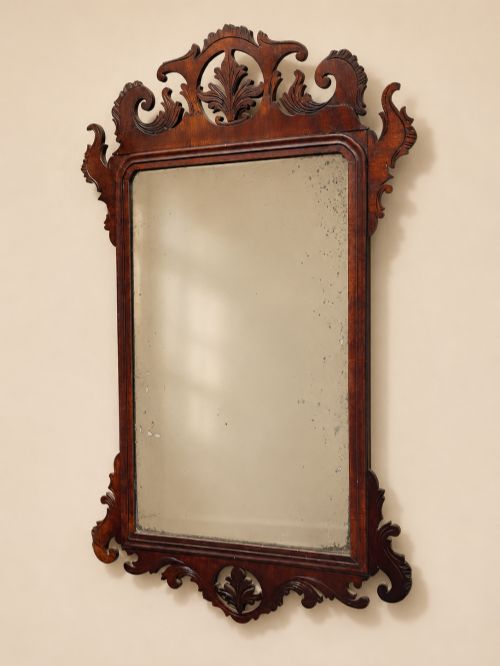
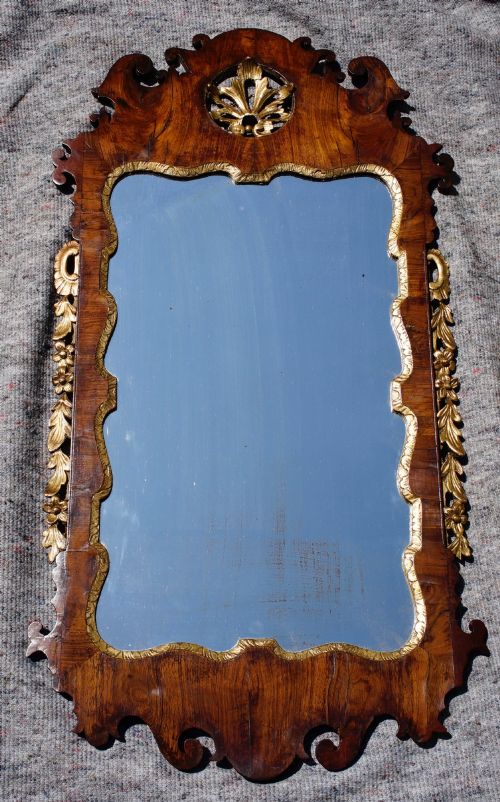
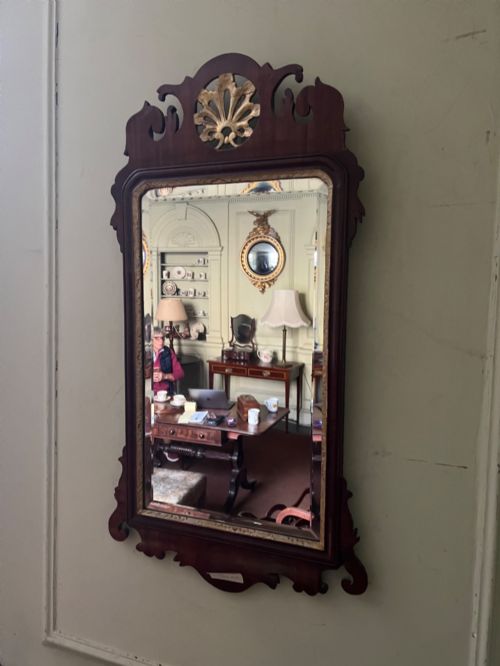
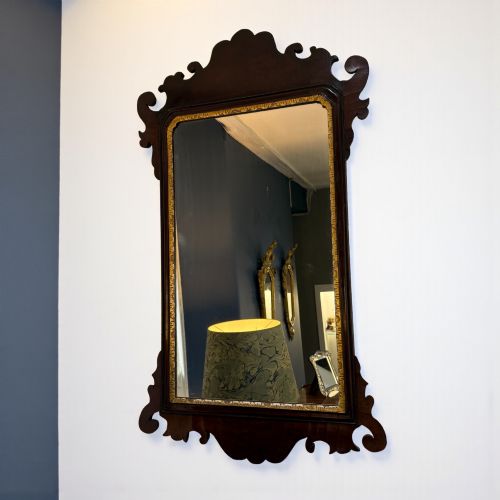
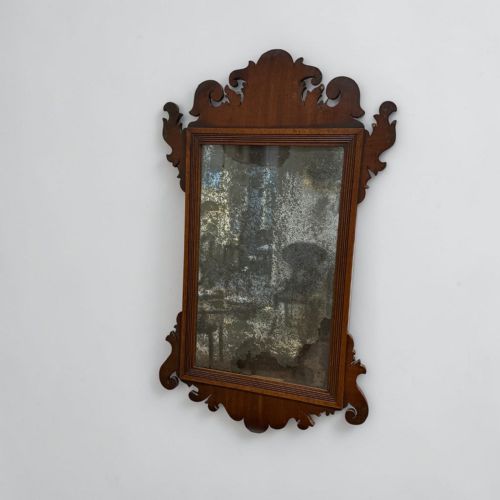
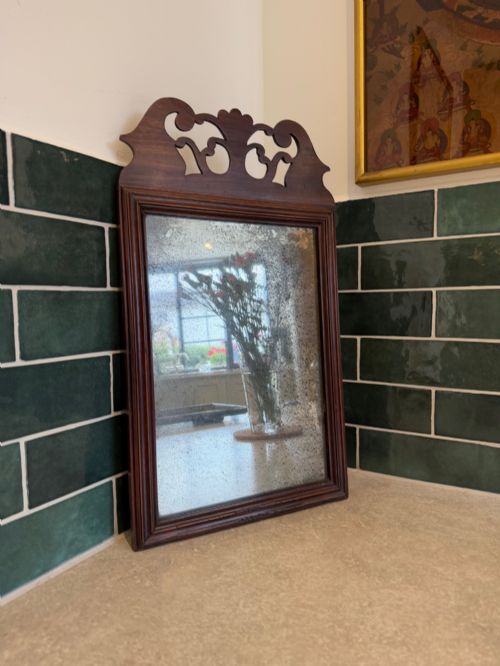
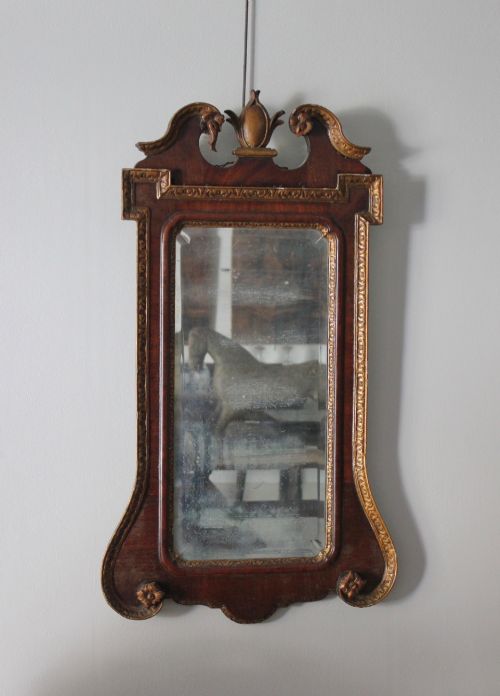
These Chippendale fretwork wall mirrors combine intricate pierced timber frames with reflective glass, bringing centuries of refined proportion and craftsmanship into a room.
Chippendale Fretwork Wall Mirror
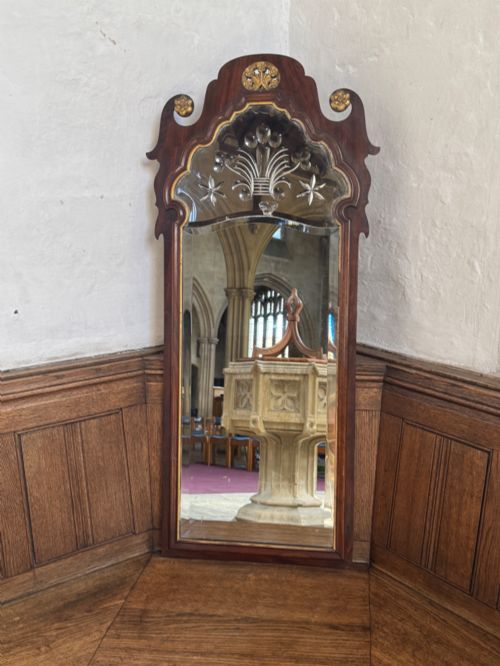
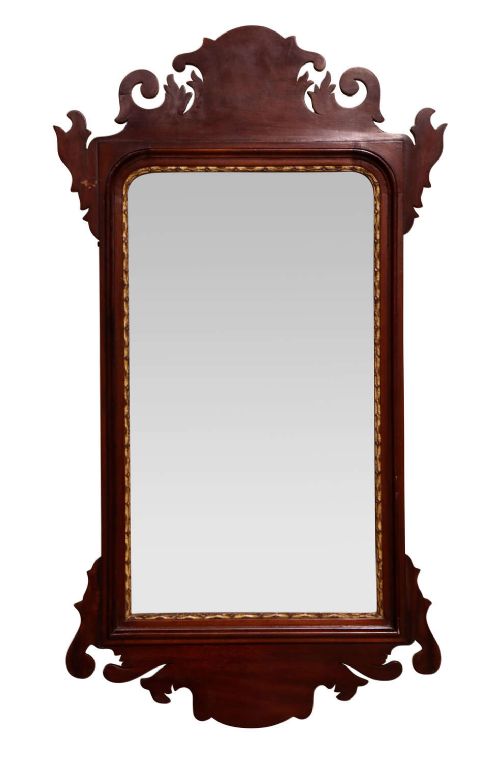
A Chippendale fretwork wall mirror is defined by its pierced wooden frame, executed with scrollwork and geometric patterns derived from mid-eighteenth-century pattern books. When searching this phrase, a buyer encounters authentic eighteenth-century examples alongside later nineteenth- and early-twentieth-century revivals.
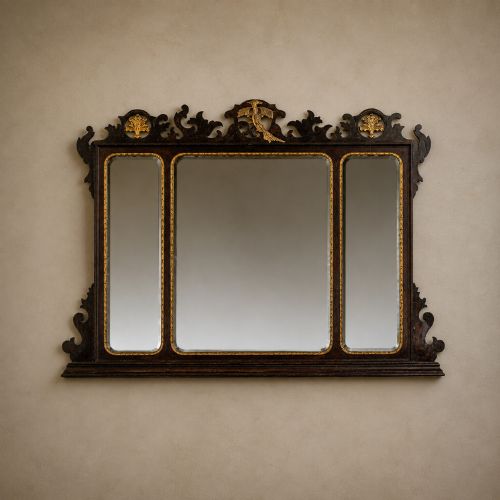
The most common versions on this page date from the Georgian and George III periods, or appear as Victorian and Edwardian interpretations created during revivals of the style. These pieces take the form of vertical wall mirrors and larger overmantel formats.
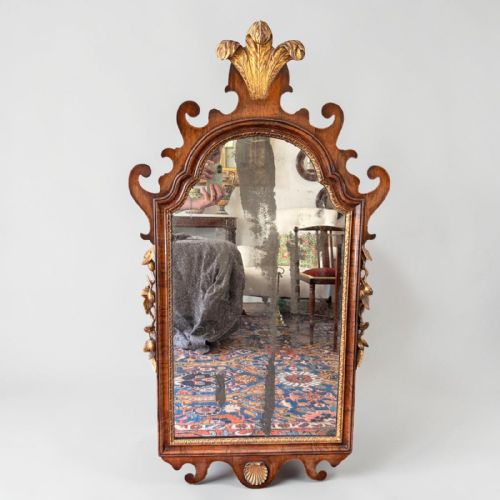
Original eighteenth-century pieces sit alongside Victorian Chippendale revival variants and Edwardian inlaid pieces, showing how cabinetmakers repeatedly returned to these fret-cut silhouettes across different centuries.
Materials and Technique
Makers constructed these frames predominantly using timber such as mahogany and walnut, selected for stability and grain, often incorporating parcel-gilt details or complete gilding with gold leaf over gesso.
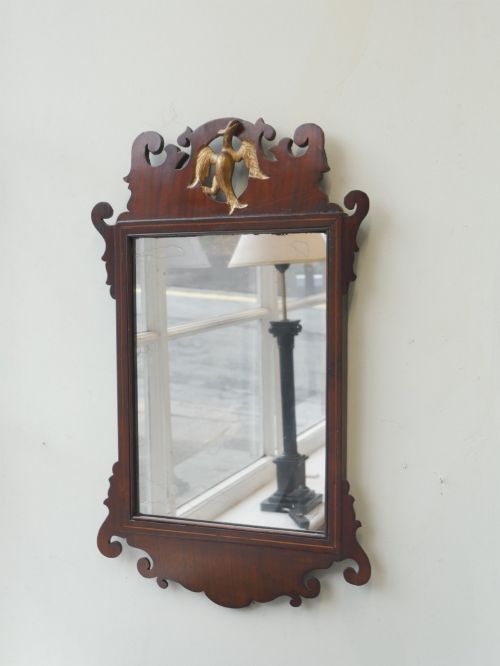
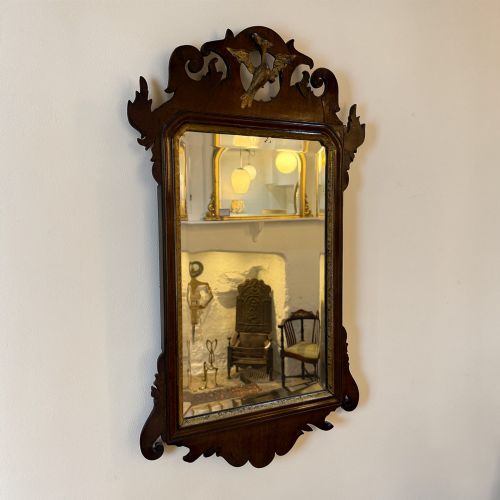
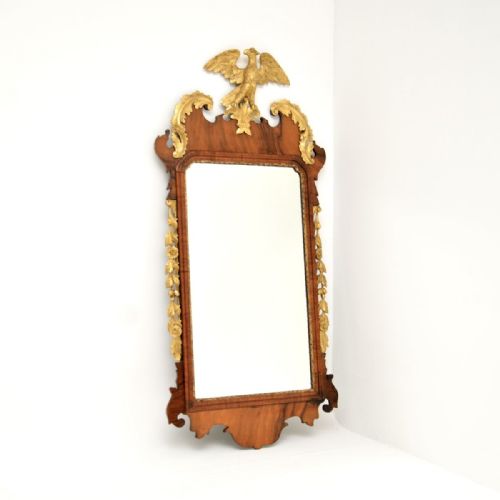
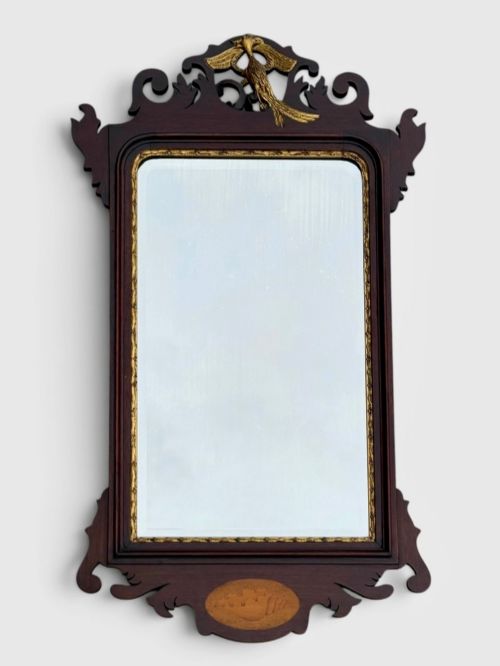
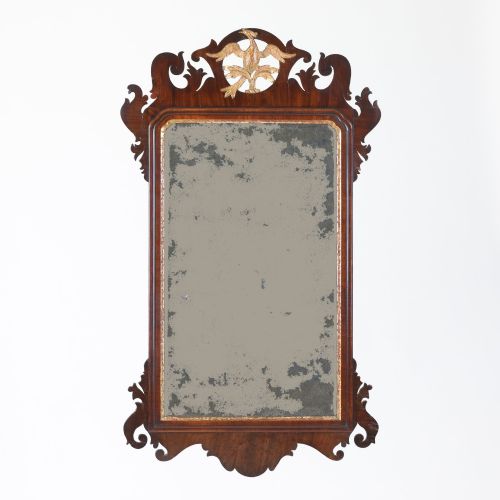
The characteristic fretwork pattern was achieved by cutting intricate designs through thin boards using a fret saw, occasionally supplemented by carved applied motifs such as the iconic Ho-Ho bird cresting.
Chippendale Fretwork Wall Mirror Retail Price Guide 2026
Typical asking prices for chippendale fretwork wall mirror among the pieces listed under this phrase on Sellingantiques today, from the lower quarter to the upper quarter. They describe what is for sale here now, not the wider market.
Several mirrors feature the flamboyant Ho-Ho bird keeping watch from the top scroll.
Design and Execution
Quality rests in the crispness of the fret-cut piercing and the depth of the carving, where sharper angles and refined symmetry distinguish finer workshop output from simpler production.
The treatment of the surface materials also sets examples apart, particularly the survival of original gilding, the warmth of the polished mahogany or walnut grain, and the age of the glass plate.
The Chippendale Fretwork Wall Mirror Glossary
- Fretwork
- Pierced decorative woodwork cut with a saw in geometric or scroll patterns. This openwork technique defines the silhouette of the frame.
- Parcel-gilt
- Partially gilded woodwork where gold leaf or gilt is applied to specific raised carved details while leaving the timber exposed. This technique highlights particular ornamental areas.
- Ho-Ho bird
- A stylized Chinese phoenix motif frequently carved onto the cresting of these frames. It forms a characteristic decorative feature of the style.
- Gesso
- A plaster-based mixture applied to wood surfaces as a preparation for gilding. It receives the gold leaf layer.
- Overmantel mirror
- A wide mirror designed specifically to hang above a fireplace mantel. These often feature triptych glass plates or expansive horizontal proportions.
Chippendale Fretwork Wall Mirror: Frequently Asked Questions
Where should I hang a fretwork wall mirror?
These mirrors suit principal reception rooms, hallways, or above fireplaces where their reflective glass maximises natural light. Their vertical proportions balance well above side tables or console furniture.
Ensure the wall construction supports the weight of the timber frame and glass safely, using appropriate fixings suited to older plaster.
How do I distinguish an 18th-century mirror from a Victorian revival?
Eighteenth-century examples display distinct signs of age in the timber fixings, backboards, and hand-cut joinery. The silvering on older mirror plates often shows characteristic oxidation and foxing.
Victorian and Edwardian revival pieces generally utilise machine-sawn timber edges, tighter symmetry, and different secondary woods behind the primary mahogany or walnut veneer.
What is a Ho-Ho bird cresting?
The Ho-Ho bird is a mythical Chinese phoenix adaptation popular in eighteenth-century rococo design. It perches at the very top apex of the fretwork frame.
Cabinetmakers carved this bird with sweeping tail feathers to add height and exotic flair to the mirror composition.
How do I care for the original gilt and wood surfaces?
Dust the pierced fretwork gently using a soft, dry brush to prevent dirt accumulation in the intricate recesses. Avoid chemical polishes or moisture near exposed gold leaf and historic timber.
Keep the mirror away from direct sunlight and fluctuating humidity to protect the fragile gesso and prevent the timber frame from warping.