


Vintage Carved Looking Glass
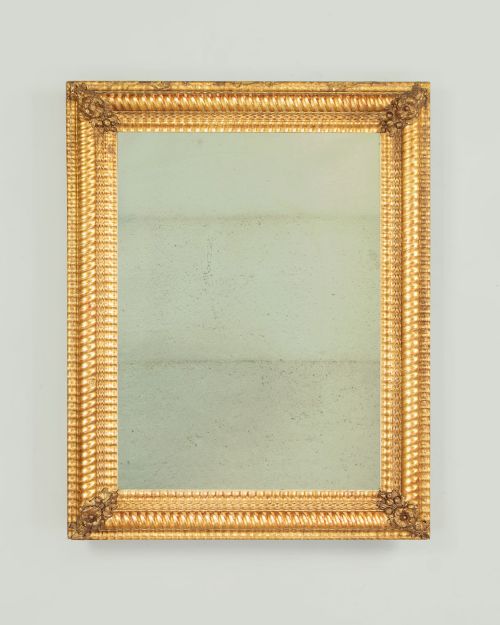
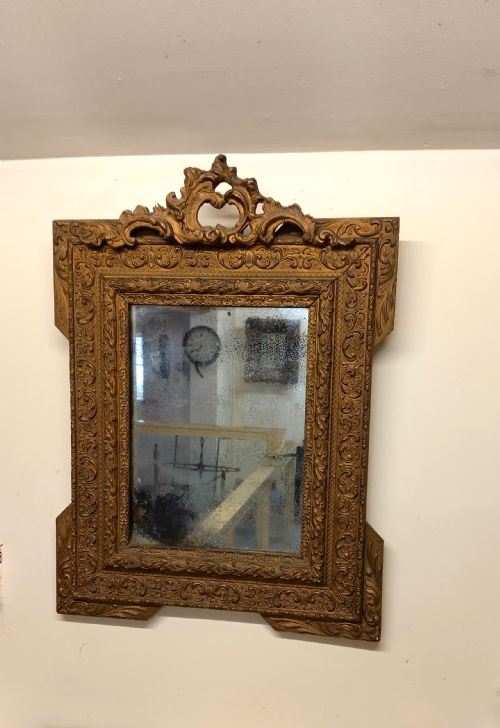
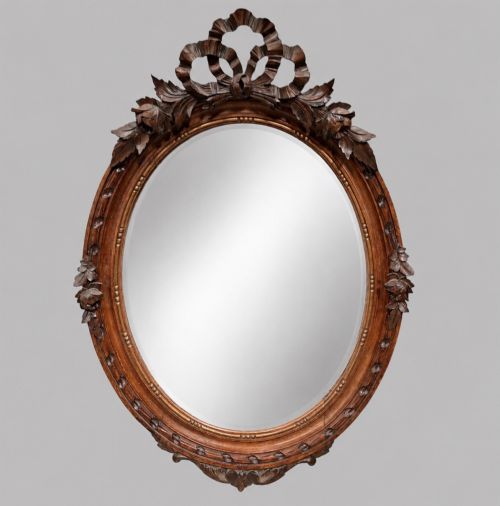
A vintage carved looking glass brings depth and character to a room through centuries of craftsmanship, ranging from walnut frets to gilded rococo frames.
Vintage Carved Looking Glass
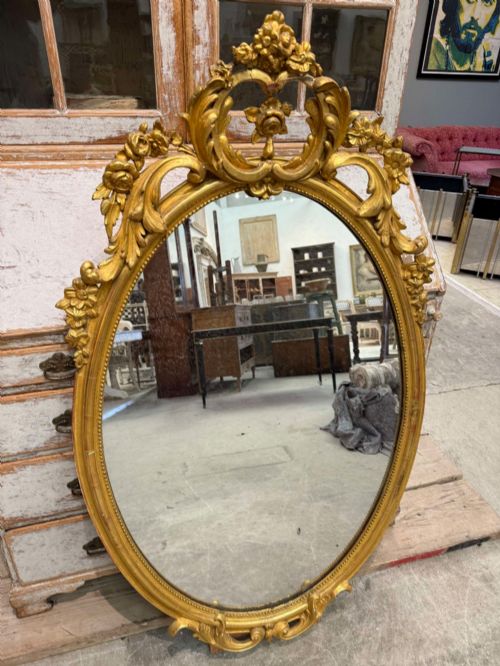
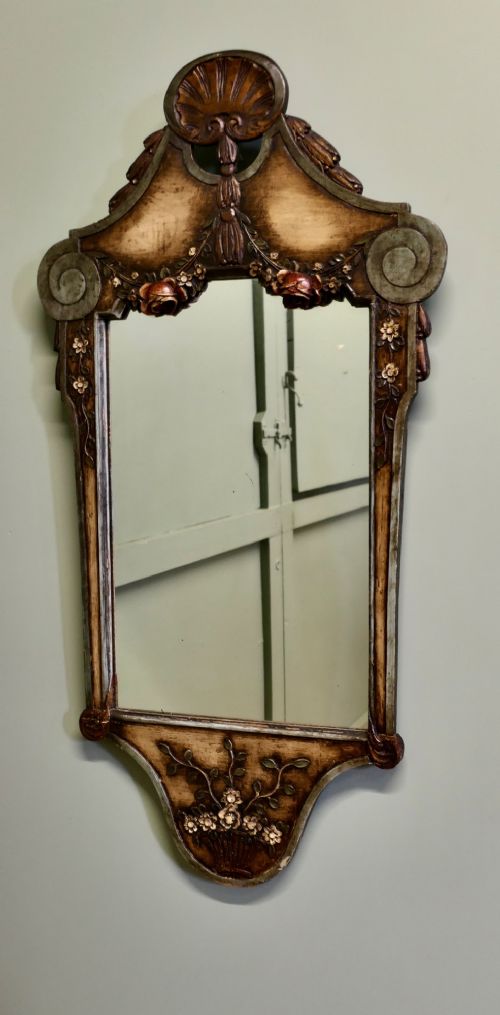
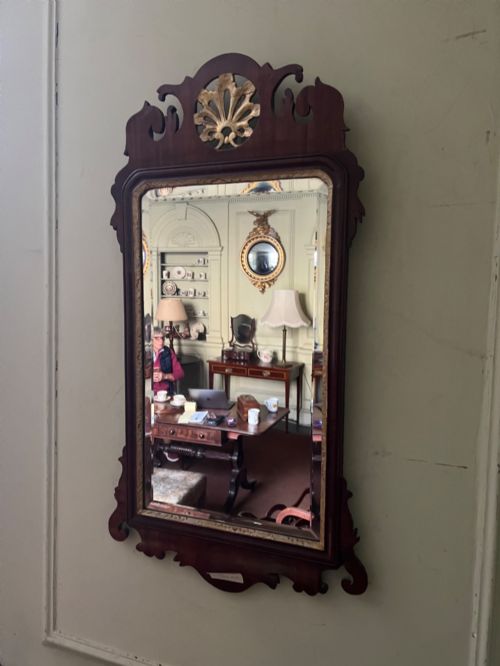
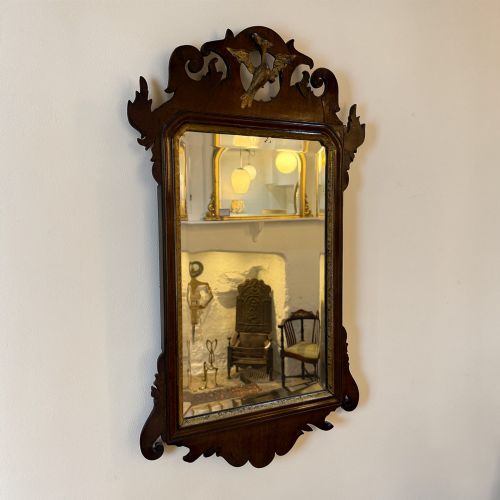
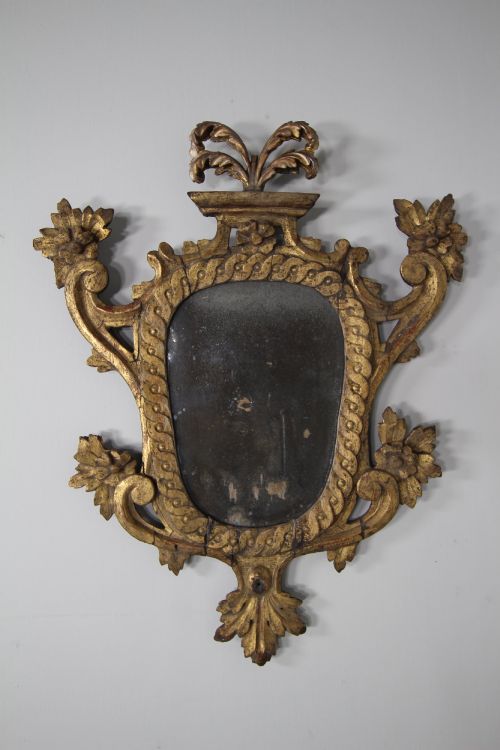
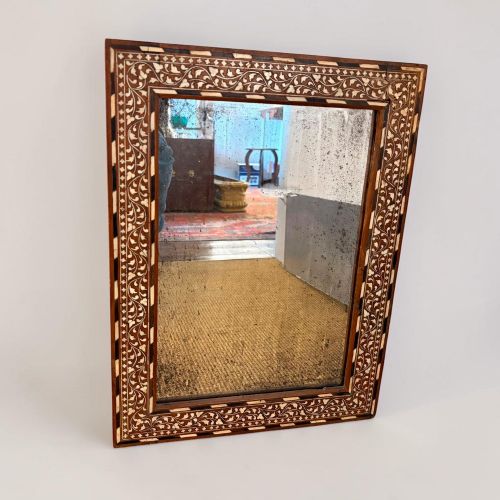
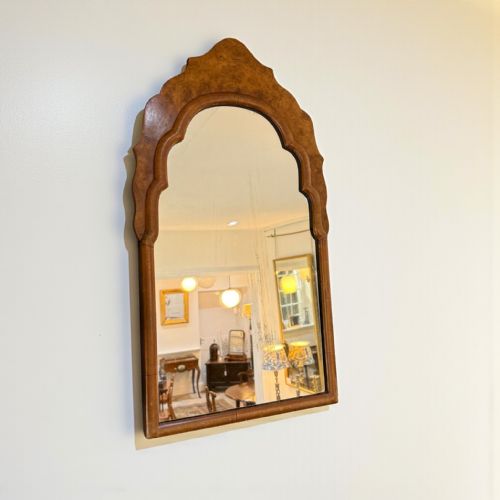
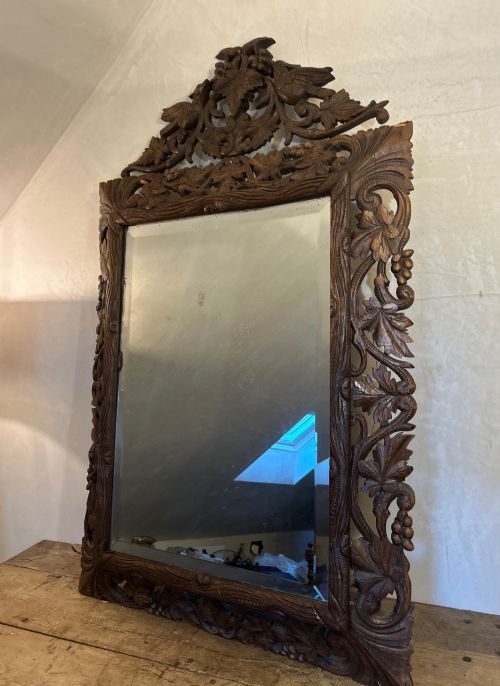
A vintage carved looking glass spans wall mirrors and overmantle forms shaped from woods such as oak, mahogany, walnut, and sycamore, alongside giltwood and gesso surfaces. The selections available reflect periods stretching from the seventeenth century through the Georgian era, Victorian times, and Edwardian years up to the early twentieth century.
Buyers most frequently encounter nineteenth-century oak and twentieth-century gilt pieces on this page, alongside Georgian wall mirrors and revival styles like Chippendale, Rococo, and Baroque. These pieces function primarily as wall-hanging or overmantle decor, combining functional glass plates with elaborate wooden frames.
How they were made
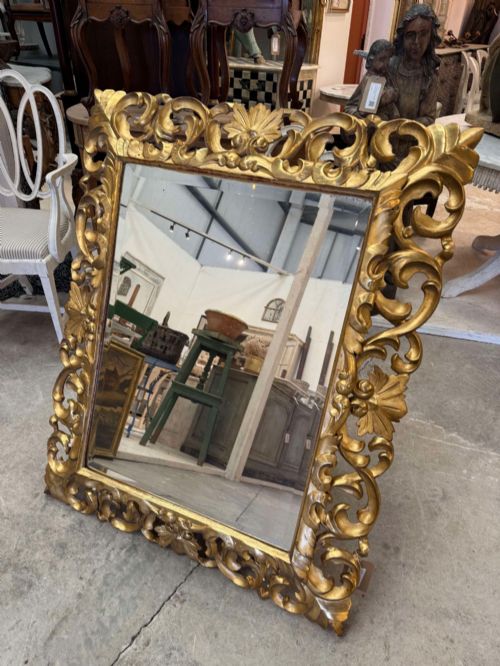
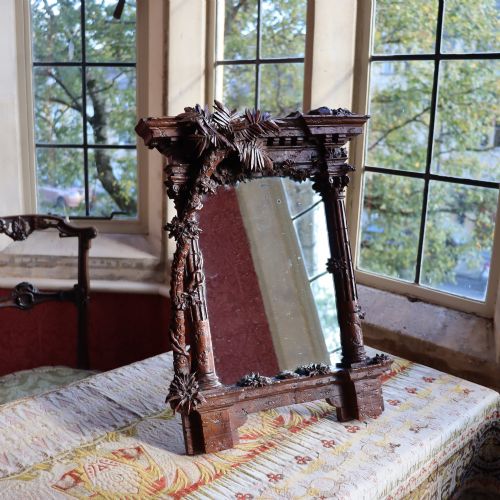
Frames rely on carved wood such as oak, walnut, mahogany, and pine, shaped by hand to create intricate fretwork, scroll motifs, and architectural mouldings. Artisans often applied gesso layers over the carved wooden base to build up smooth surfaces for subsequent gilding.
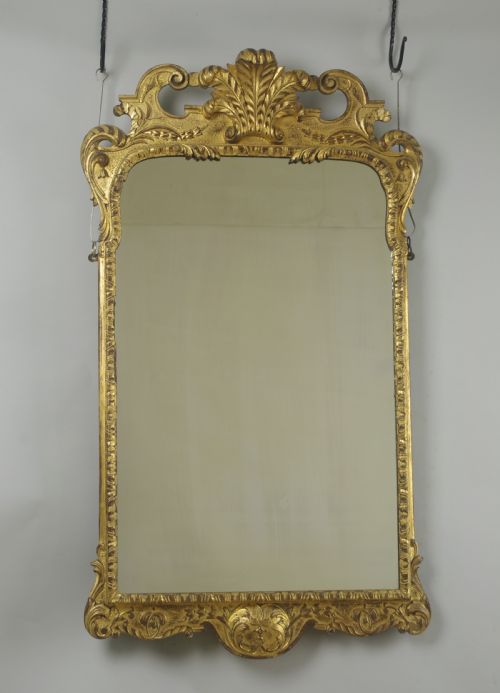
Gilt finishes incorporate gold leaf or silver gilt applied to prepared gesso and carved wood, creating reflective metallic surfaces that catch the light. Selected pieces also feature parcel gilding, highlighting specific carved details against natural walnut or mahogany grain.
Vintage Carved Looking Glass Retail Price Guide 2026
Typical asking prices for vintage carved looking glass among the pieces listed under this phrase on Sellingantiques today, from the lower quarter to the upper quarter. They describe what is for sale here now, not the wider market.
An Edwardian example listed here carries the delightful traditional moniker of a last look mirror.
What varies in quality
Quality rests upon the crispness and depth of the hand carving, where sharper execution in the wood or gesso distinguishes finer workshops from simpler production. The handling of proportions and the balance between frame and mirror plate also determine the visual weight of the piece.
The integrity of the materials, from the selection of figured walnut or mahogany timbers to the survival of original gold leaf and early glass plates, separates standard examples from exceptional ones. Cohesiveness within revival styles, such as accurate adherence to Chippendale or Rococo canons, further elevates a looking glass.
The Vintage Carved Looking Glass Glossary
- Gesso
- A plaster mixture applied to wood frames as a base for gilding and fine surface carving. It allows craftsmen to model sharp relief details before applying gold leaf.
- Fretwork
- Openwork ornamentation carved or pierced out of thin wood boards, commonly seen on eighteenth-century and revival mirrors. This technique creates delicate geometric or scroll patterns.
- Parcel Gilt
- A decorative treatment where only specific portions of a wooden frame are gilded, leaving the underlying wood grain visible elsewhere. It provides contrast between the natural timber and metallic leaf.
- Overmantle
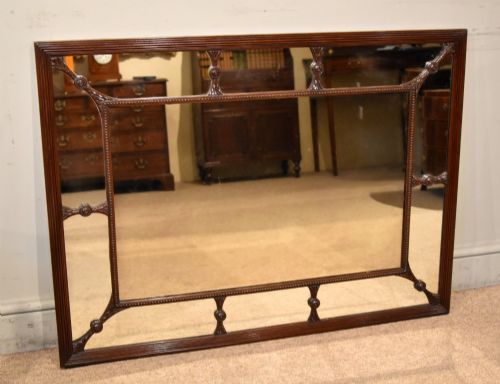
- A large mirror designed to hang specifically above a fireplace mantelpiece. These pieces often feature extended horizontal proportions to fit wall spaces above hearths.
- Giltwood
- Timber that has been coated with gold leaf over a prepared base. This material defines the opulent appearance of many rococo and baroque wall mirrors.
Vintage Carved Looking Glass: Frequently Asked Questions
How do I hang a heavy carved looking glass?
Heavy carved looking glasses require secure wall fixings distributed evenly across the weight of the timber and gesso frame. Professional mirror hangers usually utilise heavy-duty brackets screwed directly into wall studs.
Older frames often retain original iron rings or fixings on the reverse, but checking the structural integrity of the wooden backing before hanging remains essential.
Are original mirror plates common on antique looking glasses?
Original mirror plates do survive in many antique pieces, displaying characteristic imperfections, slight oxidation, or hand-bevelled edges. These early glass elements contribute significantly to the authentic appearance of the piece.
Where replacement glass occurs, it is usually noted to reflect the later restoration of the functional optical surface within an older frame.
How do I identify a Georgian style mirror?
Georgian style mirrors typically feature symmetrical mahogany or walnut frames, often incorporating fretwork silhouettes, scroll ears, and gilded accents. Their proportions follow classical architectural rules established during the eighteenth century.
Later revival pieces from the Victorian and Edwardian periods often replicate these exact forms using matching timbers, requiring careful inspection of wood age and construction methods to date accurately.
What is the difference between gesso and carved wood frames?
Carved wood frames derive their ornament directly from shaping solid timber such as oak, walnut, or pine with chisels and gouges. The grain of the natural material remains visible beneath finishes.
Frames made with gesso involve building up fine plaster layers over a wooden core to model intricate relief work like scrolls and leaves before gilding, masking the underlying timber completely.