
Victorian Kerosene Table Lamp
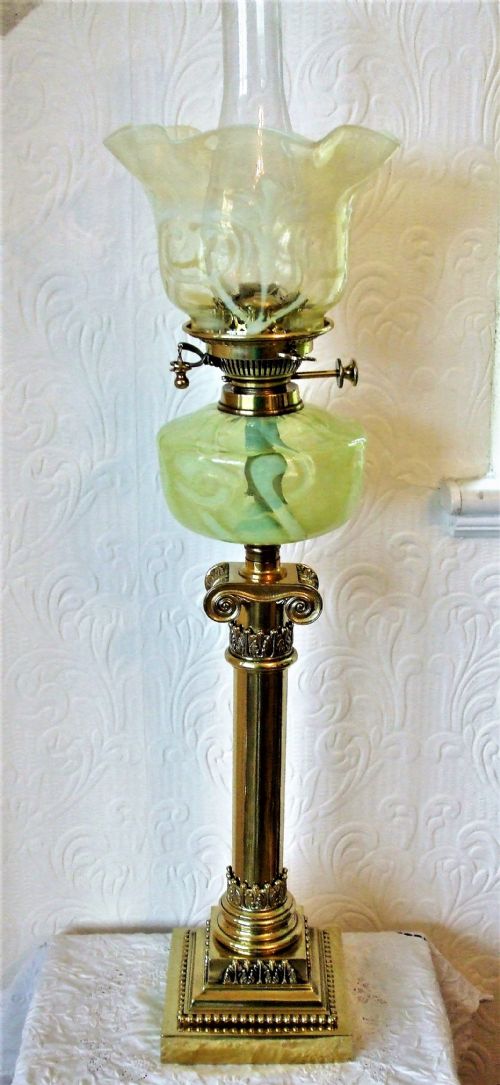
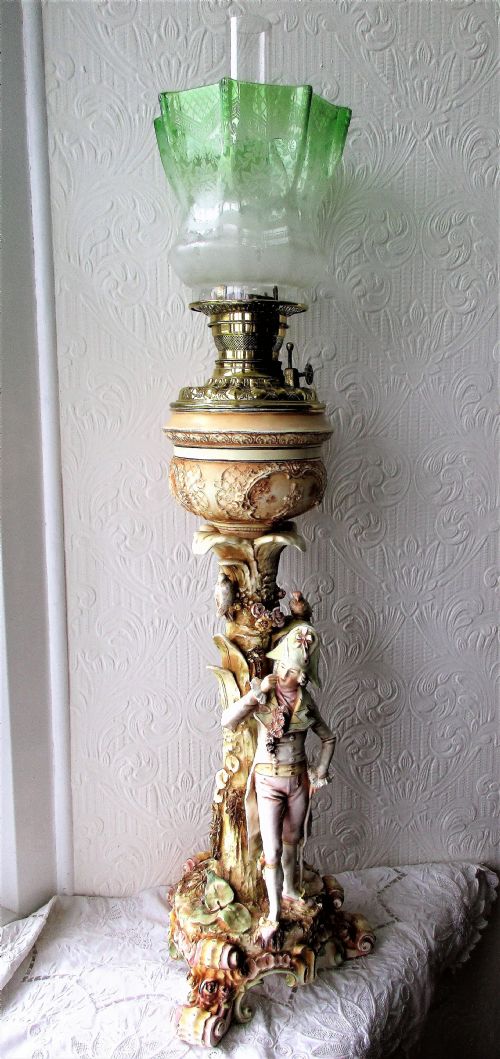
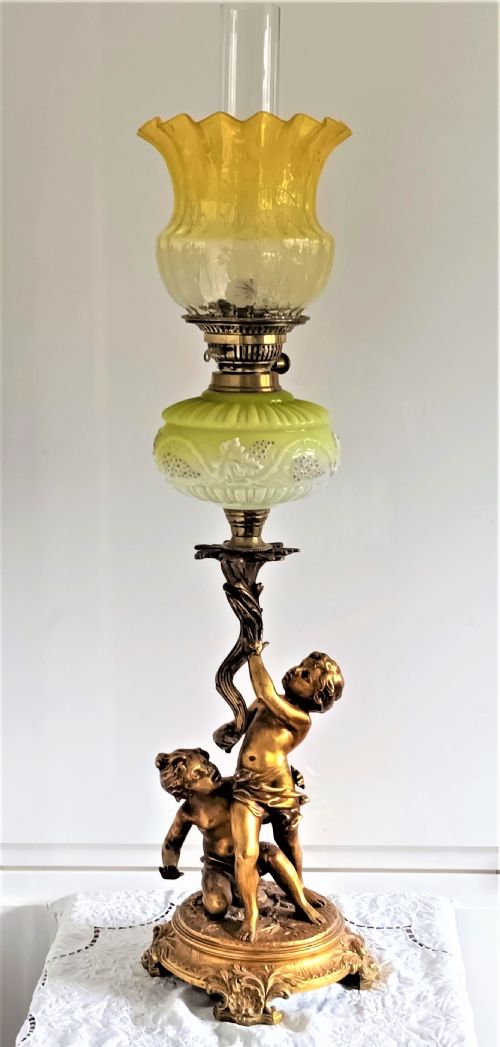
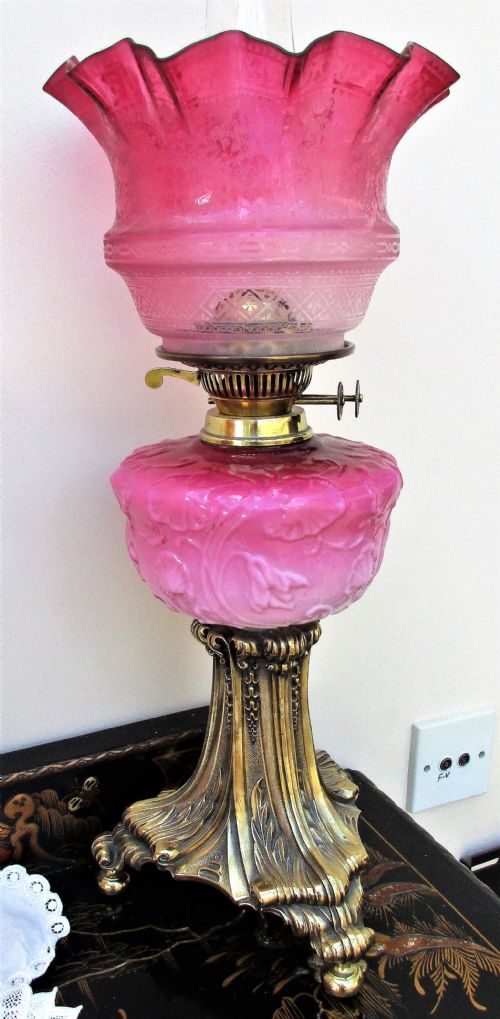
These Victorian kerosene table lamps bring period warmth and heavy brass construction directly into modern rooms.
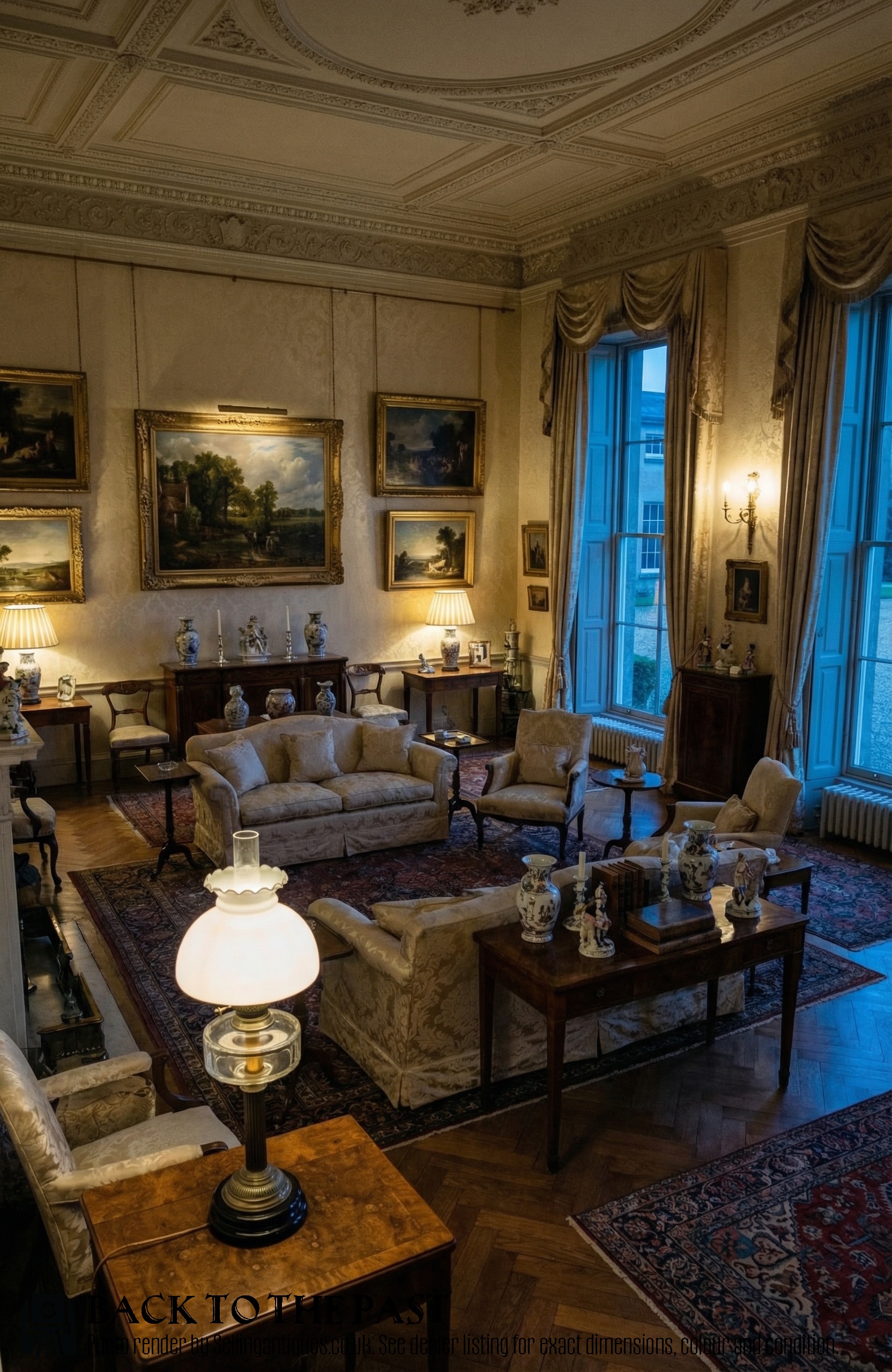
Victorian Kerosene Table Lamp
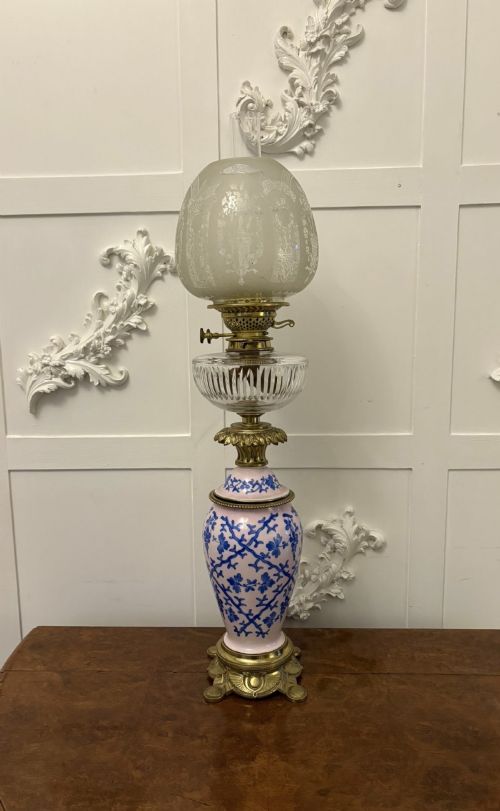
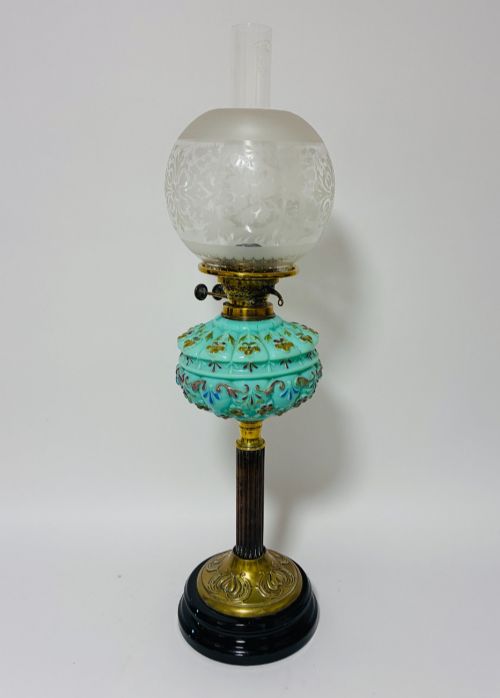
A victorian kerosene table lamp is a functional domestic light source designed for domestic interiors during the nineteenth and early twentieth centuries. These objects combine metal reservoirs with decorative ceramic or glass components and distinctive glass shades.
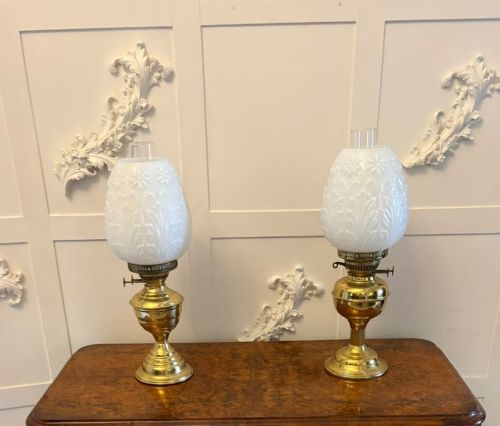
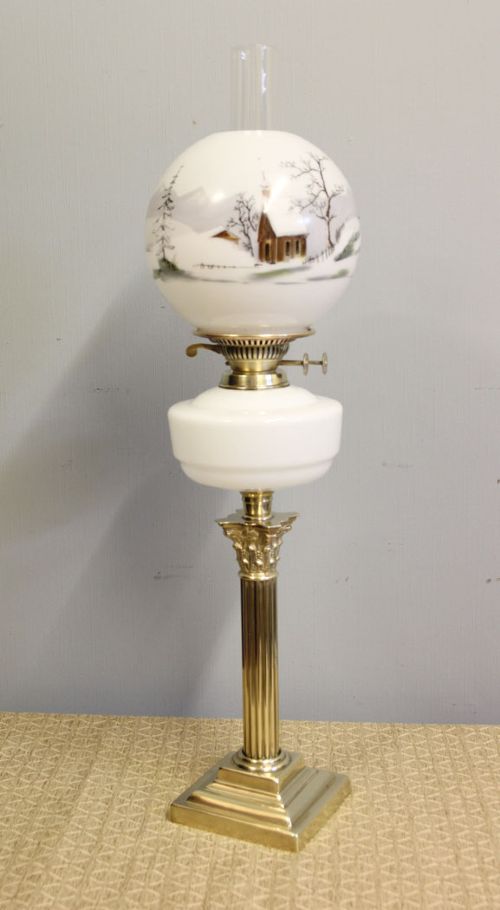
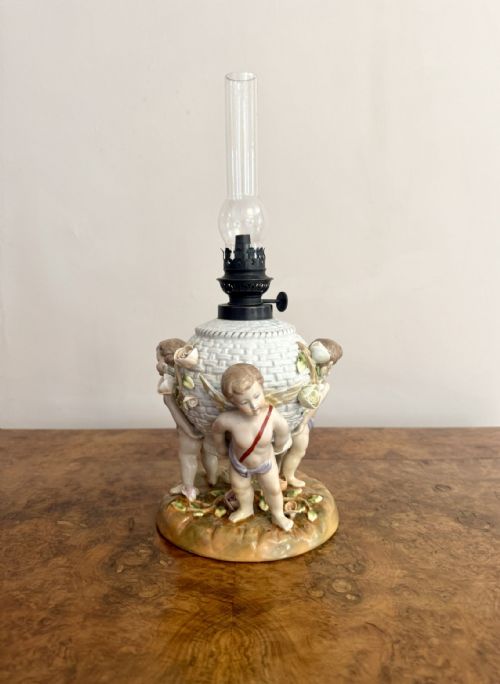
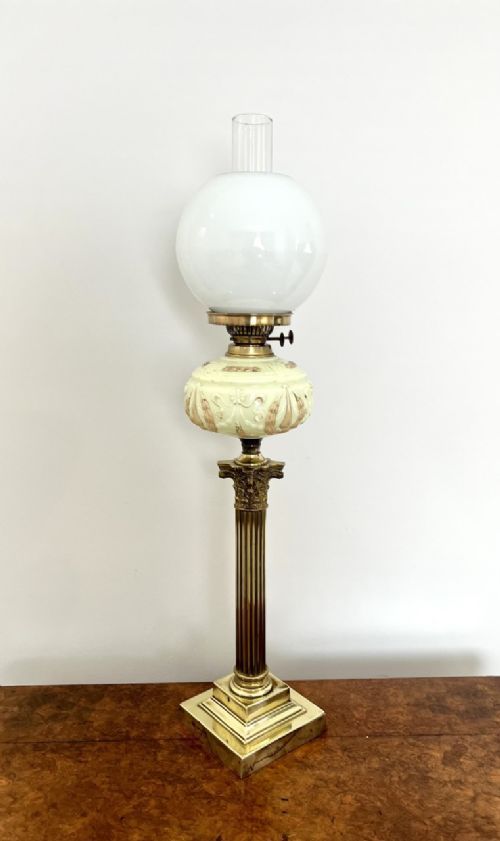
Most examples found here date from the Victorian and Edwardian eras, spanning periods from the eighteen sixties to nineteen ten. Buyers encounter columnar forms, figural ceramic bases, and twin-burning configurations alongside simpler brass standards.
The objects served as primary domestic lighting before widespread electrification. Today they survive as decorative table lamps, retaining their original burners and coloured glass shades.
Materials and construction
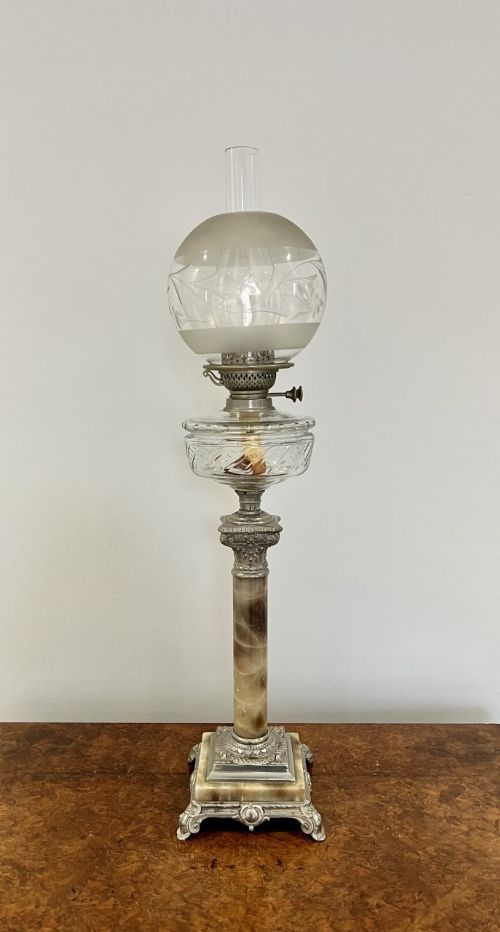
Metalwork forms the structural core of these lamps, predominantly utilising cast and spun brass alongside silver-plated components. Makers combined these metallic elements with ceramic bodies, porcelain figures, and onyx bases.
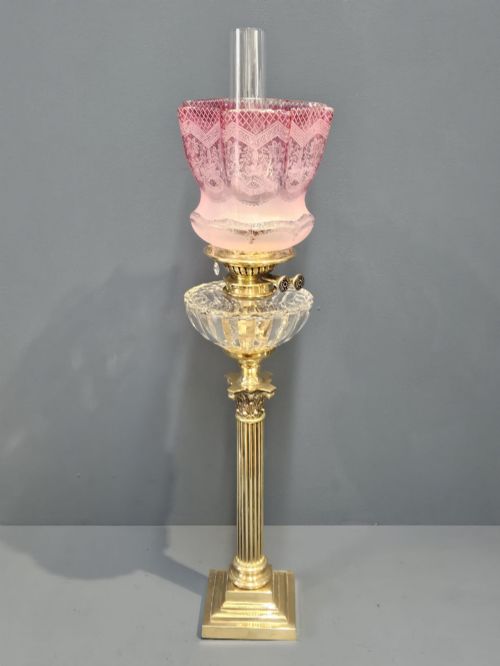
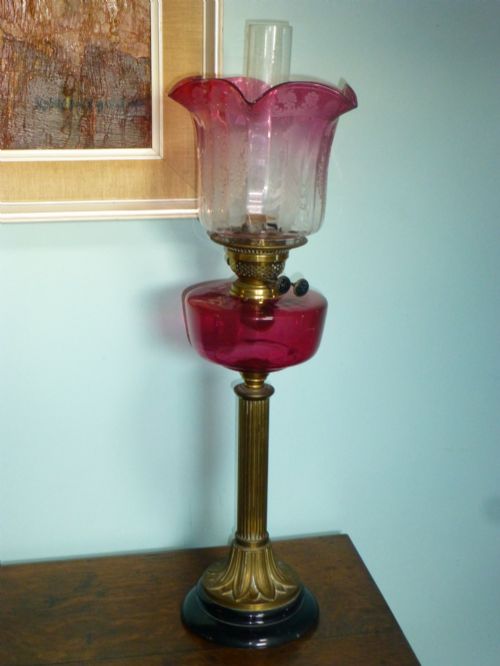
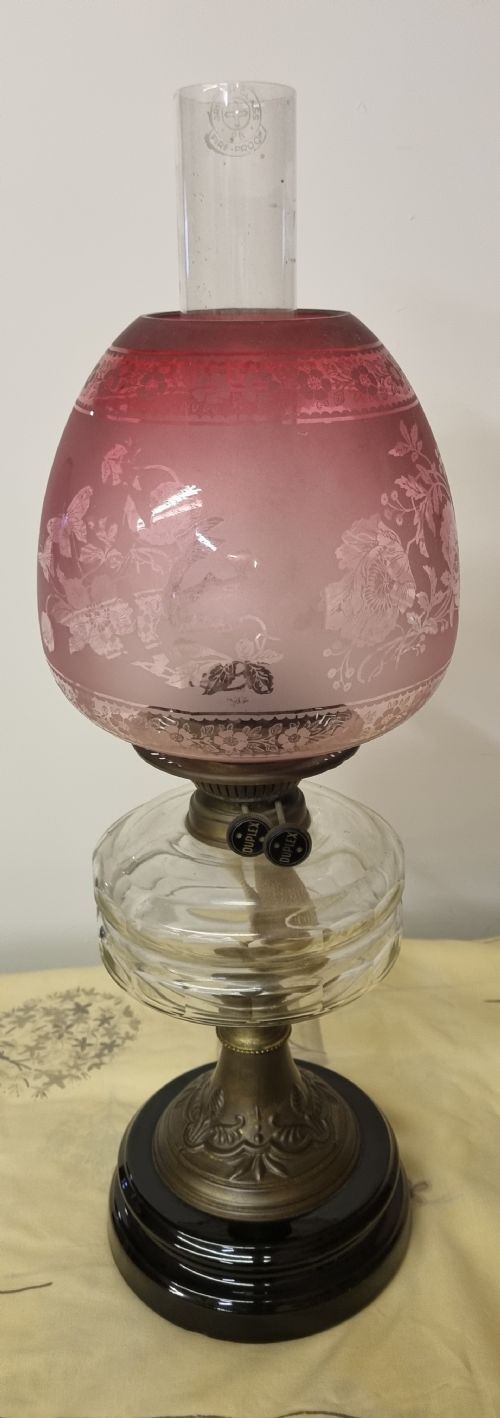
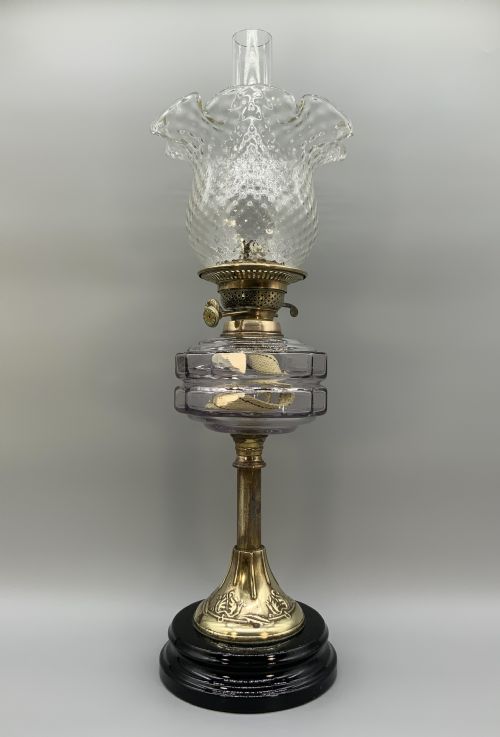
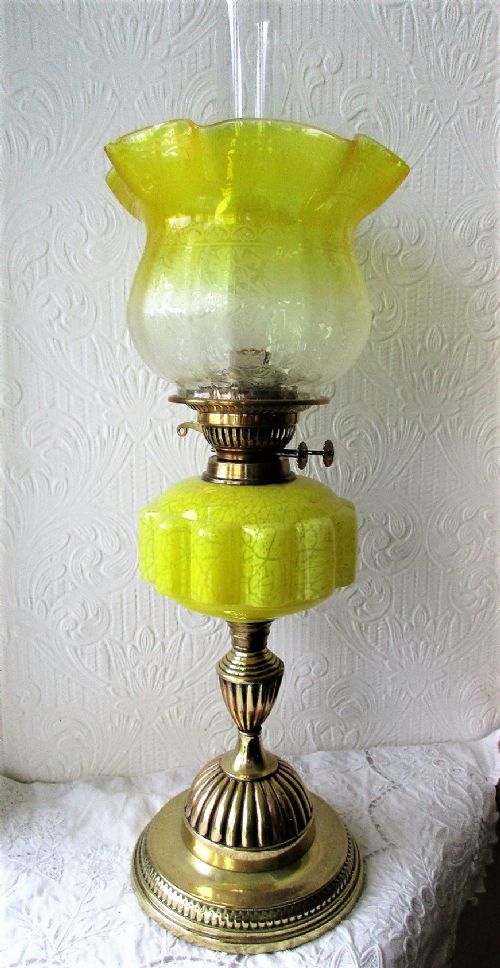
Listings feature brass, ceramic, and various coloured glasses including cranberry and opaline.
Judging quality in period lighting
The distinction between standard and superior pieces rests on the weight of the metal casting and the complexity of the column order. Corinthian and Ionic brass columns demand greater technical skill in manufacture than plain standards.
The artistic merit of the shade and font elevates certain pieces above ordinary domestic examples. Hand-painted porcelain figures, complex etched glass tulip shades, and double burner duplex systems denote superior manufacture.
Hinks of Birmingham·Sitzendorf·Wild and Wessel·Goldsmiths and Silversmiths Company
The Victorian Kerosene Table Lamp Glossary
- Duplex burner
- A heavy-duty double burner mechanism designed to hold two wicks for increased light output. These mechanisms are often stamped with maker names such as Hinks.
- Font
- The reservoir container that holds the kerosene beneath the burner. Fonts are frequently manufactured from coloured glass, porcelain, or brass.
- Opaline glass
- An opaque white glass commonly blown into decorative shades for late nineteenth-century lamps. It diffuses the light softly across the room.
- Etched shade
- A glass shade decorated by acid or mechanical carving to reveal patterns or winter scenes. These contrast with plain or hand-painted glass variants.
Victorian Kerosene Table Lamp: Frequently Asked Questions
How do I operate a Victorian kerosene lamp?
These lamps function by drawing kerosene fuel up through a cotton wick via a burner mechanism. Adjusting the thumbwheel controls the flame height beneath the glass chimney.
Modern users generally convert them safely to electricity or display them unlit as decorative objects. Retaining original burners adds historical interest even without active fuel use.
What is a duplex burner?
A duplex burner is a heavy twin-wick mechanism designed to produce a significantly brighter flame than single-wick alternatives. They require two matching flat wicks fed through a shared gallery.
These mechanisms often bear manufacturer stamps and brass thumbwheels. They represent a technical advancement in nineteenth-century domestic illumination.
How do I date a brass table lamp?
Dating relies upon stylistic markers such as columnar orders, font materials, and burner patents. The transition from simple mid-Victorian brass to elaborate Edwardian onyx and ceramic combinations indicates the chronological spread.
Maker stamps and registry marks found on the metal components provide precise manufacturing years. Architectural styles like Art Nouveau also appear in later examples.
Are the glass shades original?
Many lamps retain their period glass shades, including hand-blown cranberry glass, etched tulip designs, and opaline variants. Matching shades must fit the specific gallery size of the burner.
Examining the rim for hand-finished ground edges helps confirm period manufacture. Replacements occur frequently due to the fragile nature of blown glass.