

Antique Table Oil Lamp
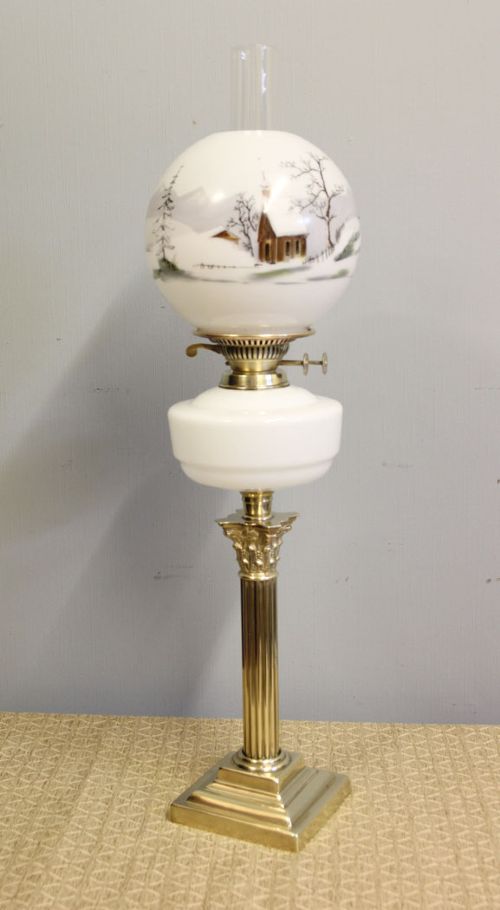
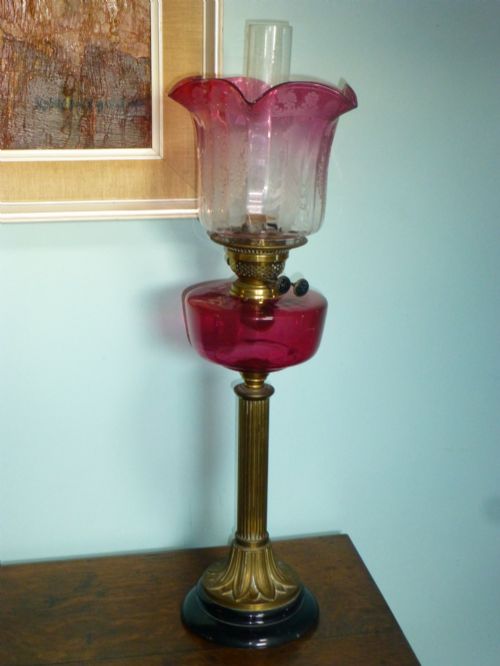
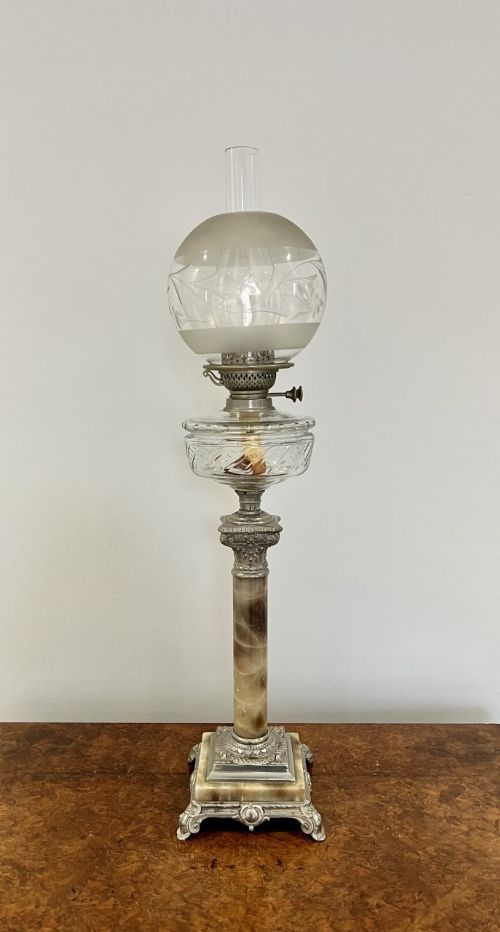
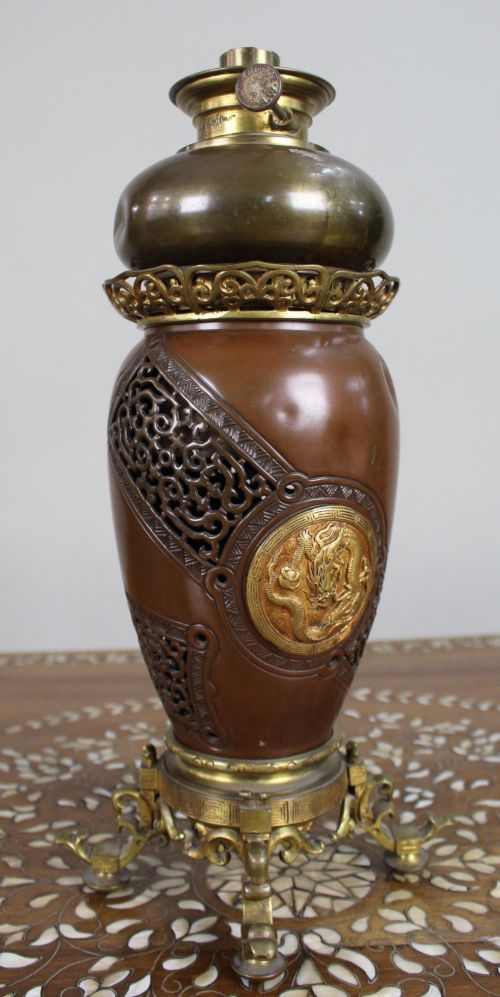
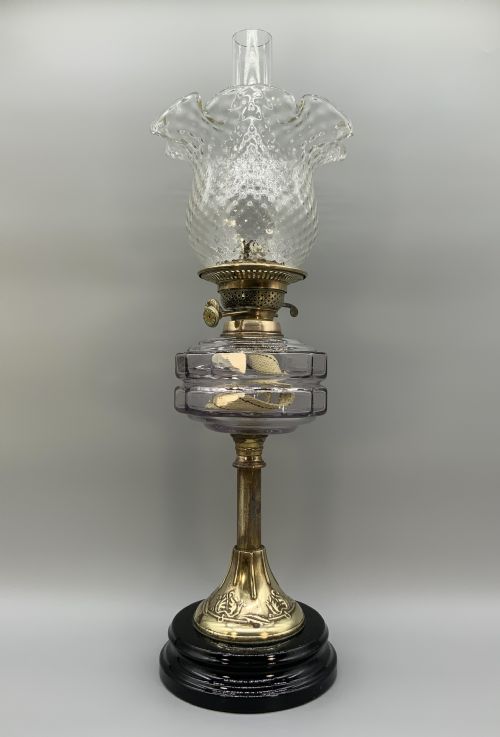
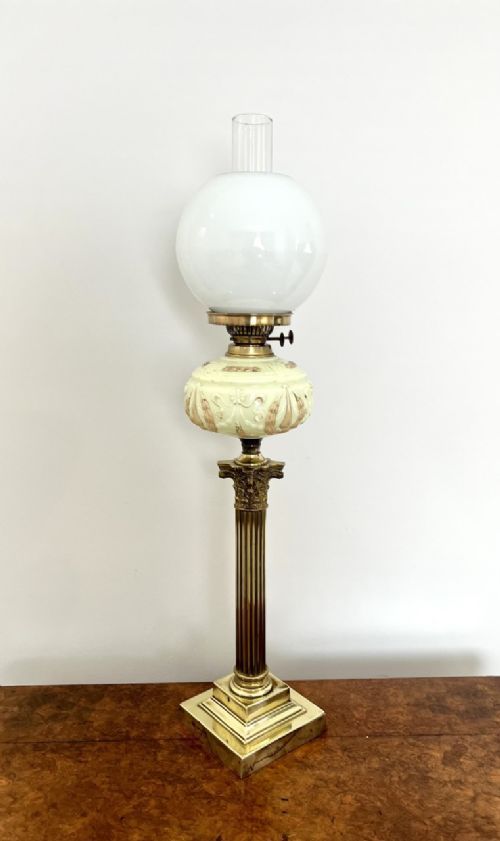
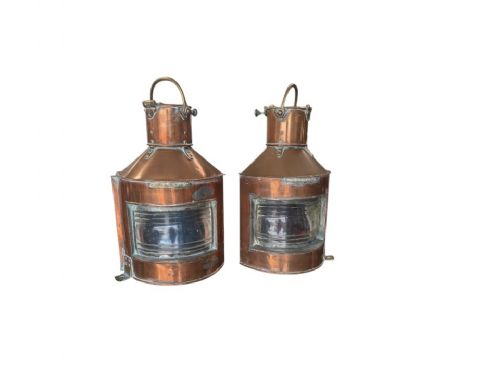
These antique table oil lamp pieces offer period lighting in glass, brass, copper, silver plate, ebonised wood, and ceramic.
What an antique table oil lamp is
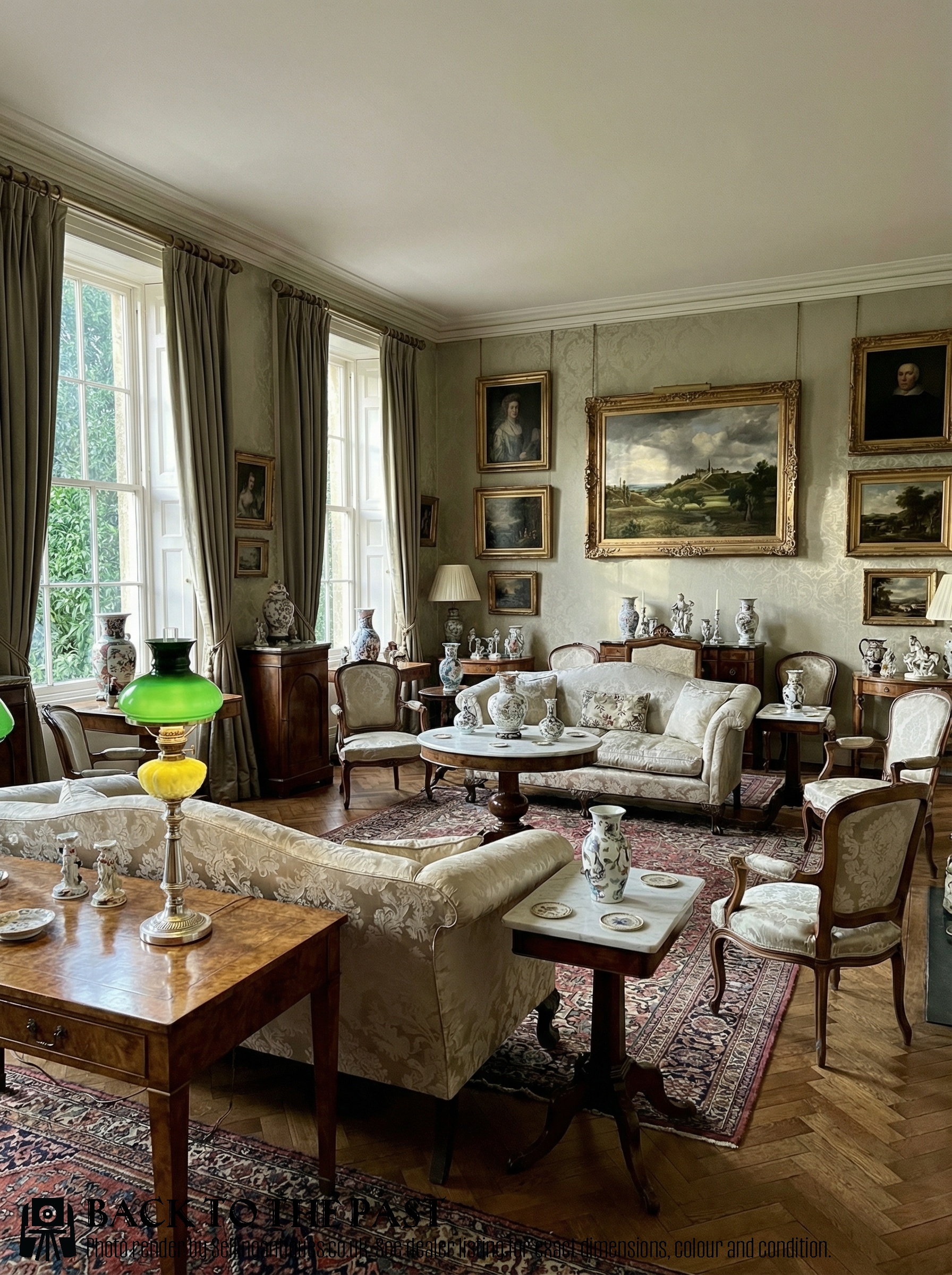
An antique table oil lamp is a functional lighting vessel designed for domestic use before electric illumination became universal. The pieces found here span the Victorian era, specifically around 1860 and 1900, alongside general Victorian items.
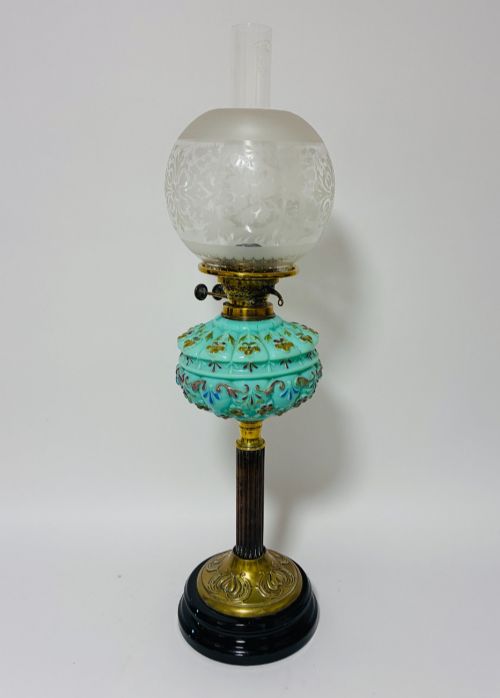
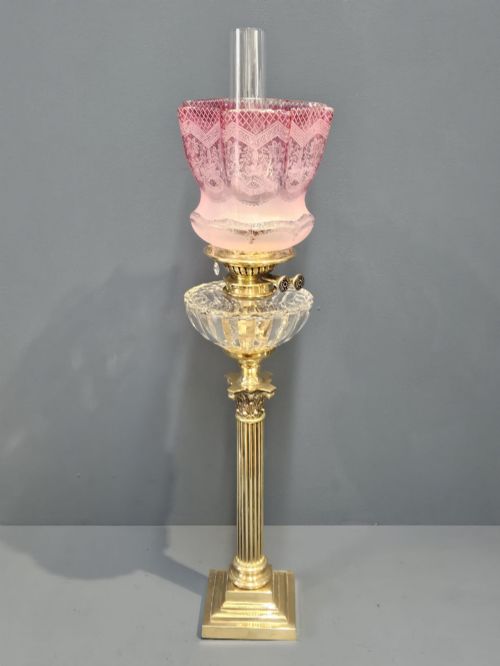
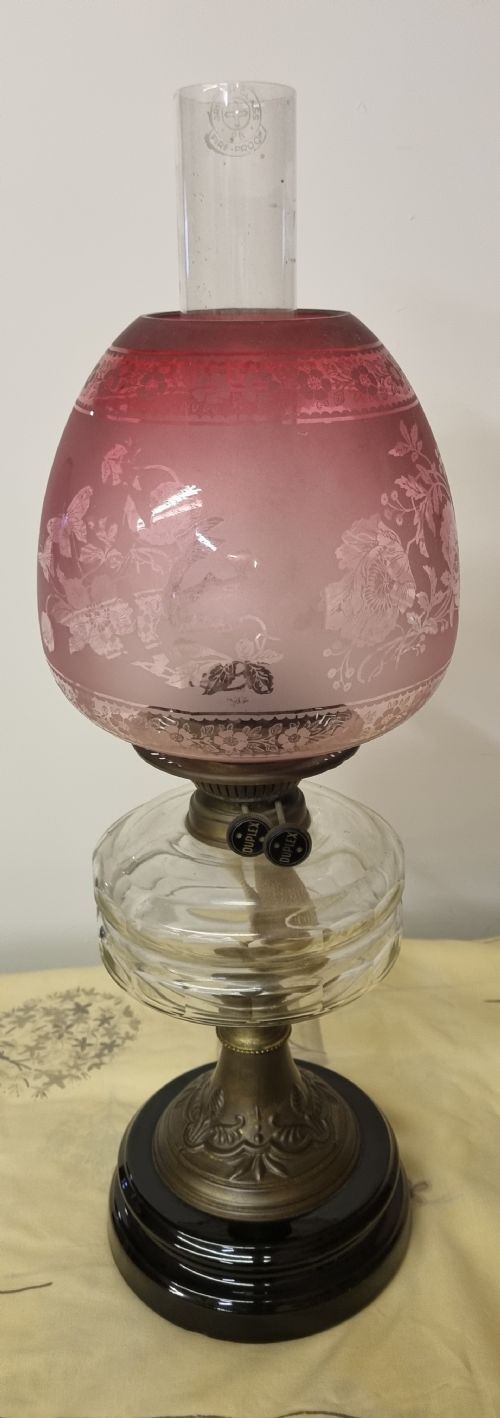
Buyers frequently encounter varieties featuring coloured glass vessels, including pink opaque glass, pink and cranberry glass, and ruby glass. Other common configurations combine brass, copper, and silver plate with glass or ceramic components.
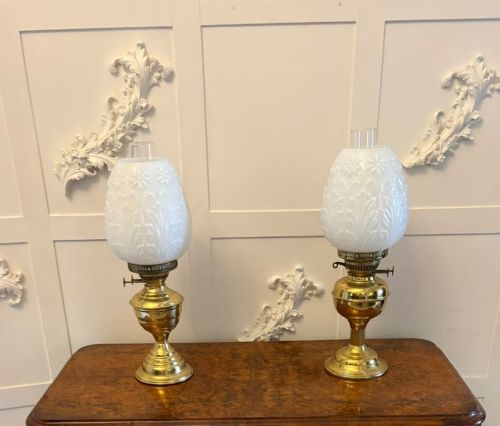
Many examples incorporate a matching shade, while others take the form of peg oil lamps designed to sit inside a separate holder or mount. Miniature versions also appear in the archive, showing that these lamps were produced in various scales for different rooms.
Materials and construction
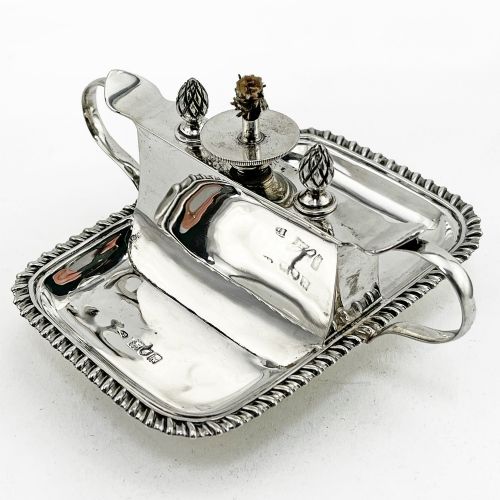
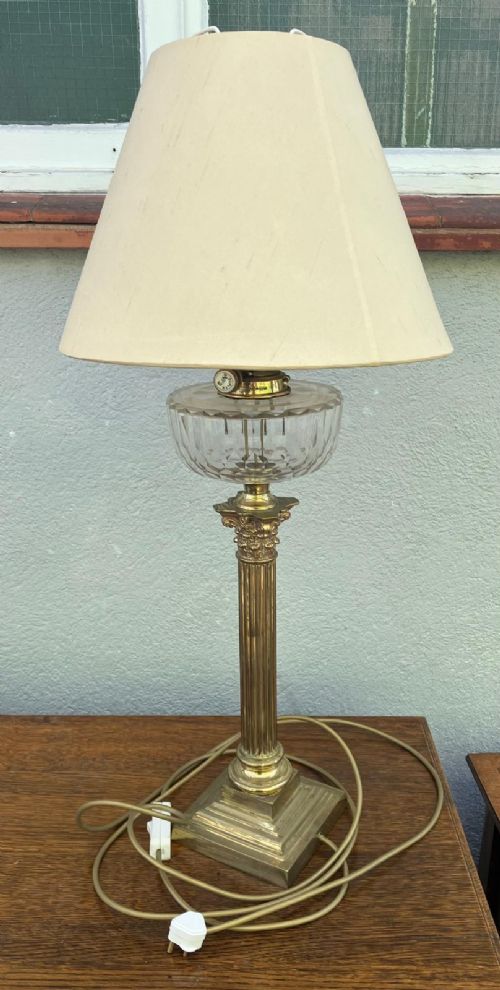
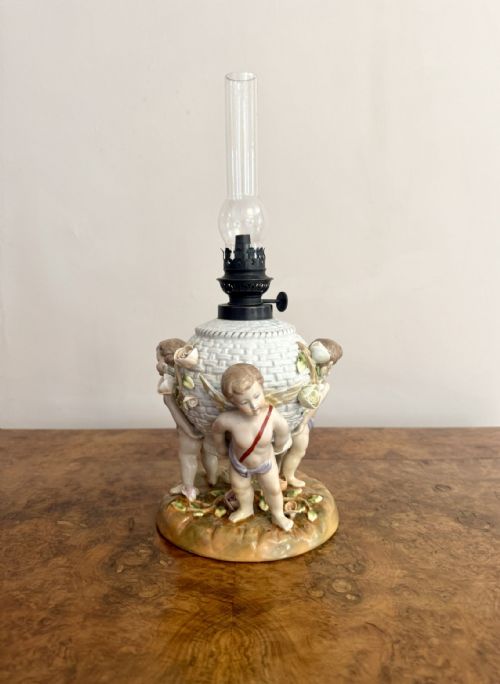
The construction of these lamps relies on a combination of metalworking and glassblowing techniques. Brass, copper, and silver plate provide sturdy bases and structural fittings, often paired with ebonised wood for contrast.
Vessels and shades are formed from coloured, opaque, or satin glass. The manufacturing process involves shaping molten glass into specific bowl and shade forms, sometimes incorporating layered colours such as cranberry or ruby hues.
Listings and archives show periods spanning 1860 to 1900 alongside general Victorian examples, utilising glass, brass, copper, silver plate, ebonised wood, and ceramic.
Assessing quality
Quality in these lamps rests on the harmony of materials and the finish of the metal and glass components. Fine quality examples display refined silver plating, smooth satin glass surfaces, and balanced proportions between the vessel and any accompanying shade.
The sophistication of the pairing between metal mounts and glass bodies distinguishes standard utility pieces from more decorative parlour items. Intricate detailing in the metalwork and rich, saturated colours in the glass indicate higher tier production.
The Antique Table Oil Lamp Glossary
- Peg oil lamp
- A small lamp with a tapered lower metal or glass peg designed to fit into the socket of a candlestick or wall bracket.
- Satin glass
- Glass treated with hydrofluoric acid or vapour to create a velvety, matte finish rather than a high gloss.
- Cranberry glass
- Transparent pinkish-red glass coloured by the addition of gold chloride to the molten batch.
- Silver plate
- A base metal such as copper or brass coated with a thin layer of silver for a decorative metallic finish.
- Opaque glass
- Glass that diffuses light and obscures the interior contents, commonly produced in pink and other solid colours during the Victorian period.
Frequently Asked Questions
What is an antique table oil lamp?
An antique table oil lamp is a nineteenth-century lighting device that burns liquid fuel through a wick housed in a burner. These domestic objects combined functional illumination with decorative glass and metal craftsmanship.
Surviving examples from the Victorian period often feature coloured glass vessels paired with brass, copper, or silver plated components, frequently accompanied by matching shades.
How do you date an oil lamp?
Dating an oil lamp involves examining the materials, manufacturing techniques, and stylistic markers recorded across the Victorian era. Pieces from around 1860 often display specific glass types like satin glass or silver plating.
Later Victorian examples from around 1900 show shifts in vessel forms and colour preferences, such as pink opaque glass and cranberry tones. Comparing the combination of metals and glass helps place a lamp within its production period.
What are peg oil lamps?
Peg oil lamps are a specialised form designed with a lower spigot or peg that drops into a separate holder. This configuration allowed the lamp top to be used in wall mounted brackets or existing candle holders.
Archives show examples in ruby glass configured for wall mounting with adjustable fittings, demonstrating their versatility in domestic settings.
How were different glass colours made?
Victorian glassmakers achieved different colours by adding specific metallic oxides and minerals to the molten batch. Cranberry glass used gold compounds to create its characteristic pinkish-red tone.
Opaque and satin finishes were achieved through chemical treatments and specialised cooling processes, creating the textured surfaces seen on many Victorian lamps.