


Victorian Ironstone China
These robust victorian ironstone china pieces offer durable utility and vibrant pattern work for the traditional dining table or display cabinet.

What these pieces are
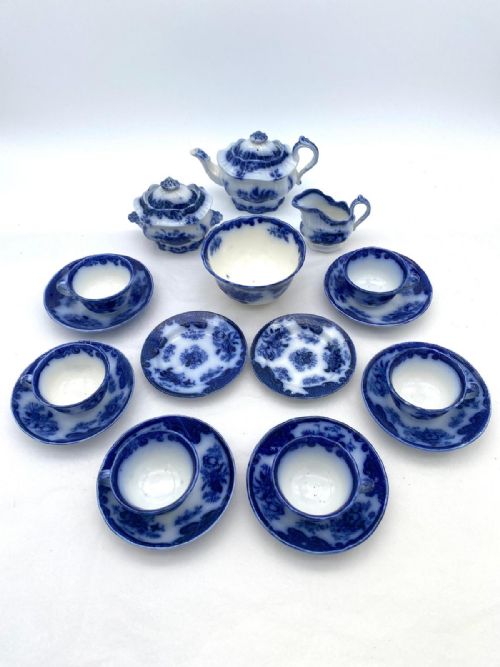
Victorian ironstone china encompasses a sturdy category of heavy ceramic tableware and display items designed to withstand daily use while mimicking the appearance of costly porcelain. Buyers browsing this selection will frequently encounter plates, soup bowls, serving platters, and comports from the nineteenth century.

How they were made
Potters produced these items using dense ironstone ceramic bodies covered in smooth glaze to create a durable, heavy-wearing surface. This thick ceramic base allowed manufacturers to form substantial forms like serving platters, ashets, and comports that resist chipping.
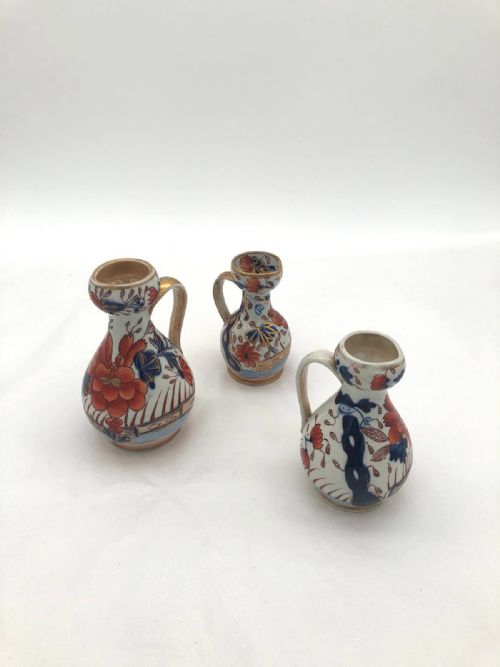
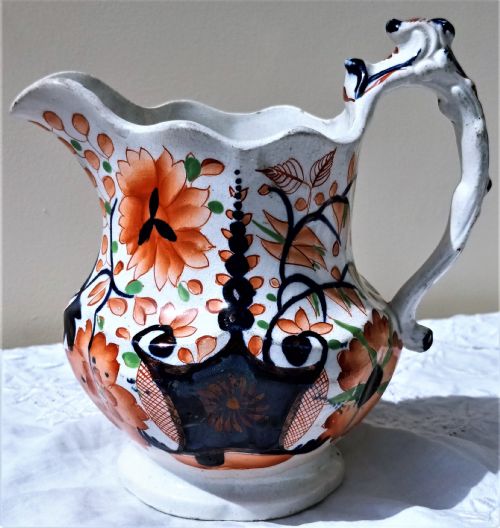
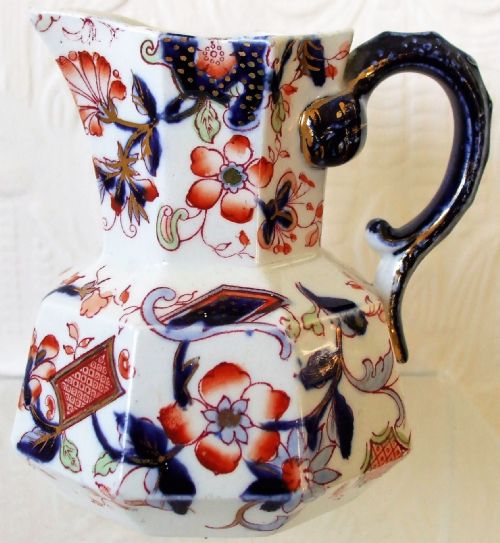
Surface decoration often involved hand painting applied directly onto the ceramic body or over glaze. Artisans utilised rich enamel colours alongside touches of gold leaf, gilt, and intricate Chinoiserie or Imari motifs to finish the vessels.
Retail Price Guide 2026
Typical UK retail prices for victorian ironstone china, calculated from the Sellingantiques database of over a million retail prices indexed since 2003. This retail price guide relies exclusively on Sellingantiques data; no external sources or auction records are used, so the figures do not describe the wider market.
Some nineteenth-century kitchen staff likely dropped these heavy ironstone plates regularly, which explains why so many sturdy survivors still fill modern cupboards.
What varies in quality
The distinction between standard domestic utility wares and superior display pieces rests in the complexity and precision of the surface decoration. Hand-painted patterns executed with careful enamel work and generous application of gold leaf or gilt represent the higher tier of production.
Consistency in the ceramic body and the crispness of transfer-printed or hand-drawn motifs separate mass-produced items from finer studio efforts. Well-preserved gilding and vibrant, intact enamel colours elevate the overall visual presence of individual plates, vases, and bowls.
Mason’s Ironstone China
The Victorian Ironstone China Glossary
- Ironstone
- A heavy, durable ceramic body patented in the nineteenth century to provide a strong alternative to porcelain. It forms the solid foundation for the plates and vessels seen here.
- Ashet
- A large serving platter or dish used traditionally for presenting joints of meat at the dining table. This regional term appears frequently in descriptions of nineteenth-century service ware.
- Chinoiserie
- A European artistic style reflecting Chinese decorative motifs, widely applied to ceramics and furnishings during the nineteenth century. It brings whimsical landscapes and figures to vases and plates.
- Imari
- A decorative style characterised by rich iron red, underglaze blue, and gilt details borrowed from Japanese export wares. Victorian potters adapted this palette for robust ironstone services.
- Comport
- A raised vessel or dish standing on a foot or pedestal, designed for serving fruit or sweets at the table. These decorative stands often feature prominently in matching dining services.
Frequently Asked Questions
What is victorian ironstone china?
Victorian ironstone china is a heavy, durable ceramic developed in the nineteenth century to serve as a tough, practical alternative to delicate porcelain. It combines a dense earthenware body with thick glaze.
Potters used this robust material to create everyday tableware such as plates, soup bowls, and large serving platters that could endure heavy household use.
How do I care for ironstone china?
Wash these heavy ceramic pieces by hand in warm water using mild soap rather than placing them in an automatic dishwasher. Gentle cleaning protects the delicate hand-painted enamel colours and gilt highlights.
Avoid sudden temperature changes to prevent stress on the nineteenth-century ceramic body and any applied gold leaf.
Can I use these plates daily?
Many nineteenth-century ironstone plates and soup bowls remain structurally robust enough for occasional dining use today. Their dense ceramic composition was originally engineered for heavy service.
Pieces featuring delicate hand-painted details, enamel work, or gold leaf are better reserved for gentle display to preserve their decorative surfaces.
How do I identify patterns?
Makers applied various aesthetic styles, including Chinoiserie motifs and Victorian Imari palettes, directly onto the glazed ceramic surface. Specific patterns often bear descriptive names recorded in historical archives.
Examining the underside for maker marks and checking the style of the hand painting helps distinguish particular nineteenth-century design groups.