


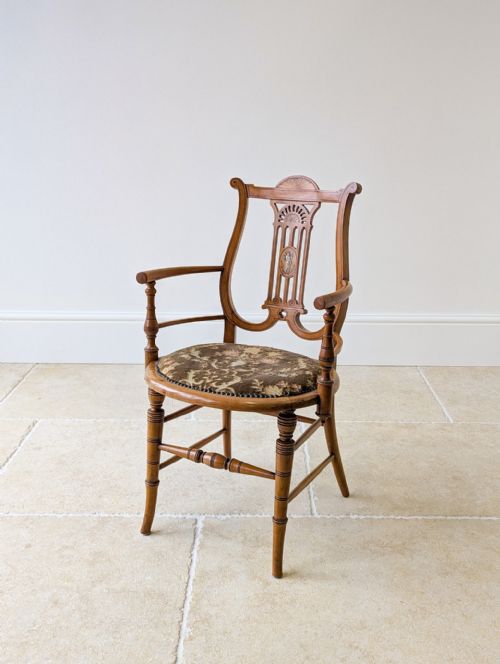
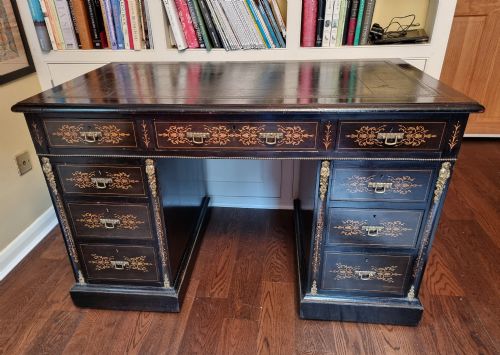
Victorian Inlaid Desk
When you search for a victorian inlaid desk, you enter a world of cabinet-making where precise marquetry meets the practical needs of nineteenth-century correspondence.
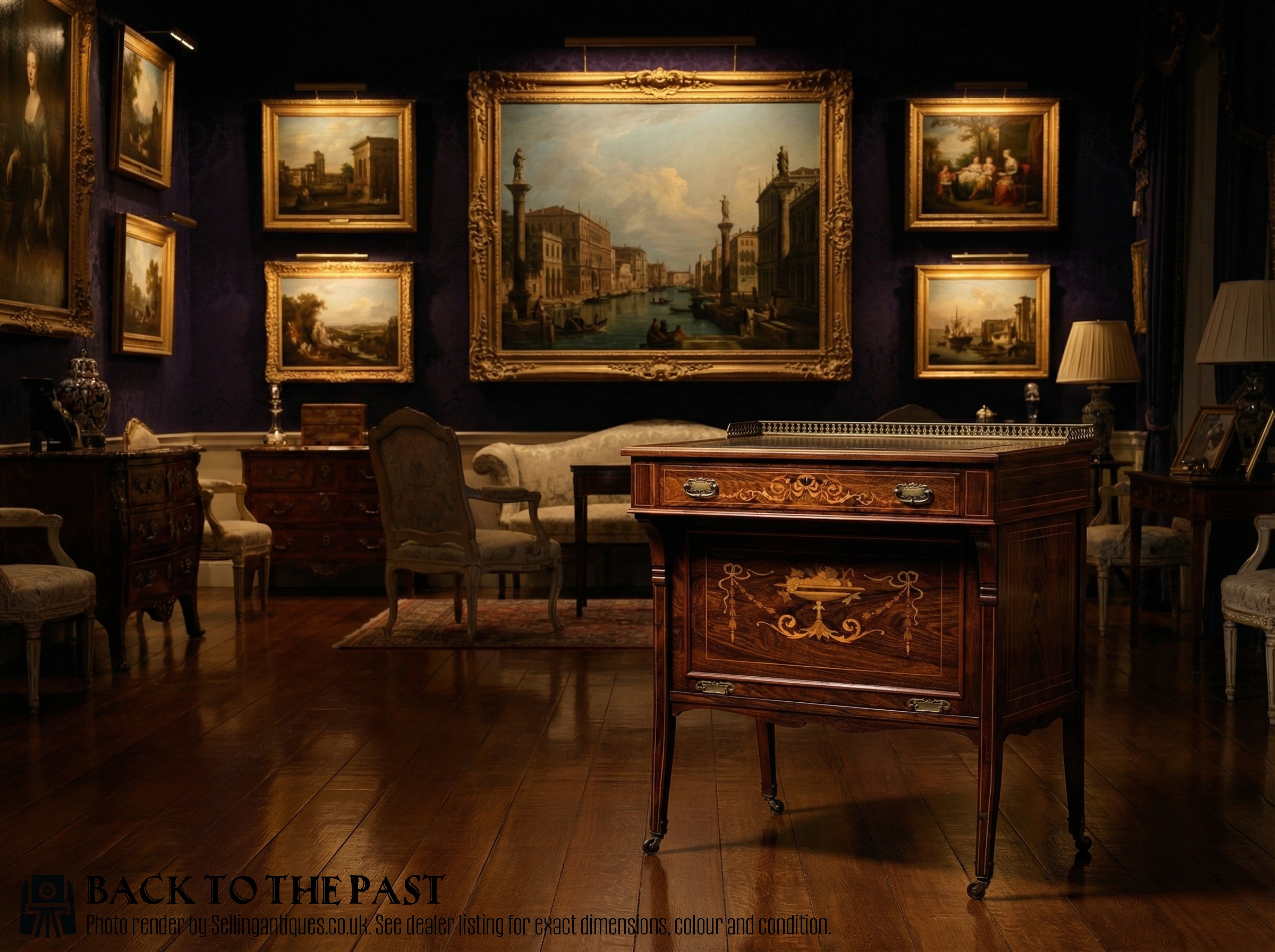
Victorian Inlaid Desk
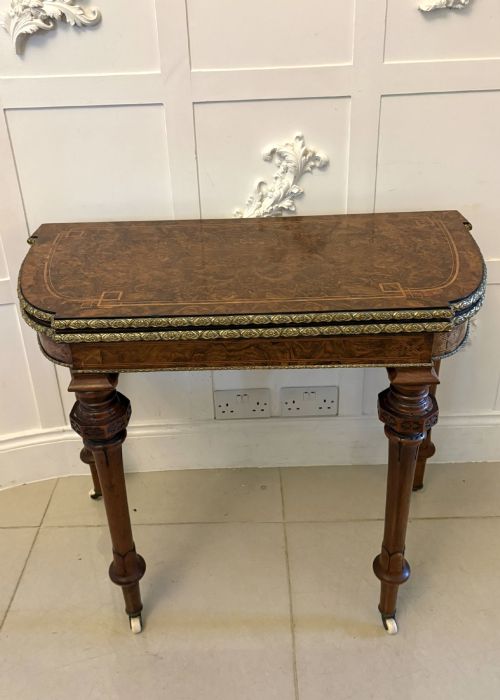
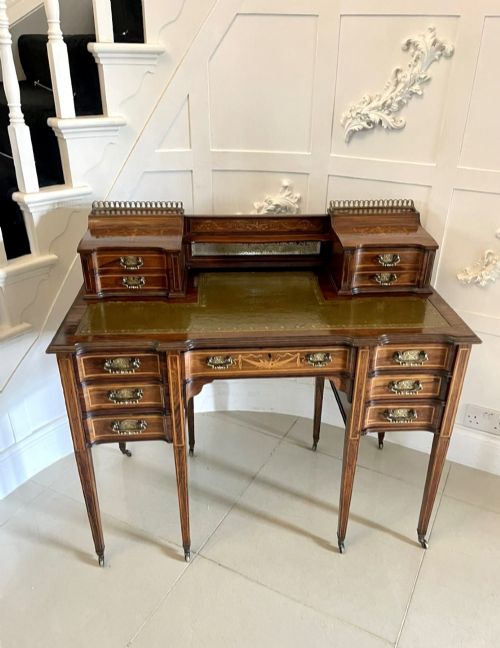
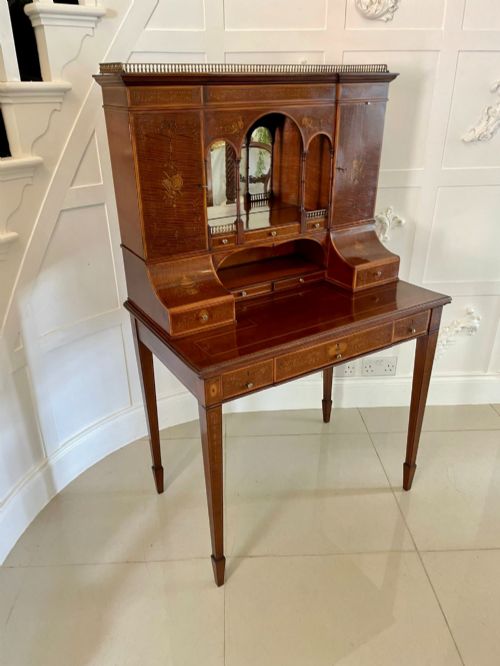
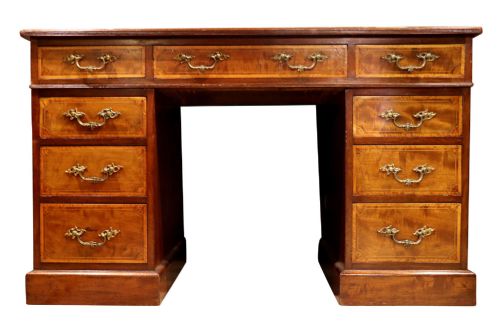
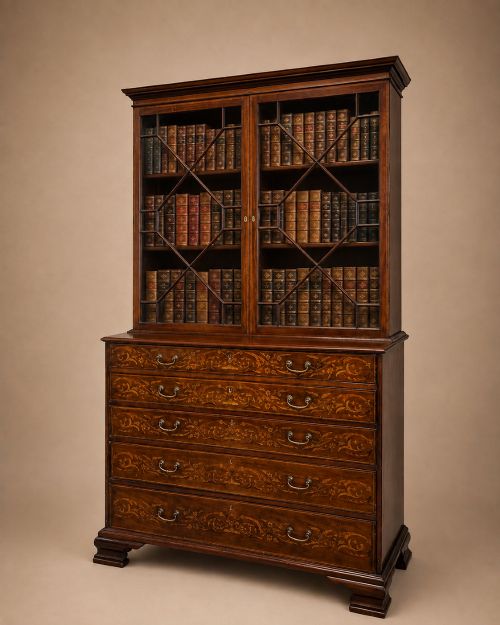
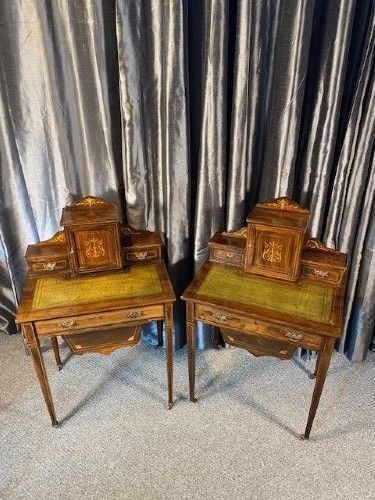
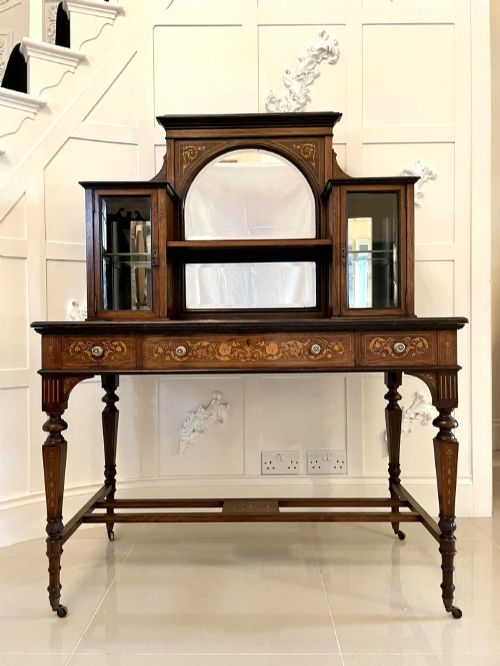
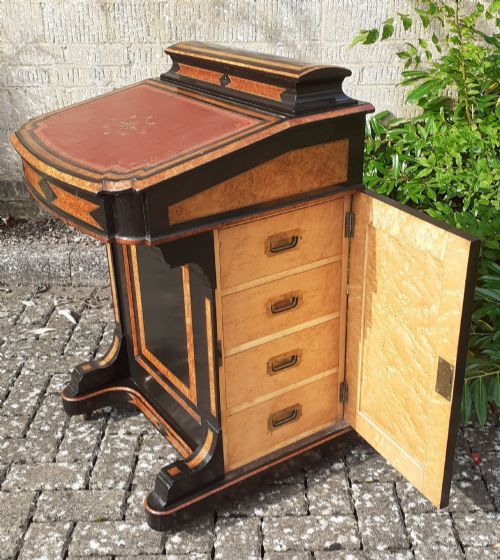
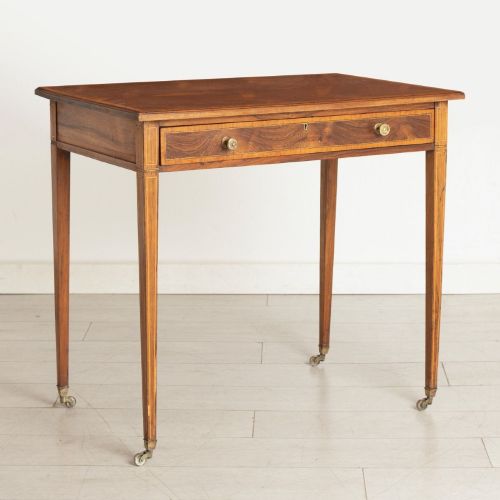
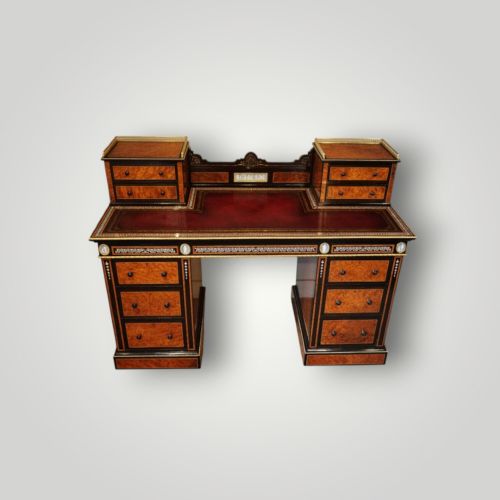
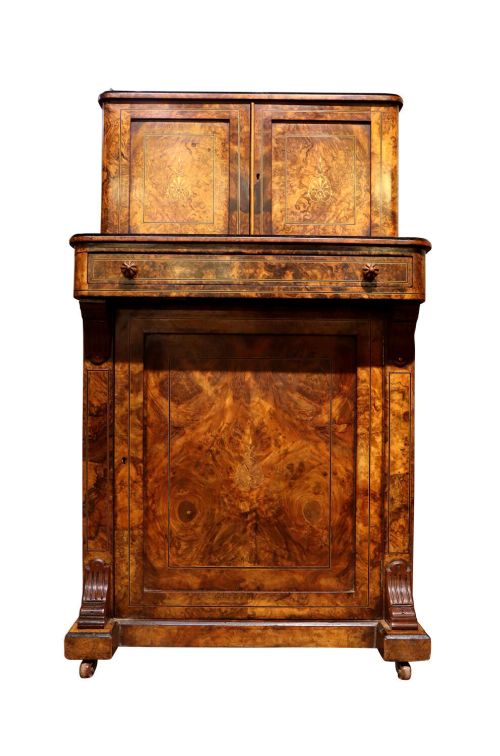
A victorian inlaid desk encompasses various forms from the nineteenth century, ranging from compact Davenport desks and kidney-shaped writing tables to large freestanding pedestal desks and intricate bureau de dame variants.
Makers of the period utilised stylistic revivals, producing pieces influenced by Sheraton designs, French Louis XV styles, and Boulle work that prioritized decorative surface patterns alongside functional writing surfaces.
The materials selected for these pieces defined their visual weight, with cabinet-makers employing contrasting timbers to frame delicate floral or geometric motifs across the writing slopes and frieze drawers.
Standards of Craftsmanship
Quality rests in the crispness of the inlay work and the precision with which contrasting timbers meet without visible gaps or excessive filler.
Superior examples display figured wood veneers selected for balanced grain patterns across secondary surfaces, complemented by original brass hardware and well-fitted internal stationery compartments.
Victorian Inlaid Desk Retail Price Guide 2026
Typical asking prices for victorian inlaid desk among the pieces listed under this phrase on Sellingantiques today, from the lower quarter to the upper quarter. They describe what is for sale here now, not the wider market.
Some Victorian writers stored secrets within secret drawers released by hidden spring mechanisms tucked behind pigeonholes.
Maple and Co·JAS Shoolbred·Edwards and Roberts·Jackson and Graham
The Victorian Inlaid Desk Glossary
- Marquetry
- Decorative patterns formed by fitting together thin veneers of wood, brass, or shell into a background surface. This technique allowed cabinet-makers to depict complex floral and pictorial scenes across desk lids.
- Parquetry
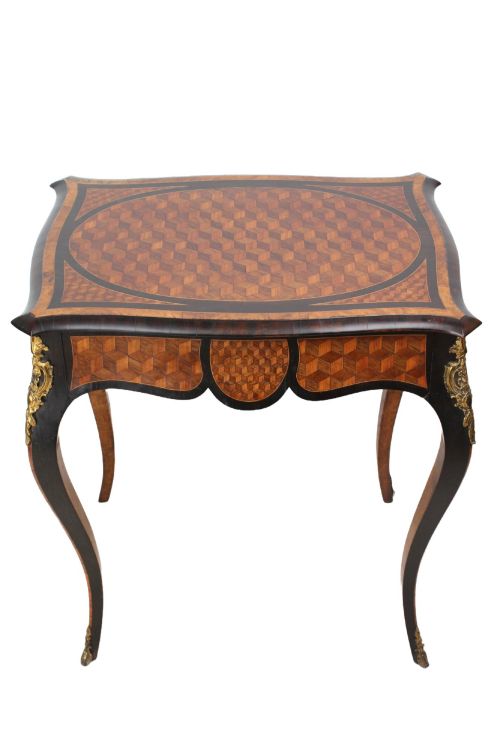
- Geometric mosaic woodwork arranged in repeating patterns such as cubes or chequers. It creates a structured, architectural surface often seen on nineteenth-century writing tables.
- Davenport desk
- A compact writing desk featuring a sloping, hinged top above a bank of drawers accessed from the side. The form became popular during the Victorian era for boudoirs and smaller studies.
- Boulle work
- An elaborate form of marquetry consisting of tortoiseshell and brass inlaid in contrasting positive and negative patterns. Named after a French cabinet-maker, the style experienced revivals throughout the Victorian period.
- Carleton House desk
- A form of writing table featuring a curved superstructure of small drawers and pigeonholes rising above the main writing surface. It offers structured organisation within an elegant period profile.
Victorian Inlaid Desk: Frequently Asked Questions
What is a Davenport desk?
A Davenport desk is a compact writing cabinet featuring a sloping lid that lifts to reveal storage compartments, set above a pedestal of side drawers.
First popularised in the nineteenth century, these pieces were designed for use in smaller rooms where a full-sized partner desk would prove impractical.
How do I care for rosewood and walnut?
Maintain these nineteenth-century timbers by keeping them away from direct sunlight and sudden temperature shifts that cause veneer to crack or lift.
Apply a traditional wax polish sparingly and buff with a soft cloth to preserve the natural lustre of the wood grain.
Are these desks suitable for daily laptop use?
Many Victorian writing tables offer sufficient surface area and sturdy construction to accommodate modern writing equipment or laptops during daily tasks.
Consider the kneehole height and depth of older pedestal formats to ensure comfortable seating clearance before regular use.
What distinguishes Sheraton Revival from original pieces?
Sheraton Revival pieces replicate the lighter neoclassical forms and satinwood surfaces popularised in the eighteenth century but were manufactured during the late Victorian and Edwardian periods.
Examination of secondary woods, construction methods, and hardware typically clarifies the true manufacturing era of the desk.