


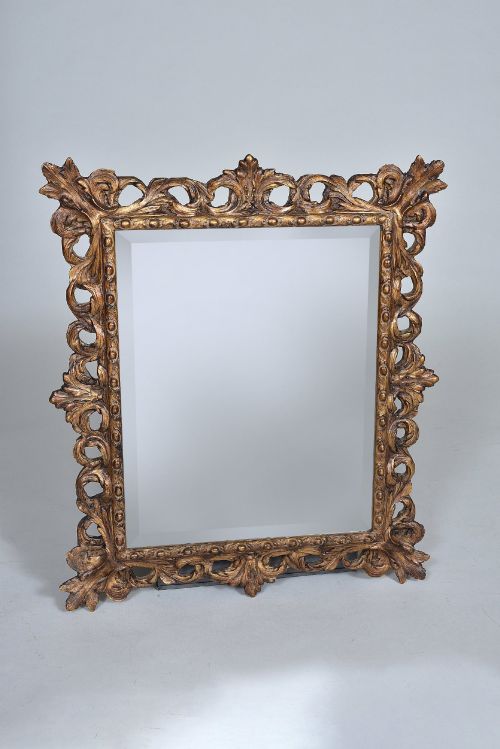
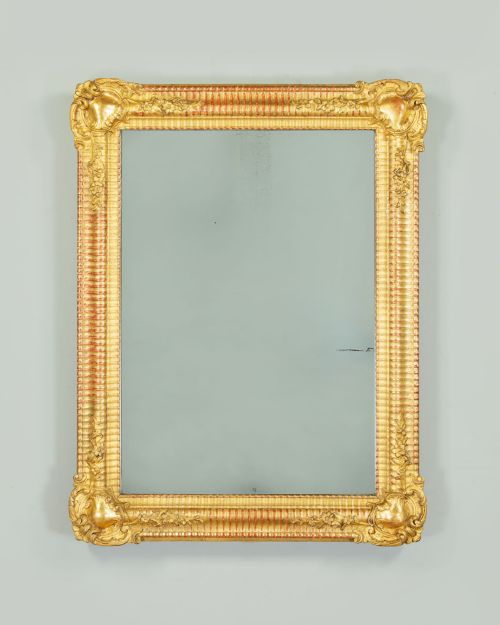
Victorian Hanging Mirror
When you search for a victorian hanging mirror, you look for a functional wall piece shaped by nineteenth-century tastes.
Victorian Hanging Mirror
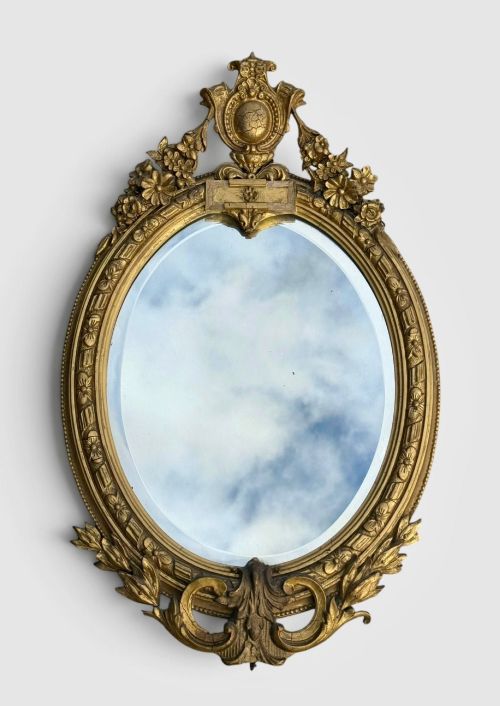
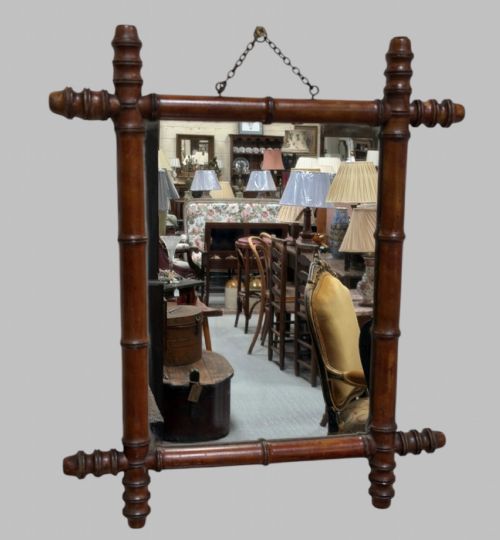
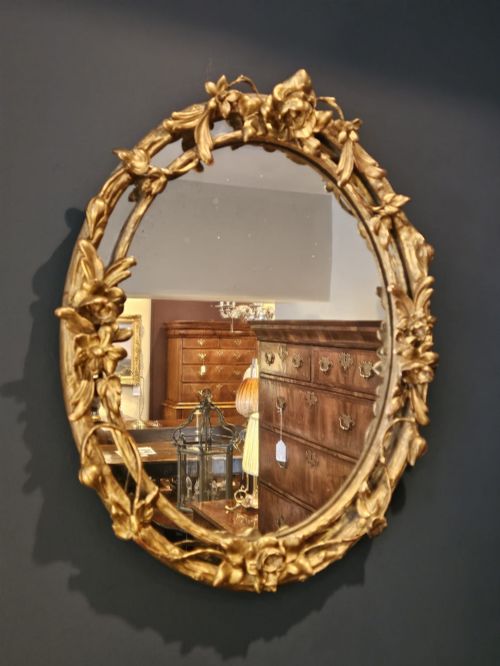
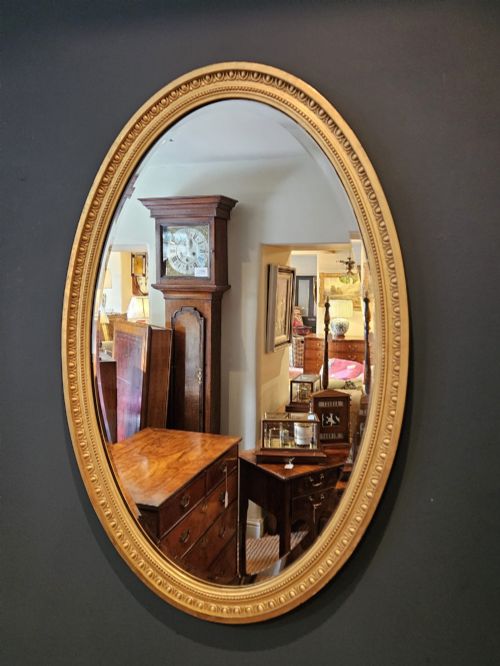
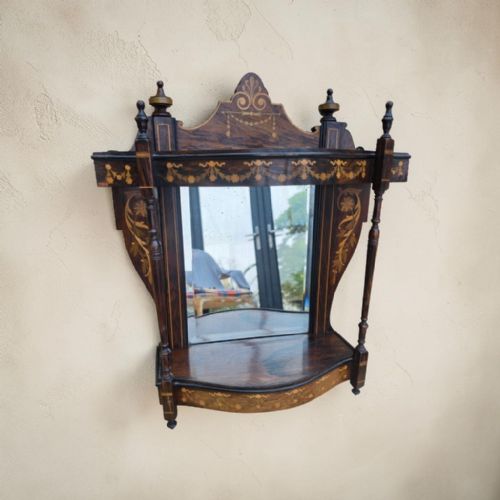
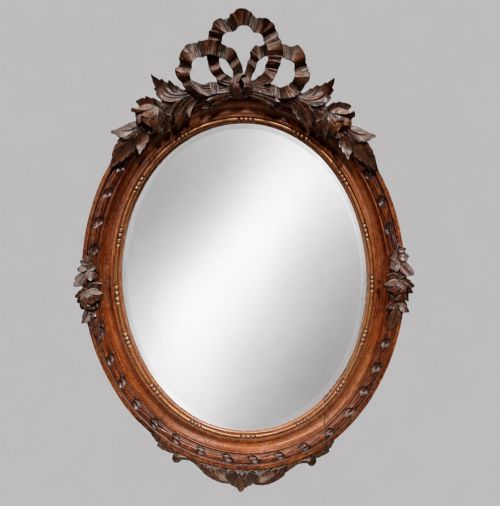
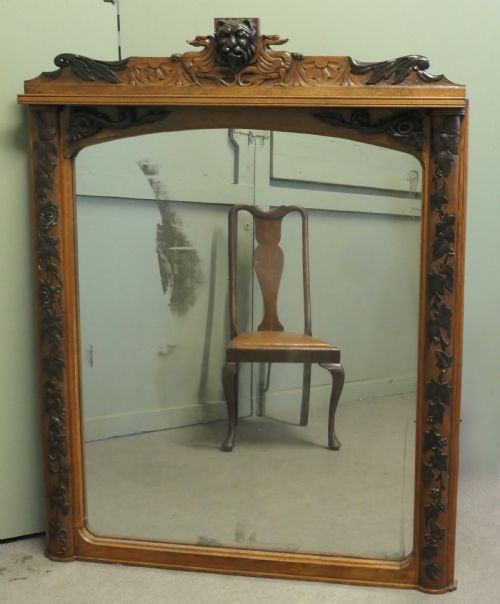
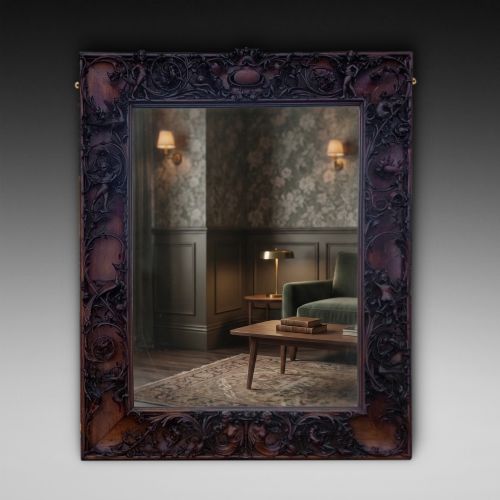
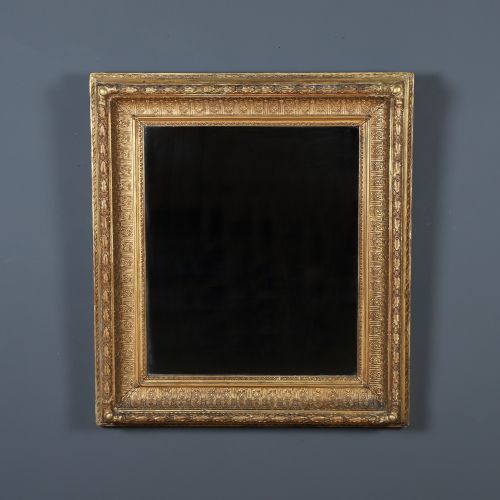
A victorian hanging mirror serves domestic spaces from hallways to bedrooms, appearing in rectangular, oval, and circular formats. These pieces often hang securely from original brass or iron rings fixed to sturdy timber or gesso frames.
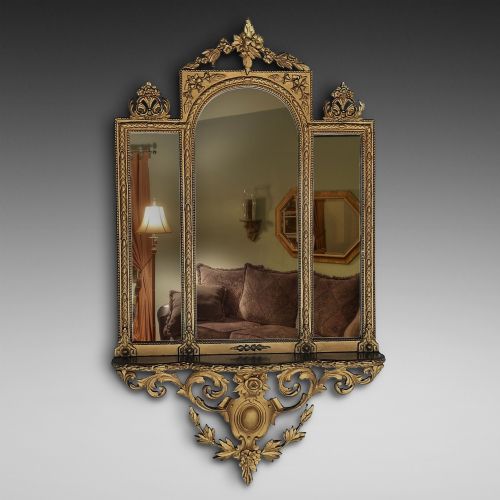
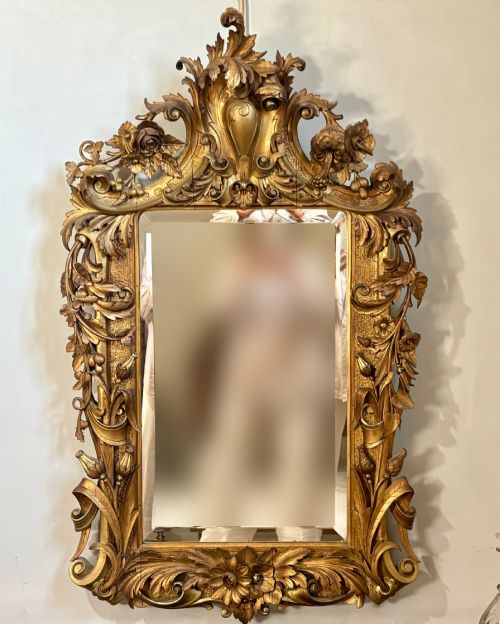
Revival styles dominate the offerings, echoing Louis XVI, Chippendale, and Rococo aesthetics through ornate carvings and symmetry. Simpler oak and mahogany frames reflect the plainer domestic requirements of the late nineteenth century.
Materials and Construction
Makers constructed the primary frames from dense timbers such as mahogany, oak, walnut, and pitch pine, frequently employing joinery like mortise and tenon. Carved details and applied ornamentation often utilised gesso or composition moulded over a wooden core before receiving gold leaf or paint.
Glass plates were silvered using chemical processes that replaced older mercury methods during the nineteenth century. Many surviving examples feature bevelled edges produced by grinding and polishing the glass perimeter against abrasive wheels.
Victorian Hanging Mirror Retail Price Guide 2026
Typical asking prices for victorian hanging mirror among the pieces listed under this phrase on Sellingantiques today, from the lower quarter to the upper quarter. They describe what is for sale here now, not the wider market.
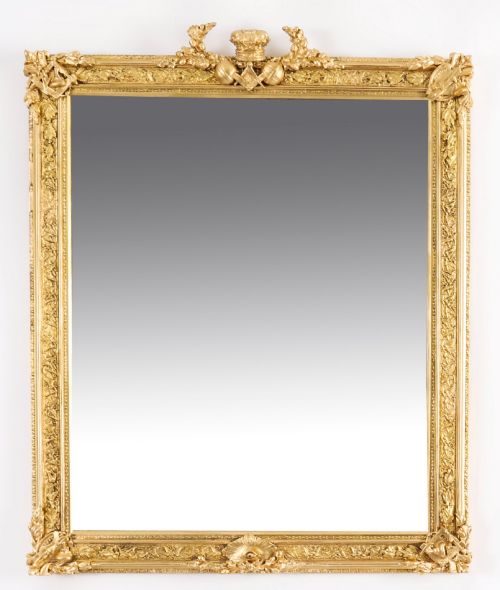
One unusual survivor is a Freemasons Masonic giltwood mirror carrying symbolic craft emblems from eighteen sixty.
Assessing Quality
Quality rests in the crispness of the carved ornamentation and the depth of the gilding applied to the gesso foundation. Hand-carved wooden details show subtle tool marks and organic variation that mass-produced composition ornament lacks.
The integrity of the mirror plate itself influences the overall standard, as heavier, thicker glass maintains a truer reflection over time. Original backing boards and secure hanging hardware indicate a well-preserved piece that retains its structural honesty.
The Victorian Hanging Mirror Glossary
- Gesso
- A plaster mixture applied to wood frames as a base for gilding or painting. It accepts deep relief carving and moulding before finishing.
- Overmantle mirror
- A large wall mirror designed specifically to hang above a fireplace mantel. These pieces frequently span significant horizontal dimensions.
- Pier mirror
- A tall, narrow mirror intended to hang on the wall space between two windows. They often match the proportions of the intervening masonry.
- Bevel
- An angled edge ground along the perimeter of a mirror plate. This technique catches light and adds a decorative dimension to the glass.
- Composition
- A moulded mixture of whiting, resin, glue, and linseed oil used for ornamental details. It provides a durable alternative to hand-carved wood.
Victorian Hanging Mirror: Frequently Asked Questions
Where should I hang my mirror?
These pieces suit entrance hallways, above fireplace mantels, or within bedrooms where wall space allows adequate clearance. Secure fixing to solid wall anchors is essential given the substantial weight of timber and glass.
Positioning the glass opposite a window maximises light distribution across smaller rooms. Ensure the hanging height aligns comfortably with eye level for daily use.
How do I clean antique glass?
Wipe the glass surface gently using a soft microfiber cloth slightly dampened with distilled water. Avoid harsh chemical ammonia sprays that degrade nineteenth-century silvering behind the plate.
Keep moisture away from the wooden frame and gilt edges during cleaning. Dry the surface immediately to prevent water penetration into aged joints.
Are the mirror plates original?
Many pieces retain their original glass, identifiable by faint foxing, minor surface bubbles, and slight silvering degradation near the margins. These characteristics confirm the age and authenticity of the piece.
Replacements do occur when original glass suffered accidental breakage over generations. Inspect the rear retaining pins to understand how the plate is secured within the frame.
How do I identify the wood type?
Examine the grain patterns, colour tones, and weight of exposed timber areas on the frame or backing. Mahogany displays a reddish-brown hue with tight grain, while oak exhibits prominent medullary rays.
Secondary woods used on backs and framing elements often include pine or deal. Finished surfaces may carry dark historical wax polish that accumulates in recessed mouldings.