




Victorian Gothic Lectern
These robust victorian gothic lecterns bring a serious ecclesiastical presence to a room, crafted from heavy oak or polished brass.
Victorian Gothic Lectern
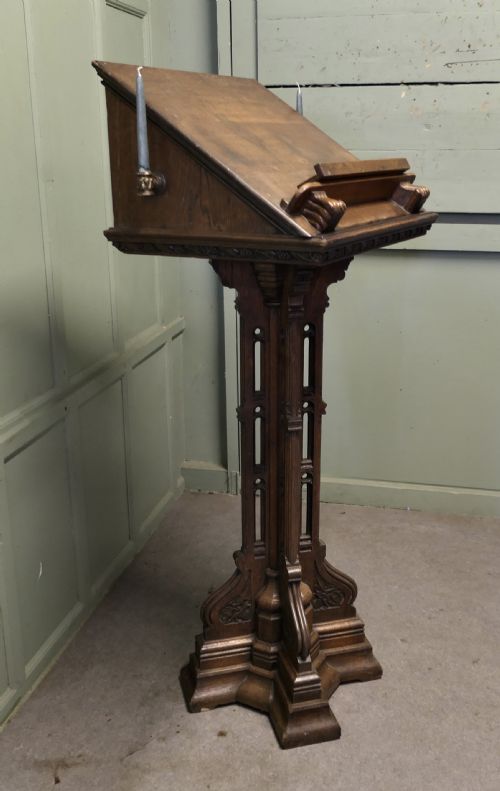
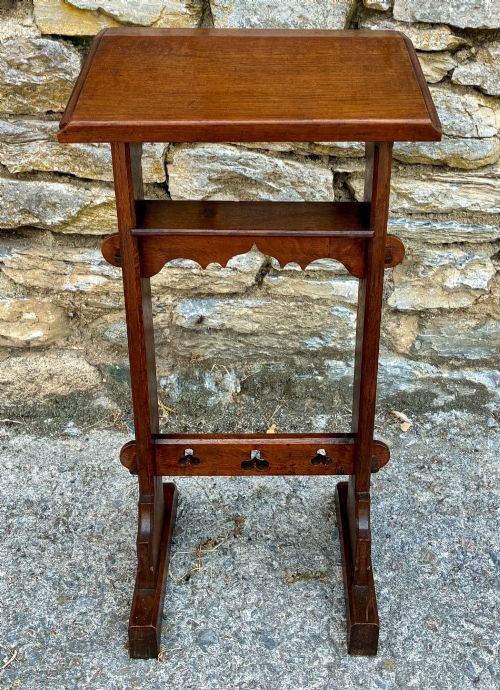
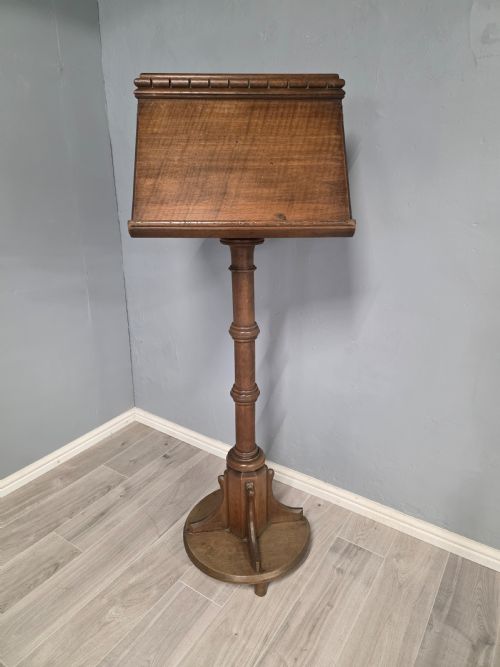
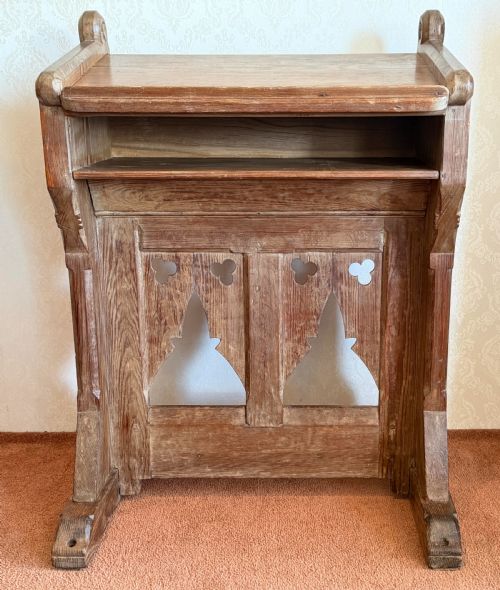
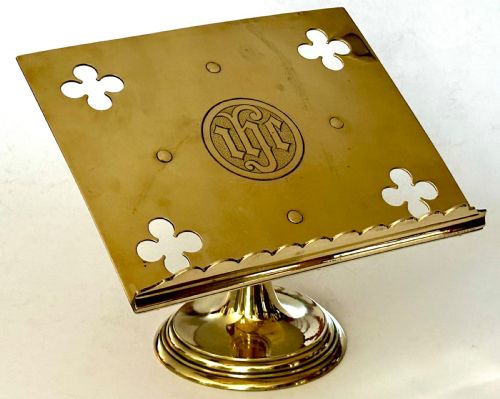
A victorian gothic lectern is a sturdy piece of ecclesiastical furniture designed to hold open books for reading or public address, rooted heavily in the 19th Century Gothic Revival style. When exploring this selection, buyers frequently encounter substantial carved oak floor stands, smaller table models, and ecclesiastical prayer desks.
The objects stem predominantly from church and chapel interiors, translating architectural pointed arches and tracery into functional wooden and metal furnishings. Alongside traditional church furniture, the evidence records related reading podiums, pulpit bars, and duet stands that share the same architectural lineage.
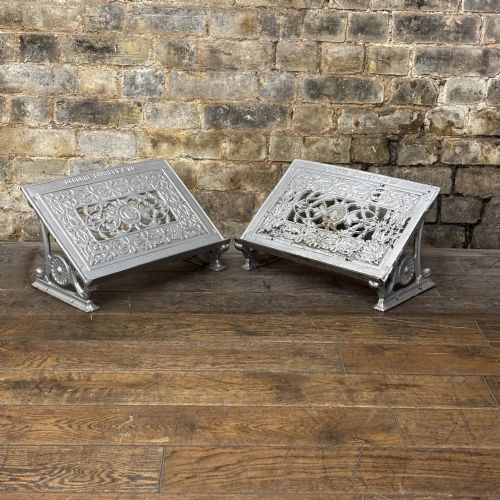
Most examples hail from the Victorian era and the broader 19th Century, though occasional Edwardian and early 20th Century variants appear. The typical form leans on heavy timbers or cast metal, often featuring carved motifs or brass book rests intended for daily liturgical use.
Distinguishing quality in design and execution
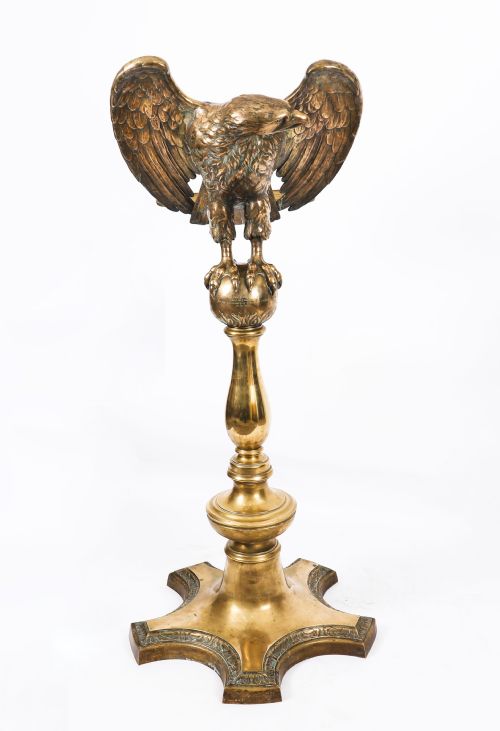
The distinction between ordinary and superior pieces rests on the depth and ambition of the carving, particularly where tracery and figural work meet the eye. Skilled carvers executed crisp linenfold panels, sharp pointed arches, and detailed avian forms like the traditional brass or carved oak eagle.
Proportion and structural integrity define the upper tier of these pieces, ensuring that tall floor stands balance their reading platforms securely on heavy bases. Finer examples display thoughtful joinery that accommodates the natural movement of solid oak over generations without compromising the rigidity of the desk.
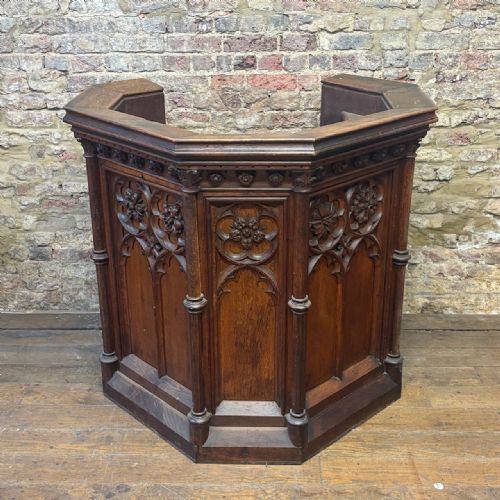
One historic church pulpit found a second life repurposed simply as a sturdy home bar.
Osborne Garrett & Co
The Victorian Gothic Lectern Glossary
- Gothic Revival
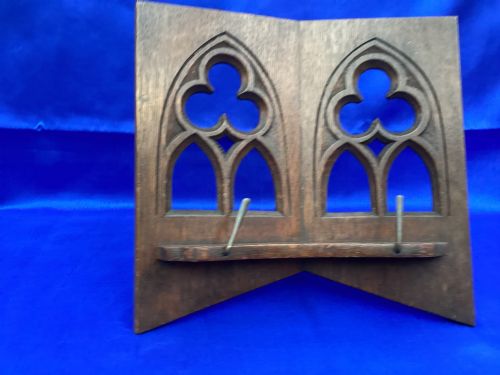
- An architectural and decorative style drawing on medieval ecclesiastical forms, characterised by pointed arches, trefoils, and heavy vertical lines. This aesthetic dominates the ornamentation of Victorian church furniture.
- Eagle Lectern
- A reading stand featuring a brass or carved wooden eagle with outspread wings serving as the book rest. The bird symbolizes St. John the Evangelist.
- Prayer Desk
- A specialised piece of church furniture combining a sloped writing surface with a padded kneeler for private devotion. These items often incorporate lower storage for service books.
- Duet Stand
- A double-sided reading stand or music desk designed to accommodate two readers facing one another or sharing a single score. The evidence notes unusual oak variants among these stands.
Victorian Gothic Lectern: Frequently Asked Questions
What rooms suit a victorian gothic lectern?
These imposing stands fit naturally into libraries, studies, or large hallway spaces where their architectural presence can anchor the room. They serve as functional book stands or dramatic display pedestals for heavy volumes.
Because they originate from churches and chapels, placing one requires adequate floor space and a room with high ceilings to balance their vertical scale. They pair well with traditional dark wood furniture and scholarly decor.
How do I tell a church lectern from a music stand?
Church lecterns are built with broader, deeper reading ledges designed to support heavy leather-bound bibles and folios rather than thin sheet music. Their construction utilises heavy oak or solid brass, ensuring complete stability under significant downward weight.
Music stands and duet stands in the record tend to feature lighter framing or adjustable mechanisms meant for frequent repositioning. Ecclesiastical pieces also frequently incorporate Gothic architectural carvings like tracery and pointed arches.
Were these lecterns used in homes?
While originally manufactured for 19th Century churches, cathedrals, and chapels, many found their way into domestic settings as home bars, hall tables, or reading podiums. The Victorians frequently adapted ecclesiastical furniture for grand domestic libraries and private chapels.
Today, modern collectors repurpose them as menu stands, recipe holders in large kitchens, or statement furniture in entrance halls. Their robust construction allows them to transition smoothly from sacred spaces to everyday domestic use.