
Victorian Glazed Side Cabinet
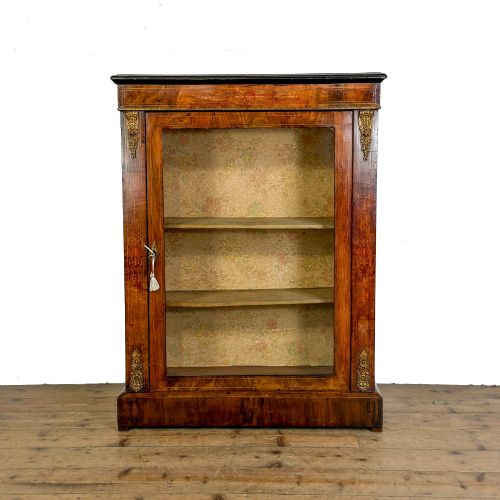
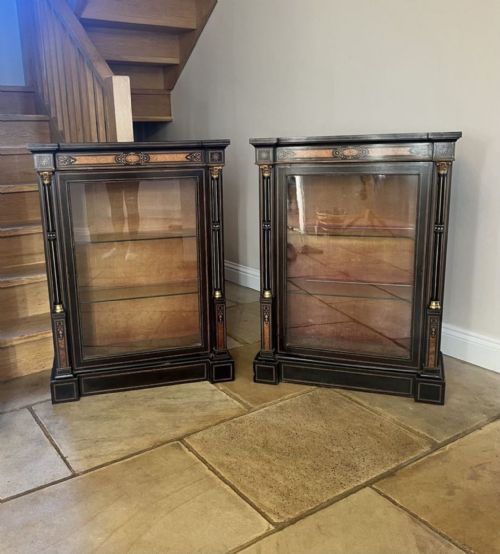
A victorian glazed side cabinet brings warmth and glass-fronted display to a room, constructed in rich walnut, rosewood or ebonised wood.

Victorian Glazed Side Cabinet
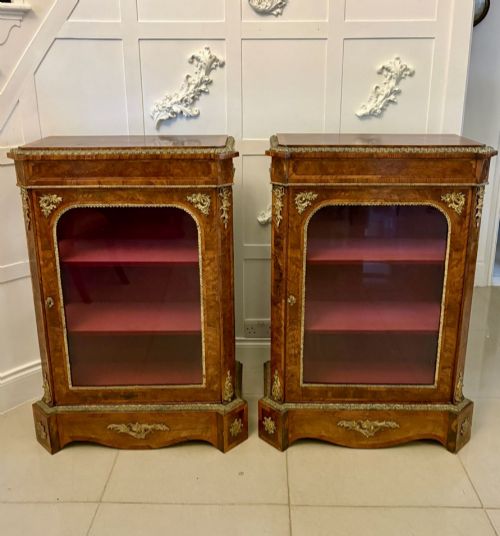
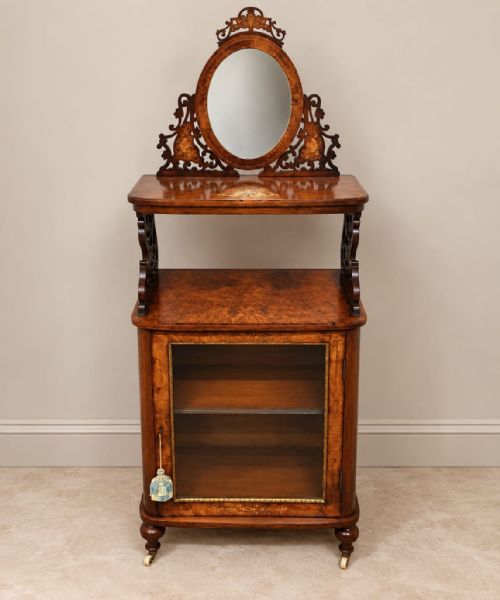
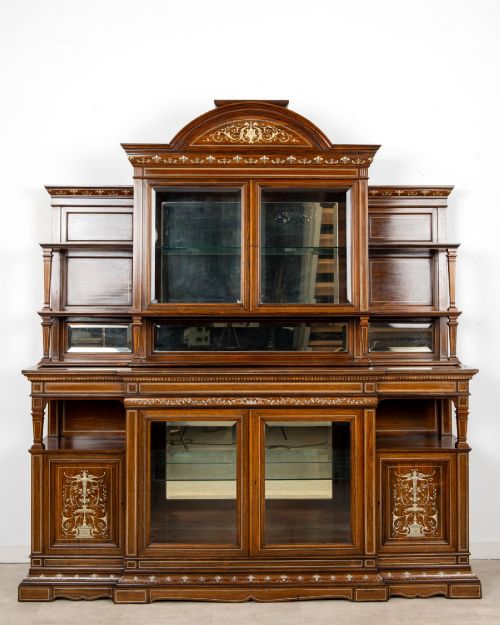
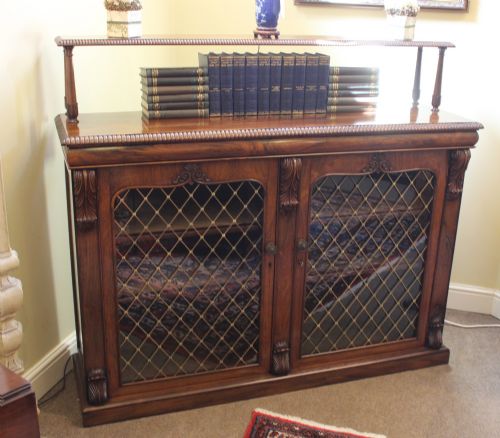
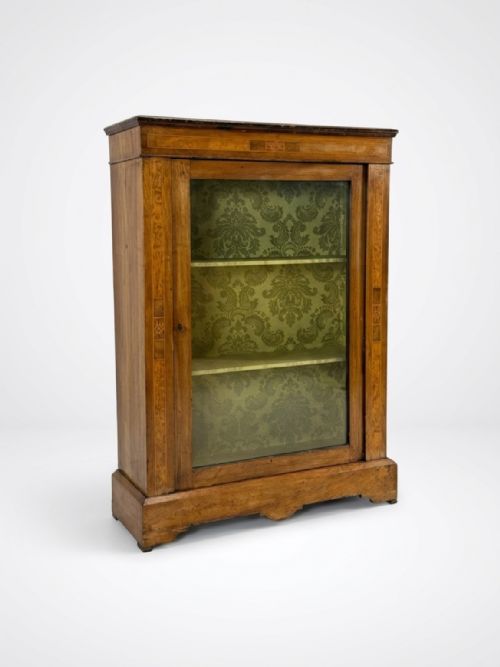
When you search for a victorian glazed side cabinet, you encounter a refined group of nineteenth-century furniture designed to display and store possessions behind glass. The selection ranges from compact pier cabinets and music cabinets to broad credenzas and multi-door sideboards.
The majority of pieces belong firmly to the Victorian period, appearing alongside Edwardian examples and specific decades such as the eighteen-sixties, seventies, eighties and nineties. Stylistic influences span the Aesthetic Movement, French Rococo Revival, Napoleon III and Sheraton Revival.
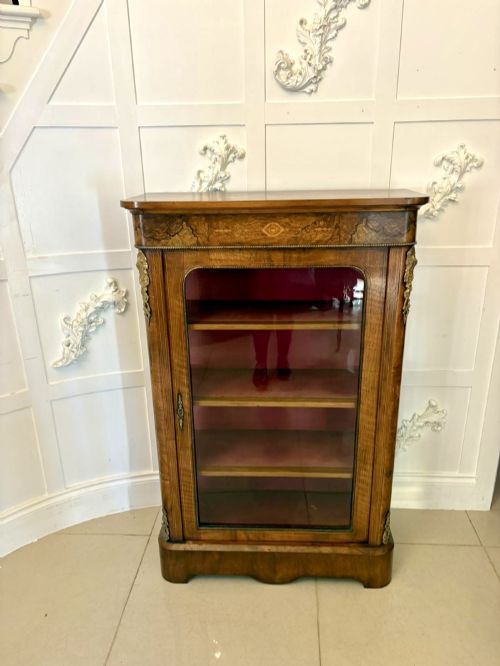
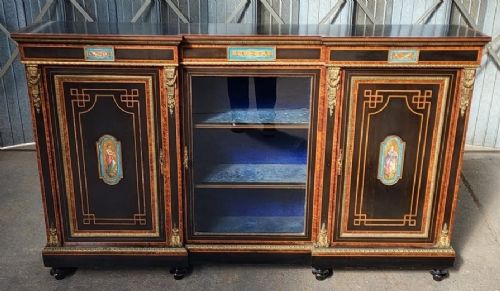
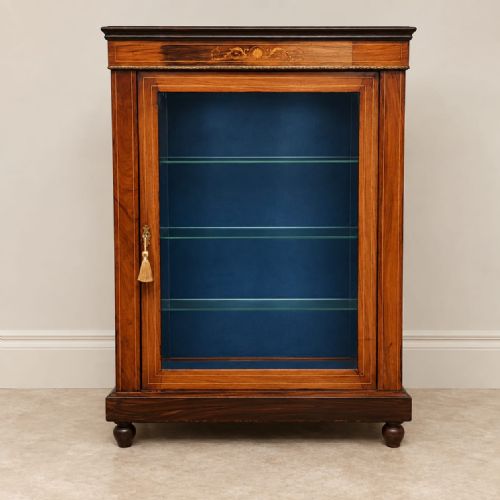
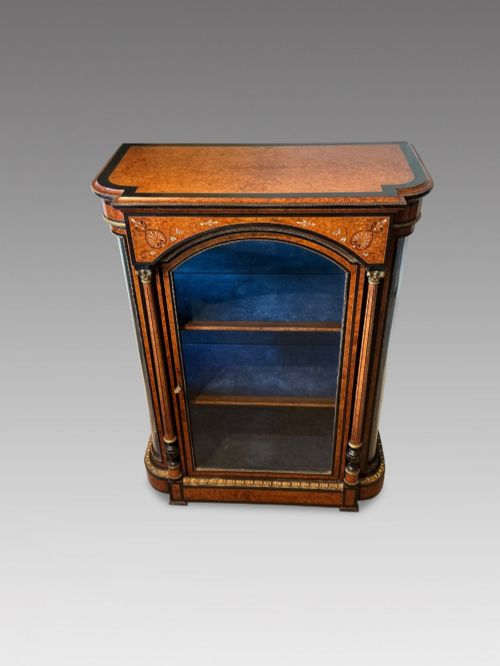
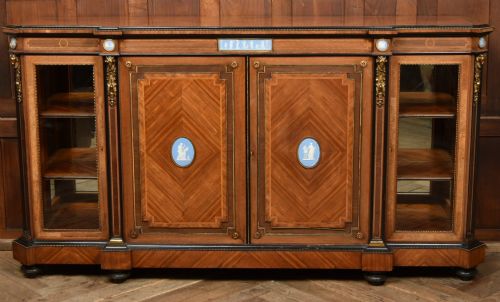
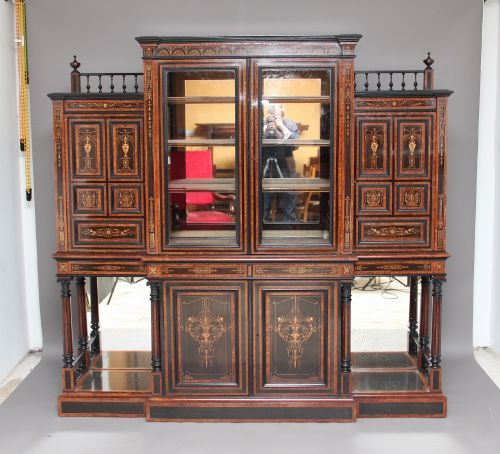
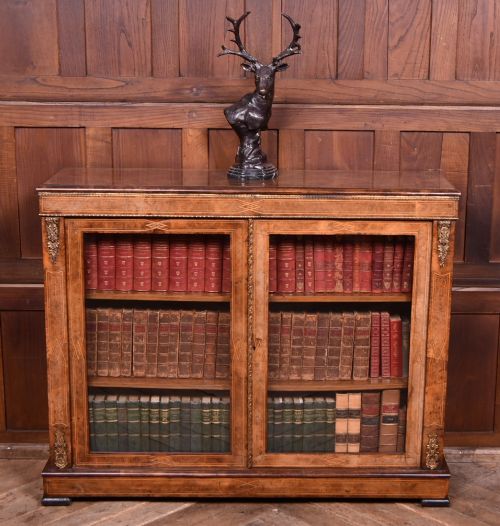
Forms vary from single-door pier cases meant for tight wall spaces to substantial breakfront bookcases and three-door credenzas. These items serve the same fundamental purpose today as they did originally: holding books, ceramics and decorative objects within a glazed timber enclosure.
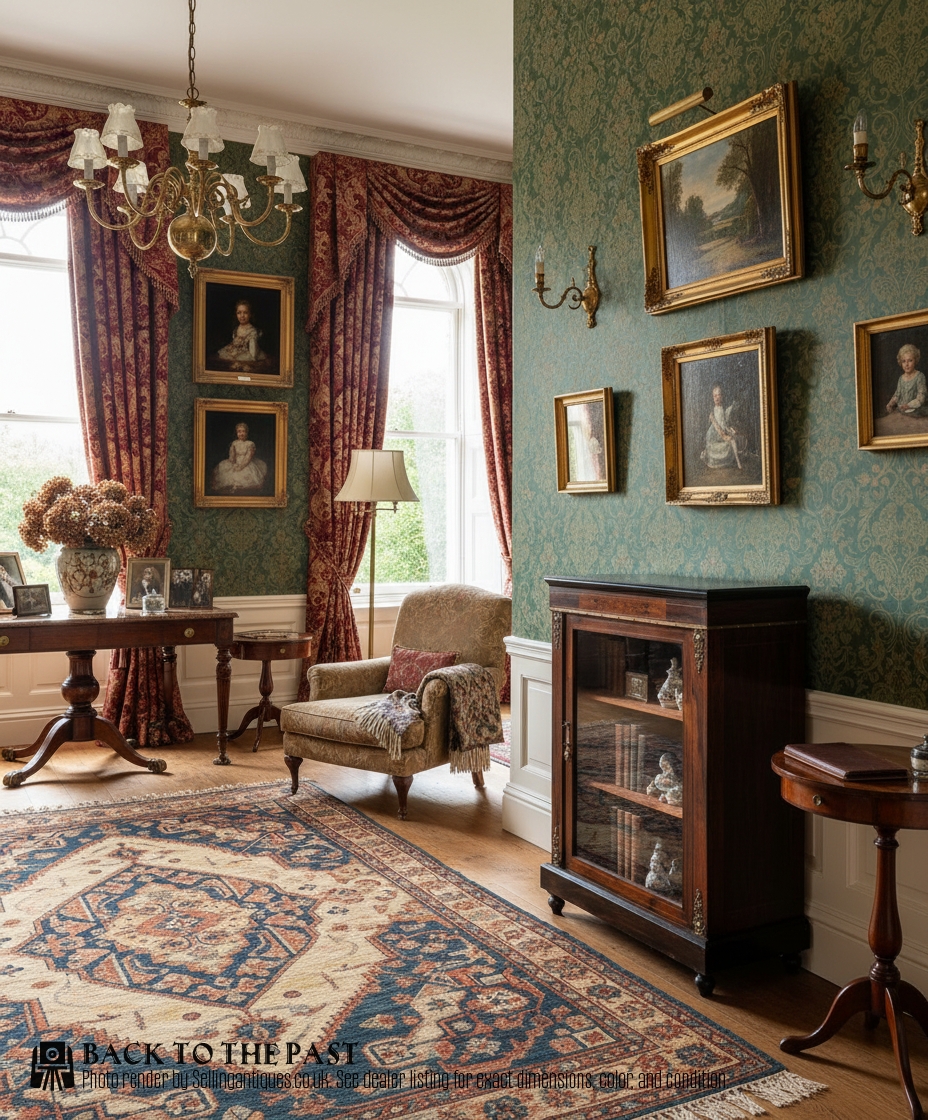
Materials and Construction Methods
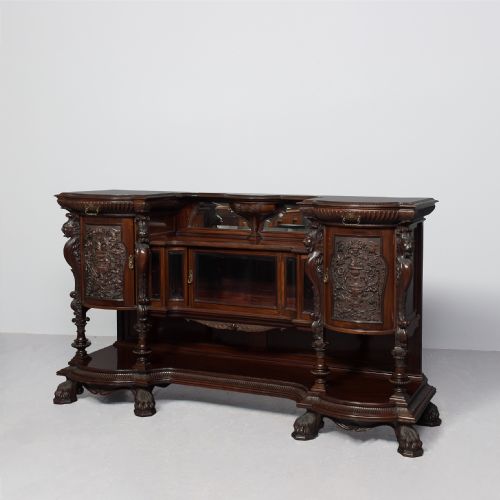
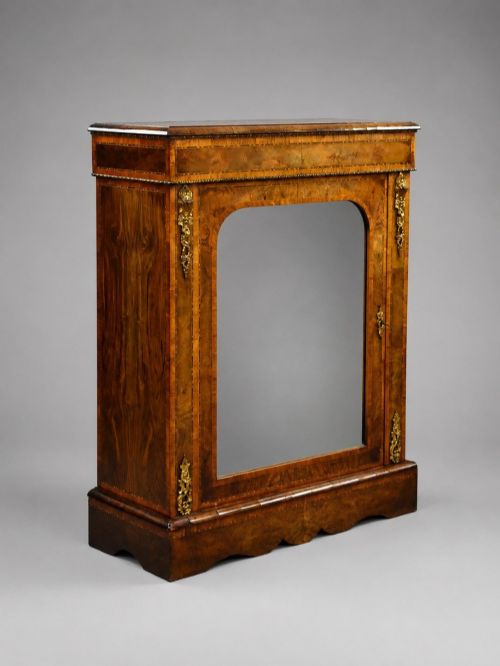
Cabinetmakers utilised dense hardwoods as carcasses, selecting walnut, burr walnut, rosewood, mahogany, satinwood and ebonised wood. Finer surfaces frequently display decorative marquetry or intricate inlay work executed in contrasting timbers.
Metal mounts in ormolu and brass accent doors, friezes and corners, providing bright contrast against dark polished wood. Glass panels are fitted securely into timber frames to protect the interior while allowing clear visibility of stored items.
Victorian Glazed Side Cabinet Retail Price Guide 2026
Typical asking prices for victorian glazed side cabinet among the pieces listed under this phrase on Sellingantiques today, from the lower quarter to the upper quarter. They describe what is for sale here now, not the wider market.
One archival side cabinet arrived bearing period sign-writing specifically advertising Cadburys chocolate.
Distinctions in Quality
Quality rests upon the selection of timber veneers, where highly figured burr walnut or rich rosewood demonstrates superior material choice. The intricacy and precision of marquetry inlay further separate standard production from exceptional cabinet work.
The weight and finish of ormolu mounts, alongside the crispness of carved wooden details, indicate the skill invested by the maker. Structural harmony in proportion and the smooth integration of glazed doors define the upper tier of these pieces.
Collinson and Lock·Lamb of Manchester
The Victorian Glazed Side Cabinet Glossary
- Pier Cabinet
- A narrow freestanding cabinet designed specifically for the wall space between windows. These pieces often feature a single glazed door and flat sides.
- Credenza
- A low sideboard or cabinet, frequently fitted with cupboards and central glass doors. Elaborate examples often include curved side sections and extensive marquetry.
- Ormolu
- Gilt bronze mounts applied to furniture for decoration. This technique adds metallic gleam and architectural definition to the timber.
- Marquetry
- Decorative patterns formed by fitting together small pieces of veneer into timber surfaces. Makers utilised diverse woods to create floral or geometric motifs.
- Ebonised Wood
- Timber treated with a dark finish to imitate ebony. This dark surface provided a stark background for brass inlay and ormolu mounts.
Victorian Glazed Side Cabinet: Frequently Asked Questions
Where should I place a side cabinet?
These cabinets suit dining rooms, drawing rooms or hallways where wall space permits a substantial piece of furniture. Their glass fronts allow you to display ceramics, glassware or books safely.
Ensure the depth of the cabinet matches your chosen walkway, particularly with larger credenza formats. Narrower pier variations fit neatly into smaller alcoves or between windows.
How do I identify a pier cabinet?
A pier cabinet is characterised by its narrow, upright proportion designed to sit against narrow wall piers. They almost universally feature a single vertical glazed door.
Older examples from the mid-nineteenth century frequently incorporate shaped cornices and gilt bronze mounts. Their compact footprint distinguishes them from wider credenzas and sideboards.
What woods were commonly used?
Walnut and burr walnut dominate the selection, offering rich grain patterns and warm brown tones. Rosewood and ebonised wood appear frequently in pieces influenced by the Aesthetic Movement.
Mahogany and satinwood also feature across different decades of the Victorian era. Contrasting timbers are often utilised for delicate inlay work.
Can these cabinets hold books?
Many glazed side cabinets and bookcase variants serve adequately for book storage. The interior shelves are often adjustable to accommodate different publication heights.
Check the internal depth and shelf strength before loading heavy volumes. Lighter display items remain the traditional contents for glazed sections.