
Victorian Glass Front Cabinet
A victorian glass front cabinet brings together fine timber and clear glazing to display cherished possessions with distinct period elegance.
Victorian Glass Front Cabinet
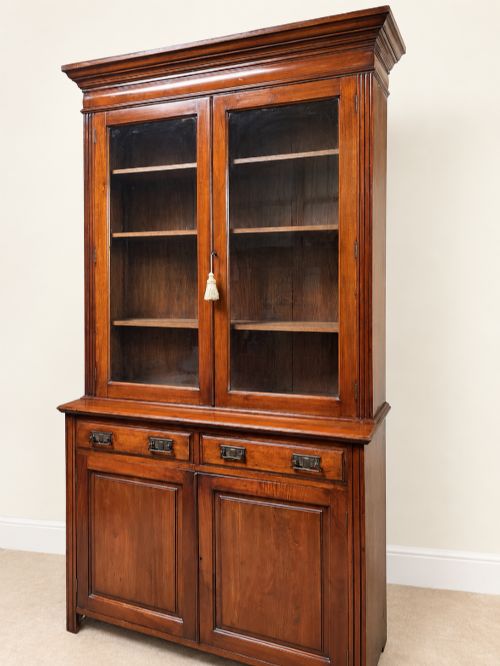
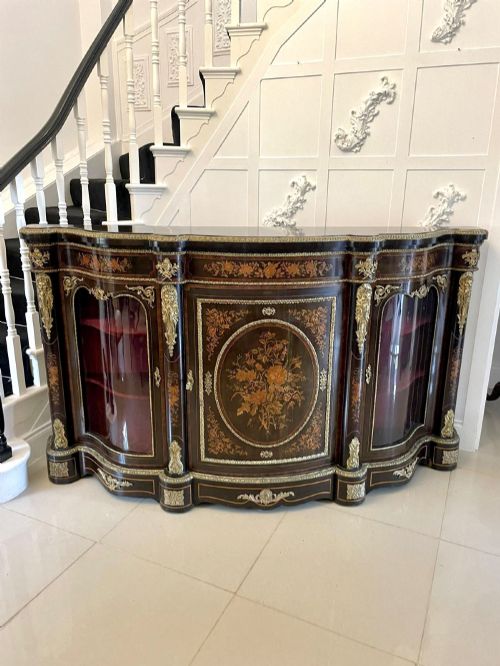
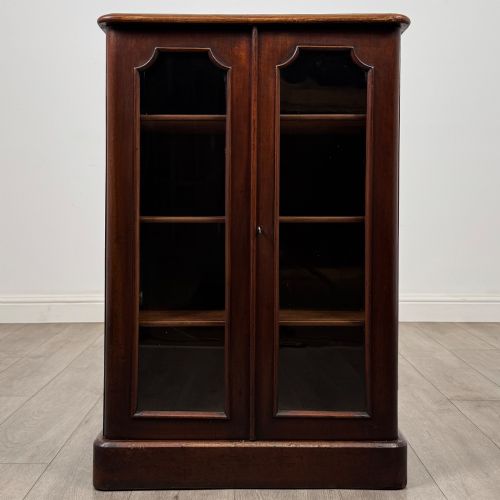
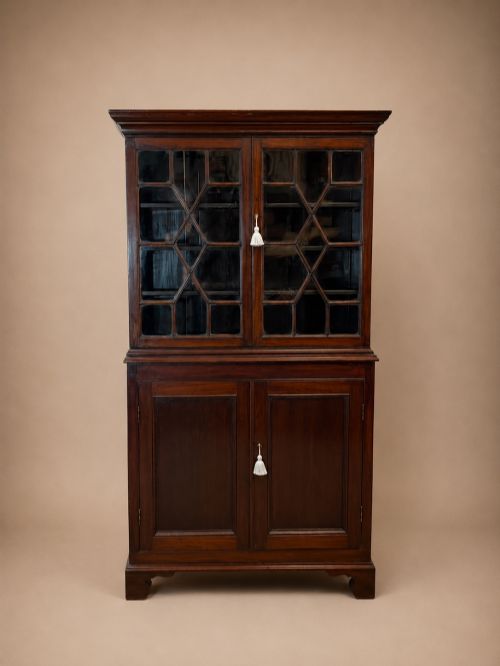
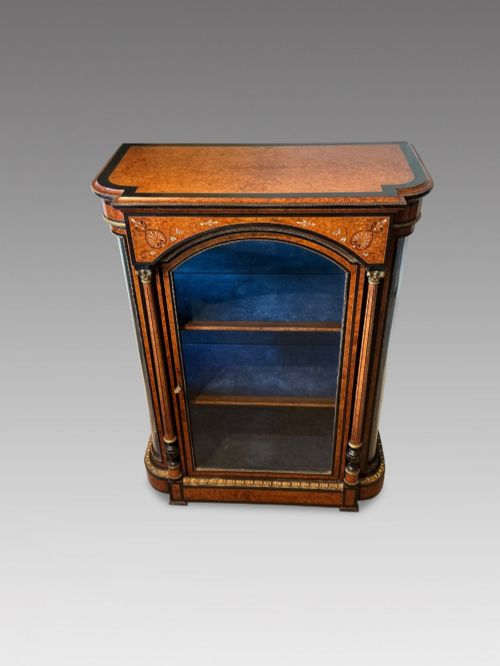
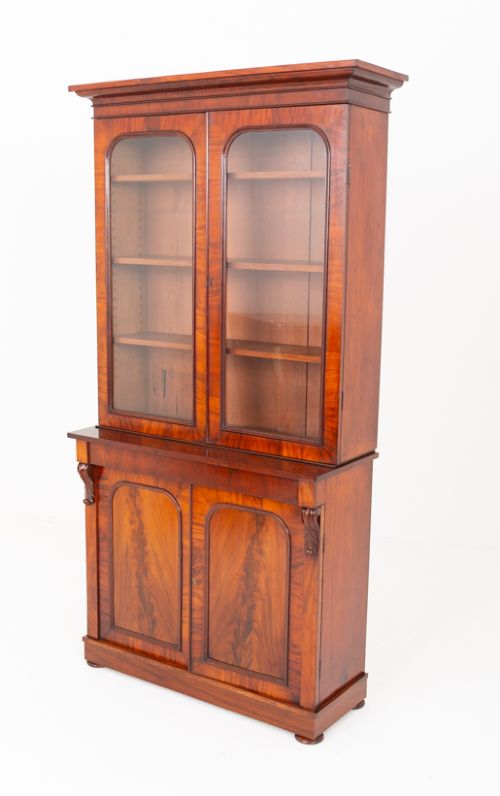
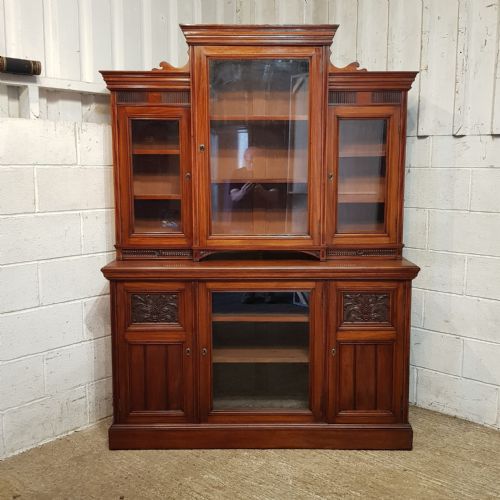
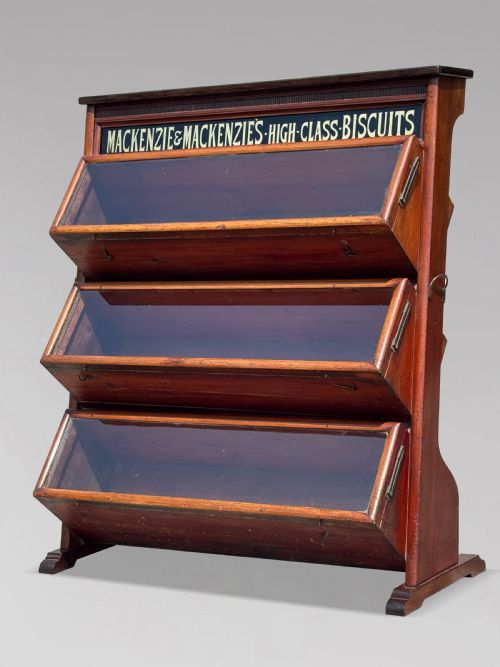
When you search for a victorian glass front cabinet, you encounter a diverse array of nineteenth-century display furniture designed to showcase books, ceramics and ornaments. The selection spans compact pier cabinets and narrow bookcases to broad breakfront credenzas and sideboards originating across the Victorian era.
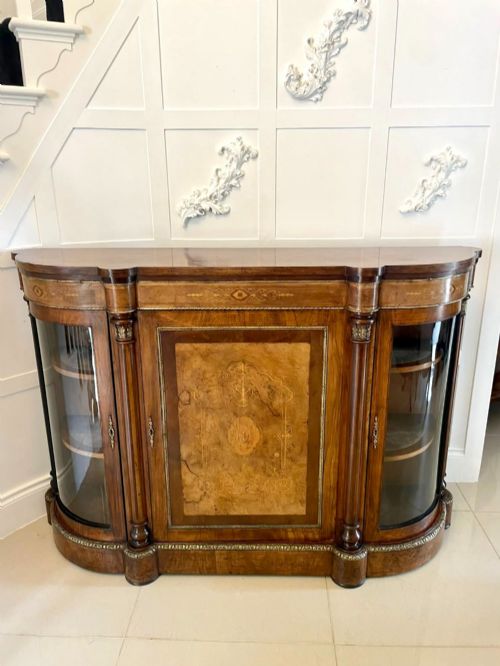
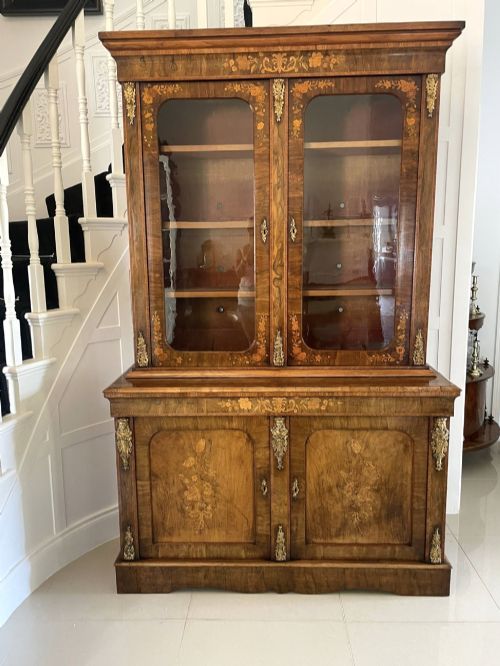
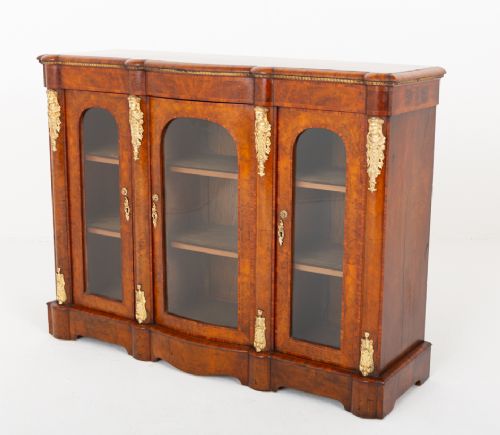
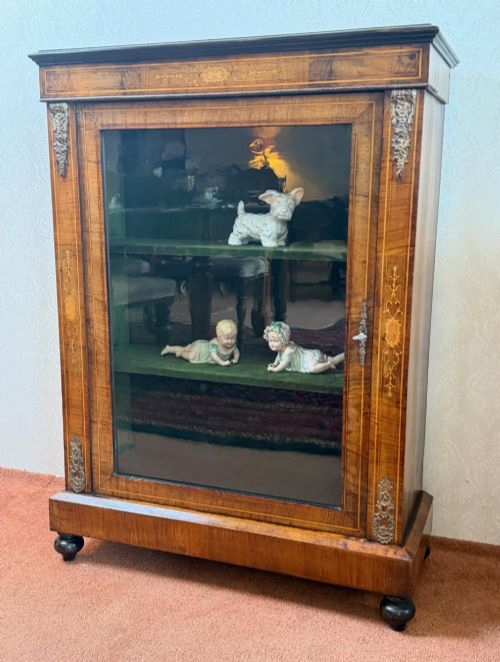
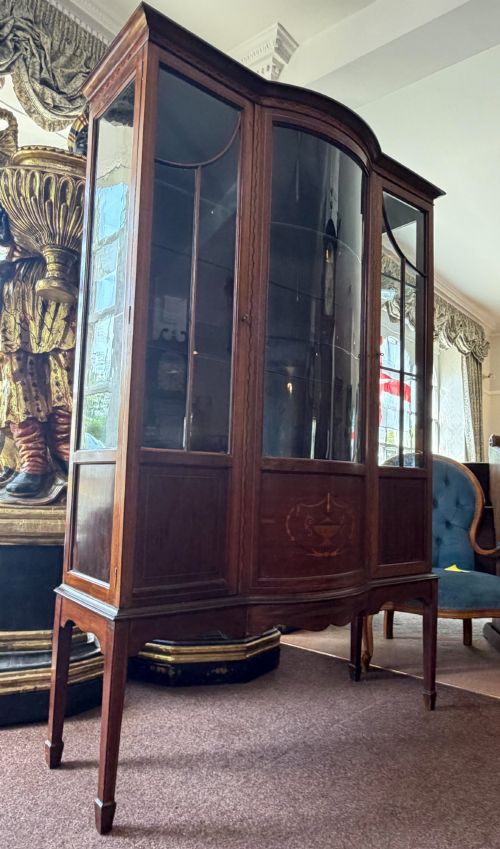
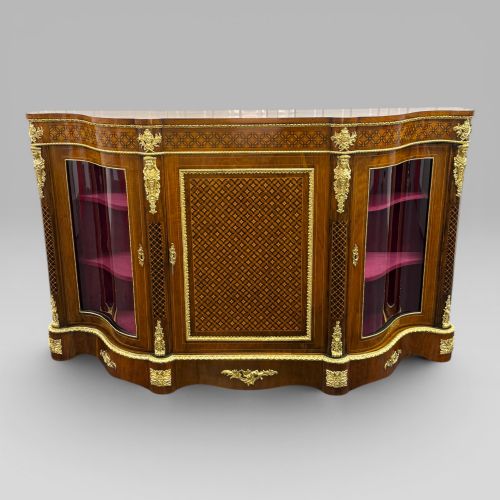
Mahogany and burr walnut dominate the forms, frequently enriched with marquetry inlay and glazed doors that reveal fitted interior shelving. Pieces range from modest nineteenth-century pine and mahogany cupboards to elaborate serpentine credenzas outfitted with ormolu mounts.
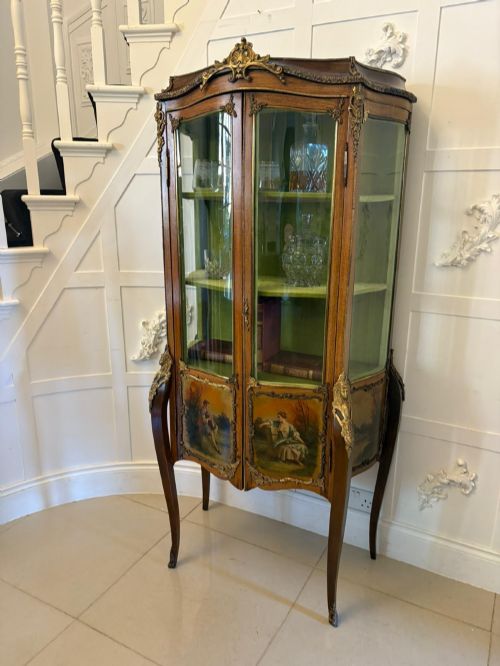
Makers and retail houses such as Edwards & Roberts, Maison Gagneau and Rowland Ward Ltd appear within the evidence, alongside revival styles like French Louis XV, Sheraton and Chinoiserie. Buyers find everything from low table cabinets to large library bookcases built to house substantial collections.
How they were made
Cabinetmakers utilised solid timbers and decorative veneers, applying burr walnut, mahogany, satinwood and rosewood over robust carcases. Marquetry inlay, fruitwood detailing and crossbanding add geometric and floral ornamentation to the exterior surfaces.
Gilding and metalwork play a prominent structural and decorative role, with cast ormolu mounts and brass details framing glass doors and serpentine fronts. Hand-glazed panels are secured within timber frames to protect the interior contents while maintaining visibility.
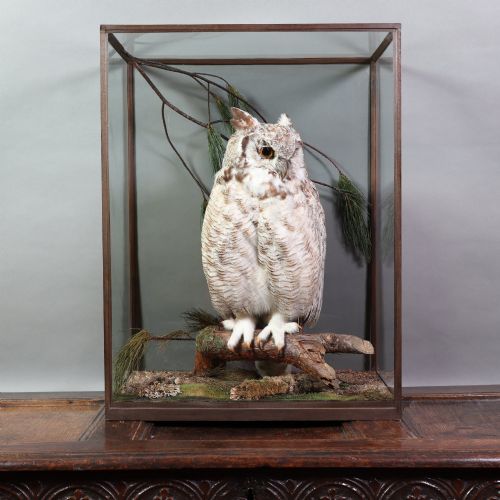
Among the elegant walnut credenzas and mahogany bookcases, the evidence records a taxidermy great horned owl ready to keep watch from the shelf.
What varies in quality
The standard of timber selection and veneer matching defines the upper tier of these cabinets, where burr walnut and figured mahogany display rich, uninterrupted grain patterns across curved surfaces. Finer examples integrate intricate floral marquetry and delicate fruitwood inlay executed with precision.
Mount quality and structural shaping also distinguish the pieces, separating simple rectilinear glazed cupboards from serpentine cabinets featuring heavy ormolu mounts and complex joinery.
Edwards & Roberts·Maison Gagneau·Rowland Ward Ltd
The Victorian Glass Front Cabinet Glossary
- Pier cabinet
- A low freestanding cabinet designed to fit the wall space between windows. These pieces often feature a single glazed door and flat top.
- Credenza
- A low sideboard or display cabinet originating from nineteenth-century formal rooms. They frequently incorporate curved ends and central glazed compartments.
- Ormolu
- Gilded bronze mounts applied to furniture for decorative effect. The technique enhances the architectural lines of revival pieces.
- Marquetry
- Decorative patterns formed by fitting together contrasting veneer strips and pieces. Floral and geometric motifs typify Victorian cabinet doors.
- Serpentine
- A curved furniture front characterised by a convex centre flanked by concave sides. This shape requires advanced woodworking skill to glaze and fit.
Victorian Glass Front Cabinet: Frequently Asked Questions
What rooms suit a victorian glass front cabinet?
These cabinets work well in living rooms and studies where transparent doors protect books and ornaments from dust while keeping them visible.
Slim pier cabinets fit narrower wall spaces, while breakfront bookcases and credenzas anchor larger reception rooms.
How do I care for the timber and glass?
Maintain the polished wood surfaces with appropriate natural waxes and dust the glass panels regularly using a soft cloth.
Avoid placing these cabinets in direct sunlight or near heat sources to protect delicate veneers and marquetry.
How are different Victorian periods identified?
Cabinet styles shift from mid-century walnut and mahogany forms towards late-nineteenth-century satinwood revival pieces and Aesthetic Movement designs.
Inlay techniques and mount designs often reflect the prevailing taste of specific decades within the Victorian era.
Were these cabinets used for books or display?
Many larger pieces served as library bookcases with wooden or glazed shelving built to store volumes.
Others functioned specifically as display cabinets and credenzas intended to exhibit porcelain and decorative objects.