


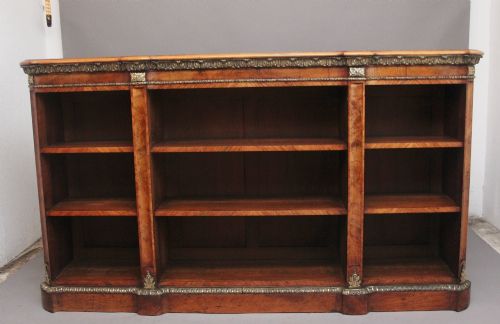
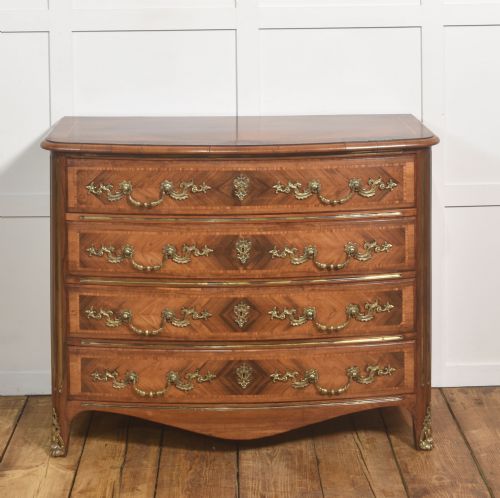
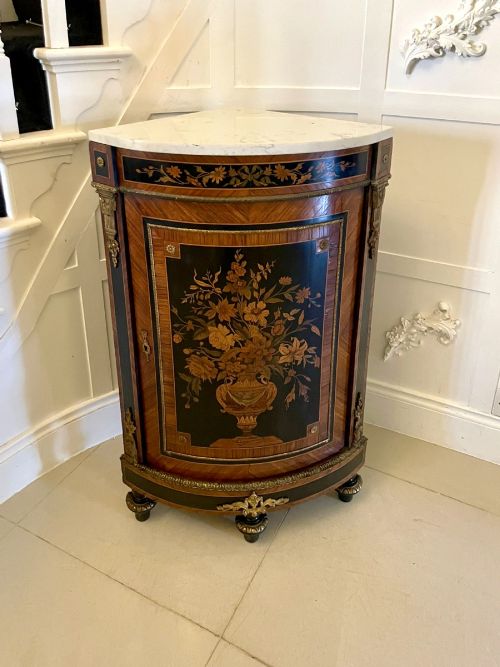
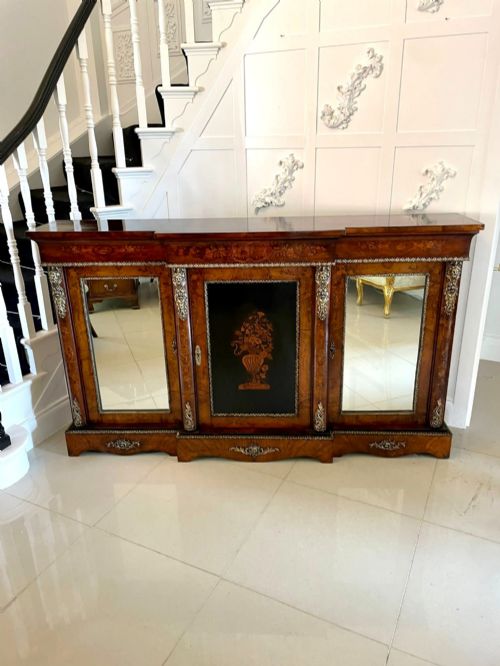
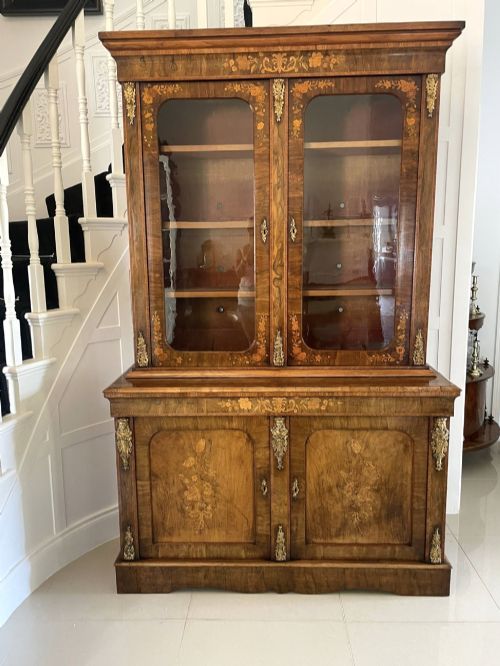
Ormolu Walnut Cabinet
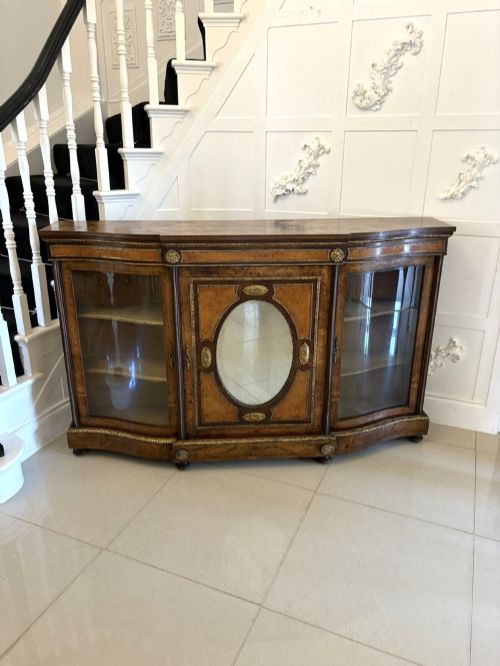
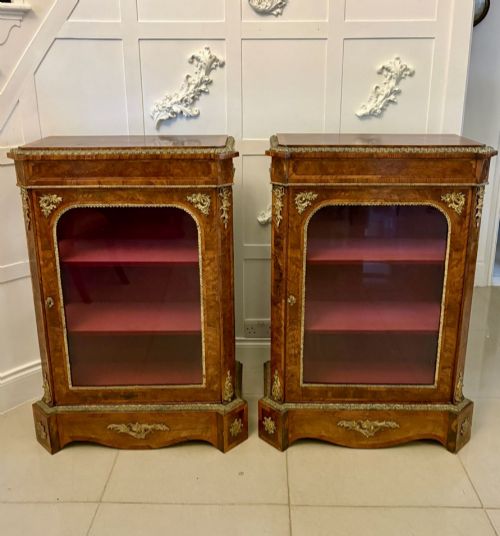
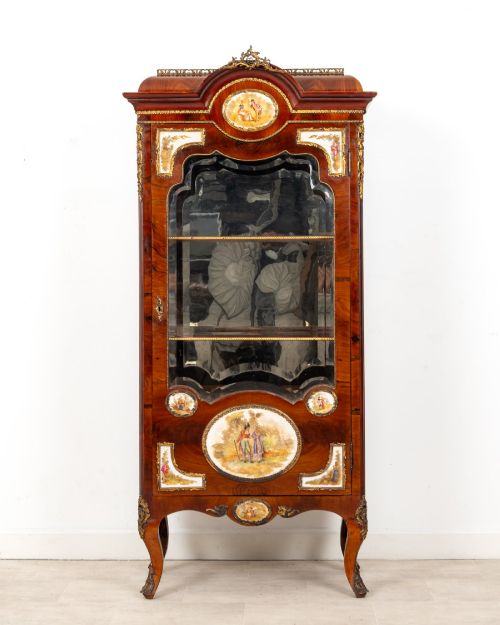
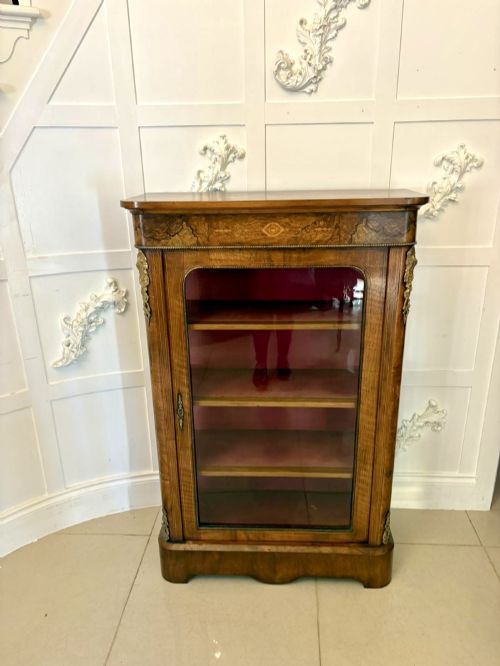
When you search for an ormolu walnut cabinet, you uncover substantial credenzas, glazed display pieces and compact pier cabinets built to display prestige.
Ormolu Walnut Cabinet
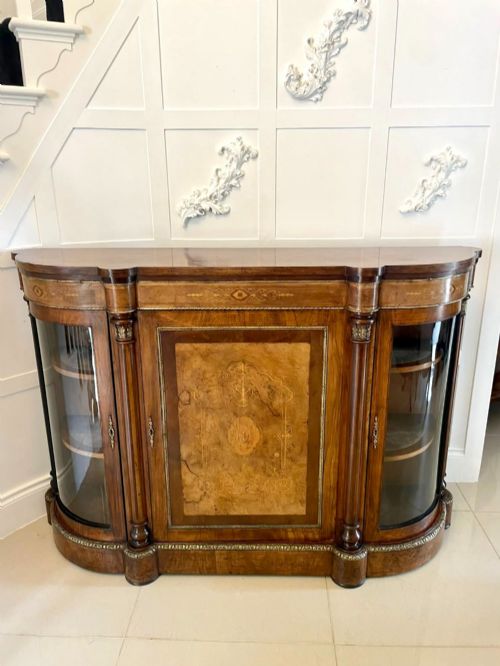
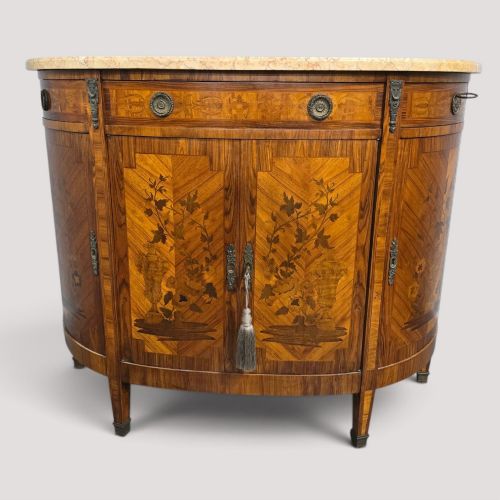
The ormolu walnut cabinet category spans grand Victorian credenzas, glazed display cabinets, and French revival side cabinets designed for formal reception rooms. Buyers encounter nineteenth-century English pieces featuring rich burr veneers alongside lighter continental styles influenced by Louis XV and Louis XVI designs.
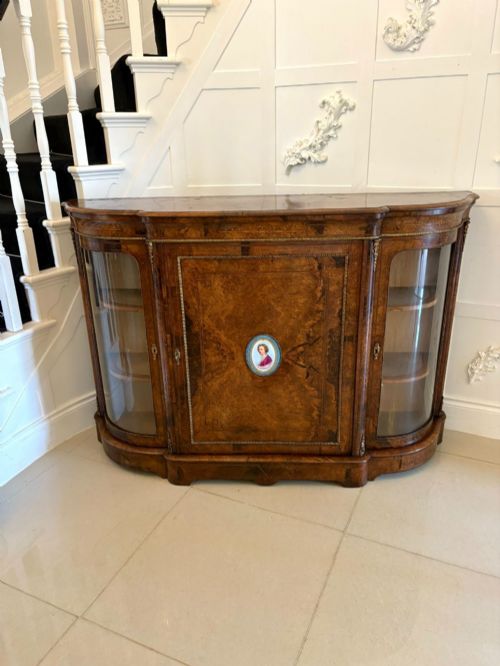
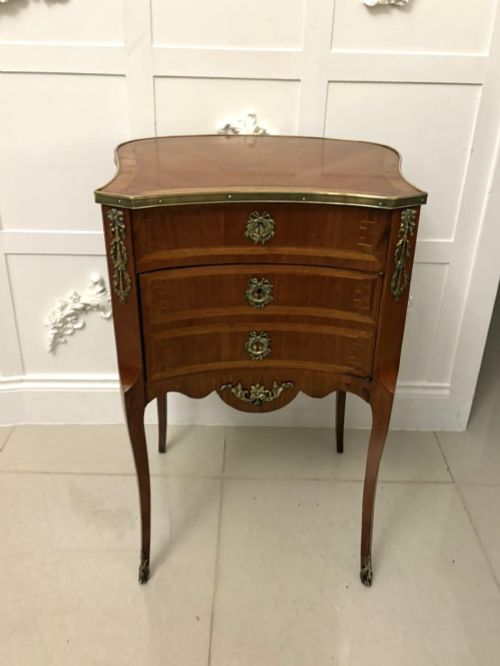
Credenzas and pier cabinets dominate the selection, often incorporating porcelain plaques, mirrored doors, and intricate marquetry alongside cast metal mounts. Smaller bedside lockers, commodes, and corner cabinets also appear regularly across the period range.
Materials and construction
Cabinet makers utilised figured walnut and burr walnut veneers laid over solid secondary timbers, frequently enhancing surfaces with floral marquetry, parquetry, and contrasting inlay of ebony or rosewood. Marble tops in white, grey, or rouge feature on specific French commodes and side cabinets.
Cast ormolu and gilt bronze mounts frame doors, corners, and plinths, while glazed panels enclose display sections for porcelain and books. Brass hardware secures interior shelving and lockable doors on both English and continental examples.
Ormolu Walnut Cabinet Retail Price Guide 2026
Typical asking prices for ormolu walnut cabinet among the pieces listed under this phrase on Sellingantiques today, from the lower quarter to the upper quarter. They describe what is for sale here now, not the wider market.
Listings feature burr walnut, kingwood, and mahogany timbers combined with cast ormolu, marble, and mirrored glass across nineteenth- and twentieth-century forms.
Factors of quality
The finesse of the cast ormolu mounts determines much of the visual distinction, with superior pieces showing crisp chiselling and secure fixing rather than flat, repetitive moulding. Marquetry detail ranges from simple geometric borders to elaborate, shaded floral arrangements executed in diverse natural woods.
Timber selection and veneer matching dictate structural elegance, particularly in how burr walnut grain flows symmetrically across large credenza doors or serpentine fronts. Interior secondary woods and the precision of drawer dovetailing reflect the original workshop standards.
Johnstone and Jeanes·Gillows·Maison Gagneau
The Ormolu Walnut Cabinet Glossary
- Ormolu
- Gilded bronze mounts applied to furniture for decorative accent. These metal ornaments are cast and chased to highlight architectural edges and curved panels.
- Burr Walnut
- Timber taken from walnut tree growths that produces intricate, swirling grain patterns. Cabinet makers prized these figured veneers for principal display surfaces.
- Pier Cabinet
- A narrow display cabinet built to stand against the wall space between windows. They typically feature glass doors and velvet-lined interiors.
- Marquetry
- Decorative patterns formed by fitting together thin slices of various coloured wood veneers. Artisans use this technique to create floral or geometric tableaus.
- Credenza
- A low sideboard or cabinet featuring central and side compartments, often fitted with curved glass doors. Victorian iterations frequently incorporate extensive gilt mounts.
Ormolu Walnut Cabinet: Frequently Asked Questions
Where did these cabinets go?
These pieces occupied principal reception rooms, drawing rooms, and formal parlours in nineteenth-century homes, where hosts displayed porcelain collections, books, and decorative objects behind glass panels.
Today, they function effectively in modern living spaces as focal display furniture, sideboards, or media consoles while maintaining their traditional storage roles.
How do I identify French pieces?
French examples often display lighter wood tones, kingwood crossbanding, marble tops, and revival styles referencing Louis periods, frequently taking the form of commodes, vitrines, or bedside cabinets.
English pieces tend to lean towards substantial burr walnut credenzas and pier cabinets with heavy plinths, mirrored doors, and prominent floral marquetry.
What is burr walnut?
Burr walnut is harvested from distorted growths on walnut trees, yielding complex, swirling grain configurations that create dramatic visual movement across cabinet doors and tops.
Because these figured veneers are scarce, makers reserved them for the primary viewing surfaces of high-status furniture.
How do I care for walnut?
Polished walnut surfaces require stable indoor humidity away from direct heat sources and sunlight to prevent timber movement and veneer lifting.
Regular dusting with a dry, soft cloth preserves the wax or French polish finish without accumulating moisture residue.