

Victorian Gilded Ceramics
Victorian gilded ceramics bring opulent ornamentation into domestic spaces through meticulously painted porcelain, bone china and earthenware highlighted with gold leaf.
Victorian Gilded Ceramics
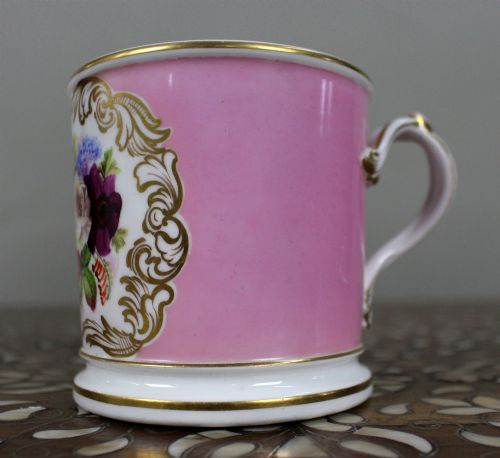
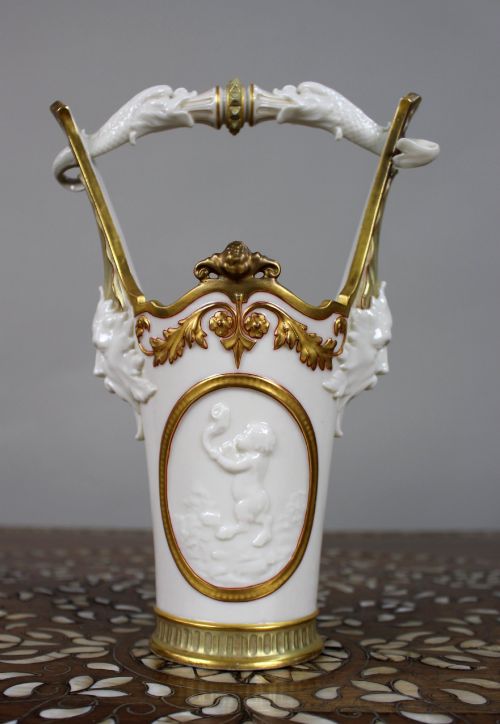
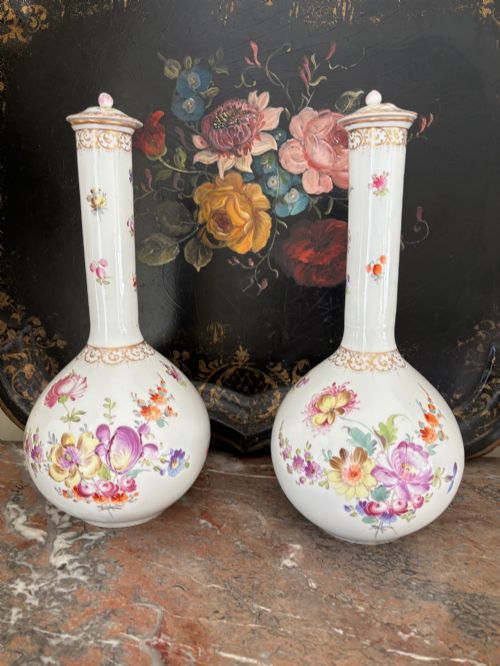
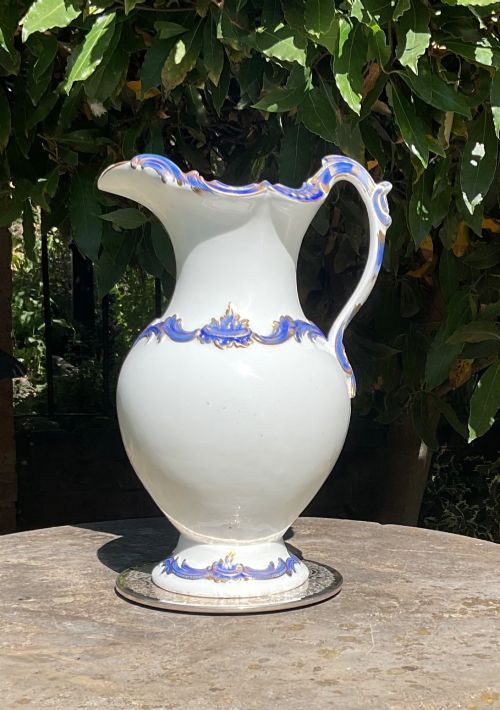
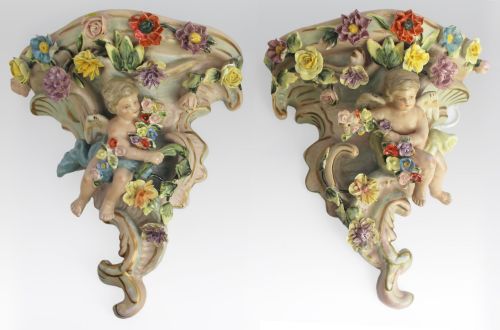
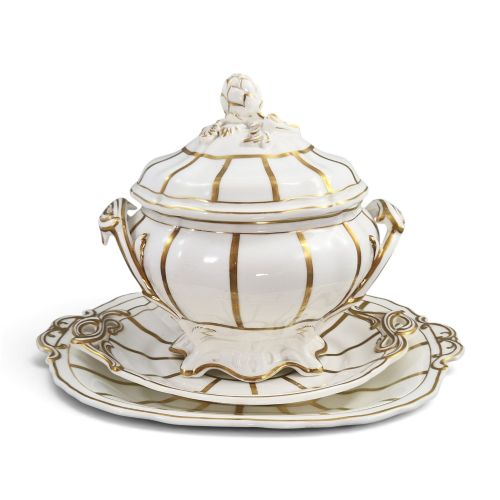
Victorian gilded ceramics encompass an array of decorative and functional objects produced during the nineteenth century, including vases, dessert services, jugs and wall brackets. These pieces combine elaborate forms with metallic embellishments that reflect the period's taste for display and luxury.
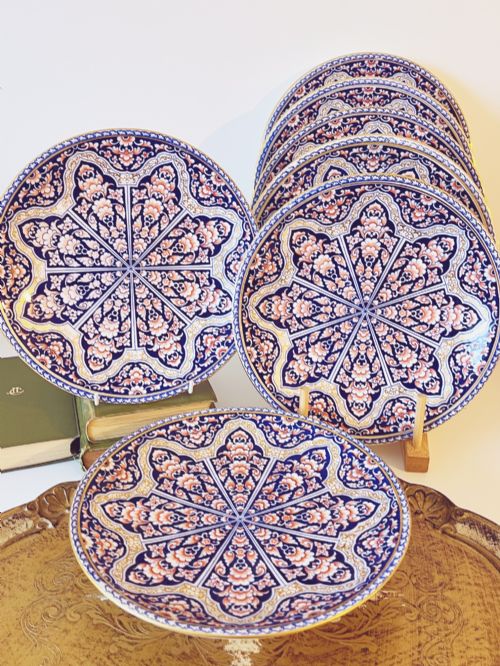
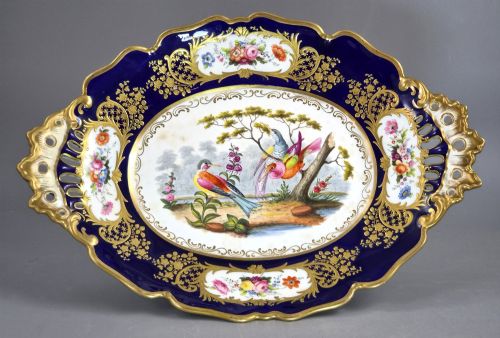
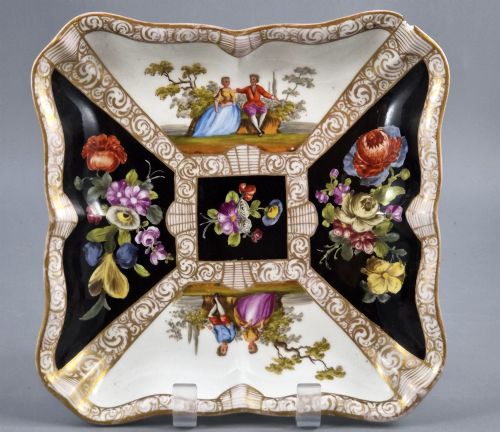
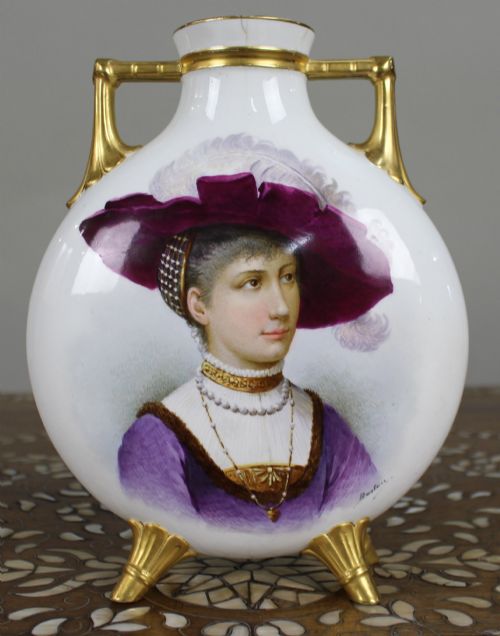
The selections on this page lean heavily toward British and continental porcelain and bone china, featuring works from factories such as Royal Worcester, Coalport and Minton alongside French and German productions. Vases and decorative dishes dominate the selection, frequently carrying hand-painted floral, ornithological or figurative motifs.
Makers utilised established historical revivals, applying Rococo, Neoclassical and Aesthetic Movement styles to everyday tableware and cabinet pieces. Buyers encountering these items will find both utilitarian vessels transformed by decoration and purely ornamental objects designed for mantelpieces and cabinets.
How They Were Made
Manufacturers shaped fine porcelain, bone china, ironstone and earthenware using traditional moulding and casting techniques before applying complex coloured glazes such as cobalt blue, turquoise and rose pompadour. Artisans then hand-painted detailed subjects directly onto the ceramic surface, incorporating botanical studies, landscapes and mythological scenes.
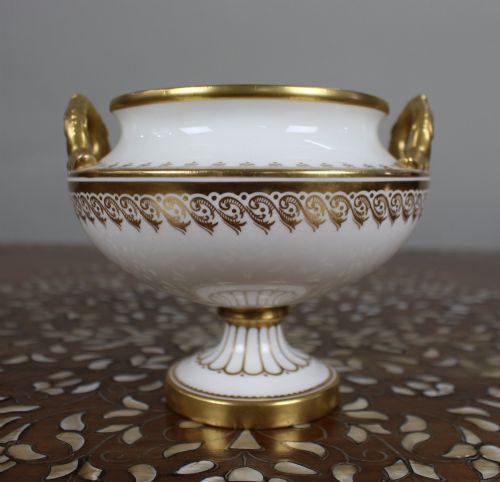
The defining characteristic of these objects is the application of gold leaf, liquid gold or gilt detailing, which was meticulously painted onto rims, handles and raised motifs before being fired in a kiln to fix the metal. This gilding was often burnished by hand to achieve a high shine that contrasted with matte or coloured ground surfaces.
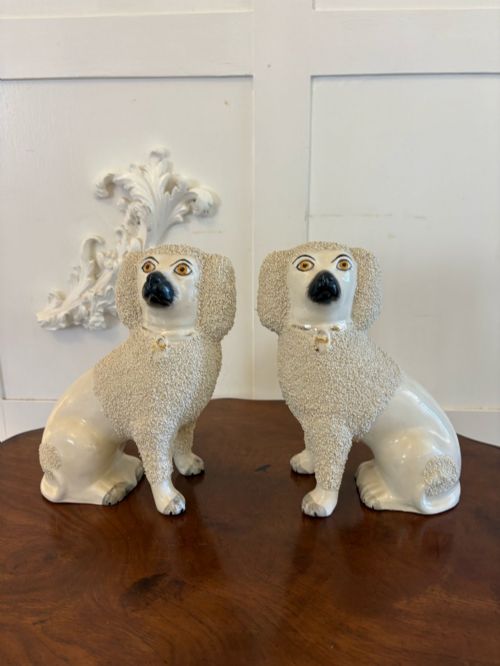
A porcelain poodle figurine sits proudly alongside grand urns and cabinet plates, proving Victorians loved gilded glamour even on their poodles.
What Varies in Quality
The standard of a piece rests primarily on the execution of the hand-painting and the finesse of the gilding, where precision of brushwork and depth of detail separate factory-standard items from exhibition-grade commissions. Skilled artists produced finely rendered naturalistic birds, portraits and intricate gilding that required superior technical control during multiple kiln firings.
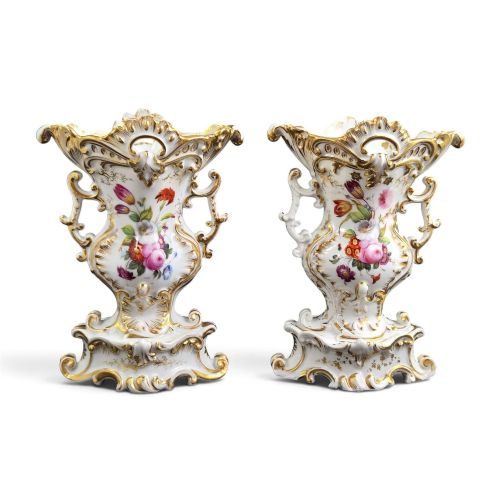
Subtlety of form and the integration of decorative styles also dictate value, as seen in pieces shaped with complex Rococo scrollwork or precise Aesthetic Movement compositions rather than simple moulded blanks. Furthermore, identifiable signatures from known ceramic artists or prestigious retail shop attributions elevate individual objects above unmarked commercial output.
Coalport·Jacob Petit·Royal Worcester·Royal Crown Derby·Meissen·Grainger Worcester·Sitzendorf·Davenport·Locke And Co·Mason·Minton·Helena Wolfsohn·Royal Doulton·Royal Vienna·James Giles·W H Goss
The Victorian Gilded Ceramics Glossary
- Bone china
- A type of porcelain incorporating bone ash, yielding a durable body with a milky white translucency. This material allowed nineteenth-century potteries to produce thin-walled vessels with refined profiles.
- Gilding
- The application of gold leaf or gold powder to ceramic surfaces for decorative effect. Artisans painted the metallic mixture onto handles, rims and raised mouldings prior to kiln firing.
- Tazza
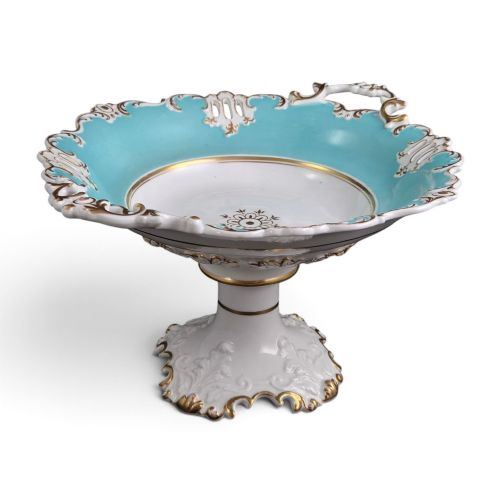
- A shallow ornamental cup or plate mounted on a stem and foot, traditionally used for serving fruit or sweets. These pedestal dishes often feature elaborate painted wells and gilt borders.
- Blush ivory
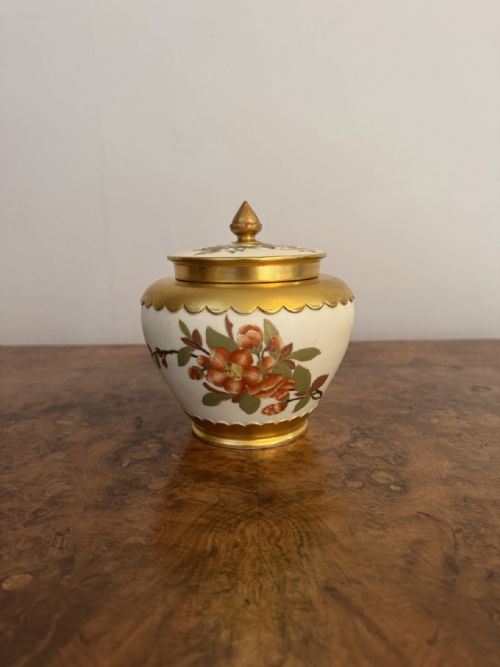
- A matte cream-coloured ceramic ground developed by Royal Worcester, typically decorated with soft floral motifs and tinted with subtle pinks and gilt highlights. The finish imitates the appearance of tinted ivory.
- Ironstone
- A heavy, durable earthenware developed as a robust alternative to porcelain, capable of holding deep cobalt blue grounds and rich enamels. Mason's notably utilised this dense body for large decorative vases.
Victorian Gilded Ceramics: Frequently Asked Questions
How do I clean gilded ceramics?
Dust these items gently with a soft, dry brush and avoid harsh cleaning agents, scrubbing or soaking in water. Moisture and abrasive materials can wear away delicate hand-painted enamels and delicate gold leaf over time.
Display pieces away from direct sunlight to preserve the vibrancy of cobalt blue, turquoise and blush ivory grounds. Handle objects by their main bodies rather than fragile handles or applied gilt rims.
Were these pieces used daily?
Many items, such as dessert services, jugs and tea wares, were designed for dining and entertaining among prosperous nineteenth-century households. Their gilt detailing and fine porcelain bodies meant they were handled with care during formal gatherings rather than rough everyday use.
Other items like cabinet plates, centrepieces and decorative vases served a purely ornamental function from the start. These decorative objects remained on display in drawing rooms to signal taste and refinement.
How do I identify the maker?
Look underneath the base for factory marks, pattern numbers or impressed ciphers that correspond to nineteenth-century registry systems. Many leading manufactories used specific stamped monograms, crowns or crossed swords that date the object to a particular decade.
Individual artists occasionally signed their painted panels near the edge of the scene. Retailer marks applied alongside the factory stamp also provide clues to where an object was sold.
What does aesthetic period mean?
The Aesthetic Movement spanned the late nineteenth century, promoting art for art's sake and drawing heavy inspiration from Japanese design motifs. Ceramics from this movement often feature asymmetrical compositions, naturalistic flora, insects and stylized sunbursts in gold.
Potteries like Minton embraced this philosophy, moving away from heavy Victorian revival styles toward cleaner lines and nature-inspired subjects. These pieces demonstrate a distinct departure from traditional Neoclassical or Rococo symmetry.